


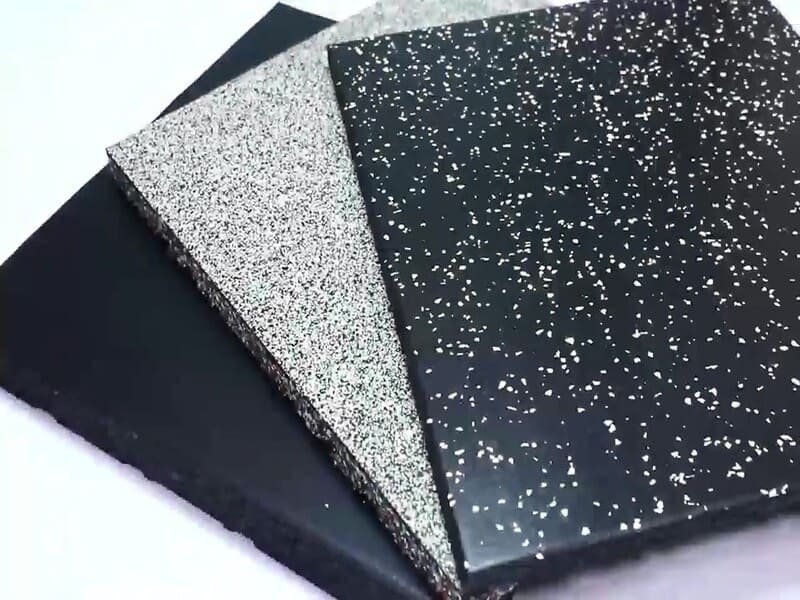
Choosing the right rubber flooring requires matching the material thickness and density to your highest-impact activity. You must balance shock absorption for heavy lifting with surface stability for functional training. Selecting high-density, sulfur-vulcanized rubber ensures long-term durability, subfloor protection, and a low-odor environment for all gym users.
I have seen many gym owners make the mistake of choosing a single flooring type for the entire room. A multi-use gym is a complex environment where Olympic lifting, cardio machines, and yoga classes often happen just a few feet apart. If the floor is too soft, your heavy lifters will lose stability during squats; if it is too hard, your floor-based HIIT classes will be uncomfortable. I always tell my clients that the floor is the most used piece of equipment in the building. You need to think about force reduction and energy return. High-quality rubber flooring acts as a sacrificial barrier that saves your expensive concrete subfloor from cracking under the stress of a 200kg deadlift. Understanding the science behind rubber density and manufacturing will help you avoid costly replacements later.
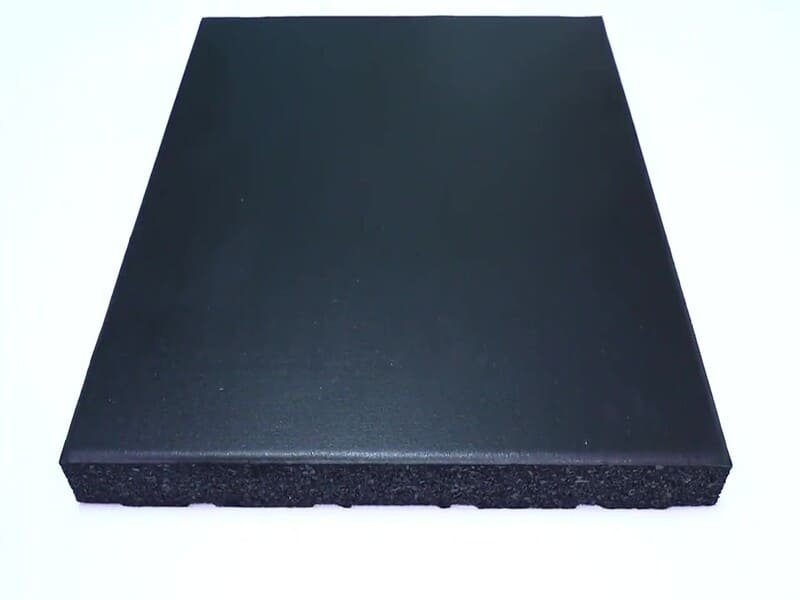
You should look at how each part of your gym is used before you buy anything.
Why is a Pre-Purchase Activity Audit Necessary for Multi-Use Gyms?
An activity audit allows you to map out specific zones based on mechanical stress and user contact. This prevents you from overspending on thick mats where they are not needed while ensuring high-impact areas have enough protection. It helps you choose between turf, rolls, or heavy-duty interlocking tiles effectively.
In my practice, I divide a multi-use gym into four distinct categories to determine the best technical fit. First are the High-Impact Zones. If you have people dropping heavy iron plates, you need at least 20mm to 30mm of high-density rubber. Second are the Functional and Agility Zones. Here, many clients prefer artificial turf for sled pushes, but if you use rubber, it must have a high coefficient of friction to prevent slipping during sprints. Third are the Cardio Areas. These machines vibrate and can "walk" across a floor, so a standard 10mm roll is usually enough to dampen the noise and protect the subfloor. Finally, there are the Group Fitness or Yoga areas. In these spots, skin-to-floor contact is common. I look for rubber with a fine grain texture that is easy on the skin and easy to mop.
Activity Zone Requirements Comparison Table
| Zone Type | Primary Activity | Recommended Thickness | Key Property |
|---|---|---|---|
| High-Impact | Olympic Lifting / Deadlifts | 20mm – 40mm | Max Shock Absorption |
| Functional | Sled Pushes / HIIT | 10mm – 15mm | High Traction / Stability |
| Cardio | Treadmills / Bikes | 8mm – 10mm | Vibration Dampening |
| Recovery | Yoga / Stretching | 6mm – 10mm | Smooth Surface / Low Odor |
This map is your blueprint for a floor that lasts ten years instead of two.
How Do Technical Specifications Like Density and Vulcanization Affect Performance?
Technical specs determine the lifespan and safety of the floor. Density ensures the rubber does not compress permanently under heavy loads. Vulcanization is a chemical process that bonds the rubber granules together, which eliminates the "rotten egg" smell and creates a non-porous surface that does not absorb sweat or bacteria.
I often explain to product developers that the "feel" of a floor comes from its manufacturing process. Recycled SBR rubber is the industry standard for its toughness and eco-friendly profile. However, not all recycled rubber is the same. I prefer sulfur-vulcanized rubber because the heat and pressure used in the factory create a much tighter bond than simple polyurethane binders. This high-density construction means that when an athlete stands on the floor with a heavy bar, the floor does not "squish" under their feet. Stability is safety. For premium luxury gym flooring aesthetics and UV resistance, I often recommend adding virgin EPDM color flecks to the rubber surface. This does not just look good; it helps hide the dust and scuff marks that naturally occur in high-traffic commercial gyms. If you choose a floor with low density, it will eventually crumble into black dust at the high-wear spots.
Rubber Material Performance Data
| Material Type | Density (kg/m³) | Best Use Case | Lifecycle Expectancy |
|---|---|---|---|
| Standard SBR Rolls | 900 – 1000 | General Gym Areas | 5 – 7 Years |
| High-Density Tiles | 1100 – 1300 | Weightlifting Platforms | 10+ Years |
| Virgin EPDM Top | 1200+ | Premium Branding / Yoga | 8 – 10 Years |
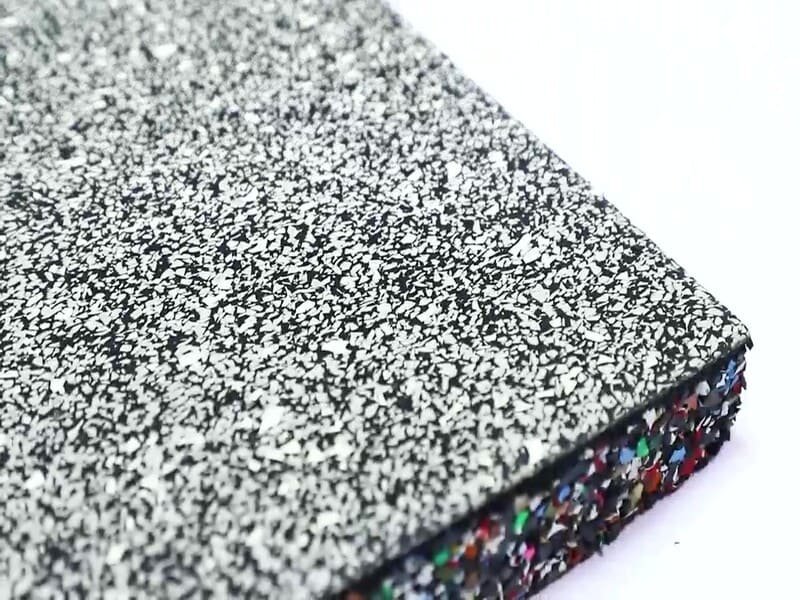
Bad specs lead to bad smells and even worse gym performance.
Should You Choose Interlocking Tiles, Rubber Rolls, or Impact Mats?
The choice depends on your installation budget and the size of the room. Rubber rolls provide a seamless, hygienic finish for large areas. Interlocking tiles are excellent for smaller, irregular rooms or DIY setups. Heavy-duty mats are essential for protecting specific spots where the heaviest weights are dropped.
When I am consulting on a project, I look at the floor plan to decide the format. Rubber rolls are my top choice for professional gyms because they have the fewest seams. Fewer seams mean there are fewer places for sweat to seep down and grow mold under the floor. However, rolls are heavy and usually require professional installation with adhesive. If a client wants to save on labor, I suggest interlocking tiles. Modern water-jet cut tiles fit together so tightly they almost look seamless, and you can replace one tile if it gets damaged instead of ripping up a whole roll. For the "deadlift corner," neither rolls nor standard tiles are enough. I always install dedicated 30mm impact mats in these areas. These mats are designed to take a beating and keep the noise levels down, which is vital if your gym is in a multi-story building with neighbors downstairs.
Flooring Format Pros and Cons
| Format | Best For | Installation Difficulty | Main Advantage |
|---|---|---|---|
| Rubber Rolls | Large Commercial Gyms | High (Requires Glue) | Seamless and Hygienic |
| Interlocking Tiles | Boutique Studios / DIY | Low (Puzzle Fit) | Easy to Replace Parts |
| Impact Mats | Lifting Platforms | Medium (Heavy) | Maximum Protection |
The format you pick will change how much you spend on glue and labor.
What Are the Critical Safety Standards and ROI Factors to Consider?
You must check the slip resistance and fire ratings to meet local building codes. A high-quality floor has a high ROI because it lasts longer and prevents injuries. Choosing a floor with a certified "Force Reduction" rating ensures that the impact energy is absorbed by the floor, not the athlete’s joints.
Safety is where I never compromise. In a multi-use gym, floors often get wet from sweat or spilled water. I always check the "Coefficient of Friction" data; you want a floor that stays grippy even when damp. I also look at fire ratings like ASTM E648. Many cheap imported rubbers do not meet these standards, and a fire marshal can shut your gym down if the flooring is a hazard. From an investment standpoint, cheap flooring is a trap. For 24-hour gyms with constant foot traffic, low-density budget flooring can wear thin in less than two years. When you calculate the cost of the rubber plus the cost of closing your gym to reinstall it, the "expensive" high-density rubber actually ends up being the cheaper option over five years. Always ask for the warranty details—a good manufacturer will stand by their product for at least five to ten years in a commercial setting.
Key Safety and Compliance Checklist
- Slip Resistance: Check the COF (Coefficient of Friction) ratings for wet and dry conditions.
- Fire Rating: Ensure compliance with ASTM E648 or local EN standards.
- VOC Levels: Look for FloorScore certification to ensure indoor air quality.
- Force Reduction: Verify the percentage of impact energy the floor can absorb.
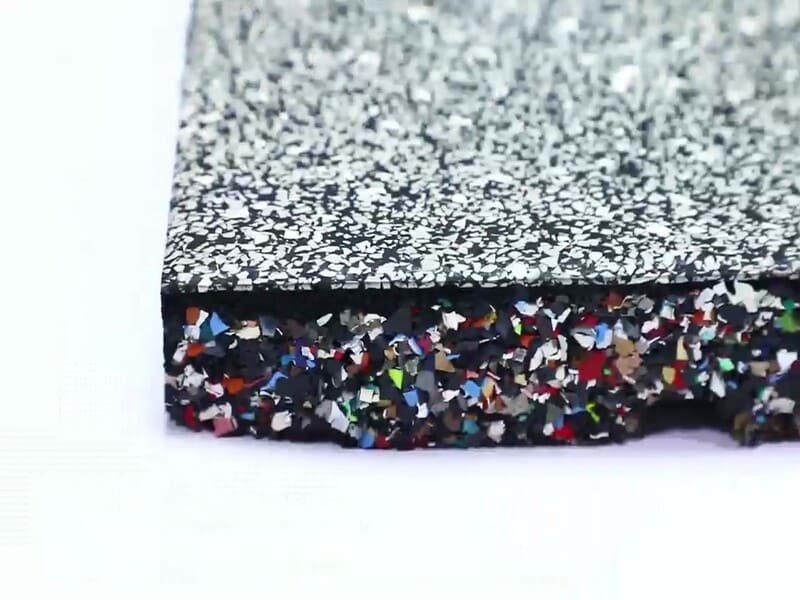
A safe floor protects your members and your business from legal risks.
Conclusion
The golden rule for multi-use gyms is to choose your flooring based on the most extreme activity in the space. By prioritizing thickness, density, and vulcanization quality, you create a safe, durable, and professional environment.
If you are planning a gym project and need expert advice on material selection or bulk pricing for high-performance rubber flooring, please send me a private message! I can help you optimize your design and provide technical data to ensure your facility stands the test of time.