


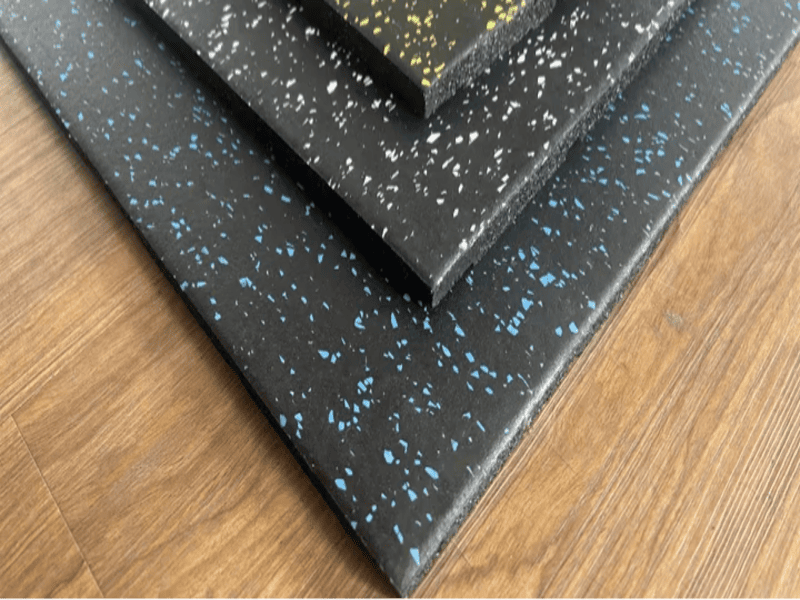
You can match rubber flooring with gym interior design by balancing your structural gym theme, the percentage of color flecks, and your wall colors using the 60-30-10 design rule. Selecting the right flooring format, surface gloss level, and spatial zoning ensures your floor looks good and works well.
Modern gyms are changing fast from dark and boring spaces into lifestyle areas where looks drive brand identity and customer retention. Many gym owners choose rubber floors only for their high durability, but they often find that the final look is too dark or ugly. This guide shows you a step-by-step way to mix industrial-grade rubber performance with high-level interior design choices so your facility looks completely unified.
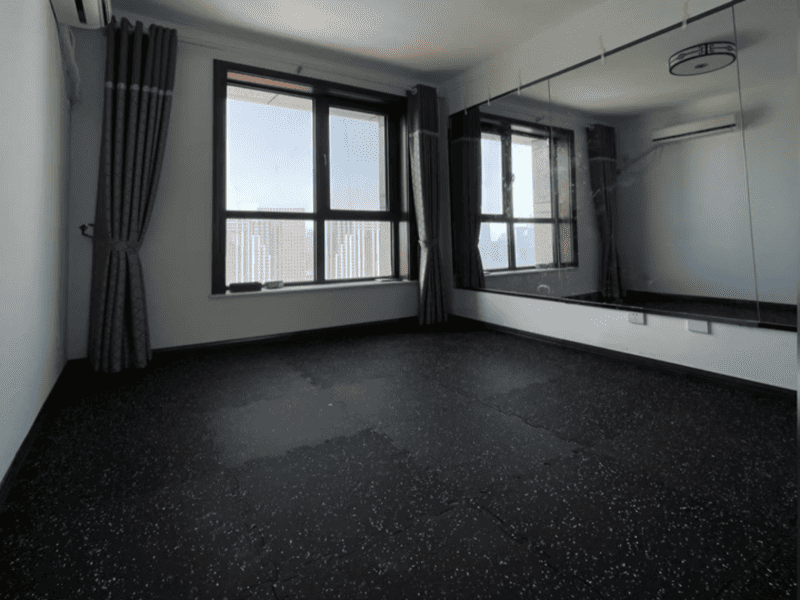
You must plan your flooring choices before you buy any materials, and the first step is to know the exact look you want for your space.
Can You Identify Your Core Gym Design Aesthetic?
You must identify your core gym design aesthetic because your floor acts as the visual base for all your fitness equipment and walls. Choosing a specific theme like minimalist, industrial, or biophilic helps you pick the right rubber color, tile format, and thickness to create a unified look.
| Gym Design Aesthetic | Recommended Flooring Type | Common Color Schemes | Best Application |
|---|---|---|---|
| Minimalist / Luxury Wellness | Smooth, Solid Matte Mats | Light Gray, Beige, Pure Black | Yoga, Pilates, Personal Training |
| Urban Industrial / Performance Lab | High-Fleck Thick Tiles | Dark Gray with Blue or Red Flecks | CrossFit, Powerlifting Zones |
| Corporate / Commercial Classic | Seamless Rubber Rolls | Grey Base with 10% Grey/White Flecks | Hotel Gyms, Condos, General Fitness |
| Biophilic / Nature-Inspired | Eco-Friendly Warm Tone Rolls | Earthy Browns, Tans, Forest Greens | Holistic Health Clubs, Wellness Centers |
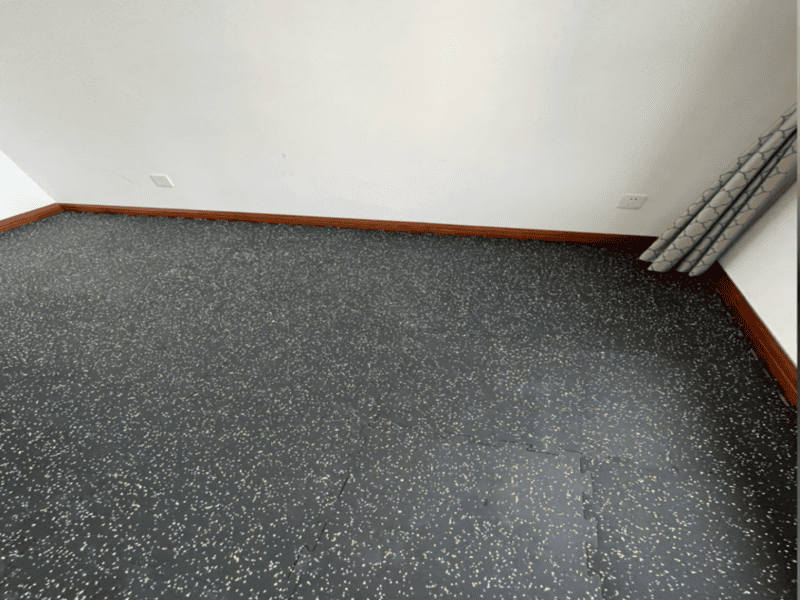
| Space-Optimized Home Gym | Interlocking Modular Tiles | Black Base with 10% Color Flecks | Garage Gyms, Spare Bedrooms |
Evaluating Technical Specifications for High-End Wellness Spaces
When I work with high-end luxury studios, design engineering is very important. Minimalist spaces need a clean look, so I often suggest 8mm to 10mm thick seamless rubber rolls with a high density of around $1050\text{ kg/m}^3$ to support equipment without showing ugly seams or deep dents.
Matching Heavy Performance Labs with Industrial Materials
For performance labs and CrossFit boxes, the design needs to look tough and handle heavy drops. Here, I use 20mm to 25mm thick vulcanized rubber tiles that have a high tuft bind and impact rating to protect the concrete beneath while matching raw elements like exposed brick walls and bright neon signs.
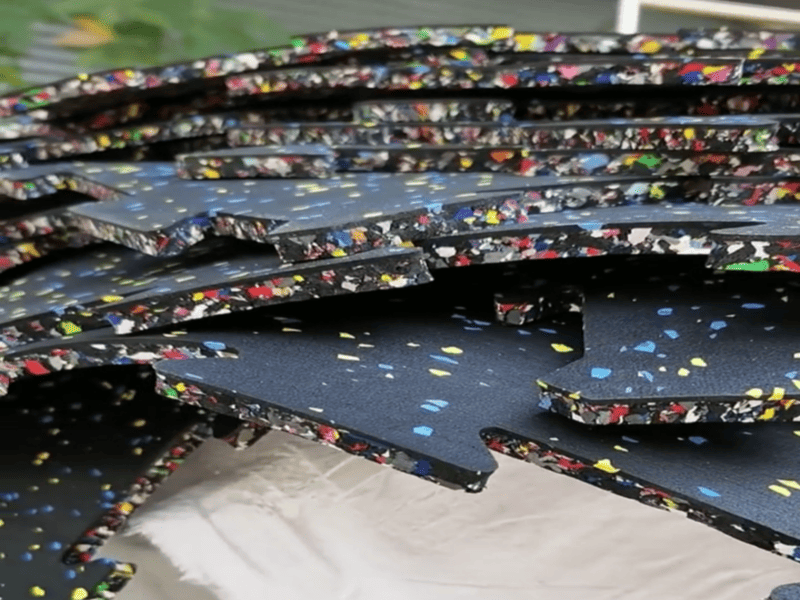
Once you know your overall gym style, you need to understand the physical traits of the rubber material itself.
How Does the Anatomy of Rubber Flooring Impact Visuals?
The anatomy of rubber flooring impacts visuals through its texture, format, and color flecks, which change how the floor reflects light and hides dirt. Choosing between rubber rolls, interlocking tiles, or straight-edge mats determines if your gym floor looks completely seamless or functionally divided into sections.
| Flooring Format | Aesthetic Impact | Best Visual Use | Maintenance Note |
|---|---|---|---|
| Seamless Rolls | Sleek, uninterrupted surface | Large commercial fitness floors | Requires professional glue down |
| Interlocking Tiles | Puzzle-like, modular look | Small gyms or temporary spaces | Easy to swap but seams might show |
| Straight-Edge Mats | Bold, geometric borders | Heavy lifting platforms | Heavy mats that stay flat by weight |
The Visual Role of Color Fleck Percentages
As a project specialist, I always tell clients that pure black rubber shows every single footprint, piece of dust, and chalk mark. Using a 10% to 20% EPDM color fleck density creates a texture that hides dirt and masks installation seams perfectly, which keeps the gym looking clean all day.
Controlling Light Reflection with Surface Finishes
The surface finish of your rubber floor changes how your overhead lights reflect off the ground. A matte finish absorbs harsh light and prevents bad glares, while a satin or glossy finish can make your ceiling lights reflect too much, which distracts members during their workouts.
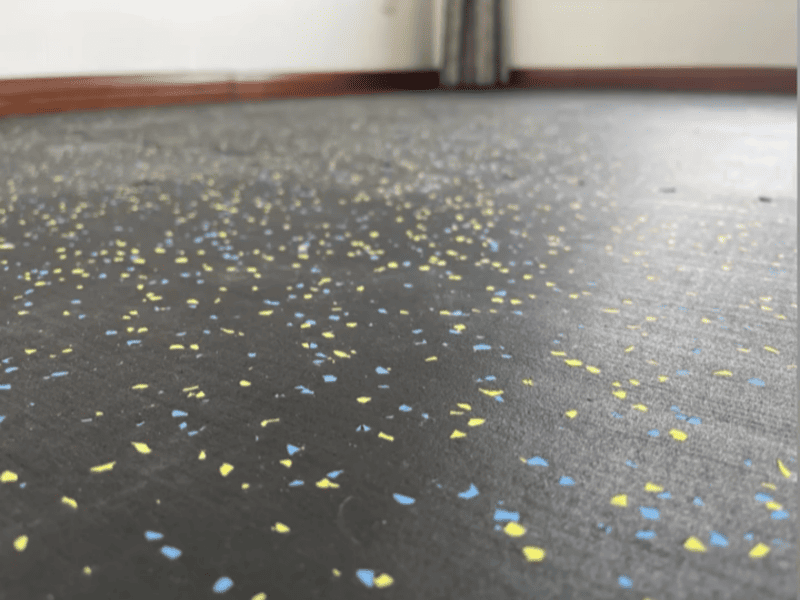
After picking your material format, you must apply color rules to tie the entire room together.
Can You Apply Color Theory Rules to Your Gym Floor?
You can apply color theory rules to your gym floor by using the 60-30-10 design system, where your floor serves as the 30% secondary color block. Choosing between cool or warm color flecks allows you to change the mood, energy levels, and brand style of your fitness space.
| Color Element | Design Percentage | Purpose in Gym Space | Visual Example |
|---|---|---|---|
| Primary Wall Color | 60% | Sets the main background tone | Bright white or raw gray concrete walls |
| Rubber Flooring Base | 30% | Anchors the room and grounds equipment | Dark gray or black rubber with flecks |
| Accent Equipment / Lights | 10% | Creates focus and brand energy | Bright red racks, green turf, neon signs |
Using Cool Tones to Boost Workout Energy
Cool tones like blue, gray, or white flecks mixed into a black rubber base create a clean, high-energy environment. These colors work great in cardio areas and functional training spaces because they help human eyes focus and make the room feel cool and fresh.
Building Warmth and Hospitality with Earth Tones
Warm tones like tan, red, or sand flecks bring a sense of comfort and hospitality to a gym. I often use these color combinations in hotel fitness rooms or residential home gyms because they match natural wood materials and make the space feel less industrial.
Color helps set the mood, but you can also use your flooring choices to organize the physical room layout.
How Do You Use Strategic Spatial Zoning in Gym Layouts?
You use strategic spatial zoning in gym layouts by placing different flooring colors, textures, or materials next to each other to mark separate workout areas without building walls. This system guides member foot traffic and separates heavy lifting zones from functional cardio spaces safely.
| Gym Zone | Recommended Material | Visual Contrast Goal | Technical Detail |
|---|---|---|---|
| Heavy Weight Area | 20mm Black Rubber Tiles | Dark, solid, and protective | High density for sound dampening |
| Functional Agility Area | Green or Blue Sled Turf | Bright, long line for movement | Polyethylene yarn over rubber base |
| Cardio Machine Zone | 8mm Flecked Rubber Rolls | Clean, uniform, and seamless | Glued down to prevent shifting |
Making Smooth Transitions Between Turf and Rubber
When you place indoor agility turf next to rubber flooring, you must ensure the heights match perfectly to prevent tripping hazards. Using a black turf or a turf color that matches the flecks in your rubber creates a beautiful, professional line that looks organized and intentional.
Creating Clear Boundaries with Colored Borders
Instead of putting up walls that block natural light, you can use colored rubber borders to show where a zone ends. For example, framing a power rack area with a solid gray rubber border against a black main floor tells members where it is safe to walk.
The way your flooring colors look also depends heavily on the type of lights you install above them.
Can Gym Lighting Change the Look of Your Rubber Floor?
Yes, gym lighting can change the look of your rubber floor because dark rubber absorbs a lot of light, which can make a room look smaller if you do not use the right light fixtures. Using high-CRI lights and linear LED strips helps show true flooring colors and highlights clean seams.
| Lighting Type | Impact on Rubber Flooring | Design Recommendation |
|---|---|---|
| High CRI LEDs (90+) | Shows true fleck colors without looking muddy | Use for premium commercial spaces |
| Low CRI Lights | Makes colors look yellow, green, or distorted | Avoid in areas with custom brand colors |
| Linear LED Strips | Highlights long, clean seams and adds modern look | Install parallel to rubber roll directions |
| Natural Sunlight | Brightens dark floors but can cause UV fading | Use UV-stabilized rubber materials |
Overcoming Light Absorption in Dark Spaces
Dark rubber floors absorb light quickly, which can make your ceiling feel low and heavy. To fix this design problem, I balance dark floors with bright white walls or use upward-facing light fixtures that bounce light off the ceiling to open up the room.
Highlighting Seams with Modern Linear Layouts
Modern linear LED lights can be placed directly above the long seams of rubber flooring rolls. This placement guides the eyes down the length of the fitness center, which makes narrow spaces look much larger and cleaner than they actually are.
To get the best results for your project, you must also solve common real-world usage problems.
How Do You Solve Common Rubber Flooring Design Challenges?
You can solve common rubber flooring design challenges by choosing low-VOC polyurethane-bonded materials to stop bad odors, using flecked patterns to hide dusty footprints, and hiring professional installers to make seams disappear.
Eliminating the Strong Chemical Rubber Smell
A strong chemical odor can instantly ruin a beautiful luxury gym design. To avoid this problem, I always advise buying premium virgin rubber or low-VOC polyurethane-bonded mats because they do not release gasses or smell bad inside enclosed spaces.
Keeping Your Floor Free from Dust and Footprints
Pure black rubber acts like a chalkboard for white dust, gym chalk, and dry footprints. If you want a clean look with minimal cleaning time, choose a floor with at least a 15% color fleck because the pattern breaks up the visual surface and hides daily mess.
Achieving a Perfectly Flawless Seamless Installation
If you see gaps or uneven edges between your tiles, your gym design will look cheap. To get a smooth, flat surface, you must prepare the concrete subfloor so it is completely level, use straight-edge rolls, and apply professional flooring adhesive correctly during installation.
Conclusion
A beautiful gym design happens when you treat your rubber flooring as the visual foundation of the room instead of an afterthought. Balancing your colors, lighting, and material formats will give you a stunning fitness space that performs perfectly.
If you need help choosing the right color fleck percentage, calculating material thickness, or getting custom swatches for your next commercial project, send me a private message today!