


Why Does LVT Pattern Repeat Matter in Large Commercial Spaces
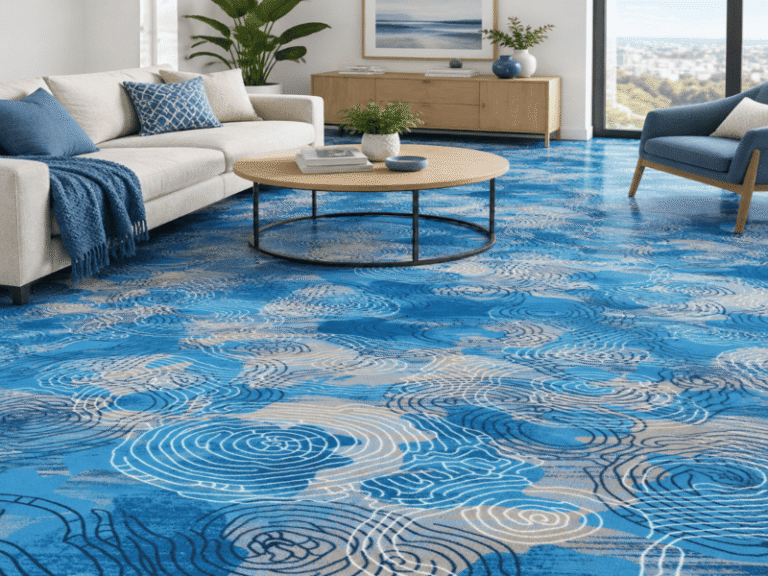
Pattern repeat matters because large spaces show many planks at once, so repeated visuals are easy to spot. More unique plank designs help LVT patterned vinyl flooring look more natural and support the look of your...
How Should Touring Vinyl Dance Floors Be Marked for Setup
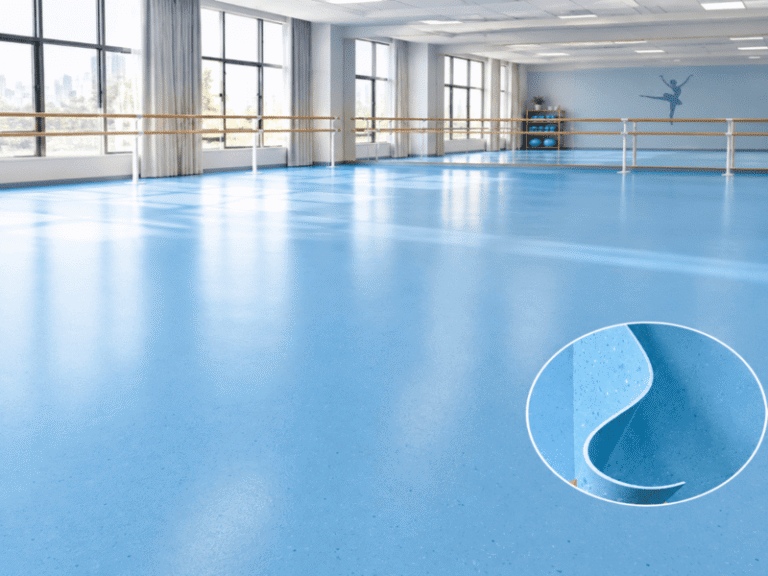
Give each roll a unique panel ID and a clear orientation reference. Place permanent labels on the core or packaging, test any marker on an offcut first, and follow the manufacturer’s rules for your floor. I...
What Is the True Gross Margin on a Commercial Vinyl Flooring Project
Gross margin is net sales minus the direct cost of goods or services sold, divided by net sales. Which costs count depends on your contract scope and accounting policy. In my supply-and-install example below, it comes...
Which PVC Flooring Leads Are Most Likely to Convert
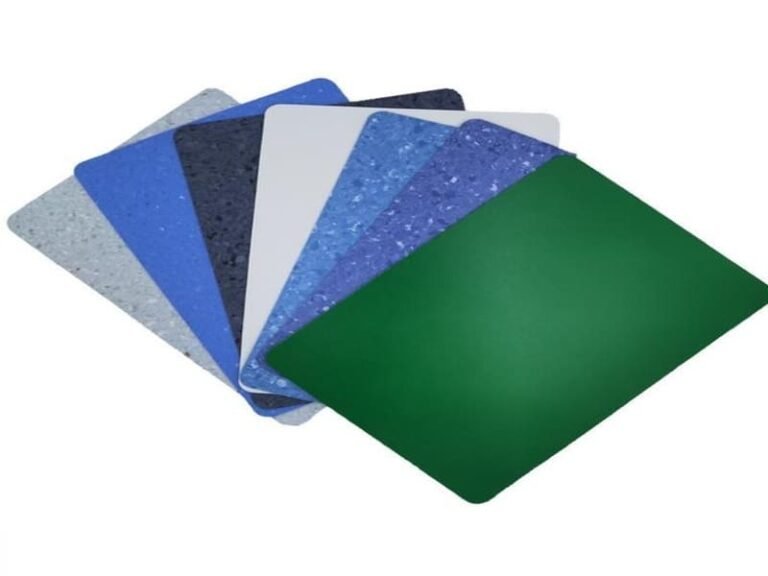
The PVC flooring leads most likely to convert are repeat buyers and buyers with a confirmed project. They share quantity, specifications, destination, and a target delivery date. Residential or price-only inquiries usually convert least. I have...
hy Does Vinyl Flooring Need Movement Space Beside Curtain Walls
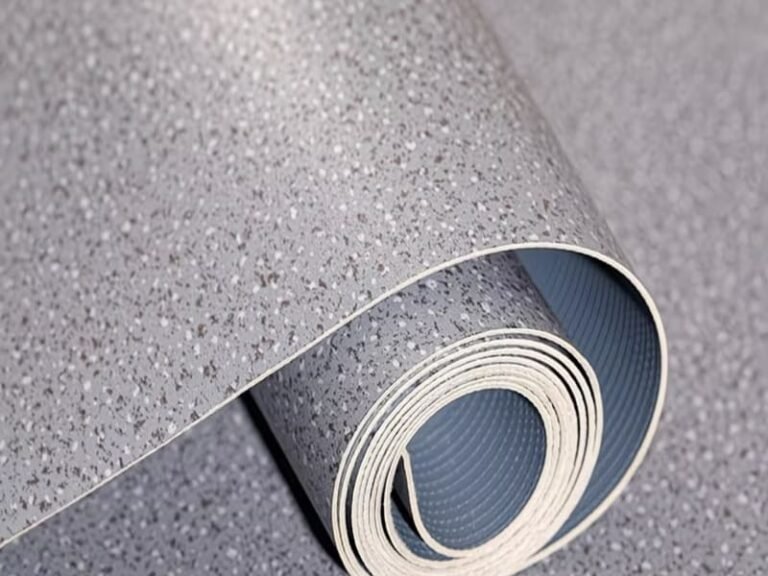
Floating click-lock LVT and SPC usually need a perimeter movement gap beside curtain walls. Heat and building movement make these floors expand and shift. Glue-down LVT works differently. Always follow the manufacturer’s installation guide for the...
Should PVC Sheet Flooring Cover Concrete Saw-Cut Joints
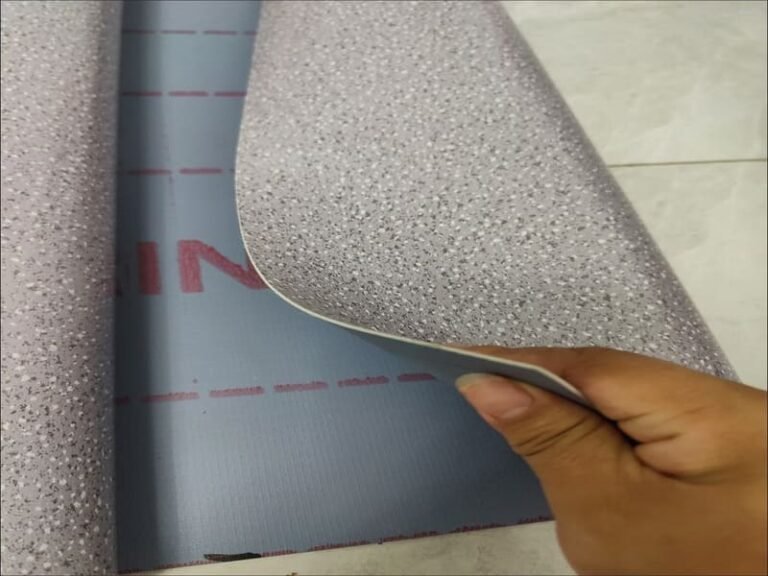
Not over an open or untreated joint. A stable, non-moving saw-cut control joint can usually be filled and smoothed, and then PVC sheet can cover it. A moving joint must never be bridged. Stop the flooring...

Which Underfloor Heating Temperatures Are Safe for Vinyl Flooring
Many vinyl flooring systems list 81°F (27°C) as the maximum surface temperature, but the limit varies by manufacturer. Always follow the product’s UFH instructions, start at 65–68°F (18–20°C), and raise the heat slowly. I work in...
Will Vinyl Flooring Support Future Modular-Wall Changes
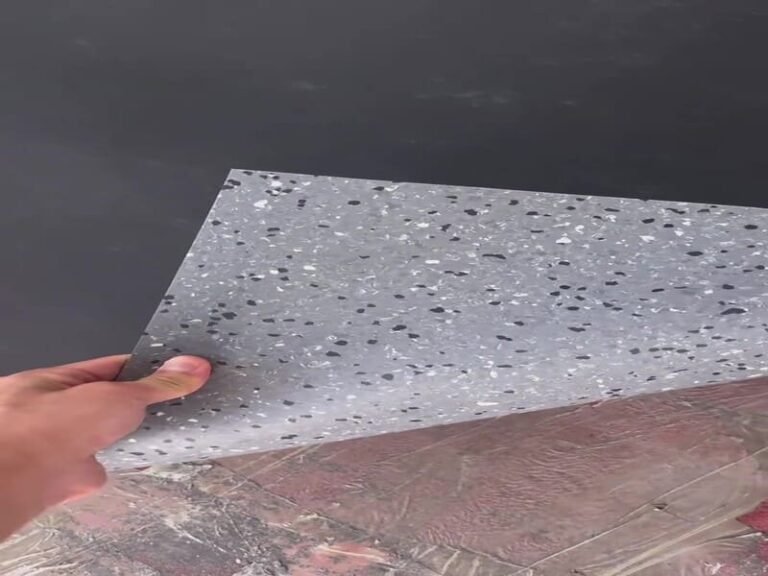
Yes, vinyl flooring can support future modular-wall changes. The result depends on the vinyl type (floating LVP or glue-down), the wall mounting method, and whether the wall restricts floor movement. I work on custom and bulk...
Which Seam Layout Works Best Around Structural Columns
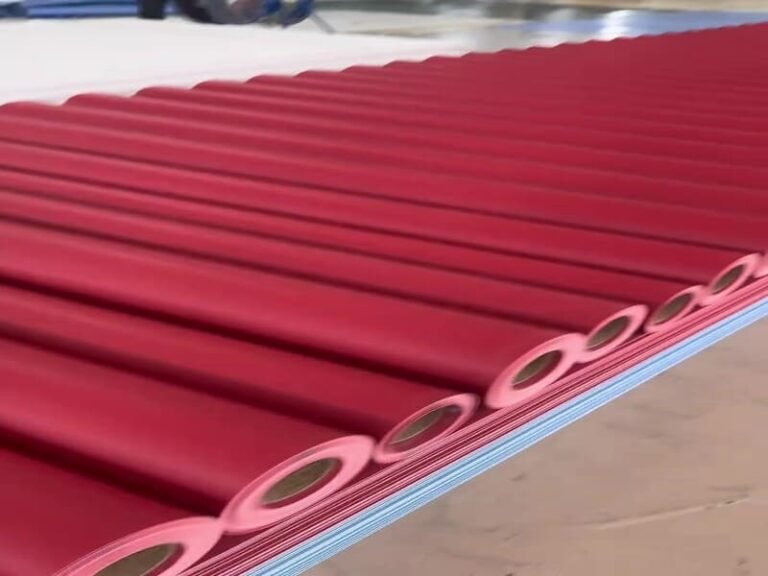
No single layout is best for every column. The best layout keeps seams away from the column, uses few relief cuts, avoids turning and heavy-traffic zones, and follows the manufacturer’s approved fitting and welding method. Columns...
Does PVC Adhesive Bond Reliably to the Selected Leveling Compound
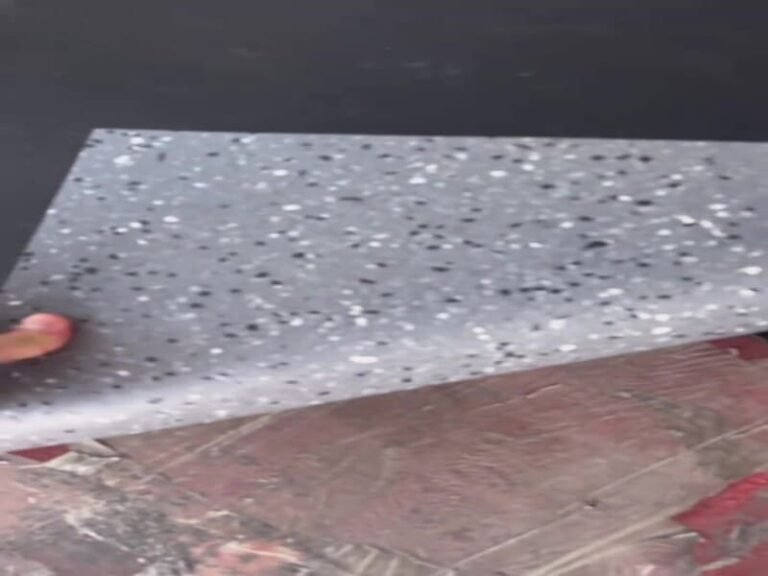
Yes, if the leveling compound, primer, adhesive, and flooring work as one system approved by their manufacturers. Confirm this with the technical data sheets (TDS) and a jobsite trial, not by compound type alone. I work...
Fitness and sports flooring specialists
We are experts in fitness and sports flooring. If you would like to get a free sample and quote, please contact us now.