


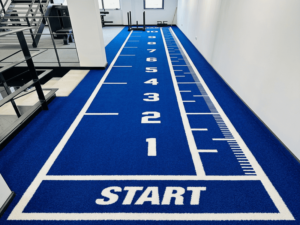
What Subfloor Flatness Tolerance Does Gym Turf Really Need
Gym turf requires a subfloor flatness tolerance of 1/8 inch over a 10-foot radius (3mm...
Apr
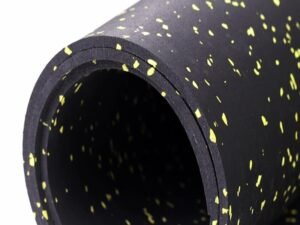
Best Rubber Flooring Installation Method: Glue, Tape, or Loose Lay
The best rubber flooring installation method depends on your space: Glue-down is the best for...
Apr
How Do You Prevent Static Electricity on Gym Turf
To prevent static electricity on gym turf, you must increase environmental humidity to 40-60%, apply...
Apr
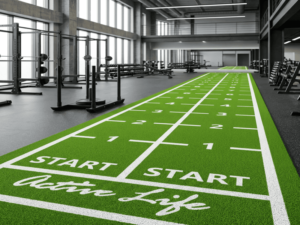
What Do Face Weight, Dtex, Gauge, and Stitch Rate Mean
Face weight, Dtex, gauge, and stitch rate are the four core technical metrics that define...
Apr
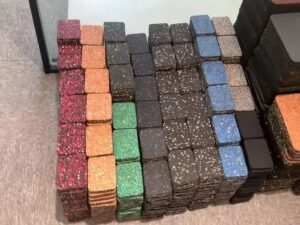
Can You Install Rubber Flooring Over Tile or Vinyl Without Failure
Yes, you can install rubber flooring over existing tile or vinyl without failure, provided the...
Apr
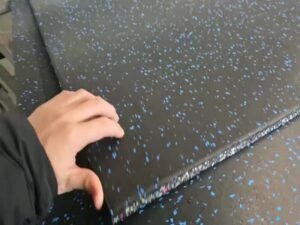
What VOC and Emission Certifications Matter for Rubber Flooring
FloorScore, GREENGUARD Gold, and Eurofins Indoor Air Comfort are the essential certifications for rubber flooring....
Apr
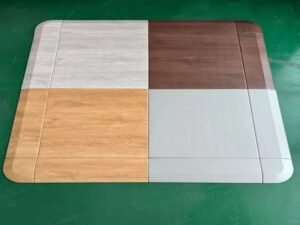
How Do You Repair Compression Dents Under Heavy Gym Equipment
You can repair compression dents in rubber flooring by applying indirect heat and moisture to...
Apr
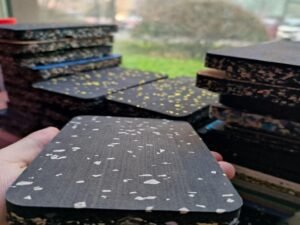
What Is the Best Rubber Flooring for Basement Home Gyms
The best rubber flooring for basement home gyms is 8mm interlocking vulcanized rubber tiles. This...
Apr
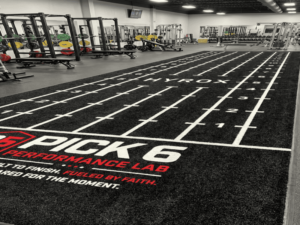
Can Gym Turf Grow Mold or Mildew in Shady Areas
Yes, gym turf can grow mold or mildew in shady areas, but the turf fibers...
Apr
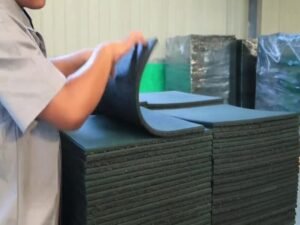
What Is the Best Adhesive for Rubber Gym Flooring
The best adhesive for rubber gym flooring is a high-quality one-part urethane glue. It provides...
Apr