


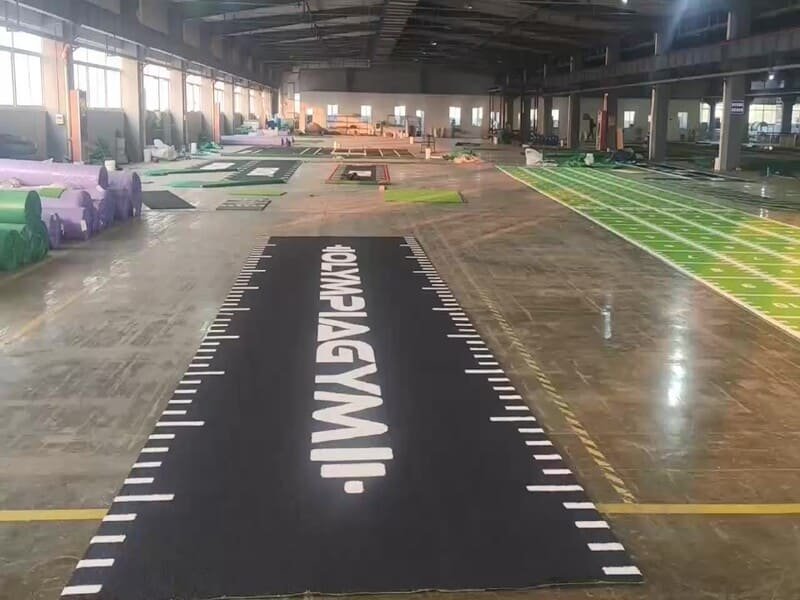
To choose turf for Rowing Erg and SkiErg zones, select a short pile height (10-15mm), high-density polyethylene (PE) or nylon blend, and polyurethane (PU) backing. This prevents machine sliding, fiber crushing, and sweat odor, ensuring a stable, durable, and clean cardio workout area.
As a custom gym turf project specialist, I see many facility owners struggle with their cardio zones. Rowing Ergs and SkiErgs are staples in modern fitness facilities. Placing them on the wrong surface ruins both the equipment and the floor. Standard rubber tiles often feel too rigid. They lack aesthetic appeal. Cheap turf causes machines to slide. It also creates tripping hazards. You need a surface that handles high friction and heavy use. We design custom turf solutions to solve these exact issues. By focusing on manufacturing specs like stitch rate and material composition, we optimize the floor for heavy-duty fitness equipment. My engineering background shows that the right synthetic turf improves machine stability and user safety. This guide breaks down the exact manufacturing specifications you need. I will explain how these materials work in real-world gym setups.
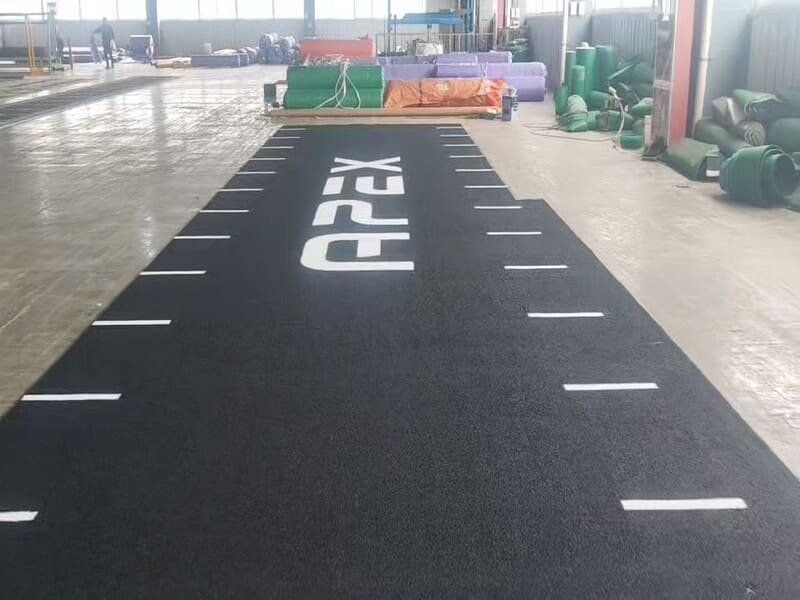
Let’s look at the unique flooring demands of these cardio machines.
What Are the Unique Flooring Demands of Cardio Ergometers?
Cardio ergometers require high grip and impact resistance. Rowers generate backward force, while SkiErgs create downward impact.
| Machine Type | Primary Force | Required Turf Feature |
|---|---|---|
| Rowing Erg | Horizontal (Pushing back) | High density, high friction |
| SkiErg | Vertical (Pulling down) | Firm base, excellent foot grip |
Understanding Ergometer Forces
The Rowing Erg requires users to push aggressively through their legs. This action creates a strong backward force. If the turf lacks grip or density, the machine slowly walks backward during intense sprints. I have seen this happen in many commercial gyms. We solve this by adjusting the manufacturing stitch rate to increase surface friction.
Foot Grip and Stability
The SkiErg involves users aggressively driving downward. The machine itself needs a stable base. More importantly, the user’s feet require extreme grip. This prevents slipping during the downward pull. Using proper PE or Nylon materials ensures safety.
| Demand | Engineering Solution | User Benefit |
|---|---|---|
| Slide Prevention | 60,000+ stitches/sqm | No machine walking |
| Impact Absorption | 10-15mm pile height | Flat, stable base |
Stop reading now if you do not care about equipment safety. Do not continue if you want to keep buying cheap materials.
What Happens When You Buy the Wrong Turf?
Buying the wrong turf leads to machine sliding, matted fibers, foul odors, and static shocks. These issues disrupt workouts and create severe hygiene problems.
| Pain Point | Cause | Result |
|---|---|---|
| Sliding Machine | Low friction, cheap fibers | Constant readjustment |
| Sweat Trap | No drainage, latex backing | Bad odors, bacteria |
The Sliding Machine Syndrome
It is frustrating to readjust the Rower every five minutes. This happens because it slides on slick, low-friction turf fibers. Cheap turf gets permanently flattened under the weight of the ergometer feet. It looks old and worn out within months. We advise clients to avoid long-pile options for this reason.
Hygiene and Odor Control
Cardio zones see the most sweat. Turf without proper moisture-resistant backing traps sweat. This leads to terrible odors and bacterial growth. Also, high friction from rowing on low-quality materials causes annoying static shocks. We upgrade backing materials to fix these hygiene and safety issues.
| Turf Failure | Manufacturing Defect | Better Alternative |
|---|---|---|
| Flattened fibers | Low density PP material | High-density Nylon blend |
| Static shocks | Poor synthetic mix | Anti-static PE fibers |
You should stop reading here if you ignore hygiene issues. Do not continue if bad odors are acceptable to you.
What Are the 4 Key Specifications for Erg Zone Turf?
The four key specifications are a short pile height, PE or Nylon material, high stitch rate, and PU backing. These ensure stability and hygiene.
| Specification | Ideal Range/Type | Main Purpose |
|---|---|---|
| Pile Height | 10mm – 15mm | Prevents wobble |
| Material | PE or Nylon blend | Crush resistance |
Optimal Pile Height and Material
Keep the pile height between 10mm and 15mm. A shorter pile mimics a putting green. It provides a flat surface that prevents machine feet from sinking unevenly. I recommend High-density Polyethylene (PE) or Nylon blends. PE is softer on the skin and highly durable. Nylon is the best for crush resistance. It ensures heavy machines will not leave permanent indentations. Avoid cheap Polypropylene (PP).
Density and Backing System
You need a high stitch rate, like 60,000+ stitches/sqm. Denser turf locks the machines in place. You do not need floor anchors. Use a Polyurethane (PU) backing instead of standard Latex. PU backing does not absorb moisture. It is 100% resistant to sweat odors. It holds fibers securely and prevents shedding.
| Spec | Our Recommendation | Technical Benefit |
|---|---|---|
| Density | 60,000+ stitches/sqm | High surface friction |
| Backing | Polyurethane (PU) | 100% moisture resistant |
Stop reading this guide if you refuse to upgrade your floors. Do not continue if you ignore manufacturing specifications.
Should You Use a Shock Pad Underneath?
Yes, use a 5-10mm shock pad for ground floors to add comfort. Use a 15mm+ pad for upper floors to absorb noise and vibrations.
| Floor Level | Pad Thickness | Primary Goal |
|---|---|---|
| Ground / Concrete | 5mm – 10mm | Comfort, stability |
| Upper Floors | 15mm+ | Vibration & noise reduction |
Ground Floor Installations
For ground floor or concrete setups, a thin shock pad of 5mm to 10mm is ideal. It adds comfort for users doing floor work nearby. It also keeps the machines completely stable. In my experience with gym build-outs, a thin pad prevents the turf from feeling too harsh over raw concrete.
Upper Floor Noise Control
For upper floors, a denser shock pad of 15mm or more is highly recommended. Ergometers spin flywheels and roll seats rapidly. This generates vibration and low-frequency noise. A thick shock pad absorbs this energy. This keeps neighbors or tenants below happy. We often consult on these structural choices to optimize gym designs.
| Floor Scenario | Engineering Requirement | Impact on Equipment |
|---|---|---|
| Concrete Base | Basic impact absorption | Stable footing |
| 2nd Floor Gym | Acoustic dampening | Reduces machine vibration |
You must stop reading if you do not care about noise control. Do not continue if you ignore structural safety.
What Is the Cleaning Protocol for High-Sweat Turf Zones?
Clean daily with a vacuum and antibacterial spray. Cross-brush weekly with a stiff synthetic brush. Avoid heavy bleach-based cleaners.
| Frequency | Action | Purpose |
|---|---|---|
| Daily | Vacuum & spray wipe | Remove chalk & bacteria |
| Weekly | Cross-brushing | Keep fibers upright |
Daily Maintenance Routine
Daily cleaning is essential for high-sweat cardio zones. Vacuum every day to remove chalk dust and dirt. Wipe down the immediate machine area. Use an antibacterial, non-corrosive gym spray. Do not use heavy bleach-based cleaners. Bleach can discolor the synthetic fibers and degrade the PU backing over time.
Long-term Care
On a weekly or monthly basis, use a stiff-bristle synthetic brush. You must cross-brush the fibers. This action keeps them standing upright. It prevents the turf from matting under heavy foot traffic. As a manufacturer, I always tell clients that proper brushing extends the lifespan of their custom turf by years.
| Cleaning Tool | Recommended Type | Usage Warning |
|---|---|---|
| Gym Spray | Antibacterial, non-corrosive | Avoid bleach |
| Brush | Stiff synthetic bristle | Do not use metal |
Stop reading now if you refuse to clean your equipment. Do not continue if you want your turf to fail early.
Conclusion
Short-pile, high-density, PU-backed turf is the golden standard for Erg zones, ensuring stability, durability, and a hygienic workout environment.