


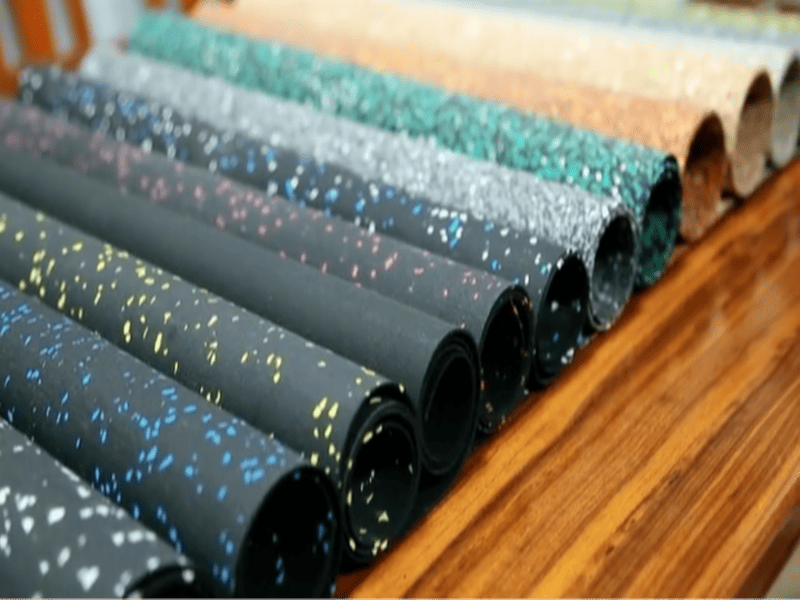
Rubber gym flooring should ideally have a Static Coefficient of Friction (SCOF) of 0.60 or higher for dry areas, as recommended by the ADA. Wet areas like locker rooms require a minimum Dynamic Coefficient of Friction (DCOF) of 0.42 to prevent slips.
In my years as a Quality Control Manager overseeing rubber flooring manufacturing, I’ve seen firsthand how crucial the right slip coefficient is. It is not just about passing a safety audit; it is about protecting gym-goers from serious injuries. Flooring that is too slippery turns into a high-liability zone, leading to costly lawsuits. But there is a catch that many facility designers miss: flooring with excessive grip can be equally dangerous. If the floor is too grippy, athletes can easily catch their shoes during lateral movements or pivots, resulting in severe ankle and knee sprains. Finding the perfect balance between slip resistance and lateral freedom requires engineering insight. When we formulate our vulcanized rubber products, we carefully adjust the surface texture and material composition to hit the sweet spot. A gym environment demands a dynamic approach to material selection, factoring in heavy weights, fast-paced cardio, and constant sweat. I always advise facility managers to prioritize functional grip over aesthetics to ensure long-term safety and performance.
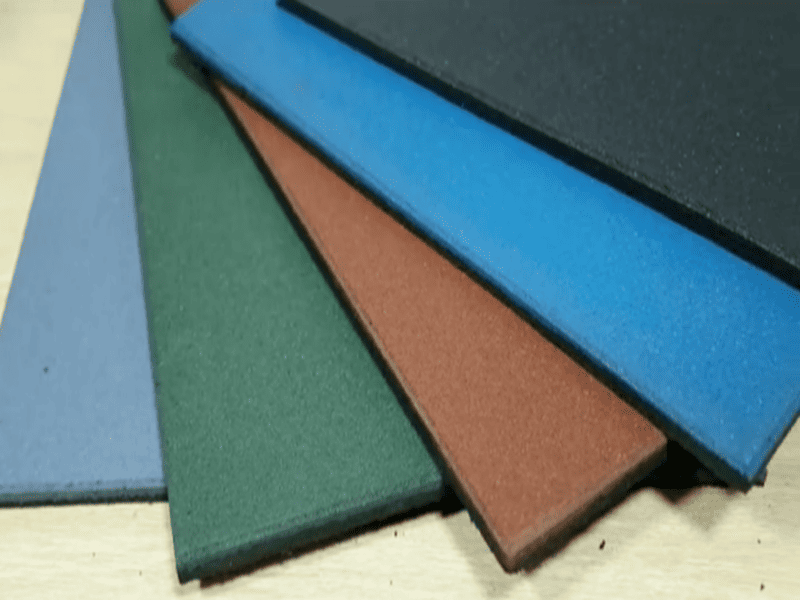
Let us dive into the science of friction to understand how these measurements actually work in a gym setting.
What Does "Slip Coefficient" Mean for Rubber Gym Flooring?
The Coefficient of Friction (COF) measures the grip of a floor surface. Static COF measures the force to start sliding, while Dynamic COF measures the force to keep sliding.
| Metric | Definition | Critical Gym Use Case |
|---|---|---|
| SCOF | Force to start movement | Standing lifts (Squats, Deadlifts) |
| DCOF | Force to maintain movement | Motion (Cardio, Agility training) |
The Physics of Grip in Gym Environments
Understanding the difference between SCOF and DCOF is fundamental to floor design. SCOF is your anchor. When a powerlifter loads up 400 pounds for a squat, their feet must remain absolutely planted. The static friction is the only thing preventing a catastrophic slip under extreme load. Our quality control tests specifically target SCOF for high-impact zones using vulcanized rubber with aggressive textures.
Wet vs. Dry Ratings
DCOF becomes the star metric when athletes are in motion, such as during high-intensity interval training (HIIT). But the environment changes everything. Sweat, humidity, and spilled water act as lubricants, drastically altering the friction math. A floor that feels perfectly secure dry can become hazardous when wet. This is why we engineer different surface pores. A smooth finish might have an excellent dry SCOF but fail completely under wet conditions. By controlling the curing process and surface molds during manufacturing, we can optimize the material to retain grip even when sweat is introduced, ensuring the safety factor remains intact regardless of the workout intensity.
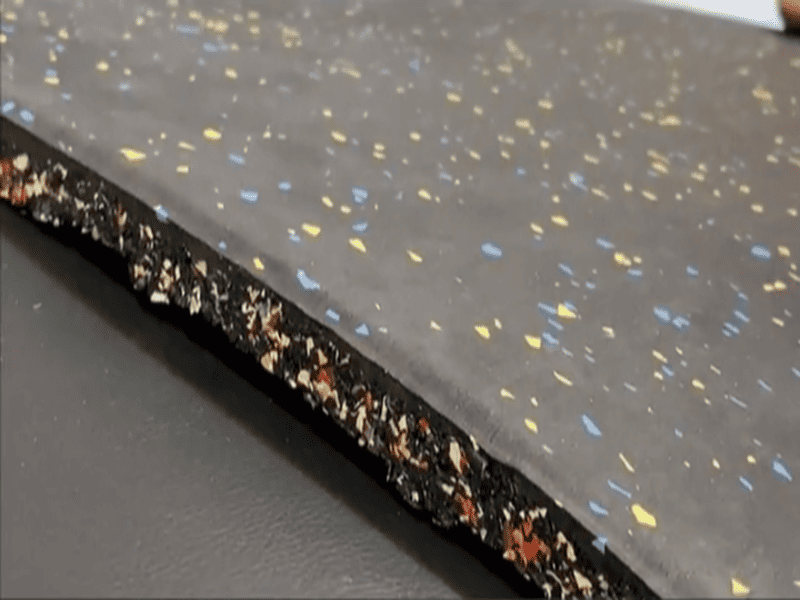
Knowing the physics is great, but you must align these numbers with established safety guidelines.
What Are the Industry Standards for Gym Floor Slip Resistance?
Several key regulatory bodies set the benchmark for floor safety. The ADA targets dry accessibility, ANSI focuses on wet conditions, and OSHA mandates overall workplace safety.
| Standard | Metric Target | Focus Area |
|---|---|---|
| ADA | 0.60 SCOF | Dry, flat surfaces |
| ANSI A326.3 | ≥ 0.42 DCOF | Wet hard-surface floors |
| OSHA | General Duty | Safe workplace compliance |
ADA Guidelines and Historical Context
The Americans with Disabilities Act (ADA) recommendation of a 0.60 SCOF has been the golden rule for decades. While originally intended for general accessibility, this metric has been adopted by the fitness industry as the baseline for safe standing areas. As a quality engineer, I ensure every batch of flat rubber rolls we produce exceeds this 0.60 threshold out of the factory.
ANSI and OSHA Compliance
Modern engineering standards, specifically ANSI A326.3, recognized that dry tests were not enough. Gyms deal with water bottles and heavy sweating. The ANSI standard mandates a minimum of 0.42 DCOF for wet surfaces. This is a non-negotiable metric for locker rooms and entryways. Furthermore, OSHA’s General Duty Clause requires facility owners to provide a workplace free from recognized hazards. Failing to meet these slip resistance standards exposes gym owners to severe legal liability. When consulting with gym architects, I use these standards to guide their material choices, moving them away from slick aesthetics towards compliant, textured rubber that genuinely mitigates risk.
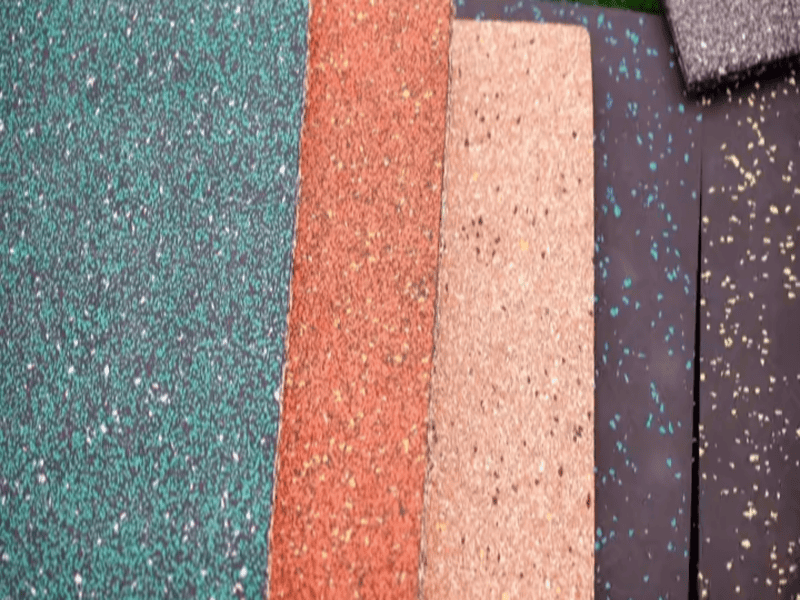
Applying these standards means recognizing that a gym is not a single, uniform environment.
How Do Slip Requirements Change Across Different Gym Zones?
Different workouts demand distinct friction profiles. Heavy lifting requires maximum static grip, while cardio needs balanced friction to prevent shoe catching.
| Gym Zone | Friction Need | Ideal Target |
|---|---|---|
| Powerlifting | Maximum grip | > 0.60 SCOF |
| Cardio & HIIT | Balanced friction | 0.50 – 0.60 SCOF |
| Locker Rooms | Extreme wet grip | > 0.42 DCOF (wet) |
Free Weight and Powerlifting Zones
In heavy lifting areas, the engineering priority is absolute stability. The athlete’s feet must not shift. We recommend highly textured, high-density vulcanized rubber that achieves a SCOF well above 0.60. The manufacturing process here involves specialized molds that create a porous, aggressive surface finish to lock shoes in place.
Cardio, Agility, and Yoga Areas
Cardio and HIIT zones are where design optimization becomes tricky. If you use the same aggressive texture from the lifting zone, athletes performing lateral shuffles or Zumba pivots will catch their shoes, leading to severe joint injuries. Here, we engineer a denser, smoother finish that maintains a safe SCOF of around 0.50 to 0.60, allowing for safe rotational movement. For yoga areas, the grip must be skin-friendly, providing comfort alongside traction. Locker rooms are a completely different challenge, requiring additives or raised patterns like coin-grip to ensure the DCOF remains above 0.42 even when completely saturated with water.
Even the best-engineered floor will fail if you ignore the environmental hazards that destroy traction.
What Are the Silent Killers of Rubber Flooring Grip?
Several common elements can ruin the friction of your gym floor. Magnesium carbonate, moisture, and incorrect cleaning chemicals turn rubber into a slip hazard.
| Hazard | Effect on Rubber | Prevention Method |
|---|---|---|
| Gym Chalk / Dust | Acts as micro-bearings | Daily vacuuming |
| Sweat / Water | Reduces surface friction | Climate control, wiping |
| Oil/Wax Cleaners | Leaves a slick residue | Use pH-neutral degreasers |
The Impact of Chalk and Dust
Gym chalk (magnesium carbonate) is an engineer’s worst nightmare for floor safety. While it helps hands grip bars, fine chalk dust acts like microscopic ball bearings on rubber floors. It fills the micro-pores of the rubber surface, completely negating the engineered texture and turning the floor into an ice rink. Regular maintenance is not just about cleanliness; it is a critical safety requirement.
Chemical Damage from Wrong Cleaners
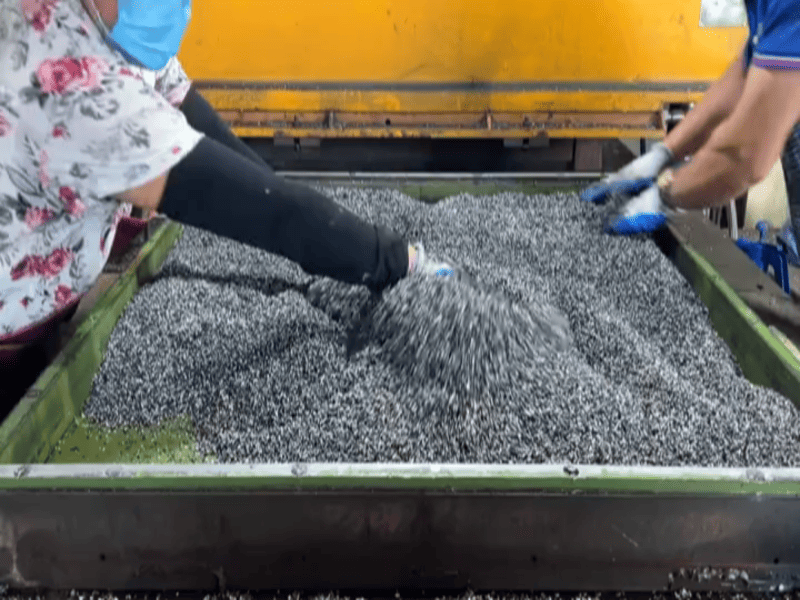
The most common mistake I see in commercial gyms is the use of incorrect cleaning agents. Mops soaked in oil-based cleaners, waxes, or harsh soaps leave an invisible residue. This residue builds up over weeks, filling the rubber’s traction profile. The inherent friction of the vulcanized rubber is destroyed. I always instruct facility managers to use pH-neutral degreasers specifically formulated for rubber. Furthermore, excessive water from heavy mopping degrades the material over time. Using damp mops rather than flooding the floor preserves both the structural integrity and the surface grip of the product.
To combat these issues, you must know how to verify your floor’s performance accurately.
How Can You Test and Choose the Right Rubber Gym Flooring?
Testing and selecting flooring involves both practical checks and verifying factory data. Format and surface finish heavily dictate the final slip resistance.
| Selection Factor | Consideration | Impact on Safety |
|---|---|---|
| Surface Finish | Smooth vs. Porous | Dictates static/dynamic grip |
| Format | Rolls vs. Tiles | Tiles may have trip hazards |
| Spec Sheets | Official COF data | Proves legal compliance |
Practical and Professional Testing
For a quick assessment, the DIY Sneaker Test allows home gym owners to feel the grip across different vectors before committing to a workout. However, commercial facilities require rigid quality control. We utilize professional tribometers, like the BOT-3000E, in our manufacturing plants to document precise COF numbers. Gym owners should demand these specific test sheets from manufacturers to guarantee compliance and protect themselves against insurance claims.
Selecting the Right Format and Texture
When advising on product selection, the choice between rolled rubber and interlocking tiles is vital. While tiles are easy to install, poorly manufactured interlocking edges can create micro-lips, introducing a tripping hazard that negates the slip resistance of the surface itself. Rolled rubber offers a seamless, safer profile for large areas. The surface finish—whether smooth, porous, coin-grip, or diamond-plate—must match the intended use. By leveraging my manufacturing background, I guide clients to avoid over-specifying aggressive textures where they aren’t needed, saving costs while optimizing athlete safety.
Choosing the right product is only step one; keeping it safe requires persistent effort.
How Do You Maintain Safe Gym Flooring Long-Term?
Maintaining optimal slip resistance requires a strict cleaning protocol. Daily upkeep, proper chemical selection, and moisture control are essential for long-term safety.
| Maintenance Task | Frequency | Objective |
|---|---|---|
| Vacuuming/Sweeping | Daily | Remove chalk and dust |
| Damp Mopping | Weekly | Remove sweat and grime |
| Deep Degreasing | Monthly | Strip invisible residues |
Daily Upkeep and Moisture Control
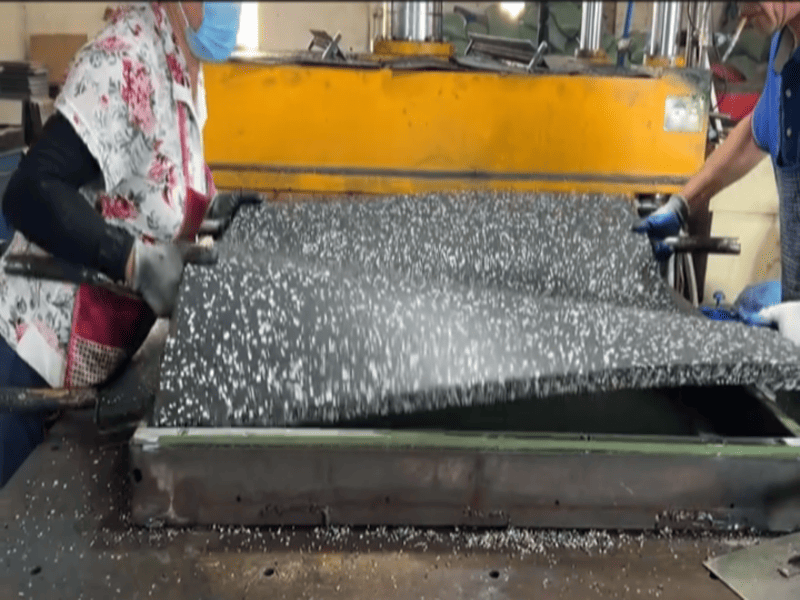
As a quality control expert, I know that even the most meticulously engineered floor will degrade without proper care. Daily sweeping and vacuuming are mandatory to remove the fine particulates and chalk that compromise the surface texture. When dealing with moisture, less is always more. I strongly advise against flooding the floor. Damp mopping is sufficient. Excessive water can seep into the seams of the rubber, causing swelling or adhesive failure, which compromises the level surface and creates new trip hazards.
The Right Chemical Protocol
The long-term safety of your investment relies on chemical discipline. You must strictly use pH-neutral degreasers. Avoid bleach, ammonia, or any wax-based floor restorers. These chemicals either break down the rubber binders or coat the floor in a slick film. By treating floor maintenance as an extension of the quality control process, gym owners can ensure their facility remains safe, compliant, and highly functional for years after the initial installation.
Let us summarize the core principles of gym floor safety.
Conclusion
Always aim for a 0.60 SCOF for dry gym zones and prioritize specific workout needs over visual aesthetics to ensure maximum safety, performance, and legal compliance.
My Role
I am a Quality Control Manager and Manufacturing Engineer specializing in custom and bulk rubber flooring solutions. With extensive experience in material science, design optimization, and production quality standards, I partner with facility designers to engineer safe, high-performance flooring environments tailored to precise athletic demands.
Ready to ensure your facility meets the highest safety standards? Message me today to optimize your gym flooring design and material selection!