


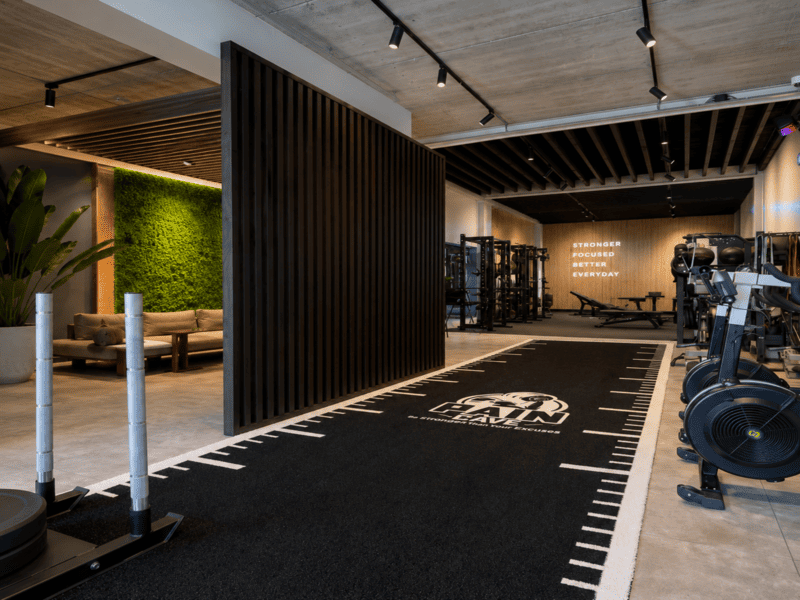
We control color tolerance in custom gym turf by utilizing 100% virgin polymers, running full orders in a single extrusion batch, and measuring variance with professional spectrophotometers to maintain a Delta E ($\Delta E$) color space rating under 1.0, ensuring perfect visual consistency.
A beautiful gym design can fail because of one simple mistake. Two rolls of custom gym turf are supposed to be the same color but look completely different when you lay them side by side. In synthetic turf manufacturing, this issue is called color tolerance or color variance. It is a major problem for B2B buyers, gym owners, and fitness brands. When you buy custom turf, you expect identical colors across your entire floor. However, raw material shifts and machine settings can cause unexpected color changes. I want to pull back the curtain on how commercial-grade gym turf factories control color consistency. I will explain exactly what causes these color variances and how you can protect your investment during the buying process.
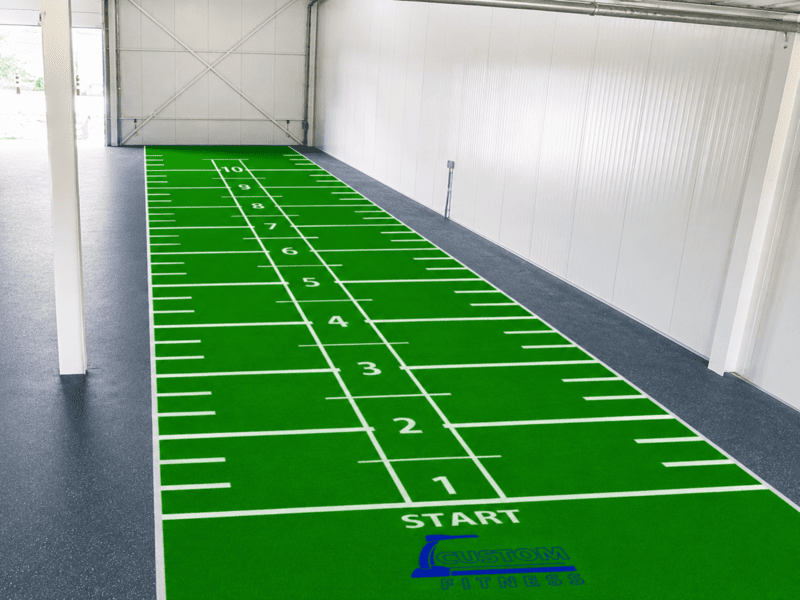
Let us look at why these color differences happen and how we stop them from ruining your facility design.
Why Color Consistency Matters in Commercial Gym Turf?
We maintain strict color consistency because mismatched turf dilutes your brand identity, shows high visual flaws under commercial lights, and causes costly project delays or replacement expenses.
| Aspect of Concern | Commercial Risk Impact | Technical Prevention Level |
|---|---|---|
| Brand Identity | High risk of mismatched logo and track colors | Strict Pantone matching |
| Visual Flaws | Amplified seams under fluorescent and LED lights | Single-batch yarn extrusion |
| Financial Loss | High return costs and project delivery delays | Pre-production sign-off |
Custom gym turf often features specific brand colors, custom logos, or functional zone markings like sled tracks. When colors do not match, your brand looks less professional to your clients. The visual impact is also a big issue. Commercial gyms use strong fluorescent or LED lights. These lights amplify even the smallest color variation along the turf seams. If you receive mismatched turf, the financial risks are high. Replacing the turf leads to long project delays, high return shipping costs, and angry disputes with contractors. I always tell my clients that preventing color variance during production is much cheaper than fixing a bad installation later.
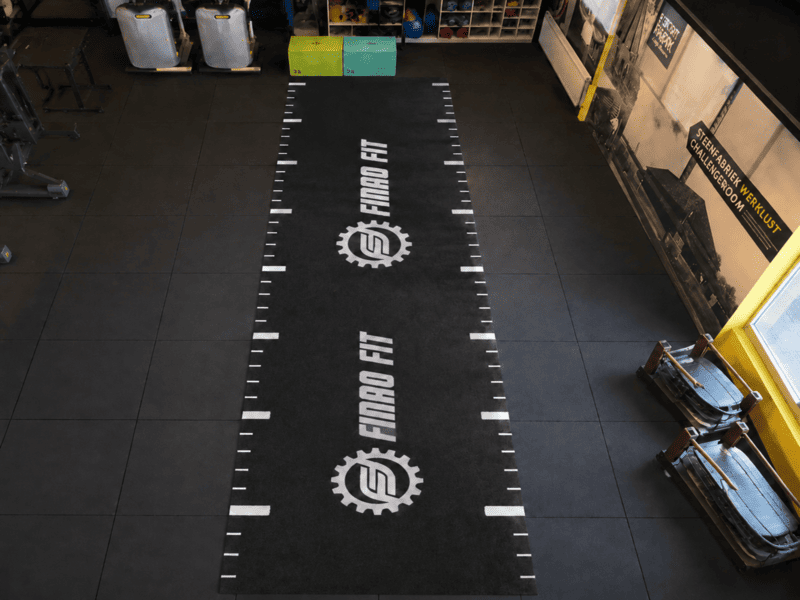
Knowing these risks helps us understand the technical reasons behind color shifting during manufacturing.
What Causes Color Variance in Gym Turf Production?
Color variance happens due to raw material batch differences, changing extrusion temperatures, differences in chemical UV stabilizers, and incorrect pile directions during installation.
| Production Factor | Root Cause of Color Shift | Engineering Solution |
|---|---|---|
| Masterbatch Mix | Variation in raw plastic pellet lots | Digital pigment weighing |
| Extrusion Process | Temperature and pressure fluctuations | Automated machine control |
| Chemical Additives | UV stabilizers shifting base shades | Standardized curing times |
Technical Analysis of Production Variables
To fix color variance, we must look at the technical process. First, there is batch-to-batch variation, which involves the masterbatch factor. We mix plastic pellets like polyethylene or polypropylene with color pigments. Slight variations in raw material lots alter the final shade. Second, extrusion process variables play a big role. Small changes in temperature, pressure, and cooling speeds during the yarn-spinning process change how the yarn reflects light. Third, chemical additives like UV stabilizers can subtly shift the base color during vulcanization or curing. Finally, there is a directional illusion. If your installation team lays the turf nap or pile in different directions, it creates an optical variance that looks like a color defect even when the yarn is identical.
We control these variables by using advanced factory testing and strict raw material rules.
How Do Manufacturers Control Color Tolerance Technically?
We control color tolerance by using 100% virgin polymers, implementing spectrophotometer testing to keep $\Delta E$ under 1.0, and manufacturing entire orders in single runs.
| Control Stage | Quality Assurance Process | Technical Target Metric |
|---|---|---|
| Material Choice | 100% virgin polymers, zero recycled content | Zero raw impurities |
| Color Measurement | Digital spectrophotometer analysis | Delta E ($\Delta E$) < 1.0 |
| Machine Schedule | Uninterrupted single-batch production runs | 100% yarn uniformity |
Technical Verification and Standards
Our manufacturing team follows a strict three-phase control plan. In phase one, we focus on raw material standardization. We use high-grade, virgin polymers instead of recycled plastics because recycled materials introduce unpredictable color impurities. We also use precise digital weighing for the masterbatch ratio. In phase two, we use scientific color measurement instead of the human eye. We use spectrophotometer testing to calculate the mathematical distance between color samples using the Delta E ($\Delta E$) standard. A $\Delta E$ score under 1.0 is imperceptible to the human eye, which is our factory standard. In phase three, we manage production schedules so that all yarn for your order comes from a single, uninterrupted extrusion run on the exact same machinery.
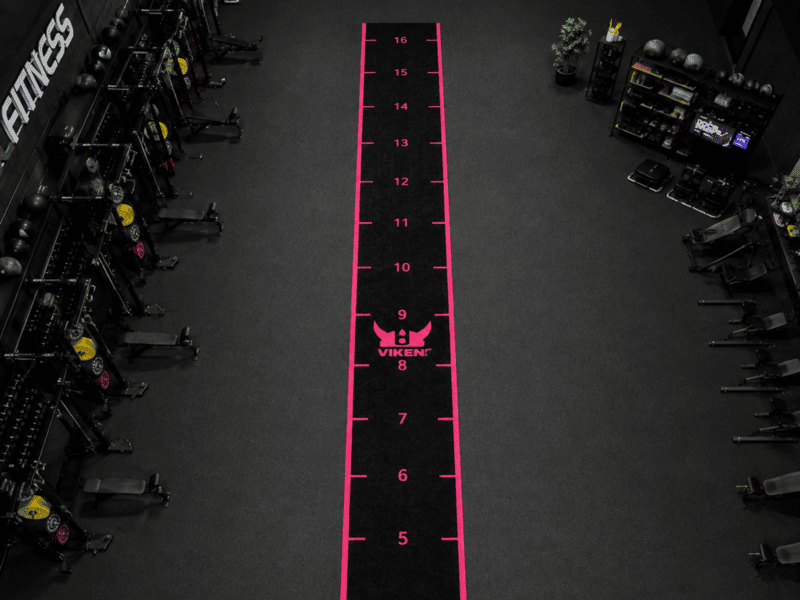
As a B2B buyer, you can use these technical standards to check your supplier before you pay.
What Questions Must B2B Buyers Ask Their Supplier?
Buyers must ask suppliers if they use single-batch extrusion, what their exact Delta E ($\Delta E$) standard is, and if they provide physical pre-production samples.
| Buyer Question | Technical Purpose | Safe Target Answer |
|---|---|---|
| Single-Batch Run? | Avoids mixing different yarn lots | "Yes, we run all yarn together." |
| Delta E Standard? | Sets the mathematical color limit | "We guarantee $\Delta E$ under 1.0." |
| Material Type? | Ensures no recycled plastic impurities | "We use 100% virgin polymer." |
Procurement Risk Management
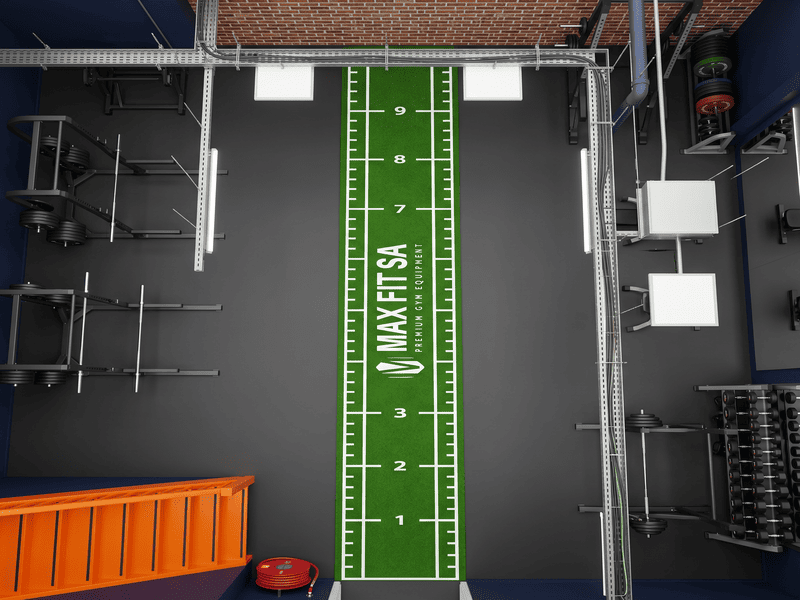
When you negotiate with a gym turf manufacturer, you must ask direct technical questions. First, ask them if they produce the yarn for your entire order in a single batch. If they say no, you will likely face color shading differences. Second, ask what their acceptable Delta E ($\Delta E$) color tolerance standard is for custom logos and sled tracks. Professional factories will give you a clear number under 1.0. Third, ask if they can provide a physical pre-production sample from the actual production lot for color sign-off. Finally, verify that they use 100% virgin raw materials for the yarn extrusion. These questions protect your business from low-quality suppliers who mix cheap materials into production.
Besides asking the right questions, you can follow specific buying steps to reduce your risks.
What Are the Best Practices to Minimize Color Risks?
To minimize color risks, you should consolidate separate orders, request physical masterbatch swatches for custom brand colors, and install all turf rolls in the same pile direction.
| Best Practice Step | Action Items for Buyers | Expected Safety Outcome |
|---|---|---|
| Consolidate Orders | Buy all turf for a facility at one time | Eliminates batch differences |
| Material Swatches | Sign off on physical masterbatch samples | Matches exact Pantone numbers |
| Correct Installation | Check pile direction lines during layout | Avoids artificial shadowing |
Project Design Optimization
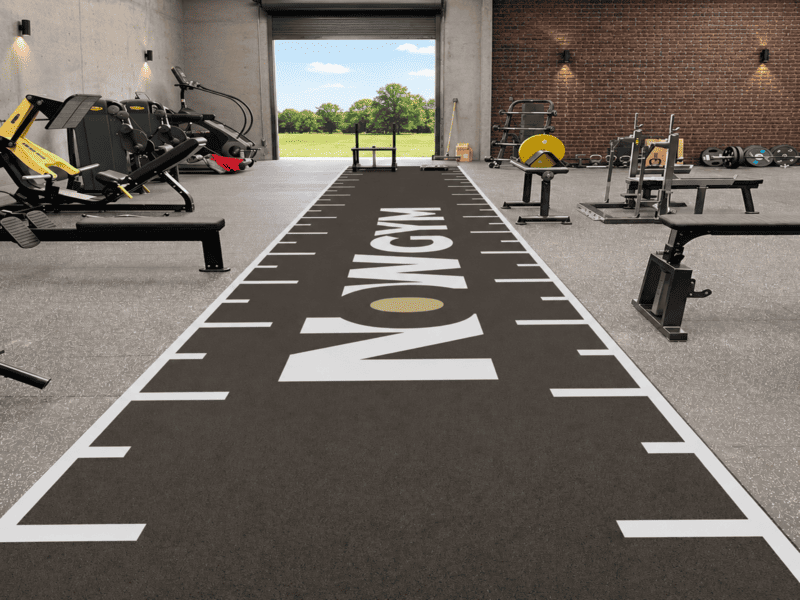
I always give my clients three practical rules to ensure a perfect installation. First, consolidate your orders. Do not order gym turf for the same facility in separate phases months apart because the raw material lots will change. Second, request masterbatch sample approvals. If you need a specific Pantone or RAL brand color, sign off on a physical swatch instead of a digital mockup on a computer screen. Third, understand installation logistics. You must ensure that your installation crew lays all turf rolls in the exact same pile direction. If they turn one roll around, the light will reflect differently and create artificial shadowing that looks like a mistake.
Let us summarize how to achieve a flawless, color-matched gym floor.
Conclusion
Color tolerance is a real manufacturing challenge, but we eliminate variance through single-batch extrusion, 100% virgin polymers, and digital spectrophotometer control.
If you are planning a custom gym project and need perfect color matching for your brand logos or sled tracks, send me a private message today to get a certified technical consultation and order your physical sample kit!