


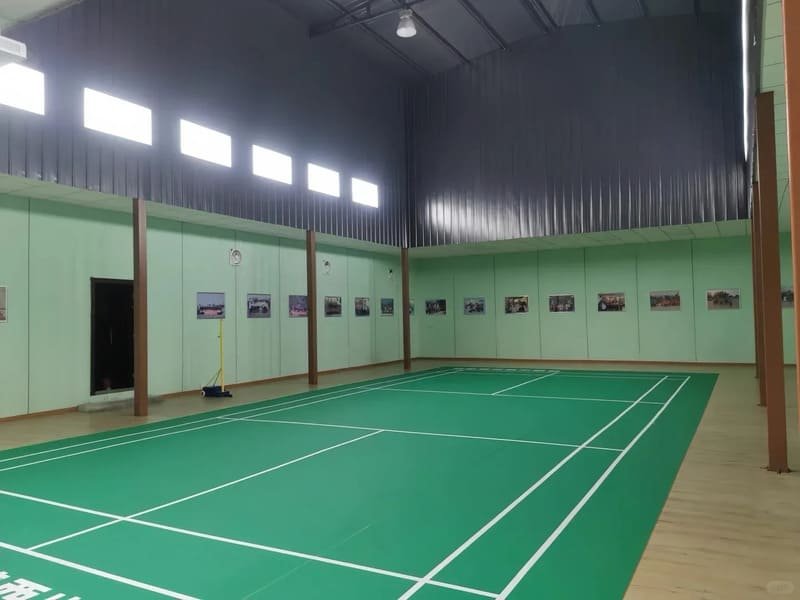
The difference lies in construction and performance: PVC sheet flooring is a flexible, synthetic material sold in large rolls that offers a completely seamless, 100% waterproof surface, whereas other floors use rigid planks, tiles, or natural materials that contain joints and absorb moisture.
When you manage large-scale building projects or design industrial products, choosing the right floor can be very hard. The market has too many choices like vinyl tiles, wood, ceramics, and linoleum. As a technical director, I see many buyers get confused by surface looks. You must look at the physical construction and engineering properties. PVC sheet floor is unique because it arrives as a massive, continuous sheet of polyvinyl chloride. This roll design changes how the material handles heavy loads, water exposure, and daily wear compared to rigid individual pieces. In this guide, I will break down the exact technical differences in cost, installation, and long-term durability so you can make a safe choice for your project.
Let us look deeper into the material science to understand why this specific structure works so well.
What Makes PVC Sheet Flooring Unique?
PVC sheet flooring stands out because it combines polyvinyl chloride resin, stabilizers, and a specialized wear layer into a single flexible roll that eliminates seams where water and dirt usually hide.
| Feature | Homogeneous PVC Sheet | Heterogeneous PVC Sheet |
|---|---|---|
| Structure | One solid layer from top to bottom | Multiple distinct layers bonded together |
| Design Variety | Simple, uniform patterns and solid colors | High-definition prints (wood, stone, abstract) |
| Wear Lifespan | Extremely long; can be sanded down to restore | Depends on the thickness of the top clear wear layer |
| Best Application | High-traffic healthcare and heavy industrial areas | Commercial offices, schools, and retail spaces |
Understanding the Material Engineering
To truly understand this material, you must look at how we build it from the base up. As an engineer, I evaluate a floor by its layers. A premium heterogeneous PVC sheet floor uses a smart stack of materials.
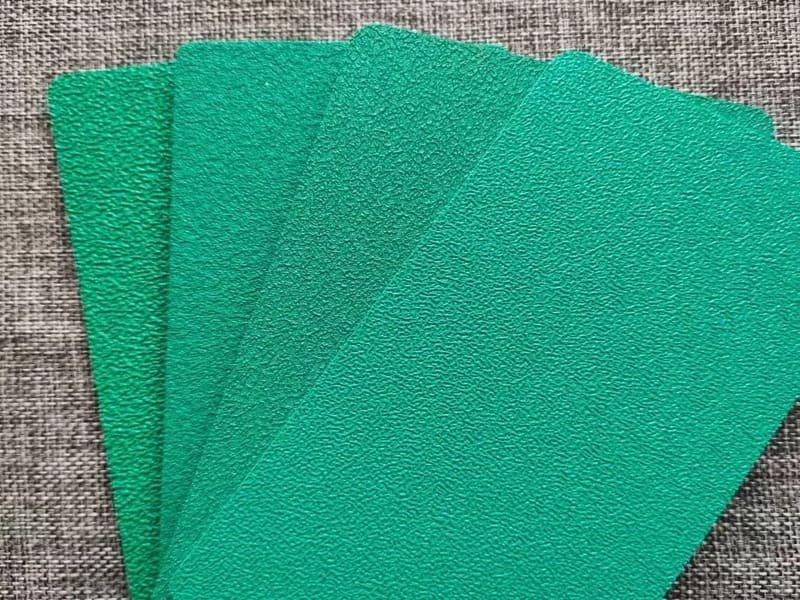
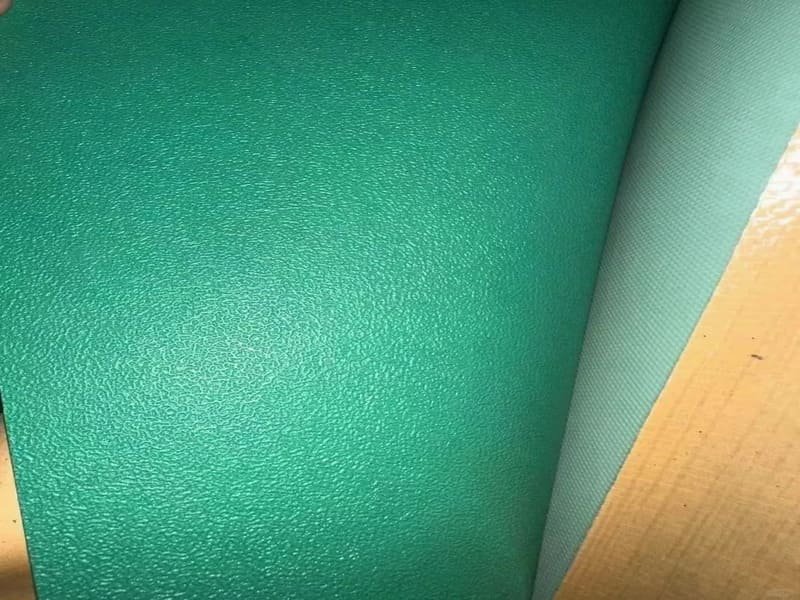
The bottom starts with a backing layer for grip, followed by a thick fiberglass layer that provides dimensional stability so the roll does not stretch or shrink. On top of that, we place the print design layer, and finally, a clear protective wear layer often coated with a specialized UV or PU finish.
Alternatively, a homogeneous sheet uses just one solid compound throughout, which offers incredible wear resistance. Because we deliver this material in large rolls, you can cover a whole room with very few seams. This layout solves the biggest problem in high-traffic zones: the breakdown of edges and joints.
Now that you know the basic structure, we can compare this material directly to other common choices.
How Does PVC Sheet Compare to Luxury Vinyl Tile (LVT)?
The main difference is the physical format and seam count: PVC sheet comes in large, flexible rolls that create a continuous surface, while LVT consists of rigid planks or tiles with numerous click-joints that can trap liquid.
Physical Form and Seam Vulnerability
In my years running manufacturing lines, I have seen many product developers confuse these two materials because they both use vinyl. The real-world difference comes down to the installation joints. LVT uses small, rigid pieces that click together. This creates thousands of tiny seams across a large room. If a space experiences a major spill or constant washing, water will find its way into those click-joints and damage the adhesive underneath. PVC sheet rolls roll out smoothly, and we can hot-weld the few seams that exist using a vinyl welding rod. This process fuses the sheets into a single, unbreakable piece of plastic that blocks all liquids.
Maintenance and Repair Realities
However, you must consider the trade-offs in your design plan. If a heavy machine drops and gouges an LVT floor, you can simply pull up that single damaged plank and click a new one into place. If you damage a welded PVC sheet floor, you cannot just pull up one section easily. You have to cut out a patch and weld a new piece in, which requires a skilled technician. LVT can also look more realistic because the thicker tiles allow for deeper texture embossing that mimics real wood or stone.
This structural difference changes how the material reacts to water, which brings us to our next comparison.
Is PVC Sheet Flooring the Same as Linoleum?
No, they are completely different materials: PVC sheet is a synthetic product made from vinyl resin, while traditional linoleum is an organic product made from linseed oil, wood flour, and cork dust.
Composition and Chemical Stability
Many buyers use the word "linoleum" when they actually mean vinyl sheet. This is a big mistake in material selection. Linoleum is a bio-based product. It uses natural ingredients like dried linseed oil, pine rosin, and ground cork. Because it is natural, linoleum goes through a process called "ambering" where its color shifts slightly when exposed to sunlight right after installation. PVC sheet floor is engineered in a lab using synthetic polymers. It is chemically stable from day one, meaning it will not change color or yellow when exposed to light or standard commercial cleaning chemicals.
Maintenance and Curing Requirements
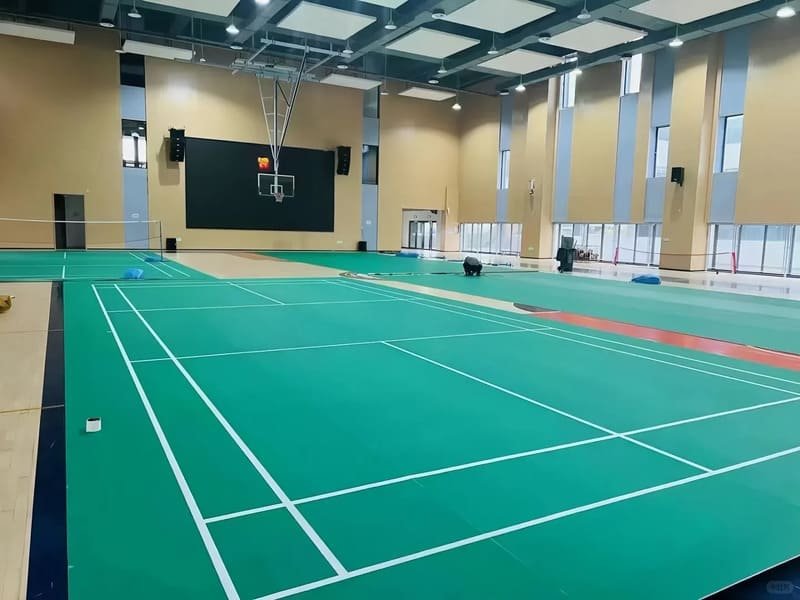
From an engineering standpoint, linoleum requires a lot of care. It is naturally porous, so you must seal and wax it periodically to keep moisture out. If you do not maintain it, the edges will curl and rot over time. PVC sheet comes out of our factory with a sealed, non-porous PU top layer. It requires no waxing or sealing during its lifetime. You only need to mop it with water and a basic cleaner. For facilities that want low maintenance costs over twenty years, synthetic PVC sheet is the clear winner.
Next, let us look at how flexible sheets compare to hard, rigid materials like ceramics.
Why Choose PVC Sheet Over Ceramic or Porcelain Tiles?
PVC sheet floor provides superior impact sound absorption, warmth, and crack resistance at a much lower weight than hard, cold ceramic tiles.
Acoustic Comfort and Impact Performance
Ceramic and porcelain tiles are classic building materials, but they are incredibly hard and dense. In a busy hospital corridor or a school hallway, the sound of footsteps on ceramic tiles creates a loud, echoing environment. PVC sheet is flexible and can be backed with a specialized acoustic foam layer. This backing dampens impact sound significantly. Furthermore, if a worker drops a heavy metal tool on a ceramic floor, the tile will crack or chip. PVC sheet absorbs the impact force and bounces back without structural damage.
Subfloor Weight and Installation Cost
You must also calculate the structural load and installation time. Ceramic tiles require thick cement mortar, grout lines, and a lot of labor to lay piece by piece. This adds massive weight to a building structure. PVC sheet is lightweight and installs quickly over a prepared subfloor. There are no grout lines to scrub, which eliminates the primary breeding ground for black mold and bacteria.
Material Performance Comparison Matrix
| Flooring Type | Waterproof Rating | Impact Sound Absorption | Lifespan (Years) | Installation Speed |
|---|---|---|---|---|
| PVC Sheet | 100% Waterproof | High ($15-20\text{ dB}$ reduction) | 15 – 25 | Very Fast (Rolls) |
| LVT / LVP | Highly Resistant | Medium ($10-15\text{ dB}$ reduction) | 10 – 20 | Moderate (Planks) |
| Linoleum | Water Sensitive | Medium ($10-12\text{ dB}$ reduction) | 20 – 40 | Slow (Needs sealing) |
| Ceramic Tile | 100% Waterproof | Very Low ($0-5\text{ dB}$ reduction) | 50+ | Very Slow (Grout) |
| Laminate | Poor (Swells) | Low ($5-10\text{ dB}$ reduction) | 15 – 25 | Fast (Click) |
Let us now compare vinyl sheets to wood-based materials.
Can PVC Sheet Floor Replace Laminate and Hardwood?
Yes, PVC sheet floor completely replaces laminate and hardwood in areas exposed to moisture because it will not swell, warp, or delaminate when wet.
Moisture Vulnerability and Warping
Wood-based floors like laminate and natural hardwood are highly sensitive to humidity and water leaks. If water sits on a laminate floor for a few hours, the wood fibers absorb the liquid and expand. This causes the edges to swell and peak, which ruins the flat surface permanently. PVC sheet floor is completely immune to water damage. You can submerge it under water for days, and the material properties will not change. This makes it the ideal choice for spaces like commercial kitchens, basement rooms, or fitness centers where sweat and spills happen daily.
Surface Scratch and Wear Resistance
Natural wood is soft and scratches easily under heavy foot traffic or rolling equipment. Our commercial-grade PVC sheet floors feature a high-density wear layer, usually around $0.5\text{ mm}$ to $0.7\text{ mm}$ thick. We test this layer using industrial abrasive wheels to ensure it resists deep scratches and scuffs from heavy shoes or rolling carts. For a high-traffic project, wood looks nice but fails quickly without constant, expensive refinishing.
This brings us to the final summary of how to choose the right material for your next build.
Conclusion
PVC sheet floor offers the best balance of waterproofing, seamless hygiene, and low maintenance compared to all other options.
If you are looking for custom PVC sheet flooring solutions tailored to your specific project needs, or if you require detailed technical material parameters, customized layout designs, and bulk manufacturing pricing, feel free to send me a direct message. I am ready to provide expert engineering support and technical consulting to help optimize your selection!