


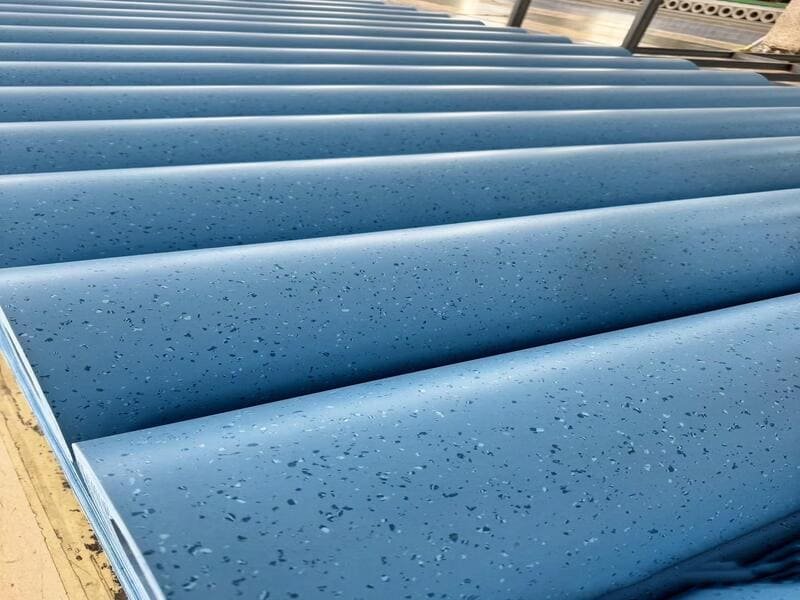
The main difference is their structure: homogeneous vinyl is a single solid layer with uniform color throughout, while heterogeneous vinyl is multi-layered.
Choosing the wrong option can cause premature wear or a wasted budget. Buyers and contractors often struggle with this commercial flooring jargon. I manage the full production line for both materials, and I see how these structural variations change performance. By the end of this guide, you will know exactly which sheet fits your traffic, budget, and design needs.
As a production manager, I supervise the raw material mixing and the final curing stages. Homogeneous vinyl is made by mixing PVC resins, plasticizers, and stabilizers into one single batch, then pressing it into a continuous sheet. Heterogeneous vinyl requires a stratified process where we laminate a backing layer, a fiberglass reinforcement layer, a printed design layer, and a clear protective wear layer together. This manufacturing difference means one acts like a solid block, while the other acts like a engineered system designed for specific performance goals.
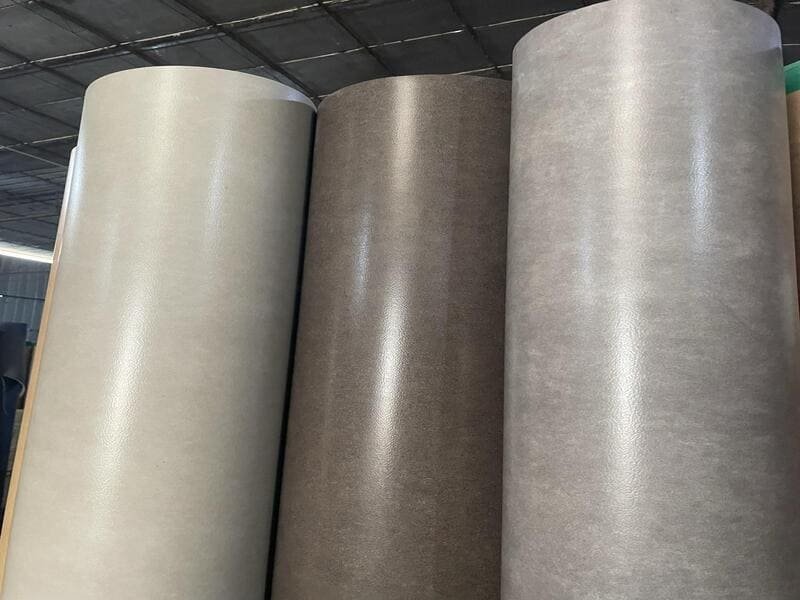
I always tell clients that their choice depends on the specific project demands. If your project faces heavy rolling loads, the solid structure is ideal. If your project requires realistic wood visuals for a retail brand, the multi-layered printing system is necessary. Let us look at how these technical build differences affect real-world use.
What are the core definitions of these vinyl structures?
Homogeneous vinyl is a single solid layer with uniform color from top to bottom, whereas heterogeneous vinyl is a multi-layered flooring option with separate backing, design, and wear layers.
Structural Comparison Breakdown
| Technical Specification | Homogeneous Vinyl | Heterogeneous Vinyl |
|---|---|---|
| Material Composition | 100% uniform PVC and filler mix | Layered PVC, fiberglass, and print film |
| Thickness Consistency | Color extends through full thickness | Color limited to the printed film layer |
| Dimensional Stability | Dependent on density and filler ratio | High stability due to fiberglass core |
| Wear Layer Thickness | Total thickness acts as the wear layer | Specific top layer (0.7mm typical for commercial) |
To understand this from a factory perspective, think of homogeneous vinyl like a carrot. If you cut it at any point, it shows the exact same color and pattern all the way through. Heterogeneous vinyl is like a cake because it has distinct, specialized layers working together to achieve a specific thickness and appearance.

In our production facility, we control the filler-to-resin ratio very closely. High-quality homogeneous sheets use premium resins so the material does not become brittle. For heterogeneous sheets, we focus on the thermal bonding process to make sure the layers never separate under stress. This brings us to a direct comparison of their primary features.
How do they compare head-to-head in commercial performance?
Homogeneous vinyl offers superior scratch repairability and a longer lifespan under extreme traffic, while heterogeneous vinyl provides unlimited design patterns and lower initial maintenance needs.
Performance and Cost Matrix
| Feature | Homogeneous Vinyl | Heterogeneous Vinyl |
|---|---|---|
| Structure | Single, solid layer | Multi-layered (Typically 4-5 layers) |
| Design/Aesthetics | Solid, marbled, or speckled directional/non-directional patterns | Unlimited patterns (Wood, stone, geometric, abstract) |
| Scratch & Wear Resistance | Patterns can’t wear off; scratches can be buffed out | Scratches affect the wear layer; design can be damaged if deeply gouged |
| Maintenance | Requires periodic polishing/waxing (unless high-end PU coated) | Easy maintenance; no polishing required (just sweep and mop) |
| Lifespan | Exceptionally long (often 20+ years under heavy traffic) | Long, but dependent on the thickness of the wear layer |
| Cost | Generally higher initial product cost | Highly variable (budget-friendly options to premium acoustics) |
From my experience on the shop floor, the true difference shows up during extended use. Homogeneous flooring reigns supreme in high-traffic commercial zones because the pattern cannot wear off. If a heavy hospital bed gouges the surface, the color underneath is identical, which hides the damage. For heterogeneous options, a thick wear layer like 0.7mm is mandatory for commercial use to protect the print.
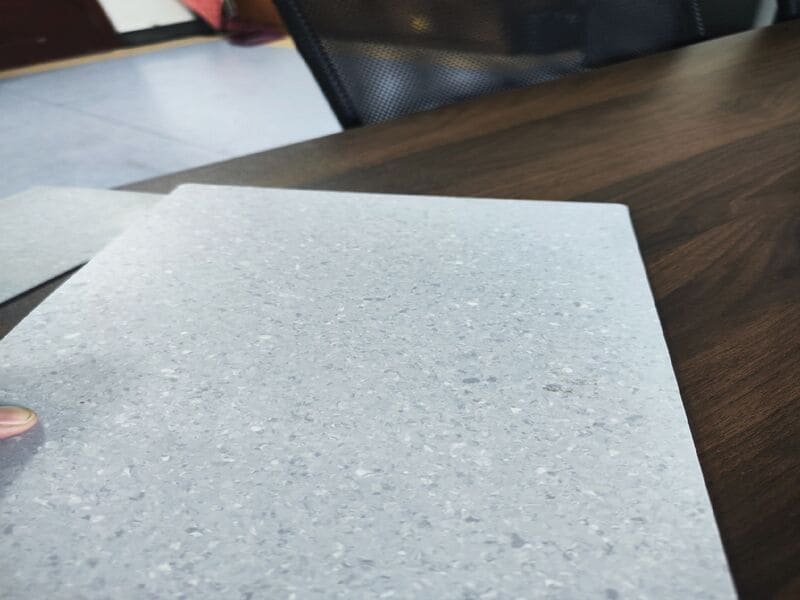
Maintenance is another key operational factor. Traditional homogeneous sheets require a regular cycle of buffing and dry-burnishing to restore the original look. Heterogeneous sheets use a factory polyurethane coating which means lower lifetime maintenance costs because they never need waxing. This balance between look and maintenance leads directly to how you choose a design.
Which specific applications fit each vinyl sheet type?
Homogeneous vinyl is best for sterile, high-traffic spaces like hospitals and labs, while heterogeneous vinyl is best for retail, hospitality, and offices that need realistic designs.
Industry Specific Application Recommendations
| Industry Sector | Recommended Vinyl Type | Primary Technical Reason |
|---|---|---|
| Healthcare & Hospitals | Homogeneous Vinyl | Seamless heat welding for absolute hygiene |
| Education & Schools | Homogeneous Vinyl | High resistance to heavy foot traffic in corridors |
| Retail & Showrooms | Heterogeneous Vinyl | High-definition wood and stone visuals for branding |
| Hospitality & Hotels | Heterogeneous Vinyl | Better acoustic properties and comfortable underfoot feel |
| Assisted Living | Heterogeneous Vinyl | Combines a homely look with good commercial durability |
In my technical consulting work with architects, we look closely at the installation and seamless welding process. Both materials offer waterproof and hygienic properties via heat welding with a PVC rod. The welding difference is that homogeneous welding rods match the exact core color perfectly, which makes seams virtually invisible. Heterogeneous seams are clean but they can show slight layer transitions if the installer does not cut perfectly.

If your project requires a clean, clinical look with absolute joint integrity, choose the solid sheet. If your project requires acoustic sound-reduction properties and a warm design, choose the multi-layered sheet. This simple distinction helps clear up the buying process for any commercial project.
Conclusion
Neither vinyl sheet is better than the other because your choice depends entirely on your project environment, traffic level, and design goals.
If you need technical help choosing the right flooring thickness, wear layer, or customized design for your next project, contact me directly. Please send me a private message to receive factory-direct technical specifications, material samples, and engineering consultation tailored to your specific installation needs.