



The main differences lie in their internal structure, design options, and electrical conductivity, which directly determine their durability, cost, and suitable application environments.
As a factory production manager with over 15 years of experience on the manufacturing floor, I see project managers make costly mistakes every week. They often pick the wrong commercial vinyl flooring because they do not understand the technical build of the material. Choosing the wrong floor leads to early wear, safety issues, or high replacement costs. I write this guide to explain the raw science behind homogeneous, heterogeneous, and ESD vinyl flooring so you can select the correct material for your project.
The next sections will break down the exact engineering of each flooring type to help you make the best decision for your project site.
What is the Structural Difference Between Homogeneous, Heterogeneous, and ESD Vinyl?
Homogeneous vinyl uses a single solid layer, heterogeneous vinyl uses multiple specialized layers, and ESD vinyl integrates conductive carbon veins to safely discharge static electricity.
| Flooring Type | Core Structure | Material Mix | Main Benefit |
|---|---|---|---|
| Homogeneous | Single solid layer | PVC + Plasticizers + Calcium Carbonate | Solid color through the whole body |
| Heterogeneous | Multi-layer stack | Wear layer + Print layer + Fiberglass + Foam | Infinite design choices and sound control |
| ESD Vinyl | Conductive matrix | PVC + Carbon veins + Copper grid network | Eliminates static electricity risks |
Technical Engineering and Material Formulations
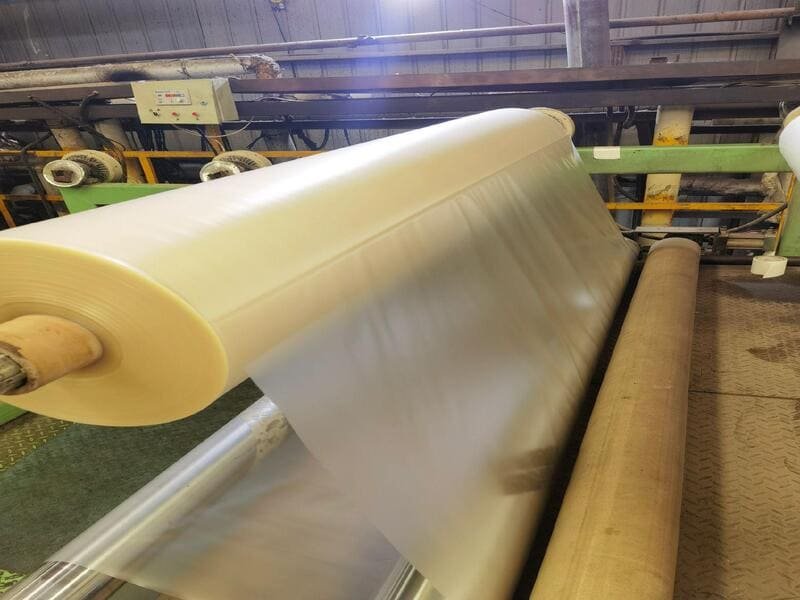
To truly understand these materials, we must look at how we mix and compress them in the factory. Homogeneous vinyl is made by mixing PVC resin, plasticizers, and stabilizers with mineral fillers like calcium carbonate. We roll this mixture into one single uniform sheet. The color and pattern go all the way from the top surface to the bottom. If the floor gets scratched, the color does not change.
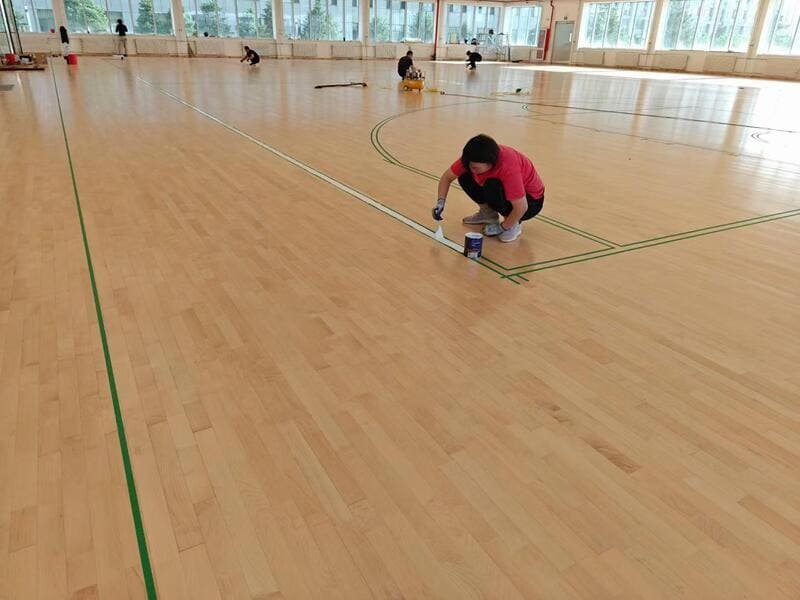
Heterogeneous vinyl is a layered sandwich. We build it with a high-density backing foam or compact layer for comfort, a fiberglass sheet for dimensional stability, a high-definition printed design layer, and a top pure PVC wear layer with a protective polyurethane coating. This multi-layer method allows us to print realistic wood, stone, or geometric looks while protecting the print under a tough clear coat.
ESD vinyl is a highly specialized variant. During the mixing phase for ESD homogeneous tiles, we infuse black carbon veins throughout the vinyl matrix. For ESD sheets, we build a continuous conductive layer. When installed with conductive adhesive over a copper grounding grid, these carbon paths channel static electricity safely away from the surface into the ground.
Let us look at a quick performance matrix before we dive deeper into the daily operation details.
Which Vinyl Flooring Fits Your Specific Performance Needs?
Homogeneous vinyl provides excellent wear repairability, heterogeneous vinyl delivers the best design variety and sound insulation, while ESD vinyl is mandatory for electronics safety.
| Performance Feature | Homogeneous Vinyl | Heterogeneous Vinyl | ESD Vinyl |
|---|---|---|---|
| Design Variety | Low (Directional/Non-directional chips) | Extremely High (Wood, Stone, Patterns) | Low (Marbled with black carbon veins) |
| Scratch Repair | Yes (Can be buffed and re-polished) | No (Damage to print layer is permanent) | Yes (For homogeneous ESD types) |
| Acoustic Control | Low sound absorption (Compact) | High sound absorption (Foam backing) | Low sound absorption |
| Lifespan Range | 15 to 20 Years | 10 to 15 Years | 15+ Years (Static properties last) |
| Typical Cost | Medium to High | Low to High (Depends on wear layer) | High (Specialized materials) |
Analyzing the Balance Between Cost and Daily Performance
When you evaluate the total cost of ownership, look past the initial purchase price. Homogeneous flooring is excellent for heavy foot traffic because deep scratches or gouges can be buffed out with a rotary floor machine and then re-waxed. However, it requires regular maintenance like polishing to keep its shine. Heterogeneous flooring has a tough wear layer that resists initial scratches very well, but if a heavy object tears through that thin wear layer and ruins the printed design, you cannot repair it. You must replace the whole section.
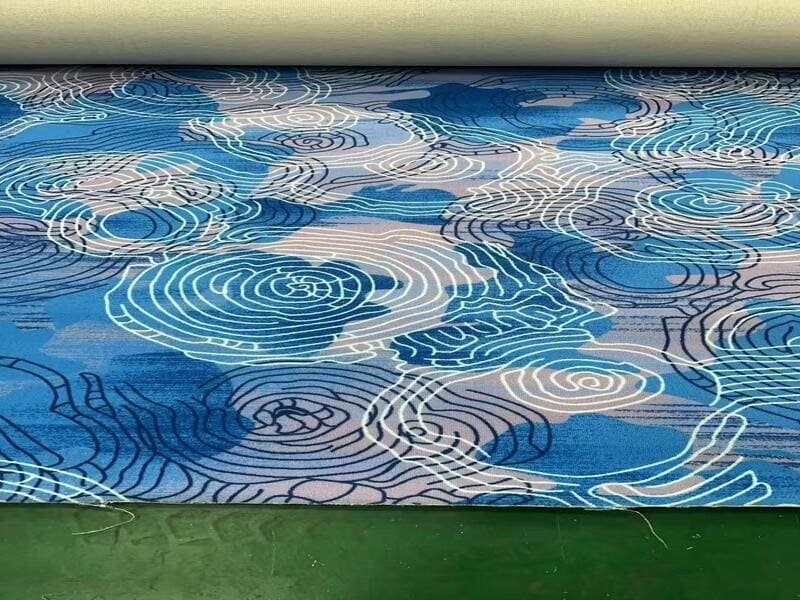
From a design view, heterogeneous flooring wins easily. Our printing machines can create beautiful wood grain textures or modern stone patterns for high-end office lobbies. Homogeneous flooring is limited to speckled or marbled patterns. But heterogeneous flooring also offers a major acoustic benefit. The foam backing layer can reduce impact noise by up to 19 decibels, which makes it perfect for hospital corridors or busy schools.
For industrial settings, standard vinyl is dangerous. Walking across standard vinyl builds up static charges over 3,000 volts via friction. This charge can kill sensitive microchips or ignite chemical vapors. ESD vinyl keeps electrical resistance between 2.5×10⁴ and 1.0×10⁶ ohms for conductive floors, or 1.0×10⁶ to 1.0×10⁹ ohms for dissipative floors. This technical control keeps voltage accumulation below 100 volts, which meets strict electronics assembly standards.
This technical data means each flooring type has a specific place where it works best.
Where Should You Install Each Type of Vinyl Flooring?
Install homogeneous vinyl in hospitals and heavy public transport areas, heterogeneous vinyl in schools, retail shops, and offices, and ESD vinyl in server rooms and electronic factories.
Real-World Factory Application Guide
-
Homogeneous Vinyl Applications
Healthcare facilities and cleanrooms require homogeneous vinyl sheets. We weld the seams together using heat guns and matching vinyl welding rods to create a 100% seamless, antibacterial floor. This stops moisture and bacteria from growing in cracks. It also stands up well against harsh chemical spills and medical iodine stains. High-traffic public hubs like subways and airports also use homogeneous sheets because the heavy traffic will not wear away the color pattern.
-
Heterogeneous Vinyl Applications
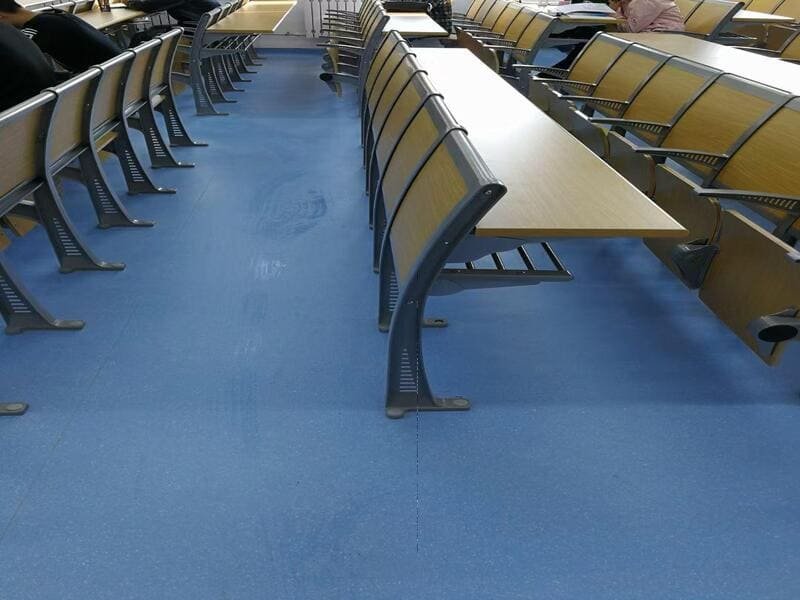
Schools, universities, and commercial retail spaces benefit most from heterogeneous vinyl. Classrooms need the sound-dampening foam backing to keep study areas quiet. Offices and retail shops use the beautiful wood or stone designs to create an expensive look while staying within a tight commercial budget. The top polyurethane coating also makes it easy to clean without needing regular waxing.
-
ESD Vinyl Applications
Electronics manufacturing plants, surface mount technology lines, and server rooms must use ESD vinyl tiles or sheets. It is also required in pharmaceutical laboratories and defense industries where explosive dust or gases are present. Standard floors can cause small sparks that lead to catastrophic failures in these sensitive rooms.
Before you place your factory order, you should follow a checklist to avoid common buying errors.
How Do You Choose and Inspect the Right Vinyl Specification?
You must check the official European wear classification, verify the raw binder content type, and prepare your subfloor moisture barriers properly before ordering.
The Project Manager Procurement Checklist
-
Check the Wear and Traffic Rating
Do not just trust basic descriptions. Look for the European standard EN 685 rating. Commercial spaces require Class 34 (very heavy commercial), and industrial production zones require Class 43 (heavy industrial). Ensuring these ratings on your technical data sheet prevents early floor wear.
-
Verify Binder Content for Homogeneous Vinyl
Homogeneous vinyl quality depends heavily on the PVC-to-filler ratio. Look for the binder content classification. Type I means the floor has a high PVC content and low filler content, which provides maximum flexibility and scratch resistance. Type II contains more filler like calcium carbonate, which makes the tile cheaper but more brittle and harder to clean over time.
-
Inspect Subfloor Conditions and ESD Grounding
Vinyl floors show every defect in the concrete below them. You must use self-leveling cement to make the base perfectly flat. The subfloor moisture level must be under 3% using a calcium chloride test. For ESD flooring installations, you must hire certified contractors who know how to lay the copper grid and connect it properly to the main building ground wire.
Conclusion
Choose homogeneous vinyl for durability, heterogeneous for design, and ESD vinyl for static control.
If you are planning a commercial project or need specific technical data sheets, custom color matching, and bulk factory pricing for your vinyl flooring layout, please send me a private message today to discuss your project needs.