


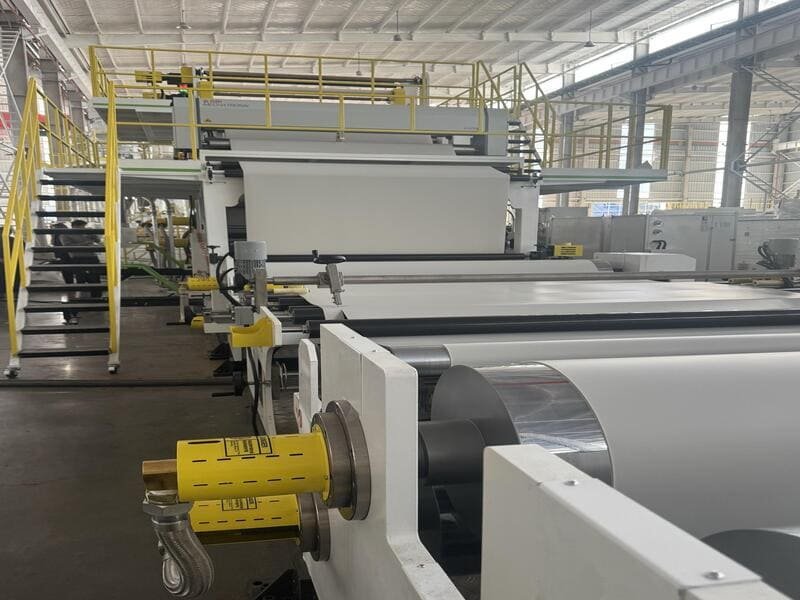
Bundle vinyl flooring accessories when matched colors, compatible installation materials, and simple ordering add clear value. Buy separately for specialized specs or bulk savings. Neither option is always cheaper or safer for warranty. Compare compatibility, approved accessories, total landed cost, and project needs first.
I manage production at a vinyl flooring factory, and I work on custom and bulk orders for many kinds of projects. Almost every buyer faces the same offer: one package with underlayment, baseboards, and transition strips, and a short time to say yes or no. The offer looks simple, but it hides trade-offs in cost, quality, and warranty. Many buyers think a bundle is always safer, and many think buying separately is always cheaper. Both ideas are wrong in a lot of real projects. A bundle can reduce mistakes, but it cannot fix a bad installation. Separate sourcing can cut unit prices, but freight and handling can erase the saving. In this guide I explain what I see in production and at the job site, and I give you a clear way to decide.
First, let’s look at what a bundle really holds.
What Do Vinyl Flooring Bundles Usually Include?
A typical bundle includes transition strips, underlayment, wall profiles, and adhesives or sealants. Some SPC and WPC planks already have underlayment attached, so you may not need a second layer. Read the itemized list before you accept any package.
Each accessory does a different job, and the list decides your cost and your risk. I always check a bundle line by line, because a package that looks complete can hold items you do not need or miss items you do.
Common Bundle Components
| Accessory | What It Does | What to Check |
|---|---|---|
| Transition strips and reducers | Join floors of different height: T-molding, flush or overlap reducers, stair nosing | Height match, expansion space, lock-system fit |
| Underlayment | Adds sound control, a moisture barrier, or thermal insulation | Thickness, compression strength, pre-attached or not |
| Wall profiles | Cover the expansion gap: quarter rounds, baseboards, wall base | Material (MDF, PVC, wood) and piece length |
| Adhesives and sealants | Bond glue-down LVT and seal seams and edges | Compatibility with the vinyl backing and the subfloor |
If the planks already have a pre-attached pad, a second pad can make the floor soft and stress the click-lock joints. So I read the product sheet first.
The contents also change from one floor type to another, so let’s compare them.
Do All Vinyl Flooring Types Need the Same Accessories?
No. Each vinyl flooring type needs a different accessory package. Click-lock SPC and WPC typically need finishing profiles and may need a separate moisture barrier or underlayment. Glue-down LVT needs adhesive and edge materials. Sheet vinyl needs seam and wall-base materials.
Many buyers treat SPC, WPC, LVT, and sheet vinyl as one product, but the installation systems are very different. A home SPC floor mostly needs T-moldings and baseboards, and it needs a separate pad only when the product and the site conditions call for it. Products with a pre-attached pad should only get more underlayment when the manufacturer expressly allows it. A hospital sheet vinyl floor may require compatible adhesive, heat-welded seams, and coved skirting, depending on hygiene requirements, room use, and project specifications. If you order the wrong package, you pay for parts you never use.
Accessory Needs by Flooring Type
| Flooring Type | Main Accessory Needs | Key Checks |
|---|---|---|
| SPC click-lock | Transitions, baseboards, and a moisture film or underlayment if the product and site require it | Lock-system fit, pad thickness, expansion space |
| WPC click-lock | Transitions, baseboards, and extra sound material in some cases | Pad compression, installation system rules |
| Glue-down LVT | Adhesive, seam and edge materials, edge profiles | Adhesive compatibility, subfloor and room conditions |
| Loose-lay LVT | Perimeter fixing or positioning materials, edge profiles | Installation guide, area size, use conditions |
| Sheet vinyl | Adhesive, weld rod or seam materials, corner and wall-base parts | Seam method, hygiene needs, subfloor condition |
Not every vinyl floor needs the same accessory package, so I never quote a bundle before I know the floor type.
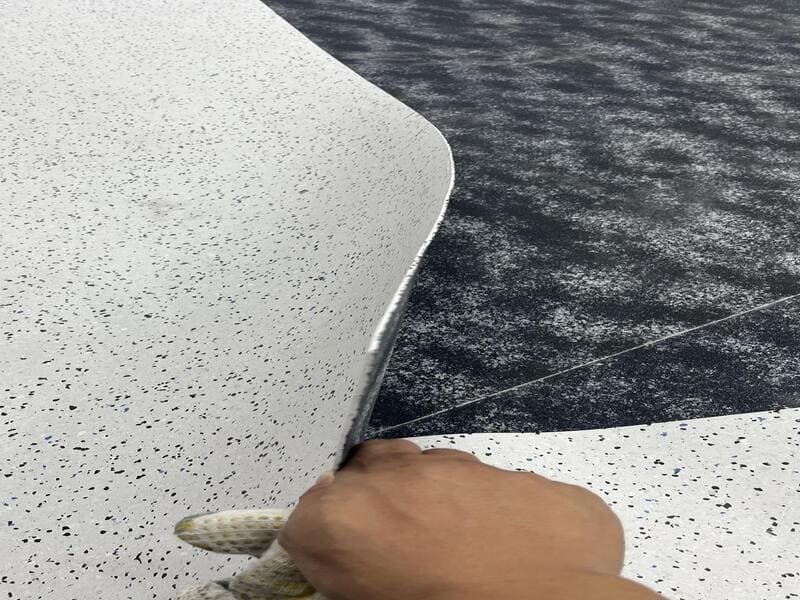
With the contents clear, let’s see why many buyers still like bundles.
What Are the Benefits of Bundling Accessories with Your Vinyl Flooring?
Bundling gives you coordinated color and texture, easier warranty compliance, the possibility of consolidated shipping, and better lock-system fit. It does not guarantee warranty coverage, because the floor, the accessories, and the installation must all follow the maker’s written rules.
From a manufacturing view, the biggest gain is color control. Manufacturer-coordinated trims are designed to match the color and decorative pattern of the flooring. But trims and planks can use different substrates, surface finishes, or processes. A plank may use a printed film with a clear wear layer, while an MDF trim may use a wrapped film or paper, and an aluminum trim may use anodizing or coating. So I tell buyers to compare physical samples under the real lighting of the project before they confirm a large order.
Where Bundling Helps Most
| Benefit | Why It Matters |
|---|---|
| Coordinated color and pattern | Trims are designed to match the plank; check samples in real light |
| Easier warranty compliance | Approved accessories reduce compatibility problems |
| Possible consolidated shipping | Floor and accessories may ship together if production dates line up |
| Lock-system fit | Stair nosings and flush transitions are made for the plank profile |
Bundling manufacturer-approved accessories can reduce compatibility issues and make warranty compliance easier. But buying accessories from the same supplier does not automatically guarantee warranty coverage. The flooring, underlayment, adhesives, and installation methods must all meet the manufacturer’s written requirements. I have seen a floor fail with the right pad because the subfloor was too wet, and the claim still failed.
Bundles have a weaker side too, so let’s look at that.
What Are the Hidden Risks of Bundled Packages?
The main risks are a bundling premium, lower-grade parts, and fixed quantities. A bundled pad or trim may not fit your acoustic or traffic needs, and fixed lengths can leave you with waste or a shortage.
Bundles are built for the average job, and your job may not be average. The retailer may add margin to each item in the kit. The pad may be a basic one, and the trims may be wrapped MDF where your doorway needs metal. I check each part against the real use of the room.
Common Problems in Bundled Packages
| Risk | Example |
|---|---|
| Bundling premium | Items cost more inside the kit than as single lines |
| Quality gap | Basic pad, vinyl-wrapped MDF trims in a high-traffic doorway |
| Rigid quantities | Fixed-length trims that leave offcuts or run short |
| Acoustic mismatch | A pad chosen for price, not for the building’s sound rules |
Sound rules need care. For condos and apartments, select an underlayment system that meets the project’s acoustic requirements and the flooring manufacturer’s installation specifications. IIC and STC come from tests on a floor-ceiling assembly (ASTM E492 for impact sound and ASTM E90 for airborne sound), so review the test reports for a representative assembly and do not rely on a standalone pad rating. Confirm thickness, compressive strength, and compatibility with the locking system before you buy. A thicker underlayment does not automatically give better acoustic performance or better protection for click-lock joints.
Now let’s turn these risks into numbers.
How Much Does Bundling Cost Compared with Buying Separately?
It depends on the project. Bundling is not always more expensive, and separate sourcing is not always cheaper. Compare total landed cost: product price, freight, handling, and minimum order effects. Unit price alone can mislead you.
I do not trust a single industry percentage here, because quotes change with the supplier, the order size, and the shipping route. A factory may ship a full container and lower freight per item. A distributor may buy trims in bulk and get a better unit price. A trim maker may ask for a high MOQ, so buying alone adds stock you do not need. Some makers also run promotions that make a floor-and-trim set cheaper than the parts.
Illustrative Cost Comparison
This is a made-up example to show the method. It is not an industry average.
| Cost Item | Bundled Purchase | Separate Purchase |
|---|---|---|
| Flooring | $8,000 | $8,000 |
| Accessories | $1,200 | $1,000 |
| Additional freight | $0 | $180 |
| Handling | $0 | $80 |
| Total | $9,200 | $9,260 |
The separate accessories look $200 cheaper, but with freight and handling the total is $60 higher. Ask for an itemized quote, compare each item at the same spec, add shipping for every order, and check trim counts against your floor plan.
You also do not need to choose all or nothing, so let’s look at the middle path.
Can You Bundle Only Selected Vinyl Flooring Accessories?
Yes. Many projects work best with a partial bundle. Buy the color-matched trims and baseboards with the flooring, and source specialty adhesive or acoustic material separately. This avoids extra items and keeps the visible parts consistent.
A partial bundle fits most of the projects I handle. The visible parts, like transitions and baseboards, benefit most from coordination. The hidden parts, like adhesive, moisture film, and acoustic pad, depend on the building and the subfloor, so they often need a different spec. I ask customers to split the list into these two groups first.
Example of a Partial Bundle
| Item | Source | Reason |
|---|---|---|
| T-moldings and reducers | With the flooring | Visible; designed to match plank color |
| Baseboards or wall base | With the flooring | Visible; consistent finish |
| Acoustic underlayment | Separate | Must meet building sound rules and the lock system |
| Adhesive | Separate | Must suit the subfloor and room conditions |
If the maker requires approved accessories for warranty, choose approved products and keep written confirmation. These accessories may come in a bundle or be bought separately, depending on the manufacturer’s policy.
Next, let’s see which projects suit a full bundle.
When Should You Bundle Your Vinyl Flooring Accessories?
Bundle when you are a DIYer who wants a fast project, when your layout has many transitions, or when the maker sets strict installation rules. In these cases, coordination and easier compliance may justify a higher price, if total cost and specs meet your needs.
Best Bundling Scenarios
| Scenario | Why Bundling Works |
|---|---|
| DIY weekend project | One order and no trim hunting; check that the price gap is acceptable |
| Complex layout | Rooms that meet tile, carpet, or hardwood need exact height and color match |
| Strict manufacturer rules | High-end residential or commercial floors with rigid guidelines |
On complex layouts I suggest early design talks. A transition from vinyl to a thicker hardwood floor needs the right reducer height. A wrong trim can chip at the edge or become a trip point. Our team checks these details with customers before production starts, because a small fix at the design stage costs much less than a fix after install.
Some projects point the other way.
When Should You Buy Vinyl Flooring Accessories Separately?
Buy separately for strict acoustic rules, heavy-duty traffic, or large projects where total landed cost is lower. You can then choose a pad that fits the building, metal transitions for hard use, and bulk accessories from a specialist.
Best Unbundling Scenarios
| Scenario | What to Source Separately |
|---|---|
| High-rise condo or HOA | An underlayment system that meets the building’s acoustic rules and the maker’s specs |
| High-traffic or commercial | Aluminum or brass transitions instead of vinyl-wrapped MDF |
| Large or budget-driven project | Bulk trims and adhesives, after a total landed cost check |
In commercial work, trims take much more abuse than planks. I have seen wrapped MDF profiles swell and peel at doorways with heavy cart traffic, and metal profiles last longer there. For large projects, separate sourcing can save money, but only after you add freight, handling, and MOQ effects. Check the warranty terms before you change any part.
Buyers who resell flooring face a different set of questions.
Should Vinyl Flooring Distributors Bundle Accessories for Resale?
Often yes, as an option. Kits make selling easier and raise accessory sales, but they add SKUs and tie up stock. Offer kits for common projects, and let customers swap or remove items.
A distributor thinks about turnover, shelf space, and customer speed. A kit helps a contractor order in one step, and it helps the seller move trims that would sit alone. But a fixed kit can annoy a buyer who needs a metal transition or a special pad, and it can leave you with slow stock.
Distributor Factors
| Factor | Effect of Bundling |
|---|---|
| Inventory turnover | Kits move trims faster if the mix matches demand |
| SKU count | Each kit adds a code to track |
| Cross-selling | Easy to add trims, pads, and adhesive to every sale |
| Storage space | Kits take more room than loose items |
| Customer convenience | Faster ordering, less choice |
I suggest a few core kits by floor type, plus single items for custom needs. Do not force every customer into one fixed set.
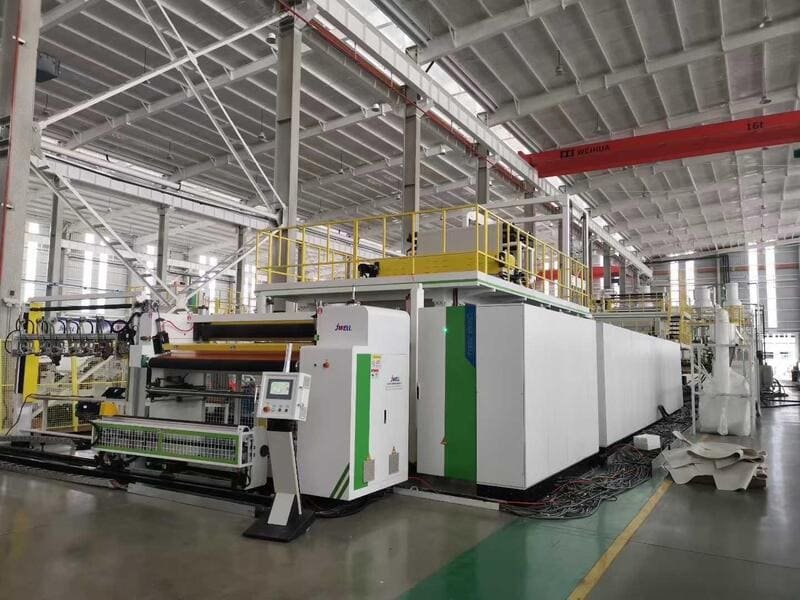
Once you decide, you must order the right amounts.
How Do You Calculate Accessory Quantities for a Bulk Vinyl Flooring Order?
Measure the linear length of doorways, transitions, and stair edges that need profiles, and divide by usable piece length. Count baseboards by wall length minus door openings, and adhesive or underlayment by area and data sheet coverage. Add a cutting allowance from your layout.
Fixed percentages hide the real need. A 5% to 10% extra on trims is a common starting range, but I change it by piece length, cutting plan, and number of corners. Long rooms with few corners need less. Small rooms with many angles need more.
Quantity Method
| Item | How to Calculate |
|---|---|
| Transition strips | Measure the total linear length of doorways, floor transitions, and stair edges that need profiles. Divide by the usable profile length, and allow for cutting waste, joints, and the layout |
| Baseboards | (Room perimeter − door openings) ÷ piece length, rounded up |
| Underlayment | Installed area, plus roll overlap if required |
| Adhesive | Area ÷ coverage per unit on the data sheet (depends on trowel notch) |
Here is an example. A room of 4 m by 5 m has an 18 m perimeter. With one 0.9 m door opening, you need 17.1 m of baseboard. With 2.4 m pieces, that is 7.125, so you order 8 pieces, and then add an allowance for corner cuts and reuse of offcuts. For a bulk order, repeat this for each room type and multiply by the number of units.
Correct counts mean little if the parts arrive late.
How Do You Check Accessory Lead Times and Delivery Compatibility?
Ask for the production schedule of each accessory, not just the flooring. Trims may come from different lines, and special colors can have extra MOQ and longer lead times. A bundled order does not always ship at the same time.
Planks and accessories are often made in different workshops or by different partners. An MDF trim, an extruded PVC part, and an aluminum profile each have their own process and schedule. A custom color adds more time. I have seen a full container wait because one trim was late, so I confirm dates before I confirm the order.
Delivery Checklist
| Check | Question to Ask |
|---|---|
| Production schedule | When will each accessory finish? |
| Special colors | Is there an extra MOQ or lead time? |
| Shipping plan | Can floor and accessories load in one container? |
| Packing | Are trims packed to prevent damage and mixed cartons? |
If everything is ready in time, floors and accessories can often share one container, which cuts freight. If not, ask whether the maker will split shipments or hold the order.
Now let’s put it all into one decision process.
How Do You Choose Between Bundled and Separate Accessories?
Check the warranty text, the floor type, the underlayment need, the transition profile, and the total landed cost. If the maker requires approved accessories, choose approved products and keep written proof, in a bundle or bought apart.
Decision Matrix
| Step | Question to Ask | If Yes | If No |
|---|---|---|---|
| 1. Warranty | Does the warranty require approved accessories? | Choose approved items and save written proof | Follow the maker’s technical specs |
| 2. Floor type | Do you know the floor type and its accessory needs? | Build the list by type | Confirm before you quote |
| 3. Underlayment | Is the pad pre-attached, or does the building need special acoustic values? | Skip the pad, or choose a system that fits the lock and the rules | Standard pad may work |
| 4. Transitions | Do you need flush stair nosings or exact height reducers? | Order coordinated or custom parts | Overlap trims need size and expansion checks |
| 5. Total cost and fit | Is separate sourcing cheaper after all costs, with equal quality, confirmed compatibility, acceptable lead times, and warranty compliance? | Buy separately | Consider a full or partial bundle |
Overlap trims are not free of checks. Confirm the size, the expansion space, and the system fit before you buy from any source. A lower unit price can disappear once you add freight from two or three suppliers, and a lower price is never a reason to skip the compatibility and warranty checks.
Many buyers still ask a few more things, so here are the common ones.
Conclusion
Bundle for matched color and simpler compliance. Buy separately for special specs or bulk needs. Always compare total landed cost and written warranty terms.
If you plan a project and you are not sure which route fits, send me a private message. Tell me your floor type, room layout, order size, and budget. I will help you check the warranty needs, transition heights, accessory quantities, and lead times before you place your order.