


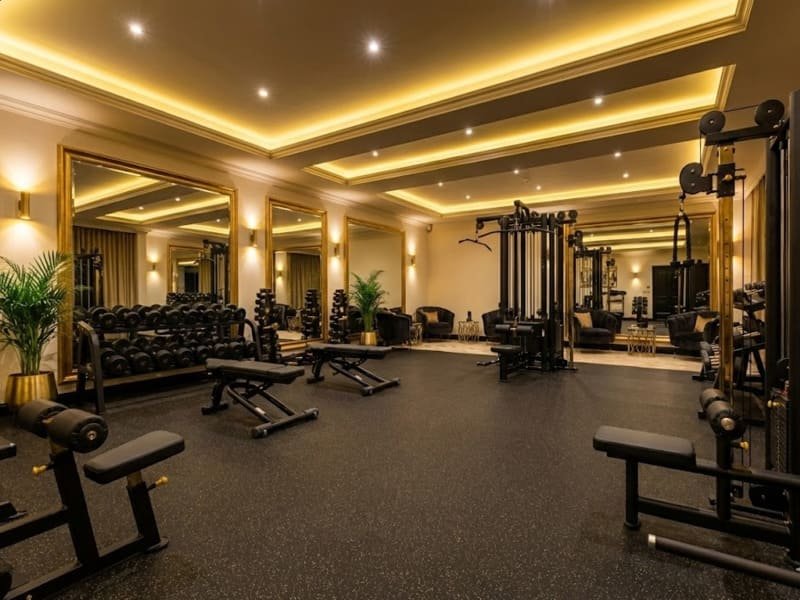
Jeśli właśnie otworzyłeś ofertę na nowy obiekt o powierzchni 2000 stóp kwadratowych, a łączna kwota - $8000 lub więcej - sprawiła, że opadła Ci szczęka, szukasz lepszej opcji.
Oto podsumowanie na rok 2025:
Jeśli wyposażasz przestrzeń poniżej 1000 stóp kwadratowych.Handel detaliczny jest prawdopodobnie tańszy i szybszy. Jednak w przypadku obiektów komercyjnych ponad 1 500 stóp kwadratowych.Kupowanie bezpośrednio w fabryce może zaoszczędzić 30-50% na kosztach materiałowychnawet po uwzględnieniu opłat celnych i kosztów wysyłki.
Ten przewodnik przebija się przez marketingowy szum, aby ujawnić próg rentowności i ukryte koszty importu.
1. Surowe liczby: Ceny fabryczne vs. ceny detaliczne
Aby podjąć decyzję finansową, należy sprawdzić różnicę w cenie surowca między "FOB China" (ceną fabryczną) a "Landed Retail" (ceną sklepową).
Tabela porównawcza cen na rok 2025
| Pozycja | Jednostka | Cena detaliczna (średnia lokalna/Amazon) | Cena fabryczna (średnia FOB Chiny) | Surowe oszczędności |
|---|---|---|---|---|
| Rolki gumowe 8 mm | Za mkw. | $2.00 - $3.50 | $0.90 - $1.20 | ~65% |
| Płytki gimnastyczne 15 mm | Za mkw. | $3.50 - $5.00 | $1.30 - $1.80 | ~63% |
| Płytki Premium 20 mm | Za mkw. | $5.50 - $7.00 | $1.90 - $2.40 | ~65% |
Uwaga: "FOB" oznacza cenę na bramie fabryki. Oznacza nie obejmują wysyłkę, podatki lub dostawę.

Dlaczego istnieje marża detaliczna
Przy zakupie detalicznym nie płacisz tylko za gumę; płacisz także za Ryzyko związane z zapasami oraz Prędkość.
- Sprzedaż detaliczna: Płacisz za magazyn w USA / UE, lokalny personel i dostawę następnego dnia.
- Factory Direct: Płacisz tylko za produkt, ale przejmujesz zarządzanie logistyką.
2. Ukryte koszty przejścia na sprzedaż bezpośrednią
Wielu właścicieli siłowni ponosi porażkę, ponieważ obliczają Cena fabryczna x mkw. i myślę, że to jest całość. Nie jest. Jeśli zignorujesz "Landed Costs", stracisz pieniądze.

Równanie kosztów lądowania
$$\text{Całkowity koszt} = \text{Cena FOB} + \text{Fracht morski} + \text{Taryfy} + \text{opłaty portowe} + \text{dostawa lokalna} $$
"Wielka trójka" opłat, które musisz znać
-
Fracht morski (LCL vs. FCL):
- Jeśli nie zapełnisz całego kontenera (LCL), zapłacisz dodatkową opłatę za współdzieloną przestrzeń.
- Praktyczna zasada: Bezpośredni import rzadko ma sens w przypadku zamówień poniżej $3,000, ponieważ stałe koszty frachtu zmniejszają oszczędności.
-
Taryfy i cła (podatek z sekcji 301):
- Standardowe obciążenie: ~2,7% - 5%.
- Sekcja 301 (tylko USA): An dodatkowa taryfa 25% na chińskie produkty gumowe.
- Wpływ: Zamówienie $10,000 może natychmiast stać się zamówieniem $12,500 w porcie.
-
Opłaty za obsługę portową:
- ISF Filing ($25-$50), Harbor Maintenance Fees (HMF) i Merchandise Processing Fees (MPF). Sumują się one do setek dolarów, zanim jeszcze ciężarówka opuści port.
3. Kiedy kupować detalicznie (opcja "spokój ducha")
Sprzedaż detaliczna jest najlepszą opcją dla Domowe siłownie, siłownie garażowe i studia < 1000 stóp kwadratowych.
Plusy
- Prędkość: Dostawa w ciągu 3-7 dni. Zamówienia fabryczne trwają 45-60 dni.
- Brak MOQ: Kup dokładnie 200 stóp kwadratowych. Fabryki często wymagają minimum 2000 stóp kwadratowych.
- Gwarancja: Łatwe zwroty. Zwrot wadliwych towarów do Chin jest finansowo niemożliwy.
Wady
- Koszt: Płacisz premię 100-200% za wygodę.
- Ograniczona personalizacja: Zwykle ograniczone do czarnych lub niebieskich plamek.
4. Kiedy kupować Factory Direct ("Volume Saver")
Zakupy bezpośrednie są przeznaczone dla Siłownie komercyjne > 1 500 stóp kwadratowych. gdzie oszczędności można ponownie zainwestować w sprzęt.

Korzyści handlowe
- Oszczędności kosztów: W przypadku projektu o powierzchni 5000 stóp kwadratowych oszczędności mogą przekroczyć $9,000-Wystarczająco dużo, aby wyposażyć całą sekcję cardio.
- Personalizacja:
- Grubość: Wymieszaj rolki 8 mm dla stref cardio i płytki 50 mm dla stref martwego ciągu.
- Branding: Zintegruj swoje logo bezpośrednio z gumową powierzchnią.
- Kolor: Niestandardowe proporcje EPDM pasujące do kolorów marki. W przypadku obiektów, dla których priorytetem jest długoterminowa trwałość, bezpieczeństwo i zwrot z inwestycji, systemy oparte na EPDM oferują dodatkowe korzyści, które zostały wyjaśnione tutaj: Czy posadzka EPDM jest najlepszym rozwiązaniem pod względem bezpieczeństwa, trwałości i zwrotu z inwestycji?.
.
Kompromis
Zamieniasz czas na pieniądze. Aby bardziej obiektywnie ocenić ten kompromis - w tym trwałość, zapach, konserwację i długoterminową wartość - warto zapoznać się z tym przewodnikiem za i przeciw: 10 zalet i wad gumowych podłóg: co warto wiedzieć.
Należy planować z 3-miesięcznym wyprzedzeniem, aby umożliwić produkcję (15 dni) i transport morski (30-45 dni).
5. Kontrola jakości: jak uniknąć oszustw
Tania guma często zawiera złom o wysokiej zawartości siarki lub słabe spoiwa. Aby zapewnić jakość, należy przeprowadzić te dwa testy:
1. Test zapachu (odgazowanie)
- Dobrze: Słaby, neutralny zapach gumy.
- Źle: Silny zapach chemiczny, "spalonej opony" lub zgniłego jajka. Wskazuje to na kwaśne spoiwa lub złe materiały pochodzące z recyklingu. Zapach ten nie wywietrzeje łatwo i może zrujnować atmosferę siłowni.
2. Test zginania (gęstość)
- Metoda: Agresywnie złóż płytkę na pół.
- Przełęcz: Zgina się, wygina, a powierzchnia pozostaje napięta.
- Niepowodzenie: Pęka, łamie się lub odpadają z niej okruchy (niska gęstość). Guma o niskiej gęstości pochłania pot i bakterie, uniemożliwiając dezynfekcję.
6. Ostateczna matryca decyzyjna
Nie zgaduj. Skorzystaj z tej listy kontrolnej, aby wybrać ścieżkę zaopatrzenia.
Wybierz IF dla sprzedaży detalicznej:
- Przestrzeń jest poniżej 1000 stóp kwadratowych.
- Oś czasu to poniżej 4 tygodni.
- Nie chcesz mieć kłopotów z papierkową robotą/logistyką.
- Standardowa czarna podłoga jest dopuszczalna.
Wybierz Factory Direct IF:
- Przestrzeń jest ponad 1 500 stóp kwadratowych. (lub zakup grupowy).
- Planujesz Ponad 3 miesiące do przodu.
- Chcesz niestandardowe logo, kolory lub wytrzymałe specyfikacje.
- Priorytetem jest optymalizacja budżetu.
Wnioski
"Cena na naklejce" nigdy nie jest ceną ostateczną.
Jeśli budujesz małe studio, zapłać premię detaliczną za szybkość i gwarancję. Ale jeśli skalujesz obiekt komercyjny, Bezpośrednia sprzedaż to jedyny sposób na zmaksymalizowanie budżetu.
Planujesz obiekt o powierzchni ponad 1500 stóp kwadratowych?
Przestań zgadywać koszty lądowania. Skontaktuj się z nami już dziś aby uzyskać przejrzystą wycenę obejmującą fracht i opłaty celne oraz poprosić o bezpłatny zestaw próbek do samodzielnego wykonania "testu zginania".