


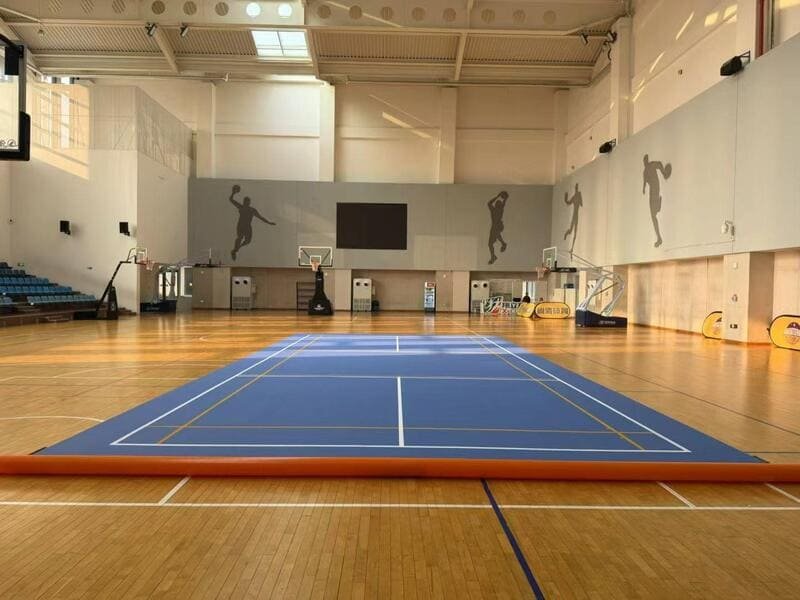
Dystrybutorzy powinni planować zapasy sportowych podłóg z PVC, korzystając z segmentacji ABC, obliczonych punktów ponownego zamówienia oraz magazynowania z śledzeniem partii. Pozwala to zachować równowagę między kapitałem obrotowym a ryzykiem braku zapasów, zapewniając jednocześnie spójność koloru i jakości we wszystkich projektach.
Od lat zajmuję się montażem sportowych podłóg z PVC i mogę powiedzieć, że rozmowy na temat zapasów zawsze sprowadzają się do jednego dylematu: jeśli zbyt dużo środków zamrozisz w zapasach, ucierpią na tym Twoje marże; jeśli natomiast zapasy będą zbyt małe, nie dotrzymasz terminów realizacji projektów, a takie okazje już się nie powtórzą. Podłogi sportowe z PVC nie są jak zwykłe materiały budowlane. Rolki zajmują sporo miejsca w magazynie, partie barwiące muszą być dopasowane w obrębie jednego boiska lub sali gimnastycznej, a parametry techniczne, takie jak grubość i amortyzacja (elastyczność punktowa vs elastyczność powierzchniowa), nie są wymienne. Co więcej, popyt jest nieregularny — zależy od przerw szkolnych, cykli przetargowych i sezonowej popularności sportów, a nie od stałej sprzedaży detalicznej. W tym artykule omówiono praktyczny, krok po kroku sposób na oszacowanie wielkości zapasów, podjęcie decyzji o tym, co faktycznie kupić, zaplanowanie budżetu na ten cel i jednoczesną szybką realizację zamówień.
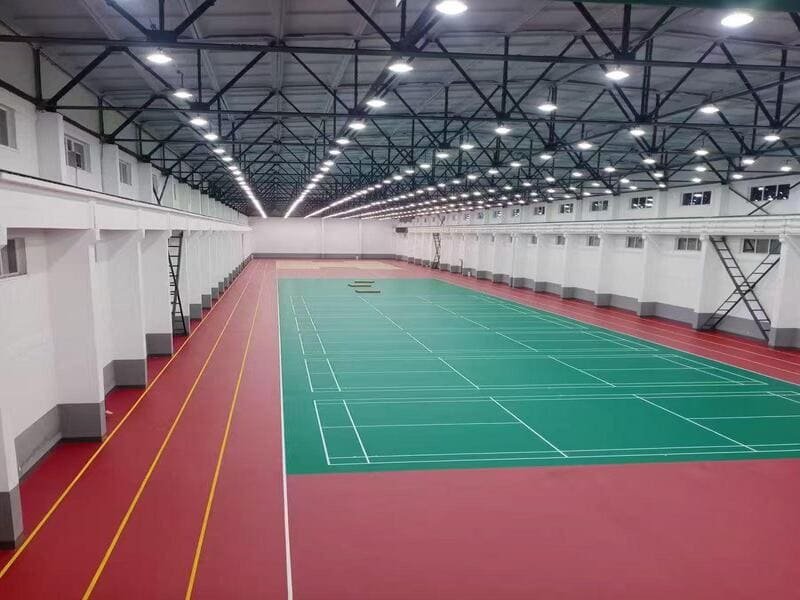
Zanim przejdziemy do wzorów i list kontrolnych, warto zrozumieć, dlaczego nie wszystkie pozycje asortymentowe (SKU) wymagają tej samej strategii zaopatrzenia. Zacznijmy od segmentacji.
Jak należy podzielić zapasy sportowych podłóg z PVC na segmenty?
Zastosuj analizę ABC: klasa A obejmuje szybko sprzedające się, uniwersalne kolory i standardowe grubości, klasa B – pół-niestandardowe podłogi o wysokich parametrach użytkowych, a klasa C – niszowe produkty wykonywane na zamówienie.
Z mojego doświadczenia wynika, że około 20% pozycji asortymentowych generuje 80% wolumenu zamówień, a sportowe podłogi z PVC nie stanowią tu wyjątku. Popyt wynika z kilku przewidywalnych czynników: harmonogramów remontów w szkołach i na uczelniach, które skupiają się wokół przerw letnich i zimowych, budowy komercyjnych siłowni i kortów do pickleballa oraz zmieniającej się popularności sportów halowych, takich jak badminton, koszykówka i futsal. Skojarzenie tych czynników z listą jednostek magazynowych pozwala opracować wielopoziomowy plan zaopatrzenia.
Poziomy zaopatrzenia ABC
| Klasa | Typ produktu | Obroty | Priorytet zaopatrzenia |
|---|---|---|---|
| A | Wzór drewnopodobny, standardowy zielono-niebieski, 4,5 mm–6,0 mm | Wysoki | Utrzymuj zapasy przez cały rok |
| B | Podłogi o grubości 7,0 mm i większej, o elastyczności punktowej, z fakturą lub w niestandardowych kolorach | Umiarkowany | Bufor światła zapasowego, ponowne zamówienie po wyzwoleniu |
| C | Indywidualne oznakowanie, ekstremalnie wytrzymała konstrukcja, niszowe dyscypliny sportowe | Niski | Wyłącznie na zamówienie |
Najczęstszym błędem, jaki dostrzegam u dystrybutorów, jest próba utrzymywania pełnego asortymentu pozycji 100%. Powoduje to zamrożenie kapitału w zapasach klasy C, które mogą leżeć przez rok, podczas gdy pozycje klasy A — te, które faktycznie zapewniają zlecenia o szybkim obrocie — kończą się w najgorszym możliwym momencie.
Segmentacja wskazuje kategorię, ale nowi dystrybutorzy zawsze zadają bardziej konkretne pytanie: które konkretne produkty należą do tej grupy produktów klasy A. Przejdźmy do konkretów.
Jakie produkty z zakresu podłóg sportowych z PVC powinni mieć w magazynie dystrybutorzy?
Dystrybutorzy powinni skupić się przede wszystkim na uniwersalnych wykładzinach o grubości 4,5–5,0 mm oraz na standardowych wzorach imitujących drewno lub w kolorach niebieskim i zielonym, ponieważ produkty te nadają się do najszerszego zakresu projektów związanych ze szkołami, salami gimnastycznymi i obiektami wielofunkcyjnymi, a jednocześnie charakteryzują się najszybszym odsprzedażą.
To pytanie zadaje mi się najczęściej wprost, a jest to kwestia, którą zazwyczaj pomija się w ogólnych poradach dotyczących zapasów. Nie każdy opis z kategorii „klasy A” przekłada się na zamówienie zakupu. Opierając się na tym, co faktycznie sprzedaje się najszybciej w projektach szkolnych, sportowych i komunalnych, oto jak podzieliłbym to na kategorie dla dystrybutora, który zaopatruje swój pierwszy lub kolejny kontener.
Zalecane priorytety uzupełniania zapasów według produktów
| Produkt | Zalecany poziom zapasów | Dlaczego |
|---|---|---|
| Podłoga do badmintona o grubości 4,5 mm | Wysoki | Stały popyt ze strony klubów i szkół przez cały rok |
| Wielofunkcyjna podłoga sportowa o grubości 5,0 mm | Wysoki | Nadaje się do koszykówki, siatkówki i ogólnych zajęć na siłowni |
| Podłoga do sali gimnastycznej w szkole o grubości 6,0 mm | Średnio-wysoki | Cykle projektów szkolnych są przewidywalne, ale mają charakter sezonowy |
| Podłoga amortyzująca wstrząsy o grubości 7,0 mm+ | Niski | Wysoka wartość zamówienia, ale rzadki popyt związany z konkretnymi projektami |
| Podłogi z indywidualnym kolorem/logo | Tylko na zamówienie | Zawsze powiązane z konkretną umową, nigdy nie są to akcje spekulacyjne |
Obiekty do badmintona zazwyczaj składają zamówienia w stałych odstępach czasu, ponieważ kluby i korty rzadko zmieniają specyfikacje po ich ustaleniu. Projekty związane z salami gimnastycznymi w szkołach charakteryzują się bardziej wyraźną krzywą sezonową powiązaną z terminami remontów, dlatego zapasy należy dostosowywać do harmonogramu, a nie utrzymywać je na stałym poziomie. Wysokowydajne nawierzchnie turniejowe zapewniają wysokie marże na zamówieniu, ale prawie nigdy nie powinny być magazynowane na zapas, ponieważ grono nabywców konkretnej grubości lub certyfikatu jest wąskie.

Wiedza o tym, jakie towary należy sprowadzić, to tylko połowa sukcesu. Druga połowa to wiedza o tym, ile pieniędzy należy na to przeznaczyć.
Jak duże muszą być nakłady na zapasy u dystrybutora podłóg z PVC?
Alokacja kapitału powinna być proporcjonalna do wielkości dystrybutora: mali dystrybutorzy zazwyczaj przechowują 5–10 podstawowych pozycji asortymentowych (SKU) w jednym kontenerze, podczas gdy więksi dystrybutorzy korzystają z wielu kontenerów, w których wartość w przedziale 60–70% skupia się na produktach klasy A.
Dla właściciela firmy liczba metrów kwadratowych ma mniejsze znaczenie niż kwota na fakturze. Współpracowałem z dystrybutorami o bardzo zróżnicowanej skali działalności, a struktura kapitałowa wygląda inaczej na każdym poziomie, mimo że podstawowa logika ABC pozostaje taka sama.
Alokacja kapitału według wielkości dystrybutora
| Rozmiar dystrybutora | Liczba podstawowych pozycji asortymentowych | Typowy wolumen obrotu | Uwagi |
|---|---|---|---|
| Mały | 5–10 podstawowych pozycji asortymentowych | Jeden kontener 20GP | Skup się wyłącznie na klasie A |
| Średni | 10–20 pozycji asortymentowych | 2–5 pojemników | Dodaj wybrane podłogi wykończeniowe klasy B |
| Duży | Ponad 20 pozycji asortymentowych | Magazyn regionalny, wielokontainerowy | Szersza gama kolorów, różne grubości |
Niezależnie od skali działalności zalecam utrzymywanie produktów klasy A o łącznej wartości zapasów wynoszącej 60–70%. Nie jest to sztywna zasada, a raczej praktyczna wskazówka, która – jak zauważyłem – chroni dystrybutorów przed sytuacją, w której środki pieniężne pozostają zamrożone w zapasach, które nie zostaną sprzedane przez cały rok. Pozostałe 30–40% można przeznaczyć na produkty klasy B w zależności od lokalnych planów projektowych.
Przydzielony kapitał ma sens tylko wtedy, gdy zapasy faktycznie się obracają. To prowadzi do wskaźnika, którego dystrybutorzy nie zawsze obliczają bezpośrednio: wskaźnika rotacji zapasów.
Jaki jest zdrowy wskaźnik rotacji zapasów podłóg z PVC?
Celem zarządzania zapasami nie jest ich gromadzenie, lecz ich obrót przy jednoczesnym zachowaniu płynności finansowej. Jako punkt odniesienia:
| Klasa produktu | Docelowy obrót |
|---|---|
| Klasa A | 3–6 miesięcy |
| Klasa B | 6-12 miesięcy |
| Klasa C | Należy unikać gromadzenia zapasów; realizacja wyłącznie na podstawie zamówień związanych z projektami |
Jeśli produkt z kategorii A leży na magazynie dłużej niż 6 miesięcy, zazwyczaj oznacza to, że wybrany kolor lub specyfikacja nie odpowiadają lokalnym preferencjom, a nie że sam rynek jest słaby.
Gdy już wiesz, jakie towary należy zamówić i jaki kapitał przeznaczyć na ten cel, obliczenia dotyczące ponownego zamówienia przedstawione w następnej sekcji wskażą Ci dokładnie, kiedy złożyć zamówienie.
Jak obliczyć odpowiedni poziom zapasów podłóg z PVC?
Optymalny poziom zapasów zależy od czasu realizacji zamówienia, średniego dziennego zapotrzebowania oraz zapasu bezpieczeństwa; czynniki te są uwzględniane w formule punktu ponownego zamówienia, która uruchamia proces składania zamówień, zanim zapasy się wyczerpią.
Czas realizacji zamówienia na sportowe podłogi z PVC rzadko sprowadza się wyłącznie do czasu produkcji w fabryce. Jest to suma czasu potrzebnego na zaplanowanie partii produkcyjnej, czas transportu morskiego, załadunek kontenerów oraz odprawę celną, a każdy z tych elementów może ulec zmianie o kilka tygodni w zależności od pory roku. Zawsze doradzam dystrybutorom, aby traktowali czas realizacji jako przedział, a nie pojedynczą wartość, ponieważ właśnie ten przedział ma zniwelować zapas bezpieczeństwa.
Wzór na punkt ponownego zamówienia (ROP)
Punkt uzupełnienia zapasów (ROP) = (średni dzienny popyt × czas realizacji w dniach) + zapas bezpieczeństwa
Poziom zapasów bezpieczeństwa powinien być wyższy w przypadku pozycji klasy B, charakteryzujących się dłuższymi lub mniej przewidywalnymi terminami realizacji, a może być niższy w przypadku pozycji klasy A, których terminy realizacji z fabryki są niezawodne. Kolejne często pomijane ograniczenie: minimalne ilości zamówienia (MOQ) ustalane przez producentów nie zawsze odpowiadają możliwościom magazynowym. Obowiązują ograniczenia dotyczące układania w stosach, mające na celu zapobieganie odkształceniom rolek, dlatego przed zobowiązaniem się do realizacji MOQ należy upewnić się, że regały są w stanie pomieścić zamówienie bez ściskania rolek ponad dopuszczalne wartości.
Prawidłowe obliczenia zapewniają ochronę przepływów pieniężnych, ale nie chronią samego produktu. To zależy od tego, w jaki sposób faktycznie przechowujesz i obchodzisz się z rolkami.
Jakie czynniki techniczne mają wpływ na przechowywanie i transport podłóg z PVC?
Spójność partii barwnika, właściwa orientacja rolek podczas przechowywania oraz kontrola warunków klimatycznych stanowią największe zagrożenia techniczne związane z zapasami podłóg PCV, a sposób załadunku kontenerów ma wpływ zarówno na koszty, jak i na stan rolek.
Największym zagrożeniem dla jakości, jakie dostrzegam w magazynach dystrybutorów, jest mieszanie partii barwników. Kolor arkuszy z PVC może się nieznacznie różnić w poszczególnych partiach, a jeśli dwie rolki z różnych partii trafią na tę samą halę, linia łączenia staje się widoczna w oświetleniu sali gimnastycznej. Moja stała zasada brzmi: należy przechowywać i oznakowywać rolki według numeru partii oraz nigdy nie dzielić jednego projektu na dwie partie barwnika bez zgody klienta.
Najlepsze praktyki dotyczące przechowywania
- Orientacja rolki: W miarę możliwości rolki należy przechowywać w pozycji pionowej; długotrwałe układanie w stosy w pozycji poziomej może powodować spłaszczenia lub trwałe zagięcia, które ujawniają się po montażu.
- Klimatyzacja: Należy utrzymywać stałą temperaturę i wilgotność. PVC rozszerza się i kurczy pod wpływem wahań temperatury, a rolki przechowywane przed montażem w gorącym i wilgotnym magazynie mogą wykazywać odchylenia wymiarowe na placu budowy.
- Etykietowanie partii: Każdą rolkę należy oznaczyć numerem partii produkcyjnej w momencie odbioru, a nie podczas kompletacji.
Planowanie pojemności kontenerów i długości rolek
Maksymalizacja gęstości ułożenia kontenerów ma znaczenie dla kosztów transportu, ale nie może odbywać się kosztem krawędzi rolek — pogniecione krawędzie są częstą przyczyną odrzucenia towaru w dniu montażu. Zalecam również utrzymywanie w magazynie mieszanki rolek o różnych długościach (zazwyczaj 15 m i 20 m), ponieważ krótsze roleki zapewniają elastyczność przy montażu w mniejszych pomieszczeniach, pozwalając uniknąć marnowania materiału w przypadku rolek o dużym formacie.
Dyscyplina w zakresie magazynowania pozwala chronić to, co już posiadasz. Kolejnym etapem jest upewnienie się, że zamawiasz odpowiednią ilość, zanim pojawi się popyt.
Jak można prognozować popyt na sportowe podłogi z PVC?
Połącz dane dotyczące historycznego tempa sprzedaży z monitorowaniem lokalnych projektów w przygotowaniu — przetargów, aktualizacji obiektów komunalnych oraz ofert wykonawców — i zgromadź sezonowe zapasy rezerwowe przed szczytowymi okresami remontowymi.
Historyczne dane dotyczące sprzedaży pokazują, co się wydarzyło, ale nie dostarczają informacji na temat remontu siłowni o powierzchni 2 000 metrów kwadratowych, na który właśnie przedstawił wycenę Twój regionalny wykonawca. Z mojego doświadczenia wynika, że dystrybutorzy, którzy najlepiej prognozują, łączą oba elementy: tempo sprzedaży według pozycji asortymentowych (SKU) z ostatnich 30/60/90 dni oraz aktywne śledzenie ogłoszeń o przetargach, modernizacji miejskich obiektów sportowych oraz ofert w przygotowaniu u wykonawców.
Sezonowość ma równie duże znaczenie. W szczytowych okresach remontowych — często związanych z przerwami szkolnymi — warto zgromadzić zapasy buforowe z 6- do 8-tygodniowym wyprzedzeniem, ponieważ terminy realizacji nie ulegają skróceniu tylko dlatego, że popyt gwałtownie rośnie. Jeśli chodzi o stronę podaży, zawsze zalecam ustalenie z producentem prognoz kroczących na okres od 3 do 6 miesięcy. Zapewnia to priorytetowe terminy produkcyjne i otwiera możliwości negocjowania zapasów konsygnacyjnych lub magazynowania w regionalnych centrach dystrybucyjnych, co zmniejsza ilość kapitału, który trzeba zamrozić we własnym magazynie.
Prognozowanie przebiega inaczej w zależności od tego, gdzie znajduje się magazyn w stosunku do fabryki. Dystrybutorzy zagraniczni wiążą się z odrębnym zestawem zagrożeń, którymi warto się bezpośrednio zająć.
W jaki sposób zagraniczni dystrybutorzy mogą ograniczyć ryzyko związane z zapasami podłóg PCV?
Zagraniczni dystrybutorzy powinni planować cykle dostaw trwające łącznie około 8–12 tygodni, składać zamówienia przed sezonem szczytowym, aby uniknąć niedoborów kontenerów, oraz przekazywać fabryce aktualizowane prognozy, aby zapewnić sobie priorytetową produkcję.
Jeśli importujesz towary do Stanów Zjednoczonych, Europy lub innego regionu oddalonego od fabryki, Twój profil ryzyka różni się od profilu dystrybutora krajowego. Czas transportu morskiego, zatłoczenie portów, odprawa celna i wahania kursów walut – wszystkie te czynniki nakładają się na czas realizacji produkcji, a widziałem już przypadki, w których dystrybutorzy wpadali w kłopoty, nie doceniając tego złożonego cyklu.
Najważniejsze kwestie dotyczące planowania dla dystrybutorów zagranicznych
- Należy obliczyć cały cykl, a nie tylko czas produkcji. Okres od 8 do 12 tygodni od złożenia zamówienia do momentu, gdy towar będzie gotowy do wydania z magazynu, stanowi realistyczną podstawę planowania dla większości regionów.
- Złóż zamówienie przed szczytem sezonu wysyłkowego. Przed ważnymi świętami i okresami szczytowego eksportu dostępność kontenerów maleje; wczesne złożenie zamówienia pozwala uniknąć płacenia wyższych stawek spotowych lub utraty terminu wypłynięcia statku.
- Przekaż prognozy swojej fabryce. Dzięki prognozom na okres 3–6 miesięcy producenci mogą zarezerwować dla Państwa terminy produkcyjne, co ma kluczowe znaczenie zwłaszcza wtedy, gdy w sezonie szczytowym moce produkcyjne fabryk są ograniczone.
- W budżecie należy uwzględnić koszty magazynu i regałów. Koszty magazynowania za granicą w przeliczeniu na paletę lub miejsce na regale powinny być brane pod uwagę przy ustalaniu, jaka wielkość zapasu bezpieczeństwa faktycznie opłaca się utrzymywać na miejscu, a kiedy bardziej opłacalne jest częstsze zamawianie mniejszych partii.
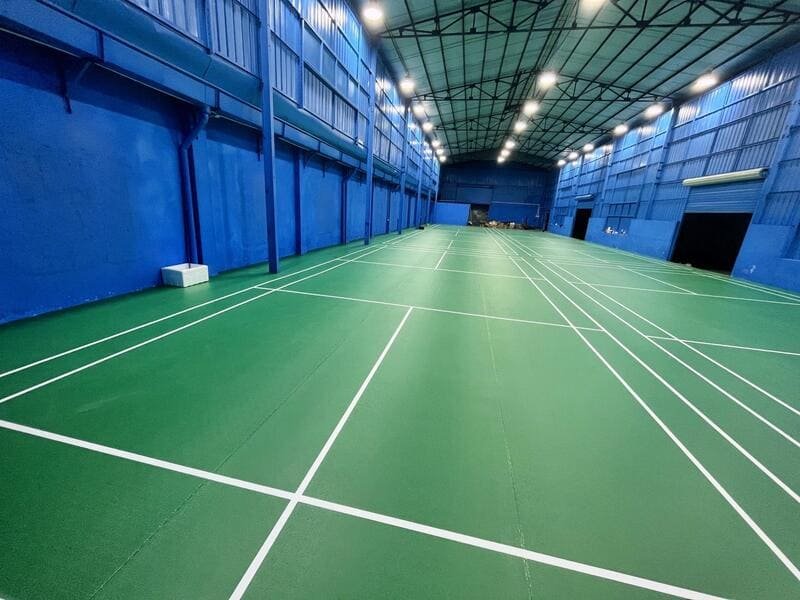
Nawet przy starannym planowaniu w zakresie produktów, kapitału i wysyłek niektóre zapasy będą się sprzedawać wolniej niż oczekiwano. Oto jak wcześnie to wykryć i jak zarządzać tymi, które nie sprzedają się tak, jak powinny.
Jak radzicie sobie z nadwyżkami magazynowymi i towarami, które nie znajdują nabywców?
Ustal progi dotyczące czasu przechowywania zapasów na około 120 dni, a następnie odzyskaj wartość poprzez tworzenie pakietów, ukierunkowane promocje lub zmianę przeznaczenia uszkodzonych rolek, zamiast pozwalać, by zapasy leżały bezczynnie.
Wczesne wykrycie towaru, który długo leży na magazynie, jest znacznie tańsze niż stwierdzenie tego podczas corocznego audytu. Zalecam ustawienie automatycznego progu — zazwyczaj wynoszącego 120 dni — który sygnalizuje każdy niesprzedany asortyment (SKU), dzięki czemu można podjąć działania, zanim stanie się on prawdziwym martwym zapasem.
Byłem bezpośrednim świadkiem takiej sytuacji. Jeden z dystrybutorów zgromadził duże zapasy rzadko spotykanej szarej wykładziny PCV, ponieważ cena fabryczna była wówczas atrakcyjna. Osiemnaście miesięcy później większość tego towaru nadal leżała w magazynie, ponieważ lokalni wykonawcy konsekwentnie wybierali zamiast tego standardowe wzory w kolorze niebieskim oraz imitujące słoje drewna. Wniosek nie dotyczył ceny, ale dokonywania zakupów w oderwaniu od sprawdzonego lokalnego popytu.
Strategie naprawcze
| Sytuacja | Działanie |
|---|---|
| Powoli zmieniające się kolory | Zestaw jako podłoga obwodowa lub przybrzeżna w promocyjnej cenie |
| Nadwyżki magazynowe poza sezonem | Skieruj promocje do ośrodków treningowych lub domowych siłowni |
| Uszkodzone rolki zewnętrzne | Wykorzystaj je jako zestawy próbek lub zestawy do naprawy łat |
Strategie te pozwalają odzyskać środki pieniężne i przestrzeń magazynową bez konieczności całkowitego odpisania towaru, a także zapewniają, że regały klasy A pozostają wolne dla produktów, które faktycznie się sprzedają.
Wszystko to składa się na powtarzalną comiesięczną rutynę, która jest ostatnim elementem, który warto ustalić na stałe.
Jak wygląda proces planowania zapasów w ujęciu miesięcznym?
W ramach comiesięcznego cyklu operacyjnego analizowana jest dynamika sprzedaży, przeprowadzana jest kontrola zapasów partii towaru, sprawdzany jest portfel projektów, dostosowywane są zapasy bezpieczeństwa oraz wystawiane są zamówienia zakupu dostosowane do ładunków kontenerowych.
Stosuję to jako pięciopunktową listę kontrolną we współpracy z partnerami dystrybucyjnymi, a gdy już się to wejdzie w nawyk, zajmuje to zaledwie ułamek dnia:
- Przeanalizuj tempo sprzedaży — pobierz dane z ostatnich 30/60/90 dni według kodu SKU.
- Przeprowadzić kontrolę zapasów magazynowych według partii/partii barwnika — należy upewnić się, że oznaczenia są prawidłowe, zanim będzie to miało znaczenie na placu budowy.
- Sprawdź stan realizacji projektu — omówić z kluczowymi kontrahentami kwestie związane z nadchodzącymi ofertami i przetargami.
- Dostosuj zapas bezpieczeństwa — uwzględnić sezonowe zmiany w czasie realizacji zamówień, w tym przerwy świąteczne w zakładach produkcyjnych.
- Wystawianie zamówień — należy je dostosować tak, aby odpowiadały pełnym lub zoptymalizowanym ładunkom kontenerowym, a nie tylko obliczeniom punktu uzupełnienia zapasów.
Jakie dane dotyczące zapasów powinni monitorować dystrybutorzy?
Taki proces działa tylko wtedy, gdy dane są kompletne. Należy śledzić co najmniej: numer SKU, kolor, grubość, numer partii, lokalizację magazynową, datę zakupu oraz wszelkie zapasy zarezerwowane dla konkretnego klienta lub projektu. Śledzenie numerów partii ma większe znaczenie w przypadku PVC niż w przypadku większości materiałów, ponieważ jest to jedyny element, który zapobiega niedopasowaniu partii barwnika podczas trwającego montażu.
Przeprowadzanie tego co miesiąc, zamiast reagować dopiero wtedy, gdy magazyn wydaje się pusty, pozwala utrzymać kapitał obrotowy pod kontrolą bez narażania się na brak zapasów w trakcie realizacji bieżącego projektu.
Wnioski
Planowanie zapasów sportowych podłóg z PVC polega na dopasowaniu odpowiednich produktów, odpowiedniego kapitału i odpowiedniego momentu do rzeczywistego, lokalnego popytu.
Często zadawane pytania
Jaką wielkość zapasu bezpieczeństwa powinienem utrzymywać dla kolorów klasy A?
Zależy to od rzeczywistej zmienności czasu realizacji w danej fabryce, ale zazwyczaj obserwuję, że dystrybutorzy utrzymują zapasy bezpieczeństwa w wysokości 2–4 tygodni średniego popytu w przypadku niezawodnych pozycji asortymentowych klasy A, a po potwierdzeniu terminowości dostaw ze strony fabryki zmniejszają ten poziom.
Czy mogę mieszać partie barwnika, jeśli różnica wydaje się niewielka?
Nie polecam tego rozwiązania. Nawet niewielkie różnice w odcieniu stają się widoczne w oświetleniu siłowni po ułożeniu podłogi, a ponowne układanie podłogi kosztuje znacznie więcej niż utrzymywanie nieco większego zapasu materiałów z tej samej partii.
Ile opakowań powinien zamówić nowy dystrybutor podłóg z PVC?
Większość nowych dystrybutorów zaczyna od jednego kontenera 20GP, w którym skupia się na 5–10 pozycjach asortymentowych klasy A, a następnie rozszerza działalność na wiele kontenerów, gdy dane dotyczące tempa sprzedaży potwierdzają, które modele i kolory faktycznie cieszą się lokalnym popytem.
Czy dystrybutorzy powinni mieć w magazynie produkty o różnych grubościach?
Tak, ale nie w równych proporcjach. Zalecam, aby w ofercie podstawowej uwzględnić produkty o grubości 4,5–5,0 mm, przeznaczone na ogólny popyt, a następnie dodać mniejszą ilość produktów o grubości 6,0 mm na potrzeby projektów szkolnych, przy czym podłogi amortyzujące o grubości 7,0 mm i większej należy traktować jako produkty dostępne wyłącznie na zamówienie, a nie jako zapasy magazynowe przeznaczone do sprzedaży z własnej inicjatywy.
Jak długo można przechowywać rolki sportowej wykładziny z PVC?
Przy odpowiednim przechowywaniu w pozycji pionowej i stabilnych warunkach klimatycznych rolki można przechowywać przez rok lub dłużej bez utraty jakości, choć nadal zalecam rotację zapasów w ramach 3–6-miesięcznego okresu rotacji klasy A, aby uniknąć zamrożenia środków pieniężnych.
Czy powinienem kupować bezpośrednio od producentów, czy w lokalnych magazynach?
Zakup bezpośrednio z fabryki zazwyczaj zapewnia korzystniejsze ceny i lepszą kontrolę nad partiami, ale wymaga planowania z uwzględnieniem pełnego cyklu dostaw trwającego 8–12 tygodni; zakup z lokalnego magazynu wiąże się z wyższymi kosztami jednostkowymi, ale eliminuje ryzyko związane z czasem realizacji w przypadku pilnych projektów.
Jaką długość rolki powinienem ustawić jako domyślną dla standardowego asortymentu?
Większość dystrybutorów osiąga największą elastyczność, utrzymując w magazynie zarówno rolki o długości 15 m, jak i 20 m – wykorzystując krótsze rolki do mniejszych pomieszczeń, a dłuższe rezerwując na pełnowymiarowe boiska, co pozwala ograniczyć ilość odpadów powstałych w wyniku przycinania.
Czy warto negocjować z producentem warunki dotyczące towaru w konsygnacji?
W przypadku towarów klasy B, na które popyt jest umiarkowany, ale nieprzewidywalny, magazynowanie na zasadzie konsygnacji lub w regionalnych centrach dystrybucyjnych może znacznie zmniejszyć poziom zaangażowanego kapitału, a jednocześnie zapewnić dostępność produktów w pobliżu klientów.
O autorze
Zajmuję się aspektami inżynieryjnymi i montażowymi związanymi z produkcją sportowych podłóg z PVC. Posiadam praktyczne doświadczenie w zakresie produkcji na zamówienie i seryjnej, doboru materiałów oraz optymalizacji projektów dla dystrybutorów i wykonawców. Moje doświadczenie obejmuje zarówno planowanie produkcji w zakładzie, jak i montaż na placu budowy – i właśnie z tej perspektywy napisano niniejszy artykuł.
Masz pytania dotyczące planowania partii, alokacji kapitału lub tworzenia prognozy kroczącej we współpracy z partnerem produkcyjnym? Wyślij mi wiadomość — chętnie omówię z Tobą Twoją konkretną sytuację w zakresie zapasów.