


Understanding PVC Mats for the Gym
PVC gym mats are durable, cost-effective, and easy-to-maintain flooring solutions for home and light commercial...
Oct

FAQs and In Depth Answers for Rubber Mats
Choosing the right rubber mat requires understanding its core function: to enhance safety, reduce fatigue,...
Oct
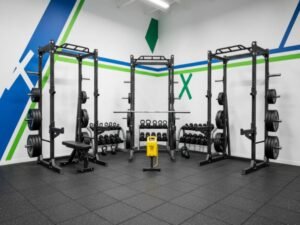
What Is the Difference Between PVC and Rubber Sports Flooring
The true difference lies in their core structure: PVC uses a layered, synthetic design for...
Oct

What are the Disadvantages of Rubber Flooring
The core drawbacks of rubber flooring are often strong odor, heavy mass, high cost for...
Oct
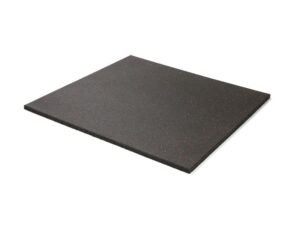
Is American or Chinese Manufacturing Better Rubber Gym Flooring
American and Chinese rubber gym flooring differ mainly in cost, quality consistency, and adherence to...
Oct
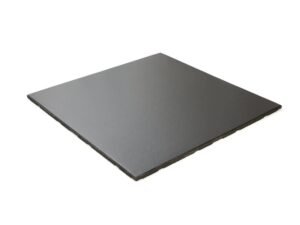
How to Choose the Right EPDM Top Layer Thickness for Composite Rubber Gym Floor Tile
The right EPDM thickness depends on the gym zone’s traffic and activity. Thicker EPDM layers...
Oct
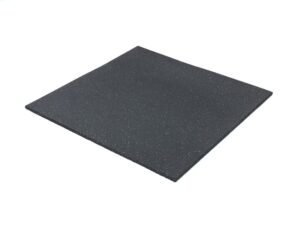
How to Choose Composite Rubber Floor and Granulated Tiles
Looking at rubber gym floor tiles and seeing two different names? Many buyers struggle to...
Oct
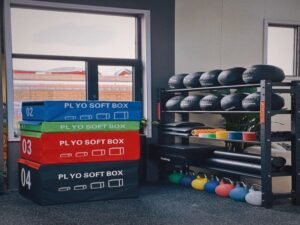
What is the Best Gym Flooring For Home Gym
For most home gyms, high-density rubber flooring is the best choice. It provides the greatest...
Sep
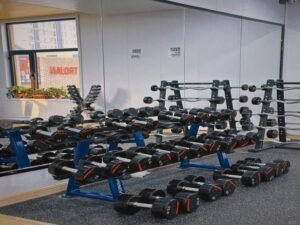
What Are the Best Home Gym Flooring Ideas for Workout and Budget
For most home gyms, the best all-around idea is using interlocking rubber tiles. They provide...
Sep
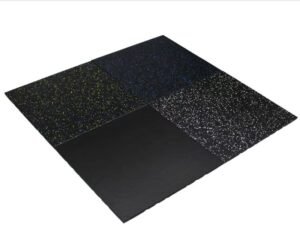
How to Choose Home Gym Floor
For most home gyms, rubber flooring is the best all-around choice. It offers the ideal...
Sep