


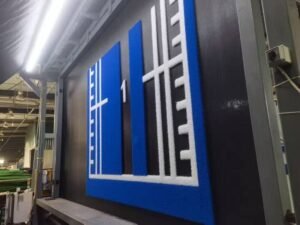
What Is Yarn Twist in Gym Turf
Yarn twist is the process of winding multiple synthetic fibers together to create a single,...
May
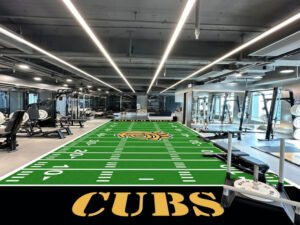
How Do You Choose Turf for Kids Training Areas
Choosing the right turf for kids requires balancing soft fibers to prevent skin burns with...
May
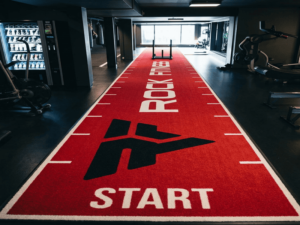
How Do You Choose Turf for Franchise Gyms
To choose turf for franchise gyms, you must balance high-density pile for sled friction, material...
May
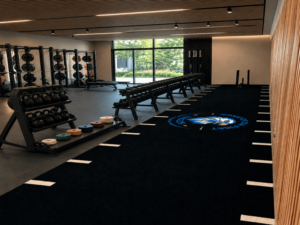
How Do You Compare Turf Samples Before Buying
To compare turf samples effectively, you must evaluate the physical fiber resilience, stitch density, and...
May
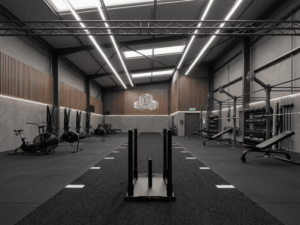
How Do You Prevent Turf Lines from Fading
Preventing gym turf lines from fading requires choosing inlaid fiber construction over surface paint and...
May
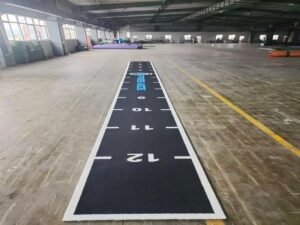
How Do You Choose Turf for Prowler Training
Choosing the right turf for prowler training requires balancing high fiber density (at least 50,400...
May
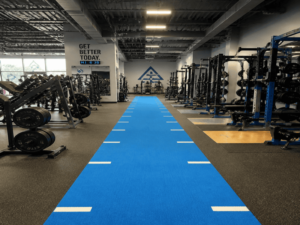
How Do You Pack Gym Turf Rolls for Export
To pack gym turf rolls for export, you must use high-density cardboard cores, wrap them...
May
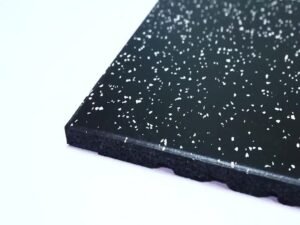
How Do You Choose Turf Color for Gym Branding
Choosing the right gym turf color involves balancing your brand’s visual identity with practical needs...
May
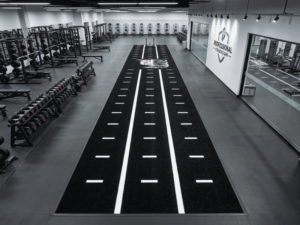
How Do You Choose Turf for Battle Rope Zones
To choose the best turf for battle rope zones, prioritize high-density nylon or texturized polyethylene...
Apr
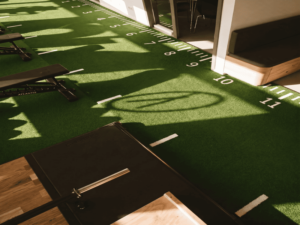
Can Gym Turf Cause Friction Burns, and How Do You Reduce the Risk
Gym turf can cause friction burns when skin rubs quickly against synthetic fibers, but choosing...
Apr