


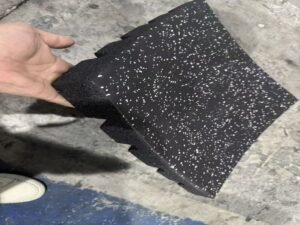
Why Thickness Alone Does Not Guarantee Soundproofing
Thickness is not the main factor in soundproofing because density and decoupling matter more. A...
Feb
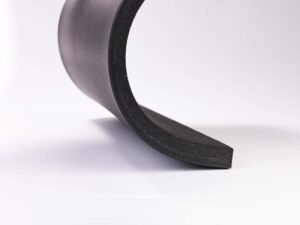
What Causes Acoustic Performance to Degrade Over Time
Acoustic performance in rubber mats degrades primarily due to mechanical fatigue, environmental aging, and chemical...
Feb
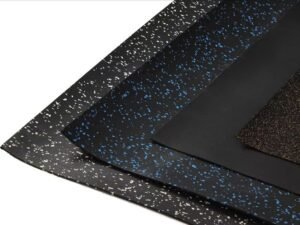
What Causes Rubber Flooring Edges to Curl After Installation
Rubber flooring edges curl mainly due to improper acclimation, where the material tries to return...
Feb

How Does Rubber Gym Flooring Perform in Cold Climate Gyms
Rubber gym flooring is the most resilient option for cold climates because it maintains its...
Feb
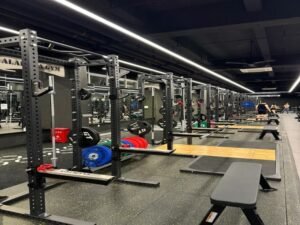
What Cleaning Chemicals Slowly Destroy Rubber Gym Flooring
Harsh chemicals like bleach, acid-based cleaners, and petroleum solvents destroy rubber flooring by dissolving the...
Feb

How Rolling Loads Damage Rubber Flooring in Commercial Gyms
Rolling loads damage rubber flooring by creating concentrated compressive and lateral forces that exceed the...
Feb

How to Soundproof a Flat: 5 Pro-Level Ways
You can soundproof a flat by matching the specific noise type—such as impact, airborne, or...
Feb
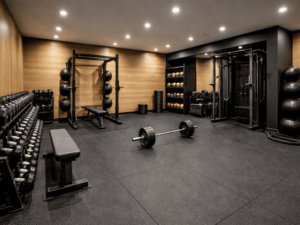
What is the Best Gym Flooring? An Engineer’s Guide
For 90% of commercial and home gyms, the best flooring is 8mm-10mm Rolled Rubber. It...
Jan

What Steps Build a Truly Soundproof Room
To build a truly soundproof room, you must decouple the entire structure from the existing...
Dec

What Is the Best Soundproof Flooring for Families
The best soundproof flooring for families depends on your specific priority: Luxury Vinyl Plank (LVP)...
Dec