


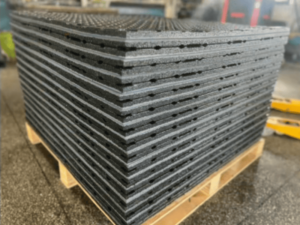
What Makes Rubber Flooring Look Premium in a Gym
A premium gym floor combines visual seamlessness, high vulcanized density, zero toxic odors, and long-term...
May
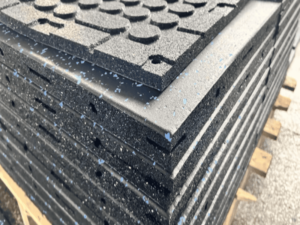
How Do You Accept a Rubber Flooring Project After Installation
Accepting a rubber flooring project involves a systematic inspection of seams, adhesion, and finish before...
May

How Do You Load Rubber Rolls in a Container
To load rubber rolls in a container, you must use a forklift with a carpet...
May
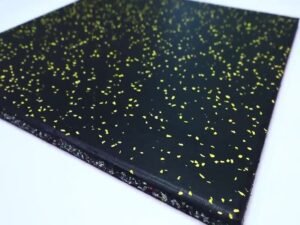
What Is the Best Rubber Flooring for Free Weight Areas
The best rubber flooring for free weight areas is high-density vulcanized rubber with a minimum...
Apr
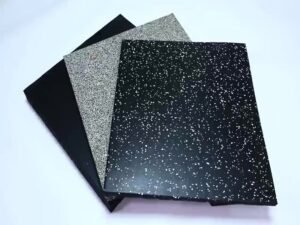
How Do You Match Rubber Flooring Thickness Between Different Gym Zones
To match rubber flooring thickness between different gym zones, you must use transition strips or...
Apr
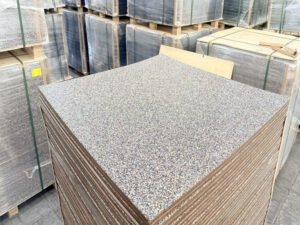
What Expansion Gap Does Rubber Flooring Need at Walls and Columns
Standard rubber flooring installations require an expansion gap of 1/4 inch to 3/8 inch (6mm...
Apr
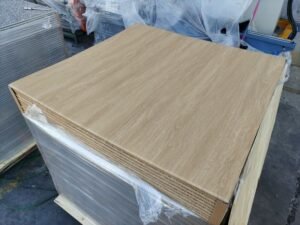
What Is the Best Rubber Flooring for Group Fitness Studios
The best rubber flooring for group fitness studios is high-density rubber rolls with a thickness...
Apr
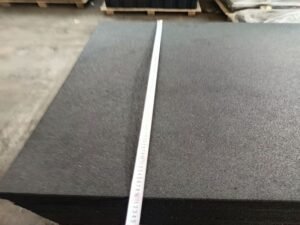
How Do You Level a Subfloor Before Installing Rubber Gym Flooring
To level a subfloor, you must first grind down high spots and then fill low...
Apr
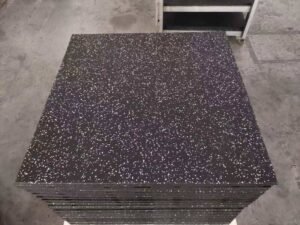
Why Does Rubber Flooring Turn Glossy in High-Traffic Areas
Rubber flooring turns glossy due to mechanical friction from foot traffic which polishes the surface,...
Apr
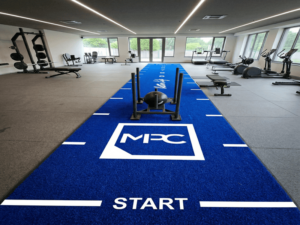
Can You Install Gym Turf Over Existing Rubber Flooring
Yes, you can install gym turf over existing rubber flooring provided the base layer is...
Apr