


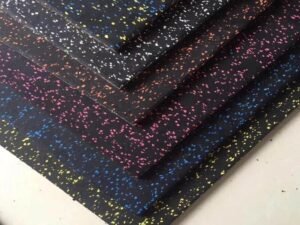
How Do You Clean Chalk and Magnesium Dust from Rubber Gym Floors
To clean chalk from rubber gym floors, first vacuum the area thoroughly while it is...
Mar
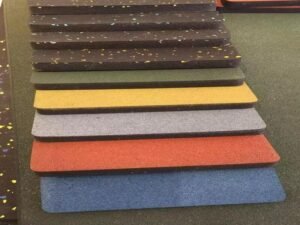
Can You Install Rubber Flooring Over Plywood
Yes, you can install rubber flooring over plywood, provided the wood is structurally rigid, sanded,...
Mar
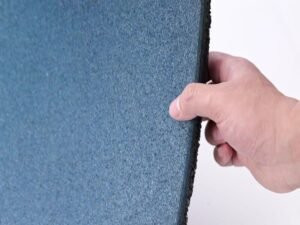
How do you measure gym floor impact noise (IIC)
Measuring gym floor impact noise (IIC) requires a controlled acoustic test following ASTM E492 (laboratory)...
Mar
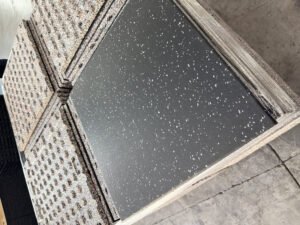
What should you choose: black rubber or EPDM speckle flooring
Choose solid black rubber if your primary goal is the lowest possible upfront cost and...
Mar
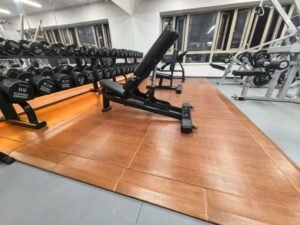
How do you remove rust stains from rubber gym floors
To remove rust stains from rubber gym floors, immediately apply a 1:1 mixture of white...
Mar
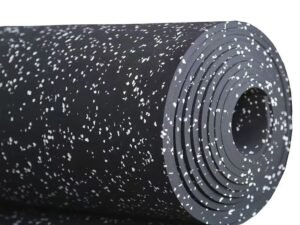
Why should rubber flooring be acclimated before installation
Rubber flooring must acclimate to reach physical equilibrium with the installation environment’s specific temperature and...
Mar
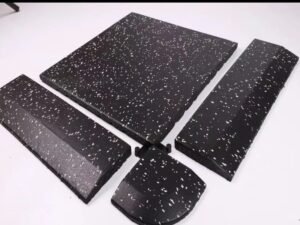
What is better for gyms: recycled rubber or virgin rubber
For most high-impact commercial gyms and powerlifting zones, recycled rubber is the better choice due...
Mar
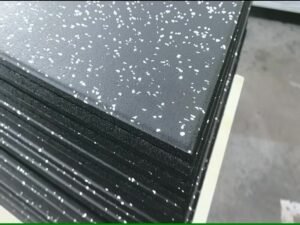
How Do You Stop Rubber Flooring Shifting Under Heavy Racks
To stop rubber flooring from shifting, you must eliminate the "skating" effect caused by vibration...
Mar
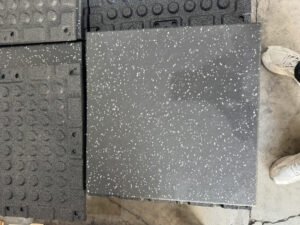
How Do You Compare Rubber Floors by Rebound and Energy Return
To compare rubber floors, you must evaluate the ratio of Force Reduction to Vertical Deformation....
Mar
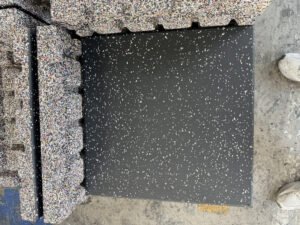
How do you remove sweat-salt buildup on rubber floors
To remove sweat-salt buildup, apply a pH-neutral cleaner to the surface, let it dwell for...
Mar