


What Is the Best Adhesive for Rubber Gym Flooring
The best adhesive for rubber gym flooring is a high-quality one-part urethane glue. It provides a permanent, flexible bond that handles the heavy impact of weights and prevents the rubber from expanding or contracting. This choice...
How Do You Stop Gym Turf from Wrinkling or Rippling
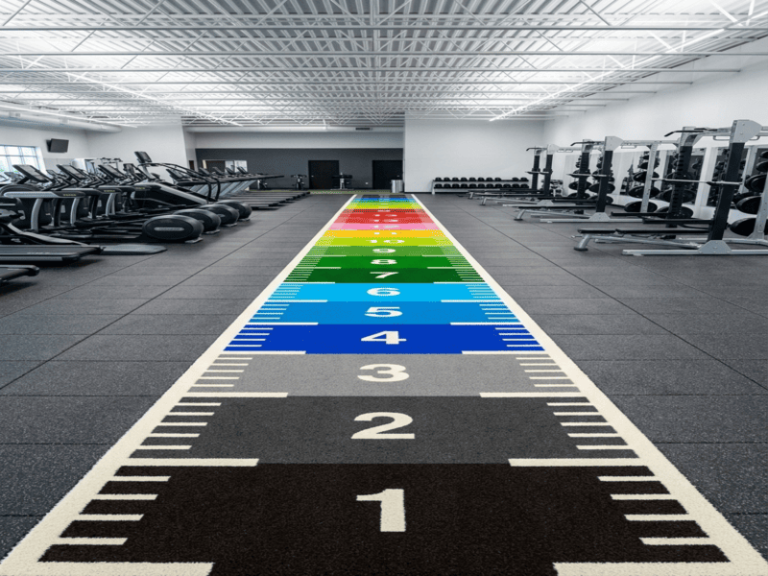
To stop gym turf from wrinkling, you must allow the material to acclimate for 48 hours, ensure a perfectly level subfloor, and use high-grade pressure-sensitive adhesive. Proper tensioning during installation and securing the perimeter with transition...
Why Does Black Rubber Flooring Develop a White Haze, and How Do You Fix It
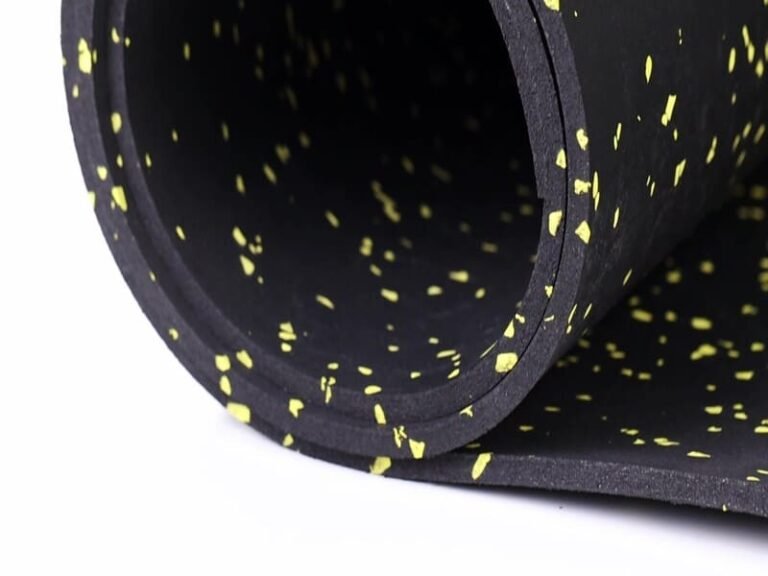
Black rubber flooring develops a white haze primarily due to a natural process called paraffin wax blooming, where internal waxes migrate to the surface for UV protection. Other causes include hard water mineral deposits, soap residue...
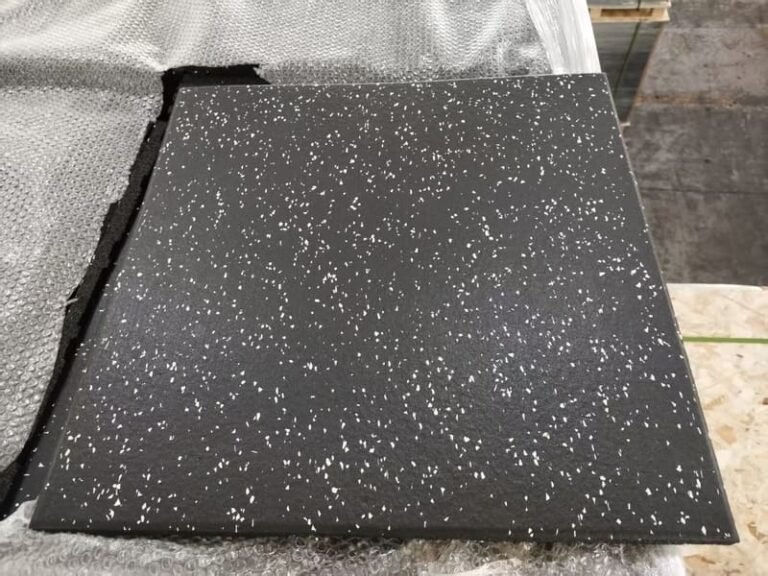
Is Rubber Flooring Safe for Basements with Moisture and Humidity
Yes, rubber flooring is highly safe and effective for damp basements because it is inorganic and water-resistant. It does not support mold growth, but success depends on using non-porous vulcanized rubber or allowing for subfloor airflow...
How to Remove Stubborn Sweat Odor Trapped in Rubber Flooring
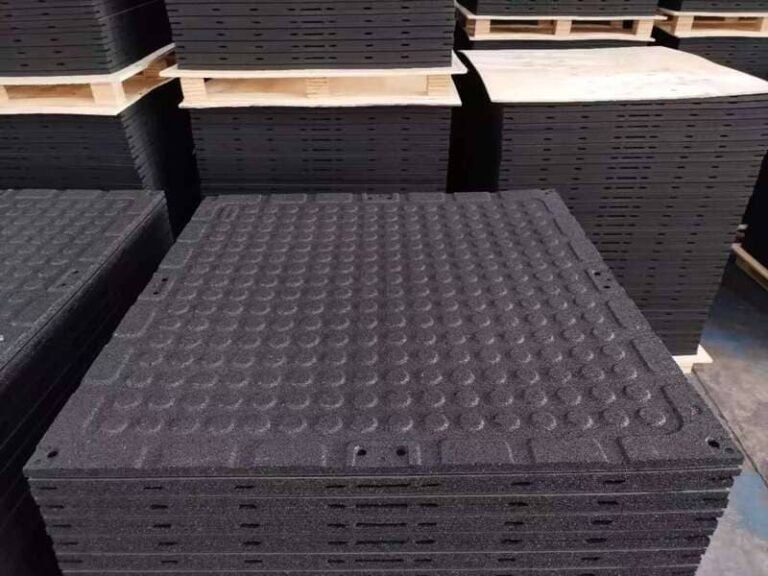
To remove sweat odor from rubber flooring, you must use an enzymatic cleaner or a pH-neutral degreaser to break down organic proteins trapped in the material’s pores. Simple mopping only cleans the surface, so you need...
How Do You Choose Gym Turf for High-Heat, Full-Sun Climates
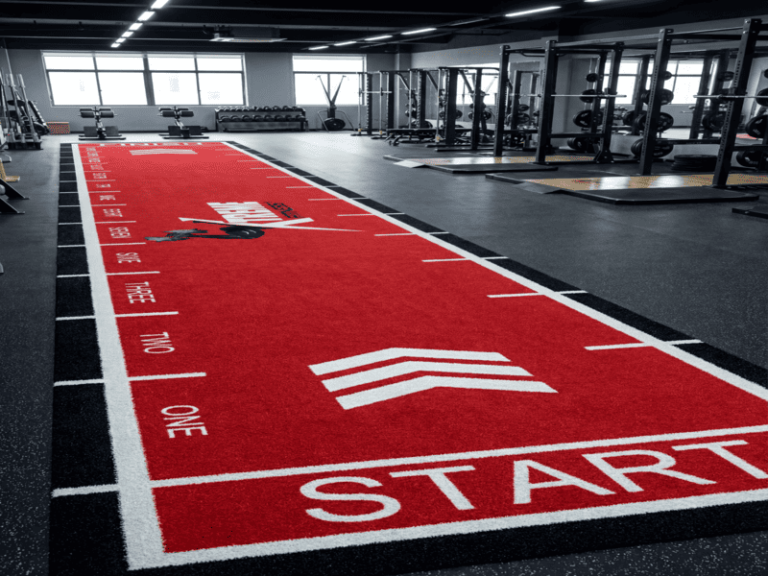
To choose gym turf for high-heat and full-sun climates, you must prioritize UV-stabilized polyethylene fibers and heat-dissipating shapes. You also need a dual-layer polyurethane backing. These features prevent the turf from melting, fading, or becoming brittle...
How Much Waste Should You Expect When Cutting Rubber Flooring Rolls
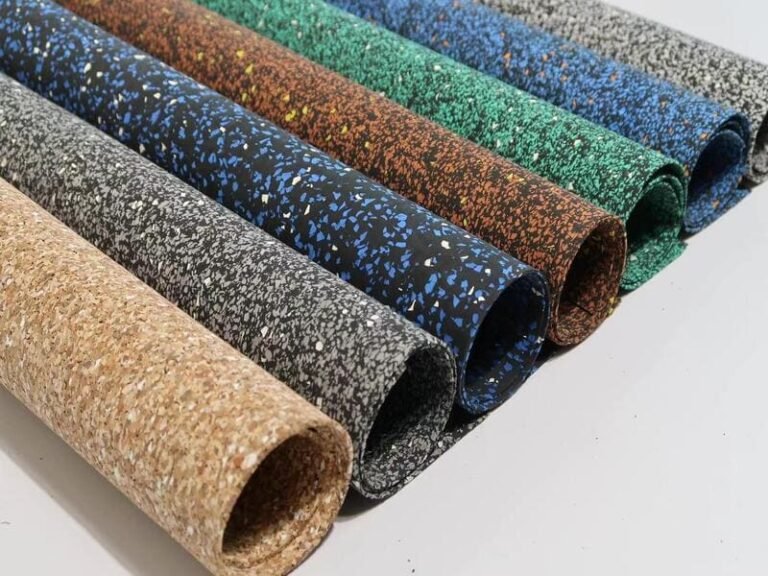
A standard rubber flooring installation requires a waste factor between 5% and 15%. For a basic rectangular room, a 5% margin is typically sufficient to cover perimeter trimming. However, spaces featuring structural pillars, alcoves, or curved...
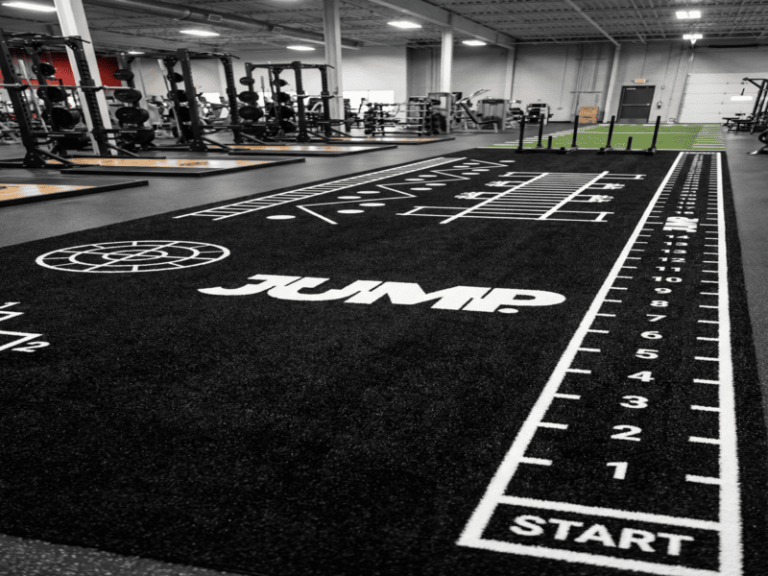
How Do You Fix Gym Turf That Starts Curling at the Edges
To fix curling gym turf, you must clean the subfloor, neutralize the backing’s physical memory with a heat gun (50°C-60°C), and apply a high-shear bonding agent like moisture-cured urethane or 15cm wide reinforced turf tape. Secure...
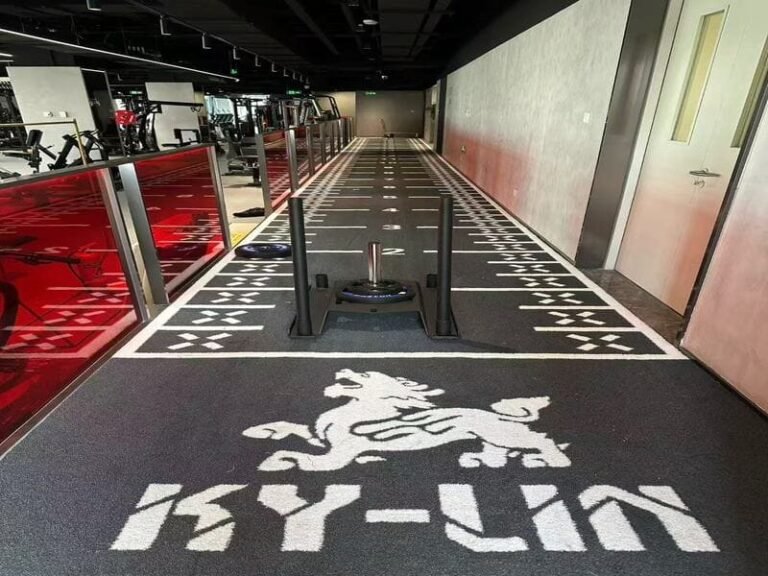
Can You Vacuum Gym Turf Without Damaging It
You can vacuum gym turf without damaging it if you use the right equipment and settings. Avoid high-speed beater bars that fray fibers. Instead, use a vacuum with adjustable height and strong suction to remove deep-seated...
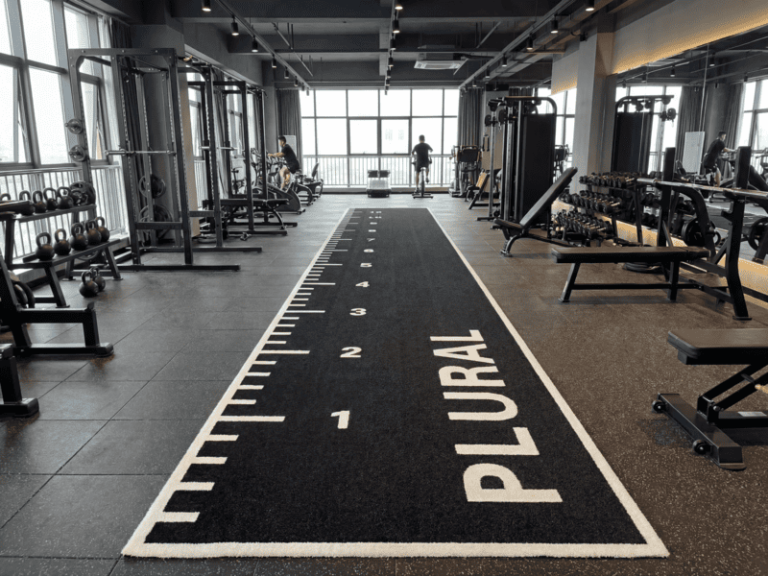
How Do You Install Gym Turf on Concrete
To install gym turf on concrete, the method depends on your usage: for home gyms, use heavy-duty double-sided acrylic tape on edges and seams; for commercial sled lanes, apply a full-spread pressure-sensitive adhesive. In all cases,...
Fitness and sports flooring specialists
We are experts in fitness and sports flooring. If you would like to get a free sample and quote, please contact us now.