


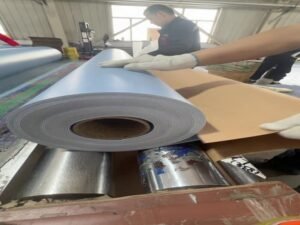
Can PVC Flooring Withstand Forklift Traffic
Some industrial PVC flooring can handle forklift traffic, but forklift tonnage alone does not decide...
Aug
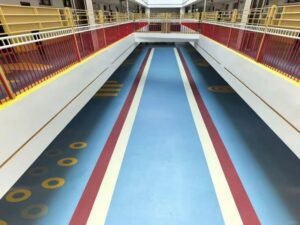
Does Subfloor pH Affect Vinyl Flooring Adhesion
Yes. Excessive subfloor alkalinity can weaken or damage certain vinyl flooring adhesives and contribute to...
Aug
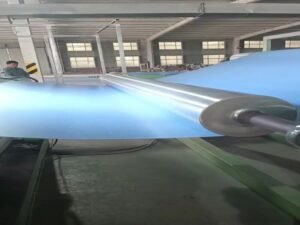
What Performance Does Laboratory Vinyl Flooring Need
Laboratory vinyl flooring needs chemical resistance, cleanable and sealed seams, appropriate slip resistance, low VOC...
Aug
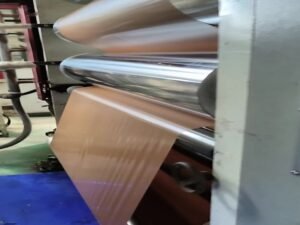
How Are Commercial PVC Flooring Transitions Designed
A commercial PVC transition is designed to close height gaps, accommodate movement, meet accessibility rules,...
Aug
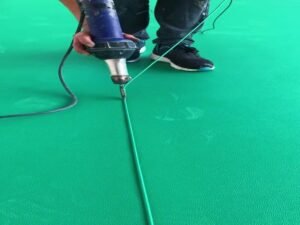
Must All PVC Sheet Flooring Seams Be Heat Welded
No, not all PVC sheet flooring seams must be heat welded. The required seam method...
Aug
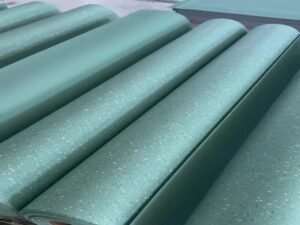
How Are Surface Defects on PVC Flooring Rolls Classified
PVC flooring surface defects are commonly classified by defect type, severity, affected area or length,...
Aug
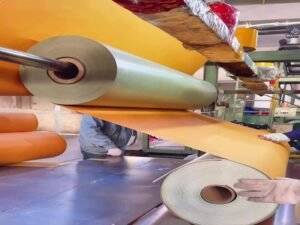
How Is PVC Flooring Quality Maintained on Repeat Orders
Repeat order quality stays consistent when a manufacturer locks the formula, controls raw materials at...
Aug
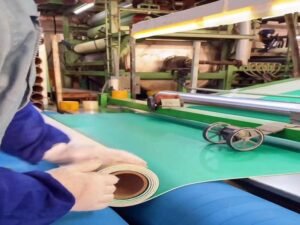
What Testing Equipment Should a PVC Flooring Factory Have
A reliable PVC/LVT/SPC factory needs lab equipment covering four areas: dimensional stability, surface wear, safety...
Aug
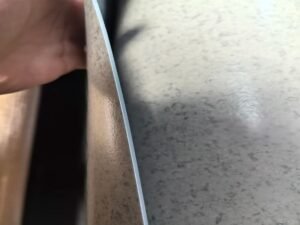
How Can PVC Sheet Flooring Reduce Corridor Cross Seams
You reduce cross seams by using custom roll lengths, running rolls parallel to the corridor,...
Aug
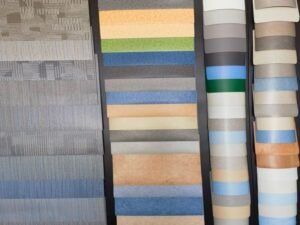
What Should Buyers Check in a PVC Flooring Mock-Up
A mock-up check confirms color, seams, subfloor compatibility, and pass/fail criteria before mass installation. Skip...
Aug