


How to Buy the Right Judo Mats
For home use, choose 1.25" to 1.5" high-density roll-out mats for easy storage. For professional...
Feb
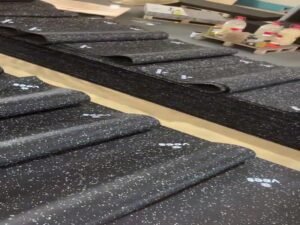
How to Master Your Space with Rubber Flooring Rolls
Rubber flooring rolls provide a durable, seamless, and cost-effective solution for high-traffic areas by offering...
Feb
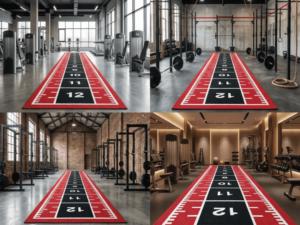
Can Flooring Improve a Gym’s Perceived Value
High-quality flooring is the most direct physical cue of a gym’s quality, affecting everything from...
Feb
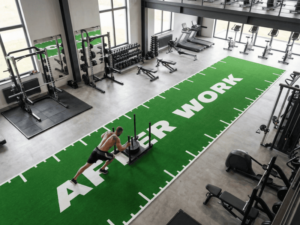
Why Turf Seams Fail First in Commercial Gyms
Turf seams fail first because they are the only point where the structural integrity of...
Feb
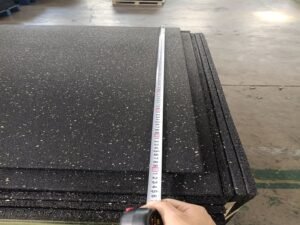
How to Get Rid of Rubber Odor in Mats
You can reduce rubber odor by 80% in 3 to 7 days by following a...
Feb

Does Artificial Grass Work Well in Gyms
Yes, artificial grass is a high-performance solution for gyms, provided you select commercial-grade non-infill polyethylene...
Feb
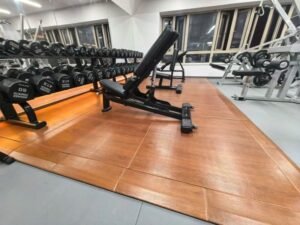
Exploring the Different Types of Flooring Underlayment
Flooring underlayment is a critical functional layer installed between the subfloor and the finish material....
Feb
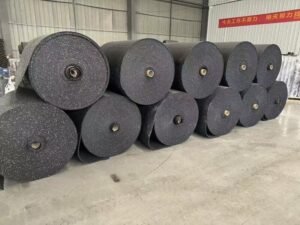
How to Install Rubber Flooring Rolls
Installing rubber flooring rolls involves six key steps: measure the room, acclimate rolls for 24-48...
Feb
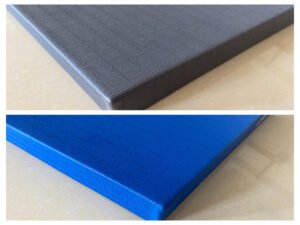
What Are the Best Mats for Jiu-Jitsu
The best mats for Jiu-Jitsu are professional Tatami mats from brands like Fuji or Zebra...
Feb
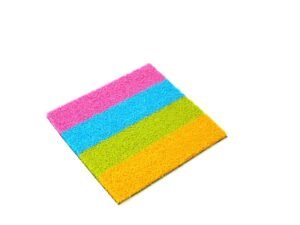
Why MF Infill-Free Turf is the Zero-Maintenance Revolution for Sports?
MF Infill-Free turf is a high-density, multi-layer engineered system that eliminates the need for performance...
Feb