


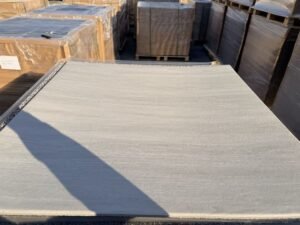
How do you prevent equipment stains on rubber floors
To prevent equipment stains on rubber floors, you must use non-reactive barriers like plastic coasters,...
Mar
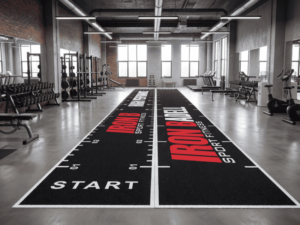
How Do You Stop Turf Edges Lifting at Transitions
To stop turf edges from lifting, you must create a mechanical "tuck" by burying the...
Mar
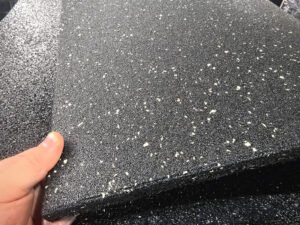
What Fire Rating Should Gym Flooring Meet
Commercial gym flooring must meet a Class I Fire Rating, defined by ASTM E648 with...
Mar
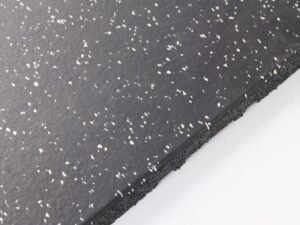
How Do You Reduce Static on Rubber Gym Floors
To reduce static on rubber gym floors, you must maintain 40-50% humidity, use pH-neutral anti-static...
Mar
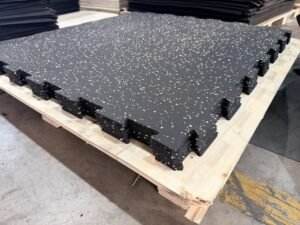
What is the Best Rubber Flooring for Fitness Studios with High Heels
The best rubber flooring for fitness studios with high heels is high-density vulcanized rubber rolls....
Mar
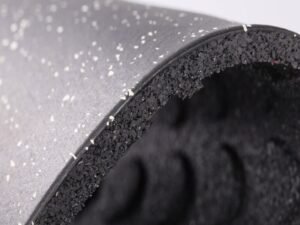
How do you check rubber flooring quality before buying
To verify rubber flooring quality, check for a neutral scent, high density (min. 1000 kg/m³),...
Mar
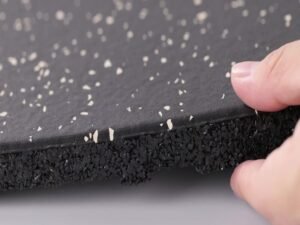
What is the Difference Between Vulcanized Rubber and Cold-Pressed Rubber
Vulcanized rubber is heat-cured to form a dense, non-porous sheet, while cold-pressed rubber is made...
Mar
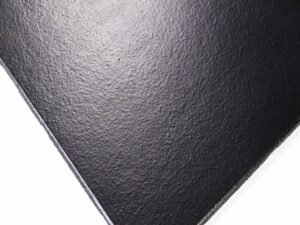
What Happens When Acoustic Underlay Is Over-Compressed
When acoustic rubber underlay is over-compressed, it stops acting as a decoupler and starts acting...
Mar
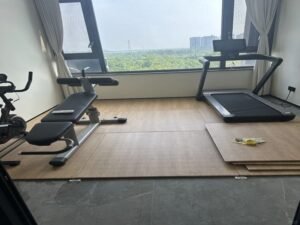
Why Rubber Alone Cannot Solve Downstairs Noise Complaints
Rubber mats alone cannot solve downstairs noise complaints because they primarily address surface impact rather...
Mar
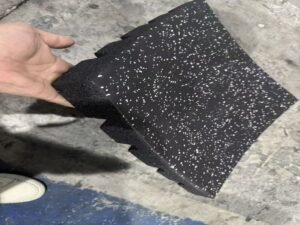
Why Thickness Alone Does Not Guarantee Soundproofing
Thickness is not the main factor in soundproofing because density and decoupling matter more. A...
Feb