


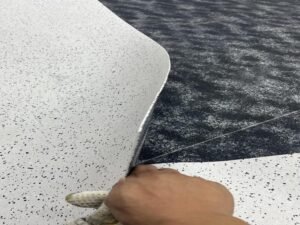
Why Anti-Static ESD Vinyl Tile Offers Permanent Conductivity
ESD vinyl tile maintains long-lasting conductivity because its homogeneous structure features a through-body network of...
Jul
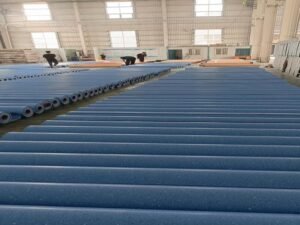
Why Does PVC Roll Flooring Warp or Curl
PVC roll flooring warps, curls, or bubbles due to poor material acclimatization, excess subfloor moisture,...
Jul
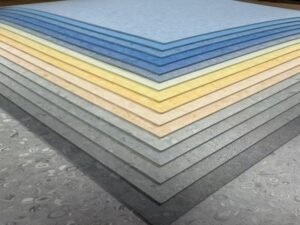
What Is The Best Type Of Floor For A Commercial Office
There is no single best flooring material for every commercial office. Commercial glue-down Luxury Vinyl...
Jul
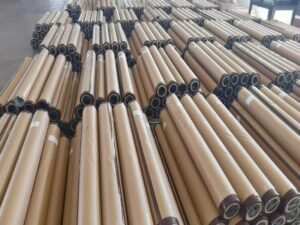
The Rise of Homogeneous Vinyl Flooring in Hospitals and Schools
Homogeneous vinyl flooring has become the industry standard for high-traffic institutional facilities because its unique,...
Jul
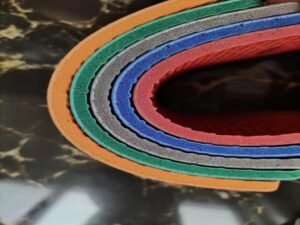
Which Is a Better Choice: PVC Flooring or Vinyl Flooring
In the flooring industry, "PVC flooring" and "vinyl flooring" are terms used interchangeably to describe...
Jul
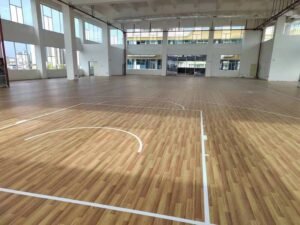
How Did Basketball Courts Evolve From Concrete to Vinyl
Basketball courts evolved from rigid outdoor foundations to a diverse range of specialized surfaces tailored...
Jul
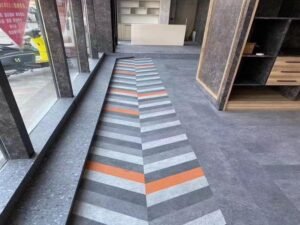
5 Easy Steps for Installing Vinyl Sheet Flooring
Installing vinyl sheet flooring is a straightforward process that combines durability, water resistance, and affordability....
Jul
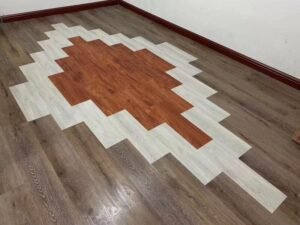
How to Install Homogeneous Vinyl Flooring
Installing homogeneous vinyl flooring is a complex technical process that requires flawless subfloor preparation, precise...
Jul
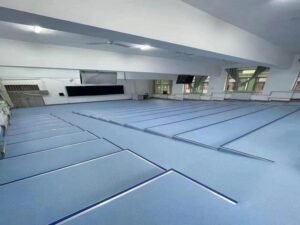
Durable ESD Vinyl Flooring: How To Buy The Best Product
Choosing the right ESD vinyl flooring is essential because the wrong choice leads to catastrophic...
Jul
What is the difference between TVOC and VOC
The main difference is that VOC refers to single organic chemical gases that release into...
Jul