


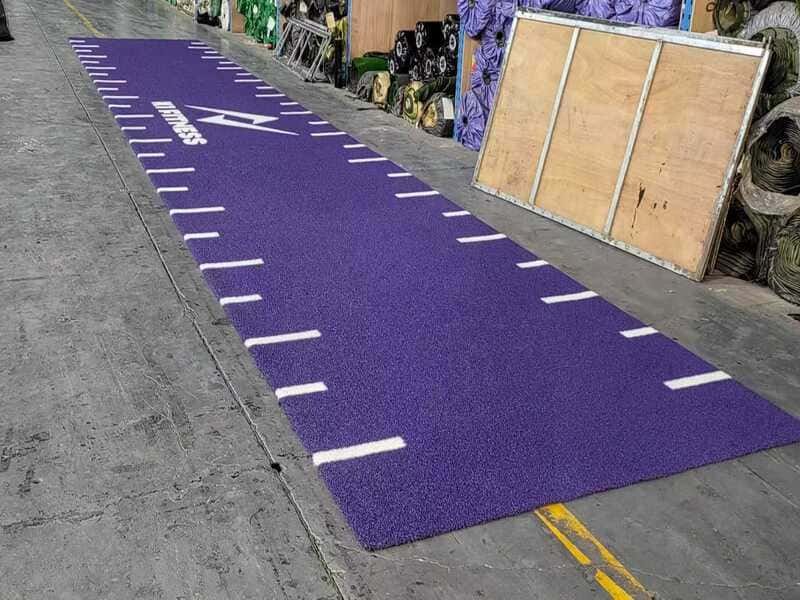
Sanitizing gym turf requires a two-step process of deep debris removal followed by the application of a pH-neutral, EPA-registered disinfectant. You must avoid bleach to protect synthetic fibers. This method kills bacteria and viruses while preserving the structural integrity of the turf for high-intensity use.
Deeply cleaning gym turf is a technical challenge because of how the material is made. From a manufacturing perspective, the yarn density and the backing design create many small spaces where sweat and skin cells hide. If you do not use the right tools, liquid cleaners just sit on the surface and do not reach the root of the fibers. High-intensity areas for sled pushes and burpees collect more salt and moisture than regular flooring. This moisture can lead to the growth of mold or bacteria like MRSA if the cleaning solution does not reach the bottom of the pile. You need to understand that the friction from sleds can also open up fiber pores, making them more likely to hold onto smells. Proper sanitation is about reaching the backing and ensuring the disinfectant stays wet long enough to work.
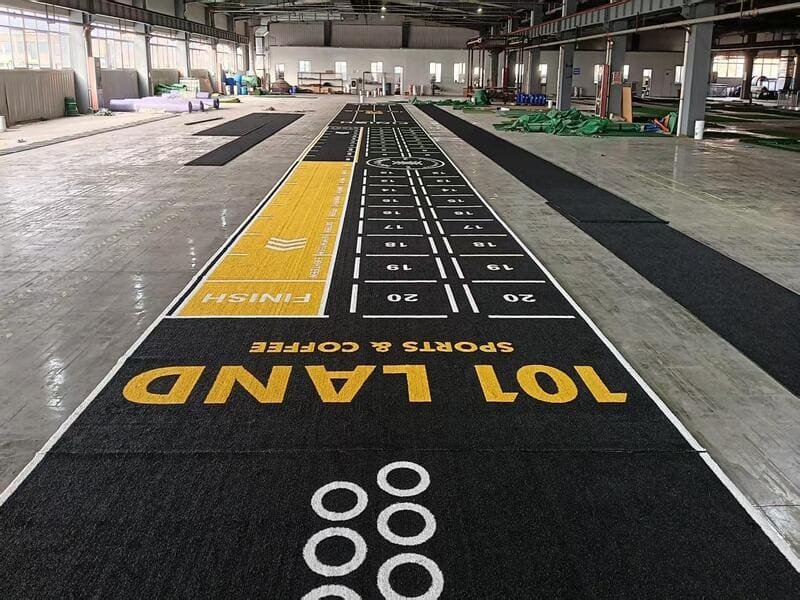
You should read the rest of this guide to learn the exact steps and chemicals needed to keep your facility safe. We will look at how different materials react to cleaners and how to stop odors before they start.
Why Is Hygiene Critical for Your Training Surface?
Hygiene is critical because synthetic turf fibers trap sweat, skin oils, and bacteria which causes odors and health risks. Unclean turf leads to skin infections and respiratory issues from mold. Regular sanitation protects members and prevents the breakdown of the expensive plastic polymers in the turf.
I have seen many gym owners ignore the technical side of turf maintenance until the smell becomes a problem. In high-sweat areas, the yarn is often made of Polyethylene (PE) or Nylon. These materials are durable but they can be damaged by the wrong chemicals. If you use harsh acids, you destroy the UV stabilizers we add during the extrusion process. This makes the grass brittle.
| Problem | Cause | Impact on Turf |
|---|---|---|
| Odor | Bacterial growth in sweat | Loss of members and bad air quality |
| Fiber Hardening | Salt buildup from sweat | Texture becomes abrasive and "crusty" |
| Mold | Trapped moisture in backing | Health risks and permanent fiber damage |
The drainage system also matters. If your turf has a perforated latex backing, the water goes through to the floor. If it is a solid backing, the sweat stays in the pile. You must match your cleaning volume to the drainage capacity of your specific turf model.
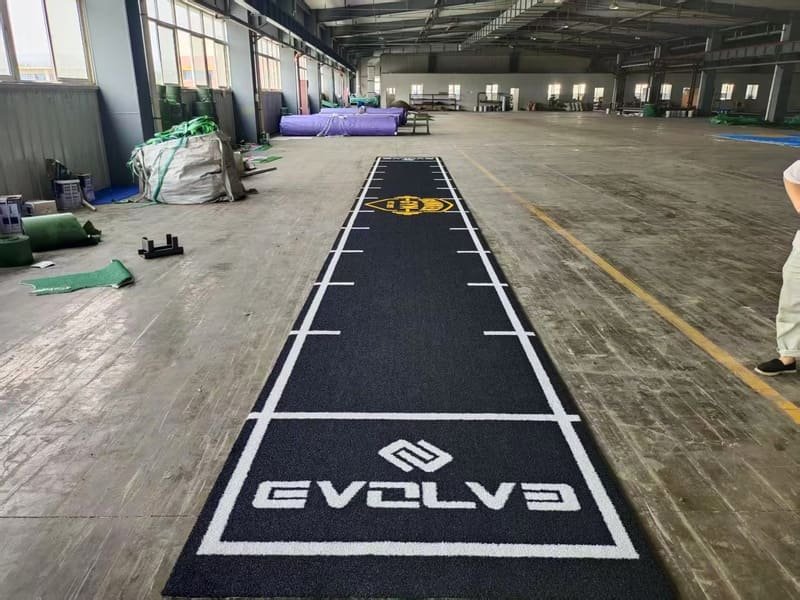
Do not stop reading here because the next section explains the exact step-by-step cleaning protocol used by professionals. Knowing the difference between daily care and deep cleaning will save you thousands of dollars in replacement costs.
What Is the Step-by-Step Sanitization Protocol?
The protocol starts with dry vacuuming to remove debris, followed by pre-treating sweat spots with a pH-neutral cleaner. You then apply a disinfectant using a sprayer or scrubber and let it sit for the required dwell time. Finally, you brush the fibers to restore their upright position.
As a production engineer, I focus on the "dwell time." This is the most important part that people skip. Most disinfectants need to stay wet on the surface for 5 to 10 minutes to kill pathogens. If you wipe it off too fast, the bacteria survive. I also suggest using a power brush or a stiff nylon brush to groom the turf. This pulls the fibers up so the cleaner can reach the root.
Engineering Maintenance Standards
- Phase 1: Dry Extraction. Use a turf-safe vacuum with a HEPA filter. This removes the "food" for bacteria, like skin cells and dust.
- Phase 2: Targeted Pre-treatment. Apply a higher concentration of cleaner to areas where people do floor work.
- Phase 3: Chemical Selection. Use a product with a neutral pH (around 7.0). This prevents the plastic fibers from becoming yellow or losing their strength.
- Phase 4: Mechanical Action. Use an automated floor scrubber with a soft cylindrical brush if the area is over 500 square feet.
| Action | Frequency | Purpose |
|---|---|---|
| Vacuuming | Daily | Removes dry soil and skin cells |
| Spot Disinfecting | After each class | Kills immediate bacteria in high-sweat spots |
| Commercial gym turf deep cleaning | Weekly | Removes salt and deep-seated oils |
| Drainage Flush | Quarterly | Cleans the backing and floor underneath |
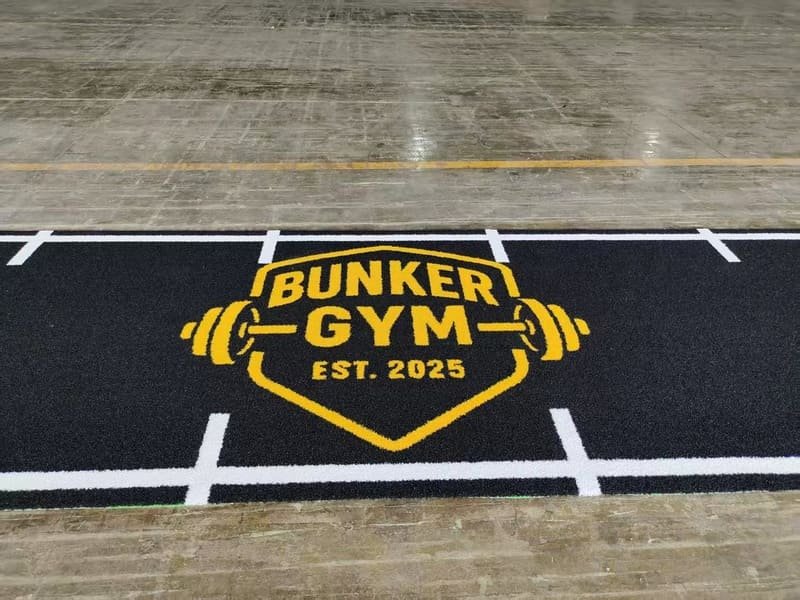
This cleaning routine will stop the "locker room" smell from ever starting. If you want to know if you can use steam or how to handle your warranty, look at the following answers to common questions.
Can You Use a Steam Cleaner on Gym Turf?
No, you should not use a steam cleaner because the high heat can melt or deform the synthetic fibers. Most gym turf is made of Polyethylene which has a low melting point. Use lukewarm water and chemical disinfectants instead to avoid permanent damage to the surface texture.
From a manufacturing view, heat is how we shape the turf. If you apply steam, you are essentially "re-molding" the grass. This leads to flat spots and a loss of the "spring" in the turf. Instead, focus on the chemical kill rate of your disinfectant. If your gym has a lot of chalk use, the chalk will mix with sweat and create a paste. This paste is very hard to remove with just water. You need a surfactant—a soap-like agent—that breaks down the oils and lifts the chalk out of the tight yarn clusters.
Common Maintenance Mistakes
- Using Bleach: It breaks down the molecular bonds of the yarn. The turf will start to shed "dust" which is actually broken plastic.
- Over-wetting: If your subfloor is wood or lacks a drain, the water will rot the floor under the turf.
- Ignoring the Infill: If you have sand or rubber infill, it acts like a sponge. You must use a vacuum that does not suck up the infill but still cleans the air gaps.
I always tell clients that prevention is cheaper than a cure. Put mats at the entrance of the turf area to catch dirt and make sure your HVAC system keeps the humidity below 50%. This stops mold from growing in the first place.
Keeping your turf clean is an investment in your equipment and your brand. If you need specific advice on which cleaners work best with our turf manufacturing process or want a custom maintenance schedule for your facility, please send me a private message.
Conclusion
Proper turf sanitation requires pH-neutral cleaners and consistent deep brushing to protect fibers and member health.
DM me for professional advice on gym turf maintenance or to get a custom solution for your facility!