


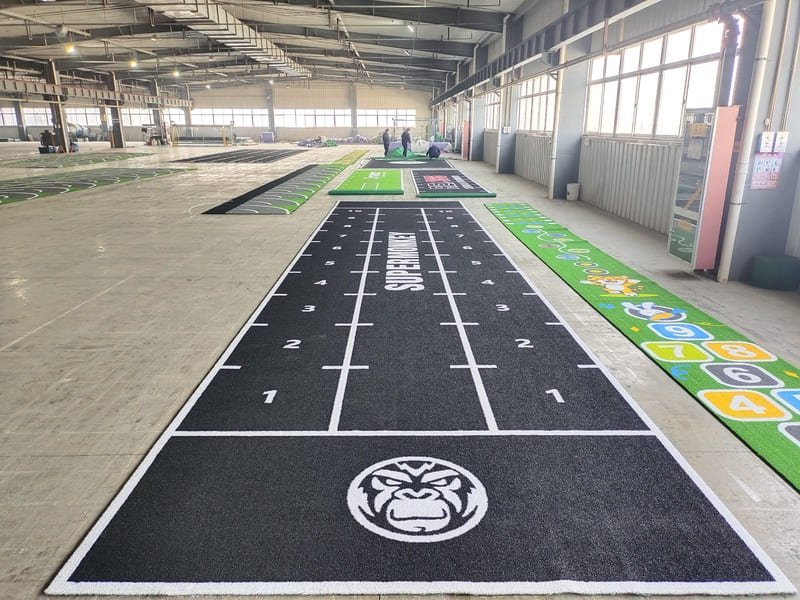
Temperature changes cause synthetic gym turf to expand, contract, and change its physical hardness. These fluctuations affect the safety of athletes and the lifespan of the floor. Proper climate control and installation are the only ways to prevent permanent damage to your gym surface.
I have spent years on the factory floor watching how polymers react to thermal stress. Most people think indoor turf is just plastic grass that stays the same forever. But turf is a live material system. Most gym turf is made of Polyethylene (PE) or Polypropylene (PP). These materials have a high rate of thermal expansion. When the temperature in your gym rises, the long plastic fibers and the backing material literally grow in size. If there is no room for this growth, the turf will lift off the floor. I have seen many facilities where the HVAC was turned off over a weekend and the owners returned to find "turf waves" everywhere. In the cold, the opposite happens. The molecules move closer together and the turf becomes stiff and brittle. My job is to design these products to handle these stresses. But even the best-engineered turf needs a stable environment to perform. If you ignore the temperature, you are shortening the life of your investment and risking injury to your members.
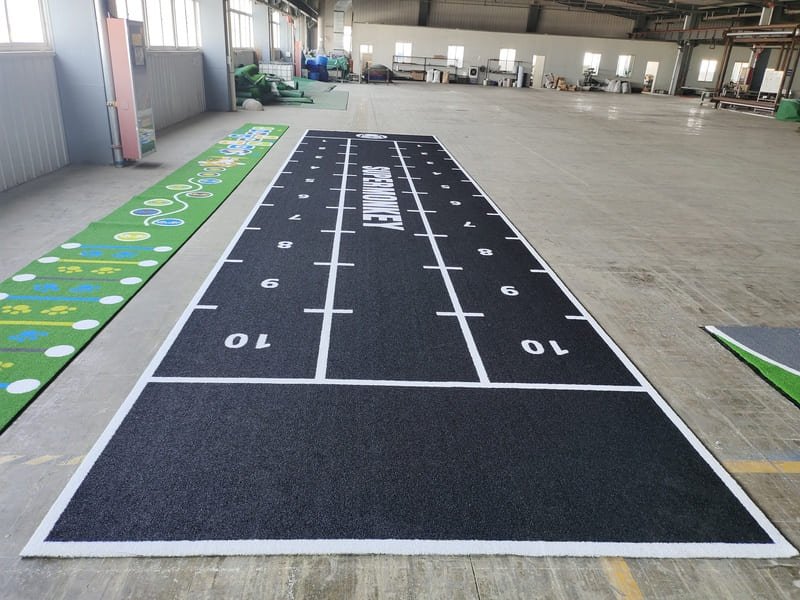
You need to know how these materials work at a molecular level to keep your gym safe. Read on to see why heat and cold change everything about your floor.
Why Does Synthetic Turf React to Heat and Cold?
Synthetic turf fibers and backings are made of polymers that expand when warm and shrink when cold. This is called thermal expansion. Since the fiber and the backing often use different materials, they move at different rates. This creates internal tension that changes the shape and feel of the turf.
| Material Type | Heat Resistance | Cold Flexibility | Common Use |
|---|---|---|---|
| Polyethylene (PE) | Good | Excellent | Standard Gym Turf |
| Polypropylene (PP) | Moderate | Fair | Low-cost Sled Tracks |
| Nylon | Excellent | Poor | High-traffic Pro Areas |
The Science of Polymer Movement in Gym Flooring
I look at turf through the lens of material science every day. When we extrude turf yarn in the factory, we are working with thermoplastic resins. These resins are sensitive to energy. Heat adds energy to the molecules and makes them push apart. This is why a 50-foot roll of turf can actually become a few inches longer on a hot summer day. Polyethylene is the most common fiber we use because it stays soft in most temperatures. But Polypropylene is much stiffer. If you have a PP sled track in a cold gym, it will feel like walking on frozen needles.
The backing is another story. We usually use a secondary backing of latex or polyurethane. These materials do not expand as much as the plastic fibers. This difference is a major problem. When the fibers grow but the backing stays still, the turf curls or ripples. In my engineering tests, I measure the "dimensional stability" of the product. This tells me how much the turf will warp. If you choose a turf with poor backing quality, the temperature will destroy the flat surface very quickly. You must understand that your floor is always moving.
This material movement is only the start of the problems you will face. Now let us look at what happens when things get too hot.
How Do High Temperatures and Humidity Damage Turf?
Extreme heat softens the plastic fibers and causes the turf to expand into waves or ripples. This heat also speeds up the release of chemicals, which creates a strong smell. High humidity and heat together can also weaken the glue that holds your seams together, leading to floor failure.
The Problems of Fiber Softening and Expansion
When temperatures rise above 30°C, choosing gym turf designed for high-heat and full-sun climates becomes critical to prevent softening and deformation. I see this in the lab all the time. The fibers lose their ability to stand up straight. This makes the turf look matted and old. It also makes the surface feel "slow" to athletes because there is more friction. But the biggest danger is expansion. When the turf expands, it has nowhere to go but up. This creates "turf waves" or ripples. These are not just ugly. They are trip hazards that can cause serious lawsuits.
Heat also causes off-gassing. That "new turf smell" is actually Volatile Organic Compounds (VOCs) leaving the plastic. In a hot, unventilated gym, these gases build up and make the air quality poor. As a production engineer, I also worry about the adhesive. Most turf glue is rated for specific temperatures. If your gym gets too hot, the glue can become soft again. This means the seams can pull apart. Once a seam opens, dirt and sweat get underneath. This ruins the bond forever. You must keep your gym cool to keep the floor stable and the air clean for your members.
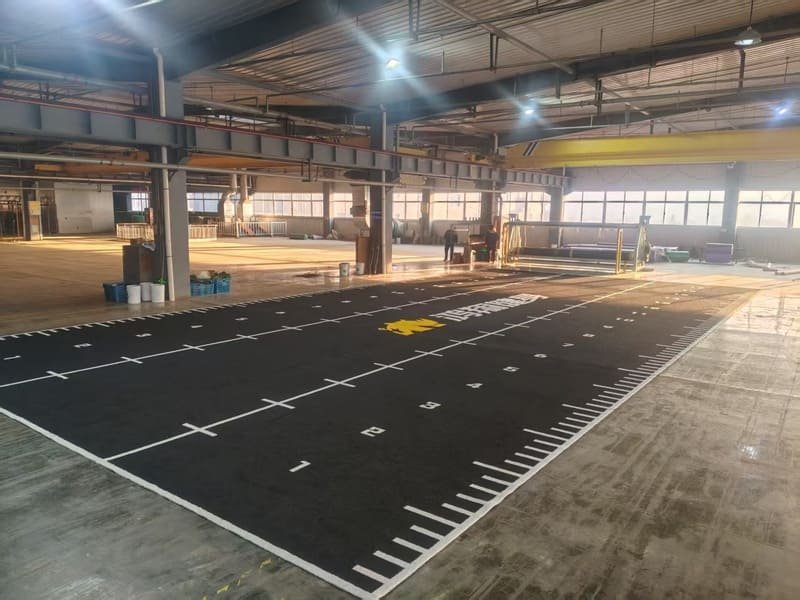
Heat is bad but cold air brings a completely different set of technical challenges for your gym.
Can Low Temperatures Make Your Turf Brittle and Hard?
Cold temperatures make turf fibers lose their elasticity and become brittle, which leads to fiber snapping. The cold also hardens the backing and infill materials. This reduces shock absorption and increases the risk of joint injuries for athletes while also creating static electricity issues in dry air.
Fiber Snapping and the Dangers of High G-Max
In my experience, the cold is the silent killer of gym turf. When the temperature drops, the plastic fibers become rigid. If you run a heavy sled over frozen or very cold turf, the fibers do not bend. They snap. We call this "fiber shedding." It looks like green dust on your floor. This is permanent damage. You cannot fix snapped fibers. The floor will just get thinner and thinner over time. This usually happens in gyms with poor heating or in northern climates during the winter.
The other major risk is G-max. G-max is the measurement of how much shock a surface absorbs. When the turf backing and the foam pad underneath get cold, they harden. A floor that felt soft in July will feel like concrete in January. This is very dangerous for any athlete doing plyometrics or landing from a jump. Their joints take all the impact. Also, cold air is usually dry air. Dry air and plastic fibers create static electricity. Your members will get a shock every time they touch a metal weight rack. This is a bad user experience. You need to maintain a minimum temperature to keep the fibers flexible and the surface safe for high-impact training.
A hard floor is a dangerous floor for your clients. We must think about the safety of the people using the turf.
What Are the Safety Implications for Athletes?
Temperature changes change the traction and impact protection of the turf. Heat makes the surface slippery and creates trip hazards through ripples. Cold makes the surface too hard, which leads to joint pain and injuries. Maintaining a steady temperature is a legal and safety requirement for any gym.
Traction Changes and Impact Protection Standards
As an engineer, I follow ASTM standards for sports surfaces. These standards are not suggestions. They are rules for safety. Traction is a big deal. When turf gets hot, the fibers soften and the "grip" changes. A soccer player might find the surface too slippery for a quick turn. This leads to groin or ACL injuries. Conversely, when it is cold and the turf is stiff, the traction can become too high. The foot "sticks" to the floor too well. This can also cause knee injuries because the foot does not rotate during a turn.
Impact protection is the most critical factor. We use G-max testing to ensure the floor is safe. If your gym is 10°C, your G-max will be much higher than at 20°C. This means the floor is failing to protect the athlete. I always suggest that gym owners install a high-quality shock pad under the turf. A good shock pad is made of materials that do not harden as much in the cold. This gives you a safety "buffer." You must remember that you are responsible for the safety of everyone on that floor. A safe floor starts with a controlled environment and the right technical specs for your specific local climate.
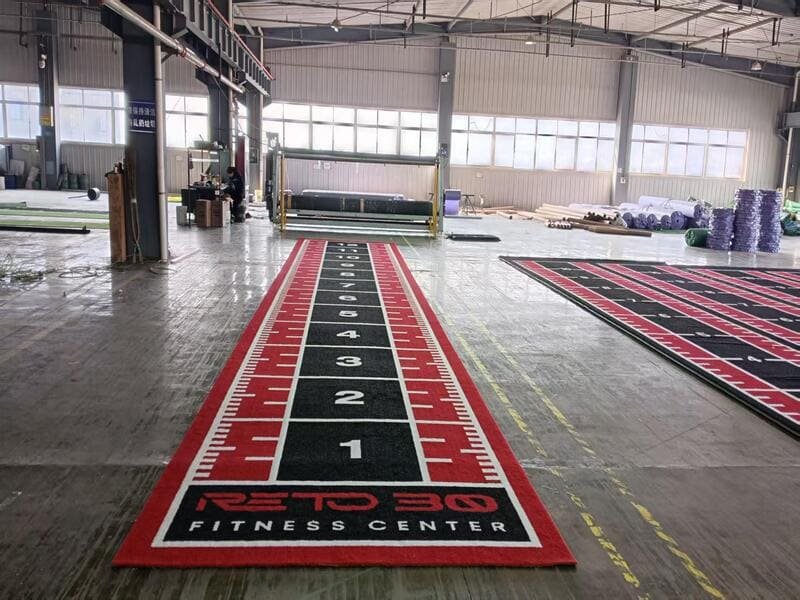
Now that you know the risks, let me share how we solve these problems in the factory and during installation.
How Can You Prevent Temperature Damage Through Engineering?
You can prevent most temperature damage by letting the turf acclimate for 48 to 72 hours before you glue it down. You should also use high-grade, moisture-curing polyurethane adhesives that handle thermal movement. Keeping your gym between 15°C and 25°C is the best way to ensure the turf stays flat and safe.
Acclimation and Professional Installation Techniques
I tell every customer that the most important part of installation is the "wait." When turf arrives at your gym, it is usually coming from a warehouse or a truck that was very hot or very cold. If you install turf without understanding the differences between indoor and outdoor gym turf installation, the material will continue moving after installation. You must unroll the turf and let it sit in your gym for at least two days. This lets the molecules relax and reach the same temperature as the room. This "acclimation" period is the only way to avoid ripples later. If you skip this, the turf will grow or shrink after it is stuck to the floor.
You also need the right glue. I always recommend a one-part moisture-cure polyurethane adhesive. This glue is strong but it has a tiny bit of flexibility. It can handle the small movements of the turf without breaking the bond. For the seams, use heavy-duty seam tape. In high-heat areas, I suggest using a "perimeter fix" method where the edges are secured with transition strips. This allows the center of the turf to move slightly without creates waves. Finally, check your HVAC. If you keep your gym at a steady temperature and humidity, the turf will last twice as long. It is a simple technical fix that saves thousands of dollars in replacement costs.
Good installation is the foundation. But you still need to take care of the floor every month to keep it perfect.
How Do You Maintain Turf in Changing Climates?
Regular brushing and humidity control are the keys to long-term maintenance. Use a stiff-bristle brush to lift fibers that have softened in the heat. Use a dehumidifier in the summer to prevent mold under the turf. You should also check your seams every season to make sure they are not pulling apart from the cold.
Seasonal Maintenance and Fiber Care
Maintenance is not just about cleaning. It is about keeping the physical structure of the turf healthy. In the summer, the heat will make the fibers lean over. You need to use a power brush or a stiff manual brush to pull them back up. This keeps the turf looking new and provides better traction. If you let them stay flat, they will eventually "set" in that position and the turf will look like old carpet. This is especially important in high-traffic areas where people do sled pushes or sprints.
In the winter, your focus should be on the seams and static. If you see a gap appearing between two rolls of turf, it means the material is shrinking. Do not wait for the gap to get big. You need to repair it immediately with fresh tape or glue. For static, you can use a simple anti-static spray or just increase the humidity in the room. A humidity level of 40% to 50% is perfect for both the turf and the people. I also suggest a deep clean twice a year to remove the skin cells and dust that get trapped in the fibers. This keeps the environment healthy and the turf performing at its technical peak for many years.
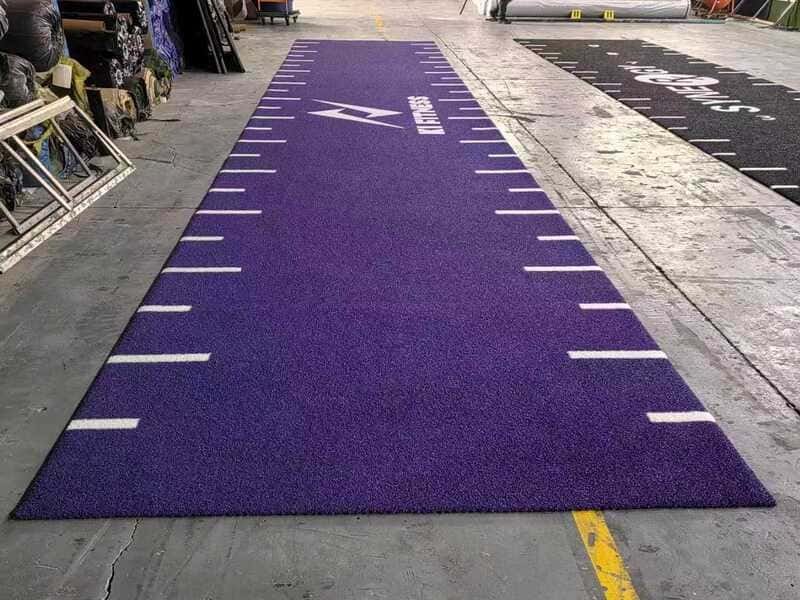
Managing your gym’s climate is the cheapest way to protect your floor. It is an investment in safety and performance.
Conclusion
Control your gym temperature to protect your turf investment. Stable air means a safe, long-lasting, and high-performing sports surface.
If you are looking for customized gym turf solutions or need technical advice on installation for your specific climate, feel free to private message me for professional consultation.