


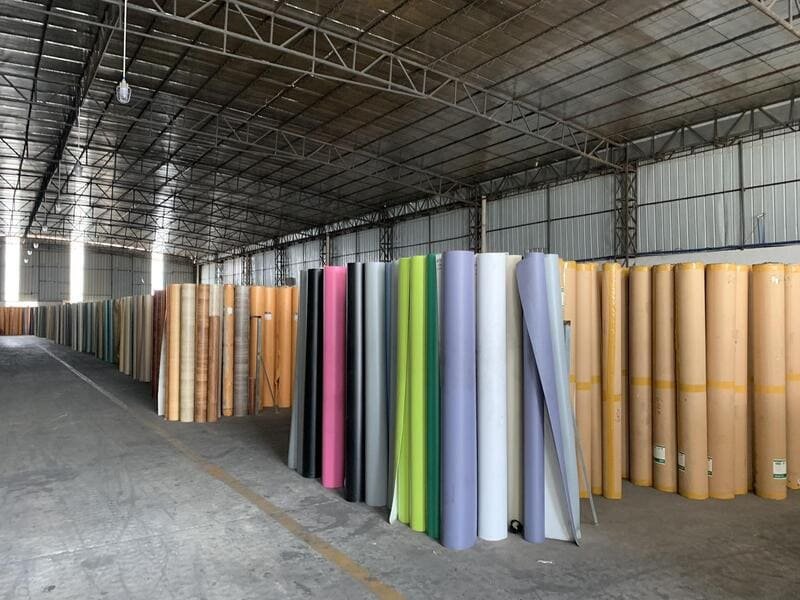
PVC sports flooring is an excellent choice because it delivers the best balance of safety, high performance, durability, and low total cost for indoor facilities.
As a manufacturing process engineer, I design and optimize these multi-layer synthetic floors every day. Buyers often feel stuck when choosing between wood, rubber, and plastics, but my experience shows that PVC provides specific engineering advantages that other materials cannot match. We control every part of the production process to solve real-world problems like joint stress, high maintenance costs, and floor warping.
Choosing the right indoor floor can be hard, but the technical structure of the material makes the choice clear. Let us look at the engineering design of this flooring.
How Does the Anatomy of PVC Sports Flooring Make It Perform Differently?
The multi-layer structure of PVC sports flooring makes it perform differently by combining a tough wear surface with a stable core and a shock-absorbing foam base.
| Layer Name | Primary Function | Technical Benefit |
|---|---|---|
| PUR/UV Surface | Scratch and slip resistance | Easy cleaning, stable grip |
| Wear Layer | Friction and traffic defense | Prevents premature wear and thinning |
| Fiberglass Mesh | Structural stabilization | Zero shrinkage, zero expansion |
| Foam Backing | Shock absorption | Reduces joint impact, adds comfort |
Engineering a Multi-Layered Structural Backbone
When I look at a floor roll, I see a highly engineered system where each layer relies on the next.
The Functional Breakdown of Production Layers
PUR/UV Surface Treatment
We apply a special polyurethane surface coating at the very end of our production line. This chemical treatment cures under UV light to create a tight top layer. It stops dirt from sinking into the vinyl and gives athletes a predictable grip so they do not slip when making quick turns.
The Protective Wear Layer
Below the surface coating sits the pure PVC transparent wear layer. In our factory, we calibrate this thickness carefully. A thicker wear layer means the floor can handle heavy foot traffic and friction for many years without losing its original look or pattern.
The Fiberglass Stabilization Mesh
This is the hidden backbone of the product. We insert a woven fiberglass mesh between the top layers and the foam backing. This layer stops the material from shrinking, expanding, or warping when indoor temperatures and humidity change throughout the year.
High-Density PVC Foam Backing
The bottom layer consists of a specialized foam matrix. We use gas-injection processes to control the cell density of this foam. This layer acts as a mechanical spring that absorbs impact energy and protects athletes from injury.
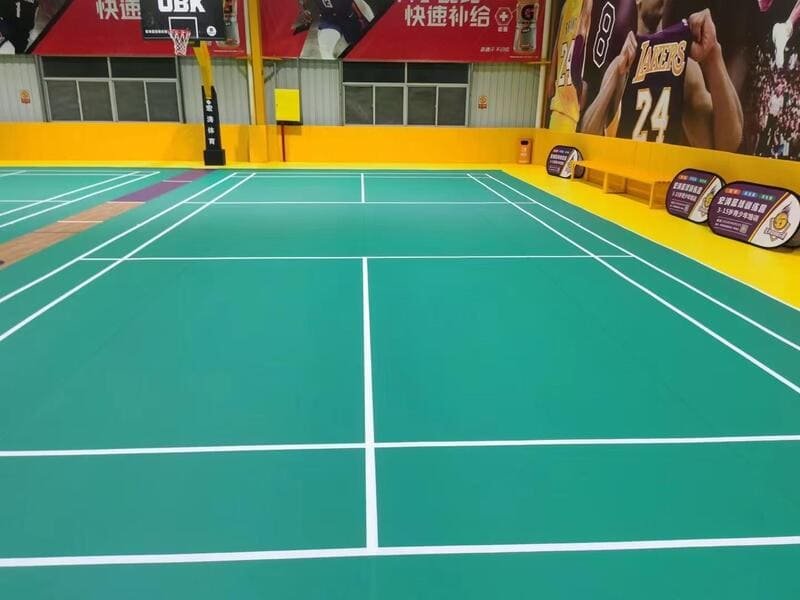
Understanding how we build these layers helps explain the direct physical benefits that athletes and gym owners get from the floor.
Why Does PVC Win the Selection Process for Top Sports Benefits?
PVC wins because it delivers certified safety compliance, excellent ball bounce, great sound reduction, and the versatility to handle non-sport events.
| Benefit Type | Technical Metric | Real-World Application |
|---|---|---|
| Athlete Safety | EN 14904 Compliance (Shock Absorption $\ge 25\%$) | Protection for knees and joints |
| Sports Performance | Vertical Ball Rebound $\ge 90\%$ | True basketball and tennis play |
| Noise Control | Acoustic Insulation ($\ge 15\text{ dB}$ reduction) | Quiet multi-purpose environments |
| Versatility | Scuff and load resistance | Safe for exams, tables, and exhibitions |
Maximizing Biomechanical Efficiency on the Court
My work focuses on turning raw plastics into predictable physical performance. We test these products against strict global standards to make sure they work well for real people.
Key Performance Advantages
Athlete Safety First: Shock Absorption & Impact Protection
We engineer our foam backing to meet the EN 14904 European standard for sports surfaces. For a standard $4.5\text{mm}$ court floor, we target a shock absorption rate of over $25\%$. This means when a player lands from a jump, the foam cells deform to absorb the force, saving ankles and knees from pain.
Optimized Sports Performance: Friction & Ball Bounce
A good sports floor cannot be too slippery or too sticky. We control the sliding coefficient between 0.4 and 0.6. This gives players the ability to pivot smoothly without injuring their ligaments. At the same time, the dense core ensures that basketballs rebound properly across the whole surface.
Acoustic Insulation & Noise Reduction
Gyms are loud places, especially in schools. The closed-cell structure of our foam backing dampens sound waves effectively. It reduces walking and ball impact noises by up to $18\text{ dB}$, which keeps the rest of the building much quieter.
Unmatched Versatility
Many school gyms must hold exams, meetings, and community events. PVC flooring does not scratch or dent easily under chairs and heavy tables, making it much more flexible than specialized wood courts.
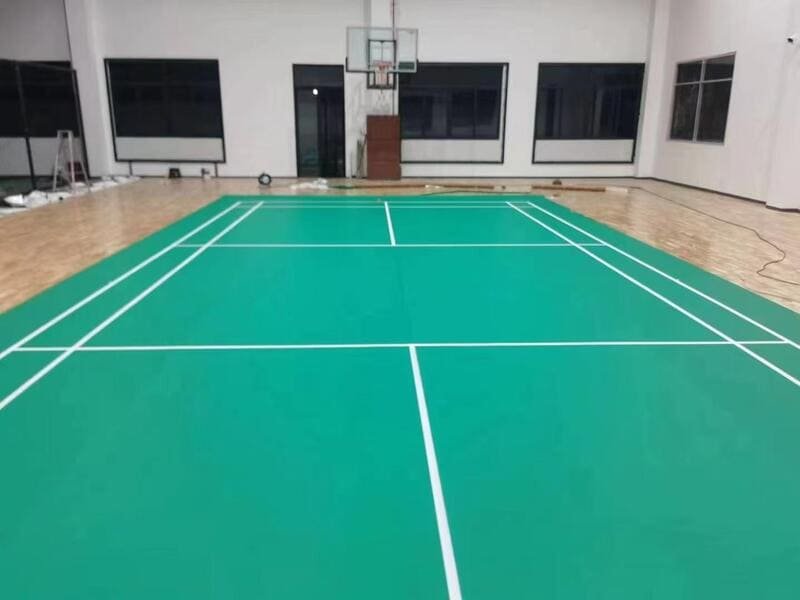
While performance is great, buyers also care about long-term survival. Let us look at how we fix common ownership problems.
How to Avoid the Top Buyer Pain Points with PVC?
You can avoid common buyer pain points by choosing premium formulation PVC that stops wax blooming, resists heavy traffic, and requires no expensive sanding.
| Problem Area | Cheap Flooring Vulnerability | Engineered PVC Solution |
|---|---|---|
| Color / Surface Change | Wax blooming, yellowing, chalking | Anti-migration stabilizer formula |
| Heavy Foot Traffic | Wear-through, thinning, tears | Thick wear layer ($1.2\text{mm}$ to $2.0\text{mm}$) |
| Maintenance Costs | Constant sanding, waxing, recoating | Simple mop and mild detergent |
Solving the Chemistry Challenges of Long-Term Use
Many buyers worry that plastic floors will fade, smell, or break down quickly. As an engineer, I fix these problems in the mixing stage before production even starts.
Overcoming Material Durability Issues
The Wax Blooming and Discoloration Trap
Cheap PVC often suffers from a problem called wax blooming, where low-grade plasticizers migrate to the surface, creating an ugly white chalk or yellow tint. We stop this by using premium, stable plasticizers and special anti-migration additives in our compound recipe to lock the chemicals in place for decades.
Heavy Traffic Resistance
If you put a thin residential floor in a busy gym, it will fail fast. I always advise clients to look at the wear layer thickness. For high-traffic schools, we manufacture a heavy-duty $1.5\text{mm}$ or $2.0\text{mm}$ wear layer that stands up to constant use without tearing.
Low Maintenance Realities
Wood floors require regular sanding and expensive oil coatings. PVC floors do not need any of that. A simple cleaning schedule using a standard mop and mild soap keeps the floor clean and functional, which keeps your monthly labor costs very low.
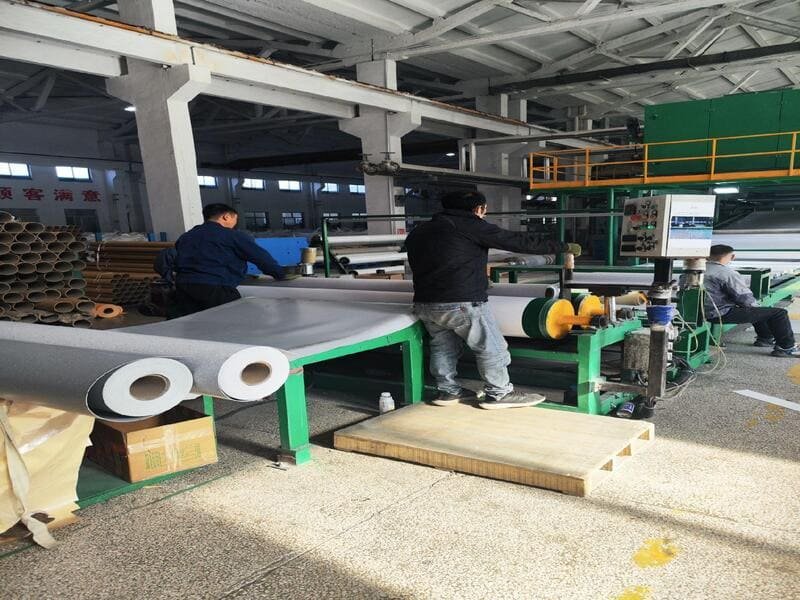
To prove why PVC works so well, it helps to look at a direct comparison with other common gym materials.
How Does PVC Compare to Alternative Sports Flooring?
PVC compares favorably to alternatives by offering a lower cost than wood, better ball bounce than rubber, and faster installation than polyurethane.
| Feature | PVC Flooring | Traditional Hardwood | Rubber Tiles / Rolls | Polyurethane (PU) Liquid |
|---|---|---|---|---|
| Initial Cost | Low to Moderate | Very High | Moderate | High |
| Moisture Risk | None | High (Warping) | Low | None |
| Ball Bounce | Excellent | Excellent | Poor (Absorbs energy) | Good |
| Setup Speed | Fast (Rolls) | Slow | Moderate | Very Slow (Curing) |
Analyzing the True Material Trade-Offs
Every material has its place in construction, but when you look at the technical data and installation speeds, PVC solves the most problems for multi-sport spaces.
Direct Material Competitors
PVC vs. Hardwood
Wood courts look beautiful, but they cost a lot of money and warp easily if a pipe leaks or humidity rises. PVC gives you similar sports performance and safety metrics at a fraction of the price, and it will never swell or rot from water exposure.
PVC vs. Rubber Tiles
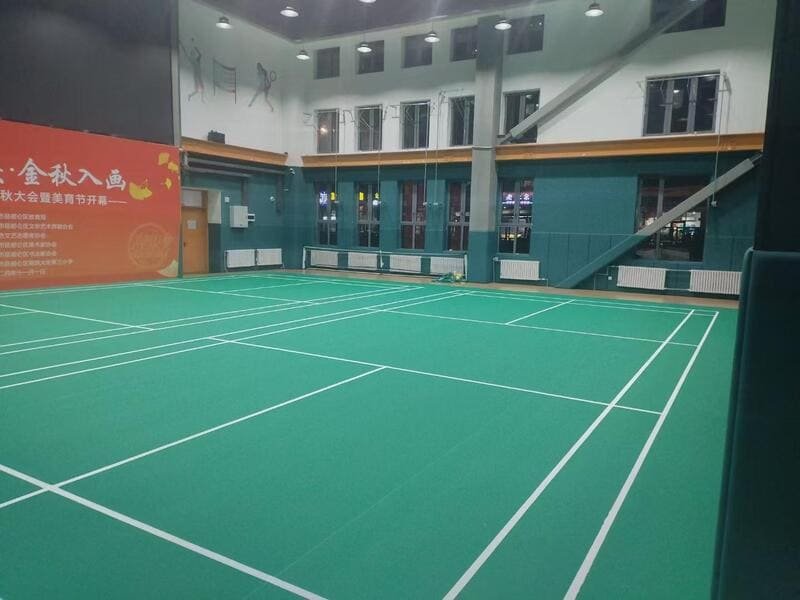
Rubber is fantastic for heavy weight-lifting zones because it absorbs huge impacts from dropped dumbbells. However, rubber absorbs too much energy for ball games, leading to dead ball bounces. PVC gives a crisp, fast rebound that is perfect for basketball and badminton.
PVC vs. Polyurethane (PU) Liquid Systems
Liquid PU floors require workers to pour chemicals on-site in multiple layers, which creates strong odors and takes days to dry. PVC rolls are made in our controlled factory environment, so the thickness is perfectly uniform and you can use the floor almost immediately after installation.
If you decide that PVC is right for your project, you must use a clear checklist to get the right specification.
What is the Ultimate Buyer Checklist for PVC Sports Flooring?
The ultimate buyer checklist requires matching the right floor thickness to your sport, picking the correct installation method, and confirming low-VOC health certificates.
| Selection Step | Choice / Requirement | Best Application Scenario |
|---|---|---|
| Thickness Choice | $4.5\text{mm}$ vs. $6.0\text{mm}$ vs. $8.0\text{mm}$ | Badminton vs. Basketball vs. Professional Gyms |
| Installation | Permanent Glue vs. Portable Tape | Long-term facilities vs. Rented spaces / Events |
| Health Standard | Low-VOC, Phthalate-Free | Safe indoor air quality for schools and kids |
Moving from Technical Specifications to Smart Buying
Do not just buy the cheapest roll on the internet. Use our engineering guidelines to match the material specification to your actual building needs.
The Three Critical Checklist Steps
Thickness Matters
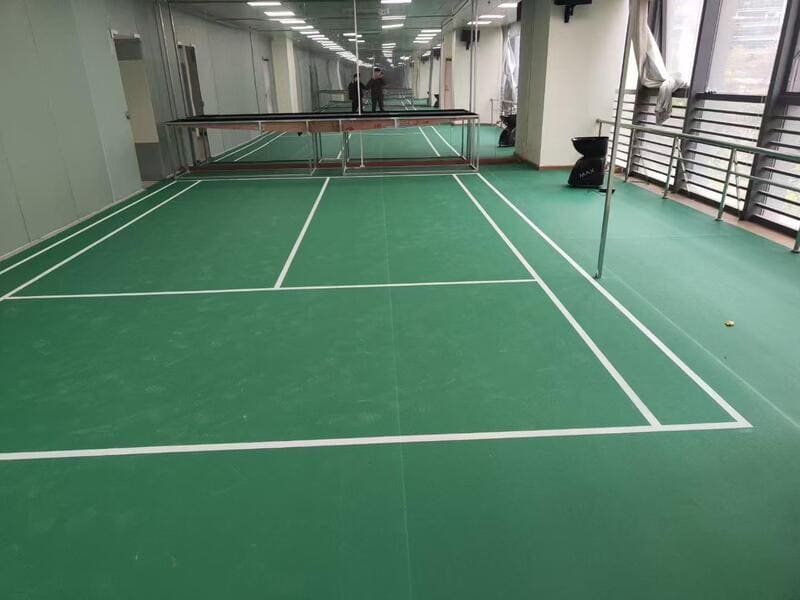
You must match the thickness of the floor to the impact level of your sport. A $4.5\text{mm}$ floor is perfect for badminton and table tennis where players need a firm, stable footing. For basketball or volleyball, step up to a $6.0\text{mm}$ or $8.0\text{mm}$ floor to get the extra foam padding needed for high jumps.
Installation Method
If you own the building and want a permanent court, use a full-glue installation with heat-welded seams for a perfectly smooth surface. If you rent the space or run temporary tournaments, choose a portable installation method using specialized double-sided interlocking floor tapes.
Eco-Friendly and Health Certifications
Indoor air quality matters because athletes breathe deeply during exercise. Ensure your manufacturer provides test reports showing the product is phthalate-free and low-VOC. We use clean raw materials to make sure no dangerous gasses escape into your enclosed gym space.
Making a smart choice now saves your budget and protects your athletes for many years to come.
Conclusion
PVC sports flooring is a highly reliable, safe, and cost-effective choice for modern indoor courts.
If you are planning a new gym project or need technical advice on choosing the right floor thickness, roll width, or installation method for your facility, please send me a private message today. Let us work together to build a high-performance court that fits your budget.