


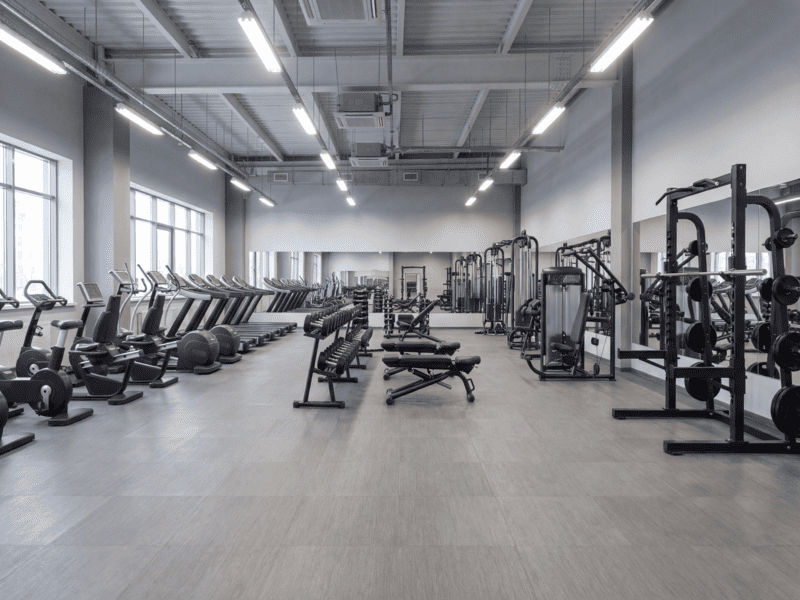
High humidity forces rubber flooring to absorb atmospheric moisture, causing hygroscopic expansion. This leads to buckling, peaking seams, and exacerbated "wet dog" odors because the porous structure traps dampness. Without proper acclimatization and high-density materials, these environmental factors compromise the floor’s structural integrity and safety.
Based on my years managing flooring production lines, I have seen countless perfectly good gym floors ruined simply because the installer ignored the air quality. Rubber is water-resistant, but it is not waterproof. In high-humidity regions—like coastal cities or basements—the EPDM granules and the polyurethane (PU) binder in the mats act somewhat like a sponge. We call this hygroscopic expansion. On a microscopic level, the material absorbs water vapor from the air.
In a small sample, you might not notice it. However, across a 1,000-square-foot gym, a mere 1% expansion results in inches of excess material. Since the walls are fixed, this growing rubber has nowhere to go but up. This creates dangerous tripping hazards known as "buckling" or "peaking." Furthermore, humidity doesn’t just change the size; it changes the chemistry. It interferes with the curing process of adhesives and keeps the rubber pores "open," which releases trapped sulfur compounds, causing that notorious strong smell. Understanding this science is the first step to protecting your investment.
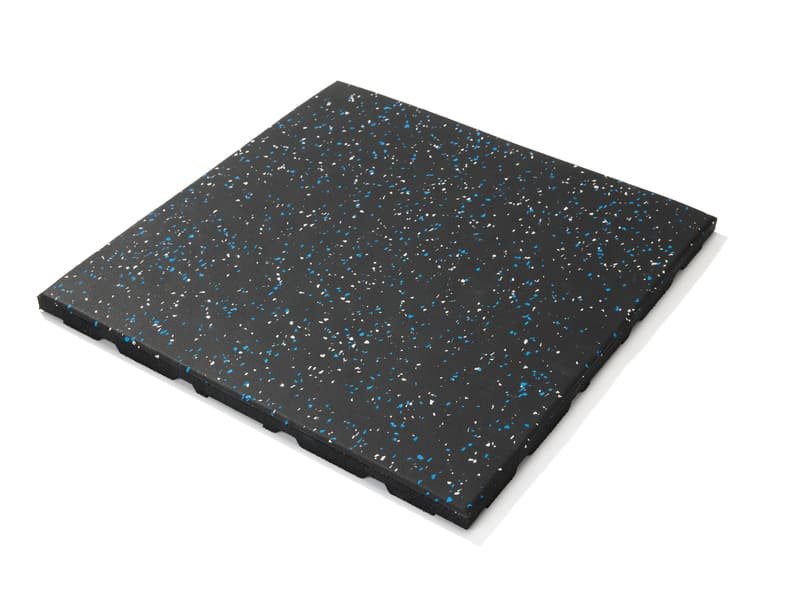
Who Is Most Affected by Humidity-Related Rubber Flooring Issues?
Not every gym owner needs to worry about this to the same degree. However, through my experience supplying flooring globally, I have identified three specific user groups that face 90% of these failures. If you fall into one of these categories, you cannot follow standard installation instructions—you need the "humid climate protocol."
- Home Gyms in Basements & Garages: These are the most vulnerable. Basements often lack ventilation and suffer from hydrostatic pressure (moisture rising from the ground). Garages usually lack HVAC systems, leaving your mats exposed to raw outdoor humidity levels.
- Commercial Facilities in Tropical Zones: If you are operating in Southeast Asia, the Caribbean, or coastal regions (like Florida or Queensland), the ambient air is constantly saturated. Standard commercial mats often fail here without aggressive dehumidification.
- Gyms Installed During the Rainy Season: Even in drier climates, installing during a wet week without letting the building "dry out" first creates a moisture trap. The mats acclimatize to the wet air, and when the AC turns on later, they shrink and gap.
Quick Risk Assessment: Are You in the "Danger Zone"?
Before we dive into the technical fixes, let’s determine your risk level. If you answer "Yes" to two or more of these questions, your flooring project is at high risk for rubber gym floor buckling or adhesive failure.
- Is your location’s average Relative Humidity (RH) consistently above 70%?
- Are you installing directly over concrete in a basement or ground-level floor?
- Is the space unconditioned (no AC or dehumidifier running 24/7)?
- Did you skip the Calcium Chloride moisture test for the subfloor?
- Do you notice a musty smell in the room before the flooring is even installed?
What Are the Visible Symptoms of Humidity Damage?
When customers call me complaining about "defective" mats, it is almost always an environmental issue. We need to identify these symptoms early to save the floor. Here are the three most common search queries I see related to this, and the engineering reasons behind them.
1. Rubber Gym Floor Buckling and Peaking
This is the "Wavy Floor" phenomenon. As the rubber absorbs moisture, it expands. Since the mats cannot push through the concrete walls, the pressure builds at the seams. Eventually, the mats lift at the joints, creating a tripping hazard. This isn’t a bad cut; it’s physics. In high humidity, the material physically grows larger than the room it was measured for.
2. Rubber Flooring Smells in Humid Climates
Why does the smell get worse when it rains? This is off-gassing exacerbation. High humidity traps odor molecules near the floor surface and keeps the rubber "pores" open. If you purchased low-quality mats with cheap binders, moisture reacts with the sulfur in the rubber, creating a "rotten egg" or strong chemical scent that refuses to fade. Additionally, trapped moisture underneath can lead to mold growth, adding a musty undertone to the rubber smell.
3. Rubber Floor Adhesive Failure
If you glue down rolls in 90% humidity, you are asking for trouble. Moisture in the air competes with the moisture in the glue (or reacts with the urethane improperly). This leads to a weak bond. Over time, the adhesive re-emulsifies or crystallizes, causing the mats to slide, curl, or lift at the corners.
| Symptom | Cause | Visual/Olfactory Sign |
|---|---|---|
| Buckling/Peaking | Hygroscopic expansion + lack of expansion gaps. | Raised seams that look like small hills. |
| Odor Exacerbation | Open pores + trapped sulfur compounds. | Strong "rotten egg" or rubber smell that won’t fade. |
| Adhesive Failure | Moisture interfering with glue curing. | Mats sliding, lifting at corners, or bubbles appearing. |
| Slippery Surface | Condensation settling on the surface. | A thin, oily film of water on top of the mat. |
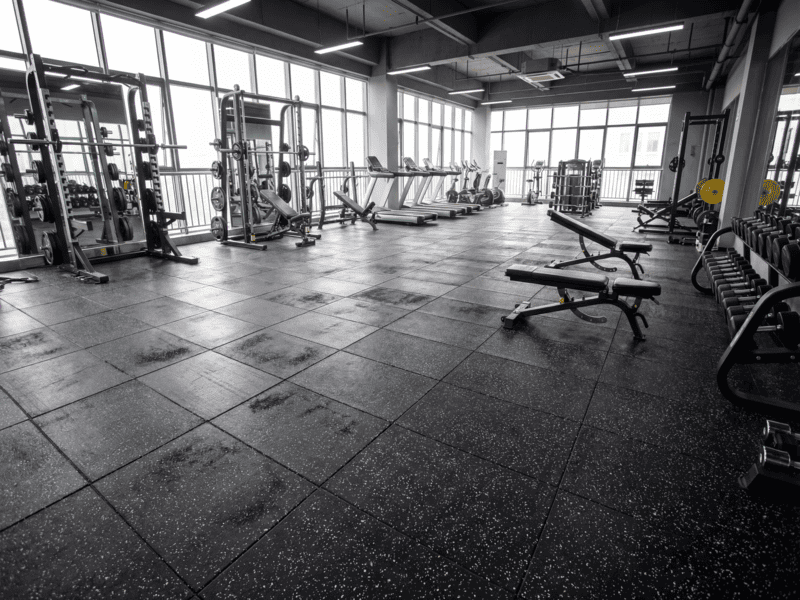
The "Hidden" Variable: Concrete Subfloor Moisture
Many gym owners assume that if the concrete looks dry, it is dry. In my experience, this is a dangerous assumption. Concrete is porous. In humid regions, or in basements, hydrostatic pressure forces ground moisture up through the slab.
Rubber flooring is dense; it acts as a vapor barrier. When you place a rubber mat over damp concrete, you trap that rising moisture, which is a primary reason why rubber flooring fails on moist concrete subfloors as the vapor can no longer evaporate into the air. This trapped moisture attacks the bottom of your flooring. It dissolves water-based adhesives and creates a breeding ground for mold and mildew. Before we ship any large order to a humid location, I always advise the client to perform a Calcium Chloride Test. If the moisture transmission rate is high, you must apply a liquid moisture mitigator or seal the concrete before laying the rubber. Ignoring the subfloor is the number one reason for long-term installation failure.
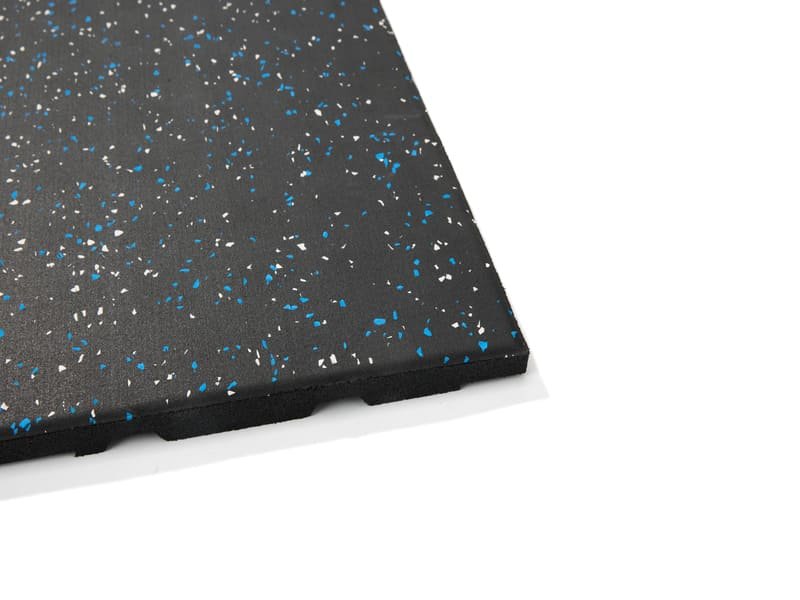
Critical Installation Protocols for Humid Environments
If you are in one of the risk categories I mentioned earlier, you must modify your installation process. Cutting corners here will almost certainly lead to the buckling we discussed.
The Golden Rule: Acclimatization
When rubber rolls arrive, they are tightly wound and under tension. In a humid environment, you must unroll them and let them sit loose in the room for at least 48 hours. This allows the material to "relax" and adjust its temperature and moisture content to the specific environment of your gym. If you cut the rubber immediately after unrolling, it will shrink or expand later, leaving you with gaps or waves.
The 1/4 Inch Gap is Non-Negotiable
In dry areas, we might suggest 1/8 inch, but in humid regions, I insist on a 1/4 inch gap away from all walls and fixed equipment. This gap is your safety net. When the humidity spikes in July, the rubber has space to grow without ruining your floor.
Control the Environment
If possible, run a commercial dehumidifier during the installation and for 24 hours after. This stabilizes the air and allows adhesives (if used) to bond at their maximum strength without interference from airborne water vapor.
Buying Guide: Choosing the Right Rubber for High Humidity
As a manufacturer, I can tell you that the "recipe" of the rubber matters. Not all rubber flooring is created equal when it comes to moisture resistance.
1. Density Matters (Go High)
Cheap gym mats often have a low density (lots of air gaps between granules). In humid climates, these low-density mats act like sponges. You need to look for High-Density Rubber (typically over 950 kg/m³). The granules are packed so tightly during our compression molding process that there is almost no room for water to penetrate.
2. Interlocking Tiles vs. Rolls
For humid home gyms or basements, I often recommend Interlocking Tiles over glued rolls. Why? Because they are "floating." If you have a spill or a severe humidity issue, you can lift a few tiles, dry the subfloor, and put them back. With glued rolls, that moisture is trapped forever.
3. The Smell Factor
Premium polyurethane binders are stable. Cheap binders use lower-grade chemicals that react with moisture and off-gas sulfur. Spending a little more on material upfront solves the smell and warping issues permanently.
FAQ: Common Concerns About Rubber in Humidity
Will a vapor barrier underlayment help with moisture?
Yes, absolutely. If you are still asking yourself "do I need a vapor barrier under rubber flooring", the answer is a definitive yes whenever your concrete has high moisture levels to prevent vapor from reaching the rubber. It acts as a shield. However, ensure the underlayment is compatible with the type of rubber flooring you choose (especially if you are gluing it down).
Can I install rubber flooring outside in a humid area?
Generally, no. Standard recycled rubber flooring is porous. While it can withstand rain, constant UV exposure combined with high humidity will degrade the binder over time, leading to crumbling. For outdoor areas, you need rubber tiles specifically formulated with UV-resistant binders and drainage channels.
Does humidity make rubber flooring slippery?
It can. High humidity can lead to condensation forming on the surface of the cool rubber, creating a slick film. This is not the rubber itself "sweating," but moisture from the air settling. Improving airflow with fans and using a rubber-safe cleaner that removes oily residues will fix this.
Conclusion
Humidity impacts rubber flooring through hygroscopic expansion and adhesive interference, primarily affecting basement gyms and tropical facilities. By validating your environment with a quick risk assessment, choosing high-density materials, and strictly following acclimatization protocols, you can prevent expensive failures.
About the Author
I oversee the manufacturing of high-performance rubber flooring solutions, specializing in polymer extrusion and surface coating technologies. With over 15 years of experience in the industry, I help gym owners and engineers select the right materials for challenging environments, ensuring durability and safety in every roll we produce.
Do you need help choosing the right specs for your humid location?
If you are unsure about density requirements or need advice on whether tiles or rolls are better for your specific facility, my team is here to help. We can provide technical data sheets or send you a sample of our high-density, humidity-resistant mats so you can feel the difference yourself.