


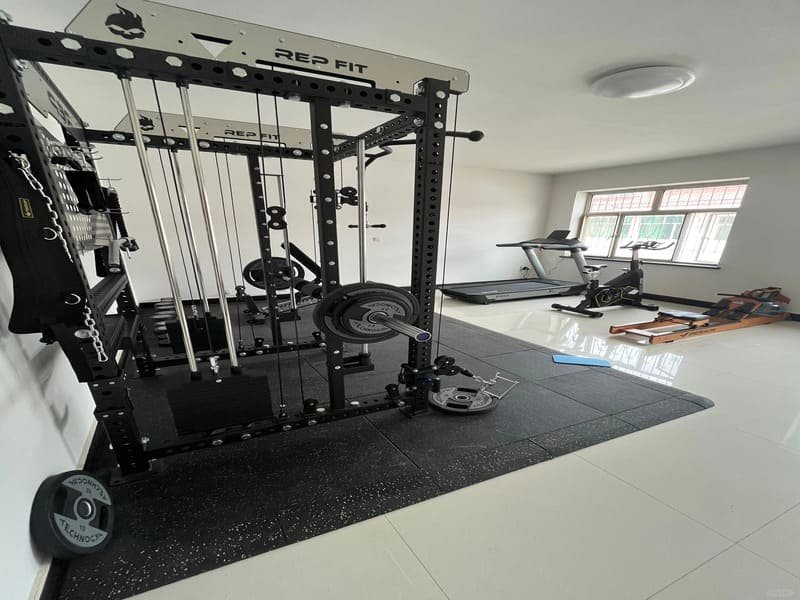
The best home gym mat is one that balances high density for stability and specific material composition for floor protection. For most users, a 15mm-20mm high-density rubber mat is the superior choice for safety, durability, and joint health.
Choosing a gym mat often leads people to make the mistake of buying based on "squishiness" or price. As someone who spends every day testing polymer bonds and impact recovery, I see the failure points that most consumers miss. A mat is not just a rug; it is a technical layer designed to manage energy. When you drop a weight or jump, that energy has to go somewhere. If the mat is too soft, the energy returns to your joints or passes through to damage your subfloor. We need to look at Shore A hardness ratings and tensile strength to really understand performance. High-quality home flooring must also address indoor air quality. Many cheap mats use sulfur-based vulcanization which off-gasses for months, while professional-grade mats use MDI binders to stay odorless and safe for enclosed spare rooms or basements.
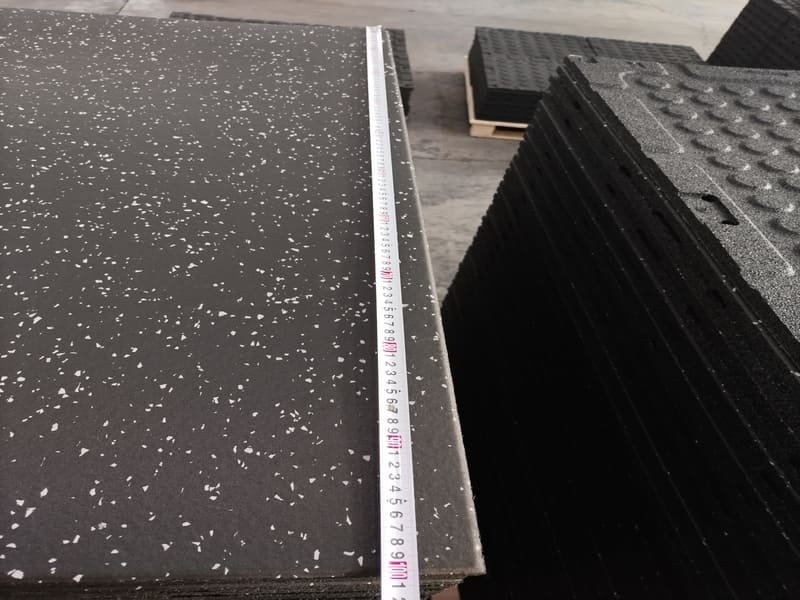
Finding the right foundation requires looking past the colors. Identifying the best home gym flooring is about focusing on the raw technical specs that keep you safe while protecting your joints and subfloor during a workout.
Why Does Material Density Matter More Than Cushion?
Density determines how well a mat supports your weight and protects the floor under heavy loads without deforming. High-density materials like vulcanized rubber provide a stable base for lifting, whereas low-density foam can collapse and cause balance issues or joint strain.
In my lab, we see a "Stability Paradox" every day. Users think thick foam is safer because it feels soft, but for heavy lifting, it is actually a hazard. When you perform a squat on a low-density EVA foam mat, the material compresses unevenly under your heels. This creates micro-instability in your ankles. From a QC perspective, we measure "Compression Set"—the ability of a material to return to its original thickness. Foam often fails this test over time, leaving permanent divots. Rubber, specifically when bound with high-quality MDI (Methylene Diphenyl Diisocyanate), offers a much higher Shore Hardness (usually around 60-65 Shore A). This density ensures that the mat absorbs the "shock" but not the "balance." Furthermore, the chemical binder matters for your home environment. Low-grade recycled rubber often smells like old tires because of cheap binders. Professional-grade mats are tested for VOC emissions to ensure they are safe for small, unventilated home spaces.
| Feature | High-Density Rubber | EVA Foam | TPE/PVC |
|---|---|---|---|
| Stability | Excellent (Hard) | Poor (Soft) | Moderate |
| Durability | 10+ Years | 1-2 Years | 3-5 Years |
| Shock Absorption | High Impact | Low Impact | Moderate |
| Odor Level | Low (MDI Bound) | High (Chemical) | Low |
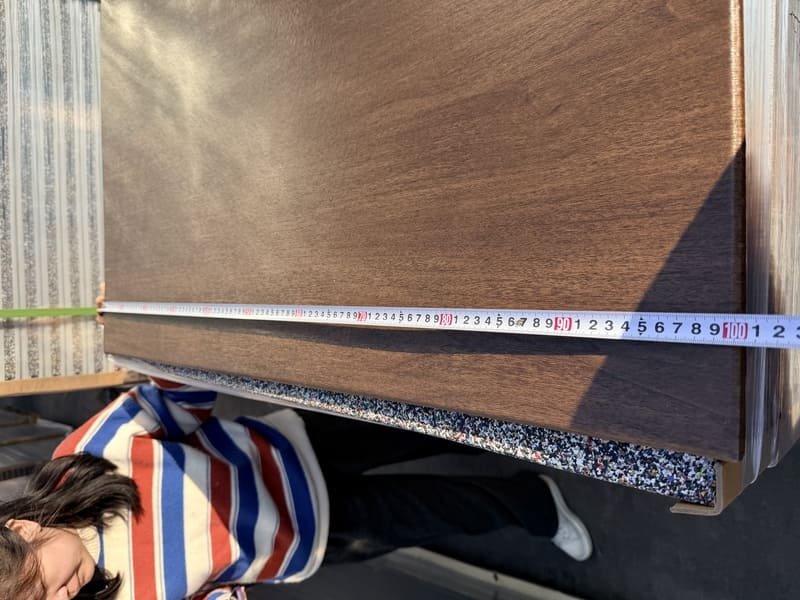
Once you understand the chemistry and density of the mats, you can pick the right one based on how you actually move.
Which Mat Is Best for Your Specific Workout Style?
The best mat depends on your primary movement. Learning how to choose home gym flooring across different zones ensures you get 15mm+ rubber for heavy lifting and high-friction PVC for dynamic HIIT sessions. Selecting a mat based on your specific training style prevents premature wear and ensures maximum safety during dynamic exercises.
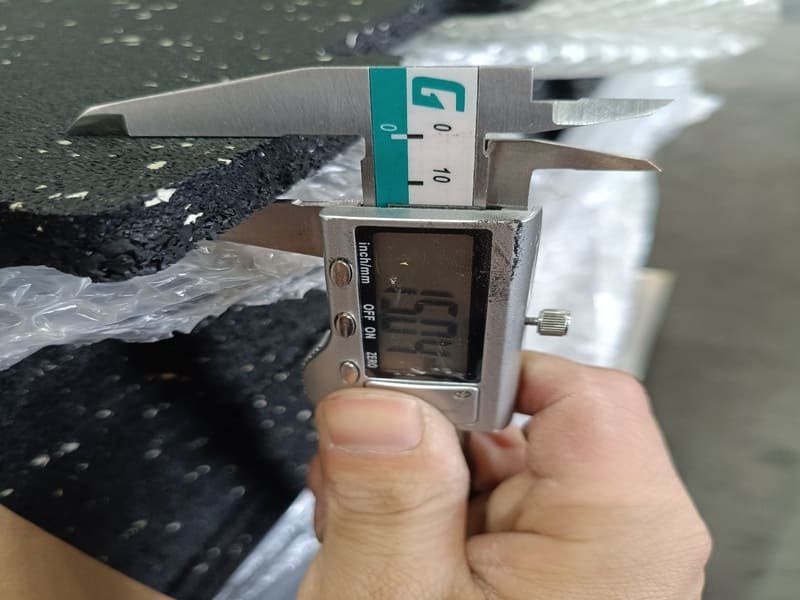
I categorize home gym setups into three main technical zones based on the forces applied to the polymer. For the "Heavy Hitter" focused on powerlifting, impact protection is the only metric that matters. You need a 15mm to 20mm rubber tile. This thickness is calculated to dissipate the force of a dropped 20kg plate before it cracks your concrete or hardwood. For the "High-Intensity" athlete doing HIIT or plyometrics, the focus shifts to "Lateral Shear." You need a mat that won’t slide when you jump sideways. Large-format PVC or TPE mats with a textured "orange peel" or "diamond" surface provide the necessary friction. Finally, for apartment dwellers, acoustics are the priority. In these cases, we look for mats with a "waffle" or "pedestal" bottom design. These air gaps act as a muffler, breaking the sound waves before they travel through the floor to the neighbors below.
| Workout Style | Recommended Material | Key Spec to Check |
|---|---|---|
| Powerlifting | 20mm Rubber Tile | Shore A Hardness 65+ |
| HIIT/Cardio | 6mm-8mm PVC Roll | High Friction Coefficient |
| Yoga/Pilates | 5mm TPE or Natural Rubber | Open-cell Grip |
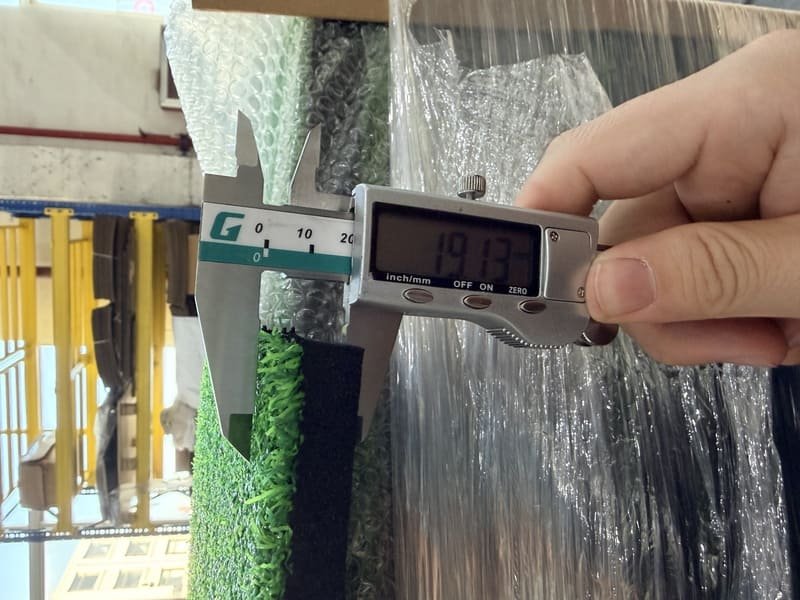
Choosing the wrong format for your style is a quick way to waste money, but there are even bigger "hidden" risks to watch out for.
What Are the Hidden Dangers of Cheap Gym Mats?
Cheap mats often lead to "Plasticizer Migration," which can permanently stain high-end home flooring through a chemical reaction. Additionally, low-quality "puzzle" mats often fail during lateral movements, posing a significant trip hazard due to seam separation.
In quality control, we often test for chemical compatibility between the mat and the subfloor. A common issue is "Plasticizer Migration." Cheap PVC or rubber mats contain oils and plasticizers that, over time, leach out of the mat and into your expensive hardwood or vinyl planks. This leaves a yellow or dark stain that is impossible to clean. This is a huge hidden cost most buyers don’t consider. Another failure I see is in the "Puzzle" foam mats. While they are easy to assemble, the interlocking teeth have very low tear strength. If you do a mountain climber or a burpee, the force can pull the seams apart mid-movement. A high-quality gym mat should also be "closed-cell." If it is "open-cell," it acts like a sponge for sweat and bacteria. Within months, the core of the mat becomes a biohazard that you can’t wash away. Always look for a non-porous surface finish to ensure hygiene.
| Pitfall | Technical Reason | Result |
|---|---|---|
| Floor Staining | Plasticizer Migration | Permanent damage to home floor |
| Seam Tearing | Low Tensile Strength | Trip hazard during HIIT |
| Bad Odor | Sulfur Vulcanization | Poor indoor air quality |
Even the best technical mat will fail early if you don’t maintain the polymer structure correctly.
How Do You Maintain a Gym Mat for Maximum Longevity?
To maximize mat life, use only pH-neutral cleaners and rotate high-traffic tiles regularly to prevent localized wear. Avoiding harsh chemicals prevents the polymer chains from breaking down, which keeps the mat from becoming brittle, sticky, or losing its grip.
Maintenance is where most people accidentally destroy their investment. Many users reach for bleach or strong household degreasers. As a QC specialist, I can tell you that these chemicals are "polymer killers." They break down the cross-linking in the rubber or PVC, leading to a "chalky" or "sticky" surface. Once that chemical bond is broken, the mat will shed black dust or lose its slip resistance. You should only use a simple pH-neutral soap and water. Another pro-tip is "Tile Rotation." Just like the tires on your car, the mats in the center of your gym floor take 80% of the impact. Every six months, swap the center tiles with the ones under your storage racks or in the corners. This evens out the "Compression Set" and ensures your floor looks uniform for over a decade. If you have a rubber mat that has lost its shine, don’t use oil-based polish; it makes the floor a skating rink and creates a safety hazard.
| Maintenance Task | Frequency | Purpose |
|---|---|---|
| pH-Neutral Wipe | After every session | Hygiene and salt removal |
| Deep Scrub | Monthly | Removing embedded dust |
| Tile Rotation | Every 6 Months | Balanced wear and longevity |
Investing in the right material and caring for it properly ensures your home gym remains a safe, professional-grade environment.
Conclusion
Choose density over thickness and MDI-bound rubber for a safe, odor-free, and long-lasting home workout foundation.
Need help choosing the right specs for your specific floor type or workout intensity? I’ve spent years in the lab testing these materials so you don’t have to. Feel free to send me a private message (DM me) for a personalized consultation or technical advice on your home gym setup!