


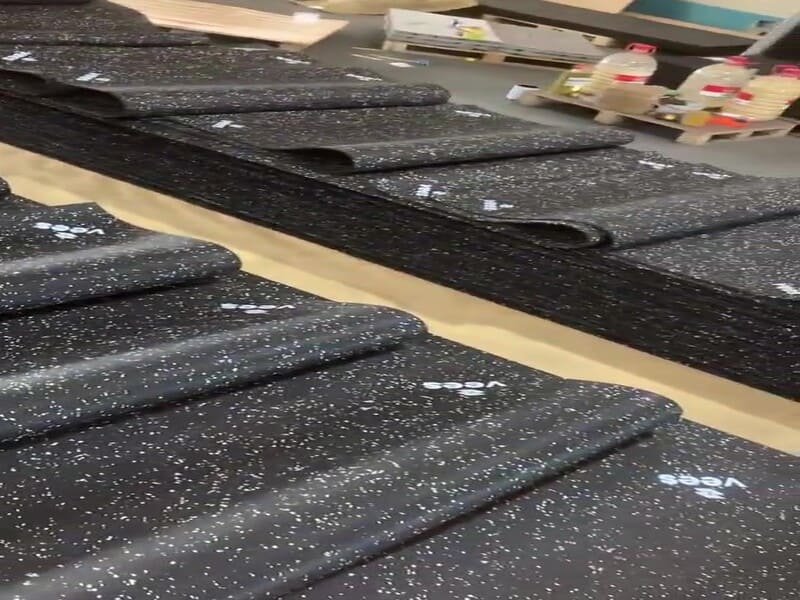
Rubber flooring rolls provide a durable, seamless, and cost-effective solution for high-traffic areas by offering superior impact absorption and noise reduction. These heavy-duty rolls protect the subfloor while ensuring a safe, non-slip surface for gyms, garages, and commercial facilities.
Most standard floors fail in demanding environments because they cannot handle heavy impact or constant foot traffic. Ceramic tiles crack under dropped weights, and wood floors warp or scratch easily. Rubber rolls solve these problems by distributing force across a dense, elastic surface. From my experience on job sites, the primary reason professionals choose rolls over interlocking tiles is the reduction of seams. Fewer seams mean fewer places for moisture to seep through and fewer edges to trip on during high-intensity movements. This structural integrity is vital for long-term facility health and safety.
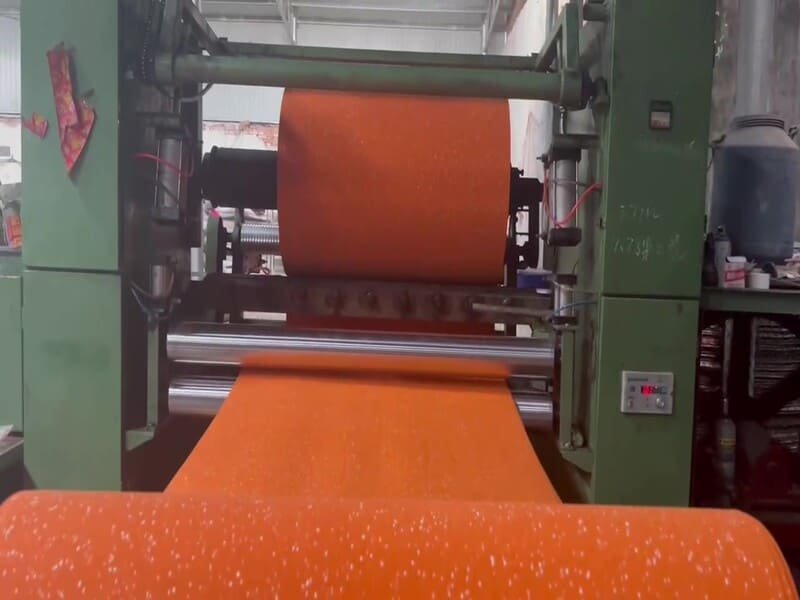
You should read this guide to understand the technical specifications, cost structures, and professional installation secrets for your project.
Why Choose Rolls Over Other Flooring Types?
Rubber rolls are better than other flooring types because they offer a seamless finish, higher cost-efficiency for large areas, and superior stability under heavy lateral loads.
| Feature | Rubber Rolls | Interlocking Tiles | Standard Turf |
|---|---|---|---|
| Seam Count | Very Low | High | Low |
| Cost per Sq Ft | Lower ($1.5 – $4.5) | Higher ($3.5 – $8.0) | Variable |
| Lateral Stability | High | Medium | High |
| Installation Speed | Fast (Large areas) | Fast (Small areas) | Moderate |
When I lead large-scale installations, the budget is always a factor. Rolls are generally cheaper per square foot than tiles because the manufacturing process for bulk rolls is more streamlined. Beyond cost, the stability is unmatched. In a professional facility, athletes perform sprints and sled pushes that create significant horizontal force. Interlocking tiles can sometimes "unzip" or shift under this stress, but a 4-foot wide rubber roll glued or taped down stays perfectly in place. This ensures a consistent surface that requires very little maintenance over its ten-year lifespan.
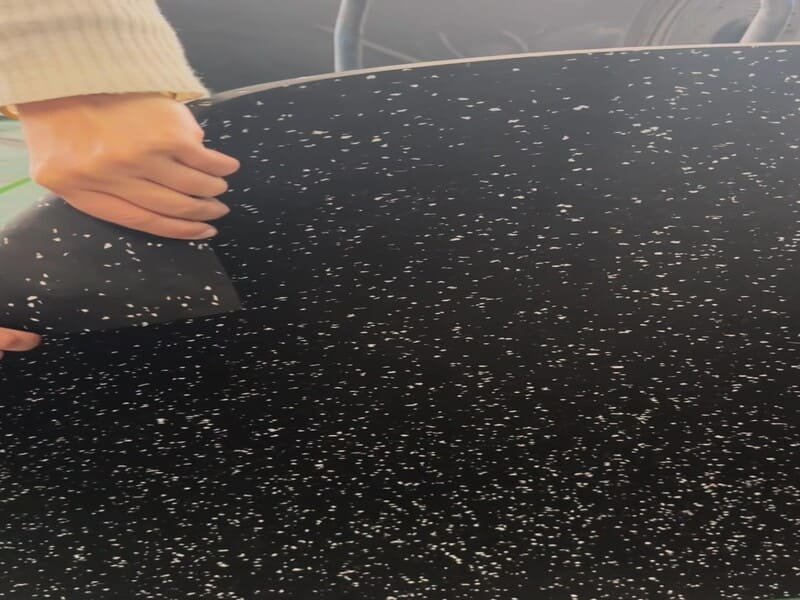
This stability makes rolls the top choice for any serious athletic space.
How to Select the Right Thickness and Understand the Cost?
The right thickness depends on your activity level, ranging from 6mm for light use to over 1/2 inch for heavy powerlifting, with prices scaling based on density and EPDM content.
| Activity Type | Recommended Thickness | Est. Price / Sq. Ft | Primary Benefit |
|---|---|---|---|
| Yoga & Cardio | 6mm – 8mm | $1.50 – $2.50 | Portability & Cost |
| Commercial Gyms | 3/8" (9.5mm) | $2.80 – $3.80 | General Protection |
| Powerlifting | 1/2" (12.5mm) | $4.00 – $5.50 | Impact Absorption |
| Extreme Weights | 3/4" + | Custom Quote | Subfloor Integrity |
In my years of engineering these surfaces, I have learned that thickness is not the only factor. Density is just as important. A high-density 8mm roll can often protect a floor better than a low-density 10mm roll that feels "spongy." For bulk orders, we often provide OEM services where we customize the density to meet specific fire ratings or shock absorption standards. If you are dropping 100-pound plates, you must go to 1/2 inch. Using the wrong thickness can lead to concrete cracking underneath the rubber, which is a very expensive mistake to fix later.
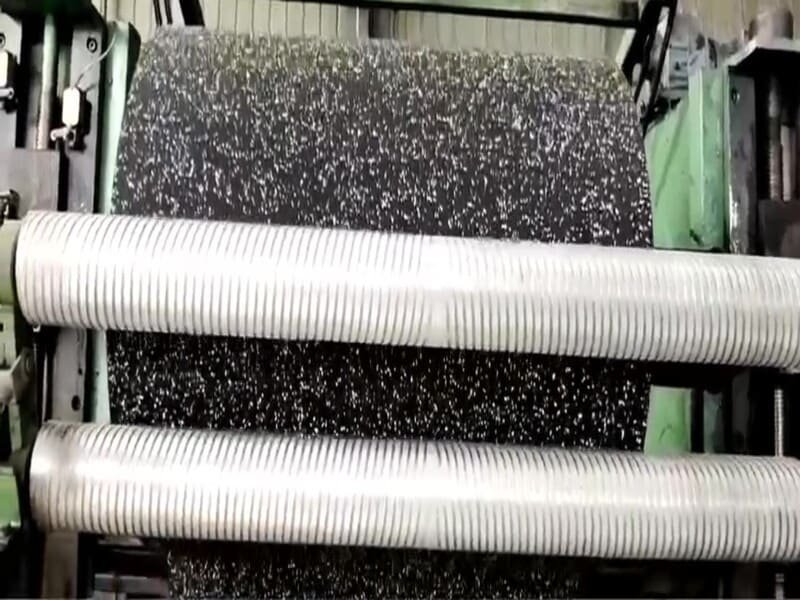
Choosing the right thickness is the first step toward a long-lasting, cost-effective installation.
Case Study: From Concrete Basement to Professional Performance Center
We recently completed a 5,000 sq. ft. commercial gym project where the client faced noise complaints from neighboring tenants and subfloor damage.
The project involved removing damaged epoxy flooring and installing 3/8" high-density rubber rolls with a 15% Blue EPDM speckle. By using our precision-cut OEM rolls, we reduced installation waste by 12% compared to standard pre-cut sizes. The result was a 40% reduction in ambient noise from weight drops and a seamless aesthetic that the client described as "transformative." This project proves that moving from "basic protection" to "engineered rolls" is a smart investment. We also ensured the material met ASTM fire ratings and REACH compliance for indoor air quality, which was critical for the facility’s insurance requirements.
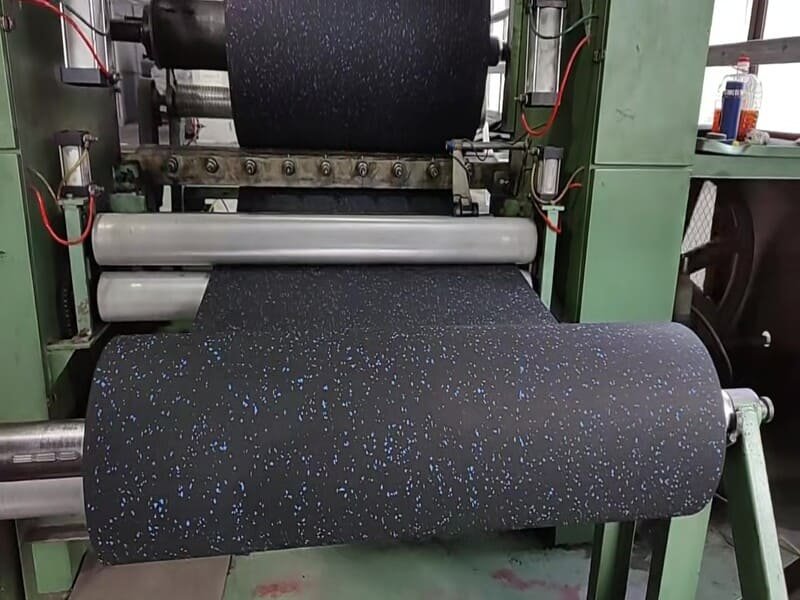
Real-world results demonstrate that the right material choice solves long-term operational challenges.
How to Install and Maintain Your Investment?
Professional installation requires acclimating the rubber for 24-48 hours, using sharp tools for precise cuts, and choosing the right adhesive for your specific environment.
| Installation Step | Action Required | Why It Matters |
|---|---|---|
| Acclimatization | Lay flat for 48 hours | Prevents shrinking/expansion |
| Cutting | Sharp utility knife | Ensures clean, tight seams |
| Adhesive | Urethane-based glue | Permanent stability for freight |
| First Wash | Neutral Degreaser | Removes factory release agents |
The biggest mistake I see beginners make is cutting the rubber immediately after unrolling it. Rubber has "memory" from being tightly wound. If you do not let it relax, your seams will gap later as the material shrinks. For large-scale logistics, we coordinate shipping via freight to minimize costs, as these rolls are extremely heavy. Once installed, avoid any cleaners with oil or bleach. These chemicals break down the rubber bonds and make the floor brittle. A simple pH-neutral soap and water are all you need to keep the floor looking new for over a decade.
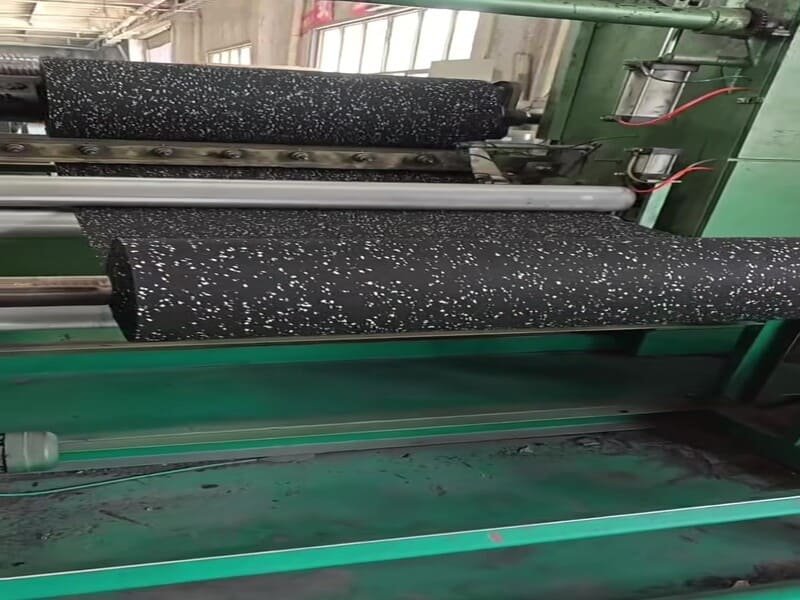
Following these engineering-backed steps will prevent the most common installation failures. For those handling the project themselves, our rubber flooring rolls installation guide provides a pro-level walkthrough to ensure long-term success.
FAQ: Deep Dive into Technical and Buying Concerns
How long does rubber flooring actually last?
In a commercial environment, a high-quality 3/8" roll lasts 10-15 years. In a residential garage or home gym, it can easily last 20+ years if maintained with pH-neutral cleaners.
Can it be installed outdoors?
Standard recycled rubber rolls are best for indoors. For outdoor use, you need UV-stabilized EPDM rolls to prevent the sun from making the rubber brittle and faded.
Does rubber flooring stain?
Rubber is generally resistant to staining, but oils and certain chemicals can cause swelling. We recommend our surface-coated rolls if you are installing in a garage where oil leaks are common.
What about shipping for bulk orders?
Because of the weight, rubber rolls ship via LTL (Less Than Truckload) or full container freight. We optimize pallet loading to reduce "dead space," which can save you up to 20% on total landed costs.
Are there fire ratings or certifications?
Yes. Our professional-grade rolls are tested for Class 1 Fire Ratings and are FloorScore certified to ensure they do not off-gas harmful VOCs in enclosed spaces.
Conclusion
Mastering your space requires balancing material density, thickness, and rubber gym flooring rolls installation techniques for a perfect professional finish.
If you are a facility manager or a distributor looking for bulk pricing, OEM customization, or specific technical certifications, my team is ready to consult on your project. We can provide tiered pricing for large orders and send free samples so you can verify our material density and EPDM quality firsthand. Please contact us to get a detailed quote or a technical consultation for your next space transformation.