


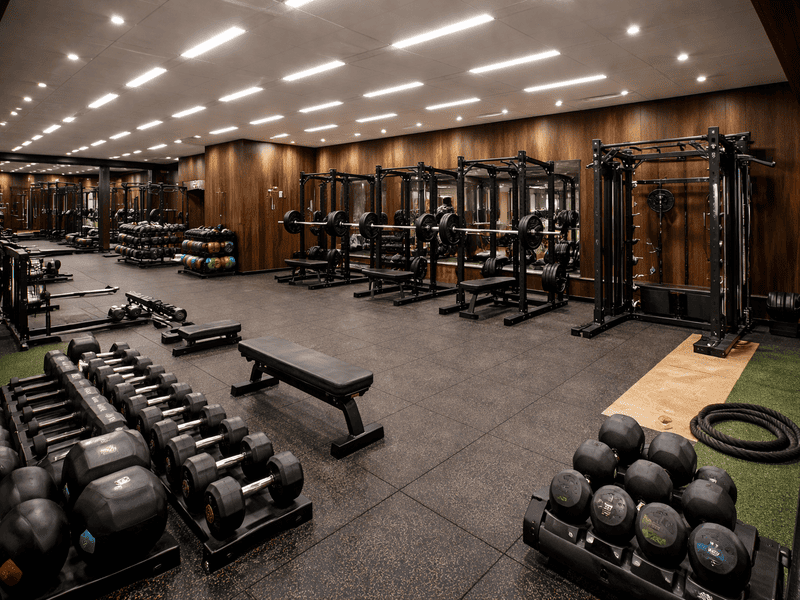
Eco-friendly gym flooring is the best choice for long-term facilities prioritizing air quality, durability, and shock absorption. While it may require a higher initial investment than basic synthetics, its superior lifespan and health benefits make it the professional standard for modern commercial and home gyms.
As a contractor who has installed thousands of square feet of gym surfaces, I often hear the myth that "green" materials are weak. This is simply not true. Most high-end eco-friendly flooring is made from recycled tires, which are engineered to withstand extreme road heat and friction. When we repurpose this rubber for a weight room, we are using a material that is already tested for high stress. From an engineering perspective, the density of recycled vulcanized rubber often exceeds that of virgin plastic foams. I have seen facilities reduce their replacement costs significantly because sustainable rubber handles dropped 100lb dumbbells better than many synthetic alternatives. We look at the Shore A Hardness scale to ensure the material provides enough "give" for joints but enough "firmness" for heavy lifts. Choosing sustainable options is a smart technical decision, not just an ethical one.

I want to explain why many people are moving away from traditional materials. The problems often start long before the first workout begins.
Why Can Traditional Gym Flooring Be Problematic for Your Health and Environment?
Traditional gym floors often release harmful Volatile Organic Compounds (VOCs) and use non-recyclable plastics that end up in landfills. These low-quality materials degrade quickly under heavy use, creating microplastic dust and poor indoor air quality that can harm athletes during high-intensity breathing sessions.
In my years of construction, the "new gym smell" is actually a major red flag. That scent usually comes from VOCs like formaldehyde used in cheap adhesives or low-grade PVC flooring. When you are doing cardio and breathing deeply, you do not want to inhale these chemicals. Most traditional gym mats are made from petroleum-based products that cannot be recycled. Once they wear out, they sit in a landfill for centuries. I focus on the "Life Cycle Assessment" of a project. Cheap floors often fail within three years, while a high-quality recycled rubber floor can last over ten years. We use the following table to compare common issues I see in the field:
Technical Comparison of Flooring Issues
| Issue Type | Traditional Synthetic Flooring | Eco-Friendly Recycled Rubber |
|---|---|---|
| Off-gassing | High (VOCs and Phthalates) | Ultra-Low (FloorScore Certified) |
| Recyclability | Non-recyclable / Landfill bound | 100% Recyclable |
| Lifespan | 3-5 Years | 10-15 Years |
| Safety Standard | Standard ASTM Tests | Meets LEED and GREENGUARD |

The health of the planet and the athlete are linked. Now, let us look at the specific materials that solve these problems.
What Are the Key Sustainable Materials You Should Look For?
The best sustainable materials include recycled rubber for heavy lifting, natural cork for low-impact activities, and bio-based linoleum for easy maintenance. These materials offer unique functional benefits like antimicrobial properties and high-density impact protection without relying on harmful virgin petroleum sources.
When I consult on a project, I match the material to the specific mechanical load of the gym—a critical first step when deciding how to choose eco friendly flooring for your home gym. Recycled rubber is my go-to for powerlifting zones because it has an incredible ability to disperse kinetic energy. For yoga or recovery rooms, I suggest natural cork. Cork is harvested from the bark of trees without killing them, making it highly renewable. It also contains suberin, a natural substance that resists mold and pests. For high-traffic areas with heavy machinery, bio-based polyurethane made from linseed oil is a top choice. It handles "point loads" extremely well, meaning it won’t permanently dent under a heavy leg press machine. My team focuses on these technical specs to ensure the floor doesn’t just look green, but performs like a professional-grade surface.
Sustainable Material Performance Matrix
| Material | Primary Source | Best Application | Key Technical Benefit |
|---|---|---|---|
| Recycled Rubber | Post-consumer Tires | Powerlifting / HIIT | High Shock Absorption |
| Natural Cork | Oak Tree Bark | Yoga / Pilates | Antimicrobial / Warmth |
| Bio-Polyurethane | Plant-based Oils | Machine Areas | High Indentation Resistance |
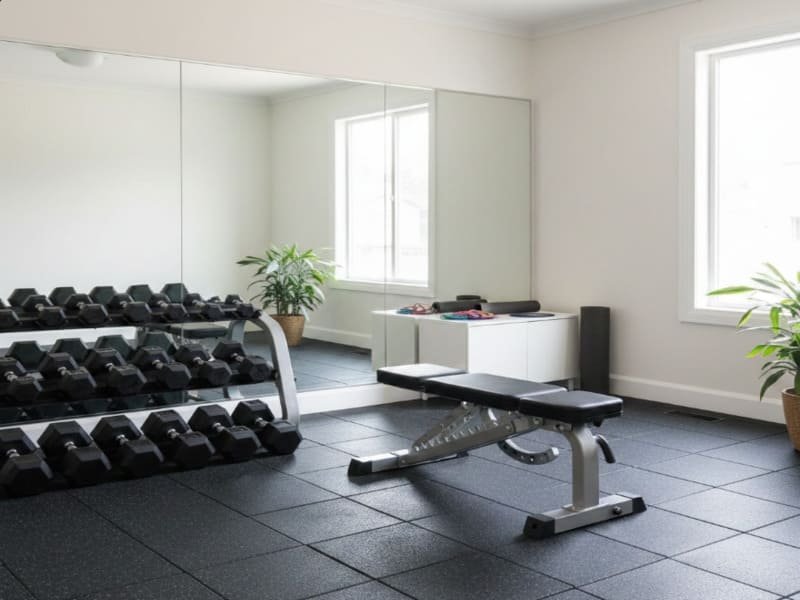
Selecting the material is the first step. Next, we must prove that these materials actually hold up during a workout.
Does "Green" Flooring Actually Perform Under Heavy Loads?
Yes, eco-friendly flooring often outperforms virgin materials in impact absorption and slip resistance. Most recycled rubber mats have a high Coefficient of Friction (COF), ensuring safety even when wet, and they provide excellent acoustic dampening for multi-story buildings.
Performance is measured by data, not just feelings—a core principle explored in depth in the ultimate gym flooring guide. In our tests, we look at the Coefficient of Friction. A safe gym floor should have a COF of at least 0.6. Recycled rubber consistently hits this mark even when sweaty. I also look at the sound transmission class (STC) ratings. If you are building a gym on the second floor of a building, you need a floor that absorbs the "thud" of a 200lb barbell. Sustainable rubber is naturally porous in a way that traps sound waves better than solid PVC. Durability is also a factor of density. We use mats with a density of at least 60 lbs per cubic foot for commercial zones. This ensures the floor doesn’t compress and lose its shape over time.
Performance Data Table
| Metric | Performance Requirement | Eco-Rubber Performance |
|---|---|---|
| Slip Resistance (COF) | > 0.5 (OSHA Standard) | 0.7 – 0.8 (Excellent) |
| Force Reduction | 10% – 35% | 25% – 40% (Depends on thickness) |
| Sound Insulation | High STC / IIC Ratings | Superior Dampening |

Now that we know it works, let us talk about who should—and should not—choose this option.
When Is Eco-Friendly Flooring NOT the Best Choice for You?
Eco-friendly flooring may not be ideal for ultra-low-budget pop-up shops, temporary event spaces, or extreme outdoor environments with direct UV exposure. In these cases, the higher upfront cost and specific maintenance needs might outweigh the long-term environmental and health benefits.
I always aim for honesty with my clients. If you are opening a "pop-up" gym that will only exist for three months, the higher price of premium recycled rubber is hard to justify. Similarly, while eco-friendly rubber is great, some natural materials like cork do not play well with direct, constant sunlight in outdoor settings; they can fade or dry out. If you have zero budget and just need "something" on the floor for a few weeks, cheap foam mats might work, though I still hate the smell they leave behind. Furthermore, some specialized "clean rooms" or medical-grade fitness labs might require heat-welded virgin PVC for total sterility, which recycled rubber cannot always provide. It is important to look at your specific constraints—budget, duration, and environment—before committing to a green solution.
Decision Guide: Is it Worth It?
| Choose Eco-Friendly If… | Skip Eco-Friendly If… |
|---|---|
| You want a floor that lasts 10+ years | You only need the floor for 6 months |
| You care about indoor air quality | You have an extremely limited "throwaway" budget |
| You have heavy lifting equipment | You are installing in an unshaded outdoor spot |
| You want to build a premium brand | You need medical-grade, 100% sterile PVC |

If you have decided that eco-friendly is the way to go, here is a quick summary to help you finalize your choice.
Quick Decision Summary: The Bottom Line
In summary, eco-friendly gym flooring is the superior choice for permanent, high-traffic facilities that value athlete health and long-term ROI. It is a high-performance foundation that pays for itself through durability and brand reputation, provided you choose the right thickness for your activity.
To wrap this up, the decision comes down to value versus price. As a contractor, I see people regret buying cheap flooring every single day because it tears, smells, or moves under their feet. A "green" floor is an investment in your building’s infrastructure. If you are doing heavy powerlifting, get 15mm recycled rubber. If you are running a boutique yoga studio, go with 6mm natural cork. If you are a commercial gym owner, the "FloorScore" certification is your best marketing tool to show members you care about their lungs as much as their muscles. We use the following checklist to make the final call simple for you and your team.
Buyer’s Final Checklist
| Question | What to look for |
|---|---|
| Recycled Content? | Aim for 80% to 100% post-consumer content. |
| Toxic Additives? | Ensure no added formaldehyde or phthalates. |
| Lifespan? | Look for warranties of 10 years or more. |
| Certifications? | Seek out GREENGUARD Gold or FloorScore. |
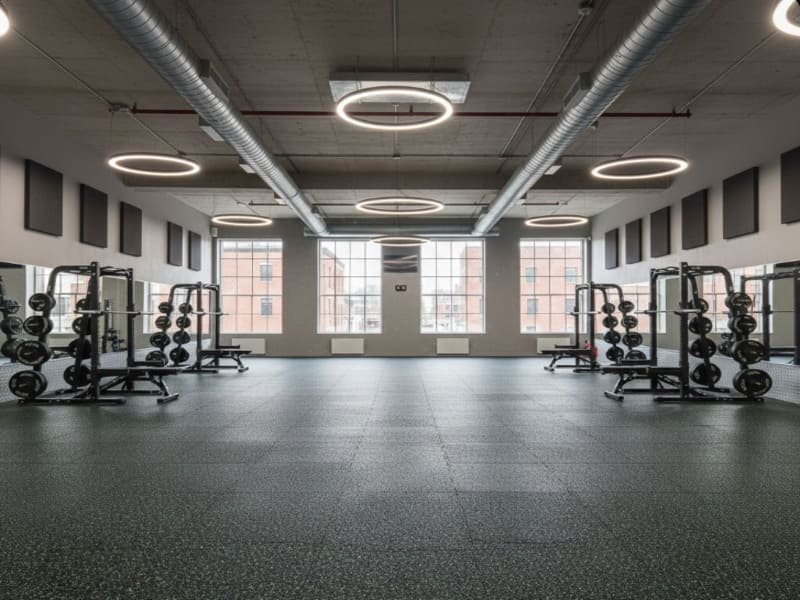
I hope this guide helps you feel confident in your flooring choice. It is a decision that impacts your health and your planet.
Conclusion
Choose eco-floors for lasting performance.
Ready to find your perfect fit?
Choosing the right floor involves balancing performance, budget, and sustainability. If you want to see how these materials look and feel in person, my team can help. We provide expert consultations to help you navigate technical specs, and we can send you free samples or a custom quote for your project. Reach out to us today to start your foundation on the right foot.