


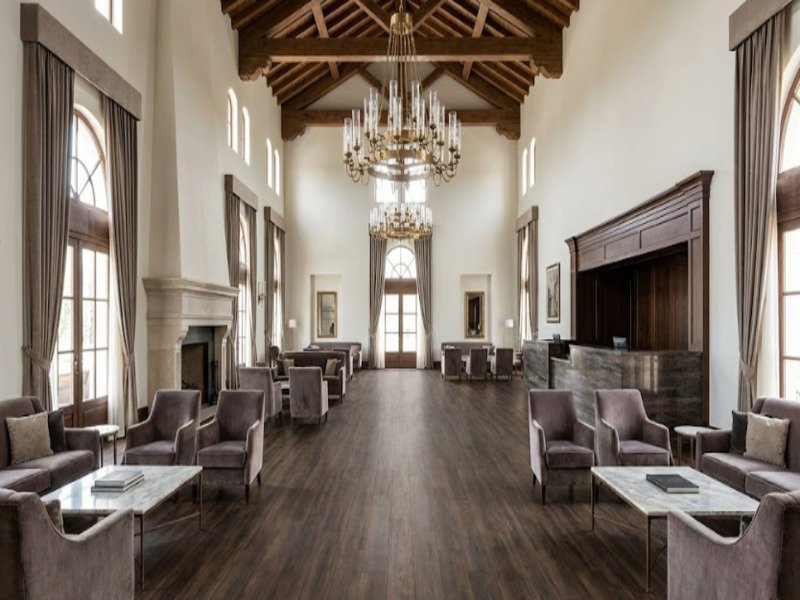
PVC flooring, particularly SPC and LVT, is the smartest choice for high-traffic zones because it combines a rigid stone-plastic core with a commercial-grade wear layer (20mil+). This engineering delivers superior impact resistance, 100% waterproofing, and specific acoustic benefits while costing significantly less than stone or hardwood.
In my 15 years designing extrusion lines for polymer flooring, I have seen the technology shift from basic vinyl sheets to highly engineered composite planks. The secret to its success in busy areas lies in the lamination pressure and core density. Unlike wood, which is fibrous and porous, modern PVC flooring (specifically Stone Plastic Composite) is essentially man-made stone. We mix limestone powder with PVC resin and stabilizers, then extrude it under high heat. This creates a core density of approximately 2,000 kg/m³. When we fuse this with a heavy-duty transparent wear layer, we create a surface that resists the compressive force of heavy rolling loads—like hospital beds or retail pallets—and the abrasive friction of thousands of daily footsteps. For a facility manager, this means you are installing a floor that is chemically inert and physically tough, solving the twin problems of rapid wear and high maintenance costs found in traditional materials.

Understanding the core density is important, but you likely want to know how this translates to actual daily abuse in your specific facility.
Can PVC Flooring Handle Real-World Daily Traffic Scenarios?
Yes, PVC flooring is engineered to withstand specific high-traffic loads: it resists abrasion from 2,000+ daily footsteps in retail, withstands chemical sanitization in healthcare, and prevents slip-and-fall accidents in schools thanks to textured wear layers rated R10 or higher.
To prove this, we look at real-world performance data rather than just lab specs. These performance insights are closely tied to the best places to use PVC flooring, where factors like foot traffic, rolling loads, and environmental exposure determine long-term success.
In a busy retail store, the primary enemy is abrasion. A floor might see 2,000 shoppers a day, plus grit brought in from outside. Here, the aluminum oxide coating on the wear layer acts like a microscopic shield, preventing the formation of "traffic lanes" near checkout counters. In schools, the challenge is different; it is about scuffs from sneakers and impact from dropped books. We test for this using the Castor Chair Test (ISO 4918), ensuring the surface doesn’t delaminate under stress. For healthcare facilities, the focus is on rolling loads and hygiene. A standard commercial PVC plank has a static load limit often exceeding 500 PSI, meaning heavy medical equipment won’t leave permanent divots. Furthermore, the surface is non-porous, allowing for the use of hospital-grade disinfectants without degrading the material, a crucial factor that carpet or natural wood cannot match.

Now that you see it works in these tough environments, the next logical question is: which specific type should you buy for your space?
Which PVC Flooring Specification Do You Need for Your Project?
To maximize lifespan and ROI, you must match the wear layer thickness to your traffic level: use 20mil (0.5mm) or higher for commercial retail and healthcare, while 12mil-20mil is sufficient for busy residential areas or light office use.
As an engineer, I see many failures caused simply by under-specifying the product. In practice, this often happens when decision-makers do not clearly understand the difference between PVC and rubber sports flooring before selecting thickness, wear layer, or core structure.
You cannot put a residential product in a supermarket. To help you make the right engineering decision, I have compiled this selection matrix based on material stress tests:
| Application Area | Recommended Core | Wear Layer | Core Thickness | Why This Spec? |
|---|---|---|---|---|
| Mall / Retail | SPC (Rigid) | 22mil – 28mil (0.55mm+) | 5.0mm – 6.5mm | Maximum impact resistance for carts and heavy footfall. |
| School / Hospital | SPC or Glue-down LVT | 20mil (0.5mm) | 4.0mm – 5.0mm | High durability combined with rolling load resistance. |
| Corporate Office | LVT (Flexible) | 12mil – 20mil (0.3-0.5mm) | 2.5mm – 4.5mm | Better acoustics (quieter) and sufficient for office chairs. |
| Busy Home/Pets | SPC | 12mil – 20mil (0.3-0.5mm) | 4.0mm | Resists pet claws and is 100% waterproof for accidents. |
The "Why" is critical here. For a mall, we recommend a thicker core (5mm+) not just for toughness, but for the locking mechanism strength. A thicker plank allows for a deeper click-lock profile, which provides stronger tensile strength to hold the floor together under the torque of heavy turning loads (like a forklift or heavy cart turning a corner). If you choose a thin floor for a heavy area, the joints will fail before the surface does.
Even with the right spec, you might still worry about environmental factors like sunlight or heavy furniture damaging the floor.
How Does PVC Flooring Tackle Tough Environmental Concerns?
Modern SPC flooring solves common environmental issues: UV-stabilized coatings prevent yellowing from sunlight, the limestone core prevents heat-induced buckling, and high-density wear layers resist damage from office chair castors and pet accidents.
I often hear concerns based on old vinyl floors from the 90s, so let’s address the engineering improvements.
-
"Will it yellow in the sun?" No. We now add UV inhibitors to the polyurethane top coat. This blocks the ultraviolet radiation that breaks down polymer chains. In our "Xenon Arc" testing chambers, we blast floors with simulated sunlight for hundreds of hours to ensure color stability (Grade 6+ ISO 105-B02).
-
"Will heat make it buckle?" This was a major issue with flexible LVT. However, SPC (Stone Plastic Composite) is the answer. Because the core is 70% stone powder, it has an extremely low coefficient of thermal expansion. It stays dimensionally stable even in temperatures up to 176°F (80°C), making it safe for sunrooms or shop fronts with large glass windows.
-
"Do chair wheels ruin it?" If you use a 20mil wear layer, the answer is no. The surface is hard enough to resist the friction. However, as a precaution, I always recommend using Type-W (soft) castors, but the floor itself is structurally sound enough to handle standard rolling loads without cracking.
-
"Is it pet safe?" The surface is chemically resistant to uric acid. If a pet has an accident, it won’t etch the surface or swell the seams, provided it is cleaned up reasonably quickly.
Technical performance is great, but budget is always a reality. Does the performance justify the cost compared to other options?
How Does the Cost and ROI Compare to Traditional Options?
PVC flooring offers the highest Return on Investment (ROI) for high-traffic areas because it costs 30-50% less to install than ceramic tile or hardwood and requires zero ongoing restoration costs like sanding, sealing, or polishing.
When I work with product developers on cost analysis, we look at the Total Cost of Ownership (TCO).
-
Material Cost: PVC is cheaper to produce than harvesting timber or firing ceramic.
-
Installation Speed: This is the hidden money-saver. Because SPC uses a "Click-Lock" floating system, we eliminate the glue drying time and the grout curing time. A retail store can be renovated overnight and open the next morning. That means zero revenue loss due to downtime.
-
Maintenance: Real wood requires sanding and refinishing every 5-7 years, which is messy and expensive. VCT (Vinyl Composition Tile) requires stripping and waxing monthly. PVC requires… nothing. Just sweeping and mopping.
Over a 15-year lifecycle, the savings on maintenance labor alone often pay for the floor itself. It gives you the "look" of a luxury material (thanks to HD printing and Embossed-in-Register texture) without the "luxury" maintenance bill.
Conclusion
PVC flooring, especially commercial-grade SPC, is the superior engineering choice for high-traffic areas. It delivers verified durability, water resistance, and rapid installation, providing a high-performance solution that respects your budget.
I invite you to leverage our manufacturing insights and technical data to ensure your next high-traffic project is a lasting success. Request a free design consultation today, including commercial-grade samples and our detailed wear-layer test reports for absolute confidence in your material selection.