


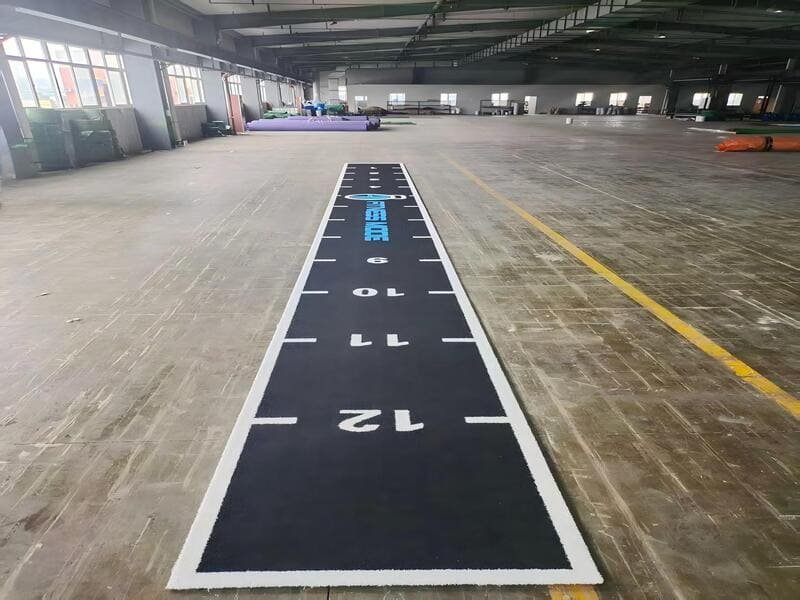
Choosing the right turf for prowler training requires balancing high fiber density (at least 50,400 stitches/m²), a short pile height (10mm-15mm), and heat-resistant materials like Nylon or Polyethylene to handle high-friction sled movement without melting or tearing.
I have spent years optimizing production lines for gym flooring, and I see many gym owners make the same mistake. They buy landscape grass for sled work. This creates the "Prowler Paradox" where the turf is either too slick for traction or so weak that the sled skis rip the fibers out of the backing. From an engineering view, the wrong turf choice destroys both your equipment and your subfloor. Investing in high-grade technical turf is a financial decision that reduces the need for sled ski replacements and prevents floor repairs. My goal is to help you find that "Goldilocks" zone where the turf is tough enough for a 400lb sled but safe enough for your joints.
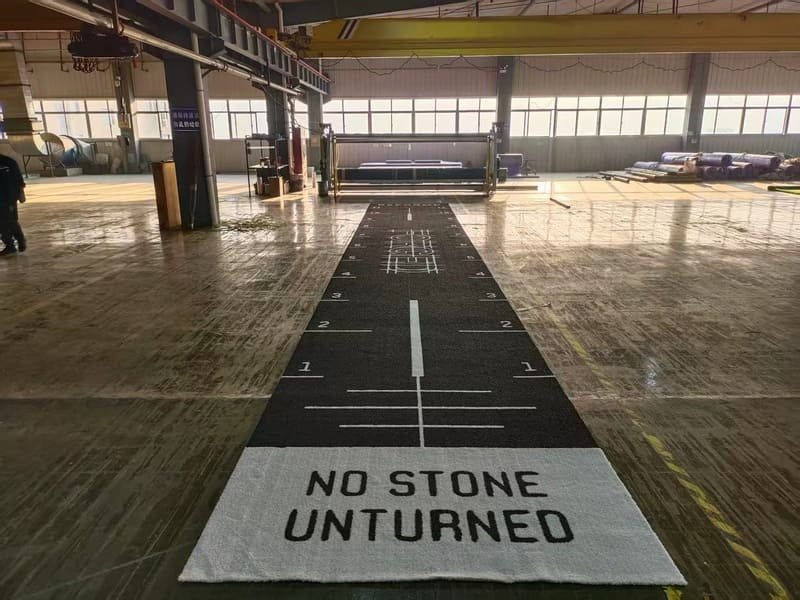
The specific construction of the turf determines if your athletes will make gains or just get frustrated by failing equipment.
Is High Pile Density Essential for Sled-Ready Turf?
Yes, high pile density is the most critical factor because it provides the structural support needed to resist the lateral force of a heavy sled. Sparse turf allows the sled skis to sink to the backing, causing "bunching" and rapid fiber degradation under heavy loads.
Density is not just about looks; it is about mechanical resistance. In my factory, we optimize "Sled-Ready" turf by increasing the stitch rate to ensure the fibers stand close together. This creates a uniform surface. If the pile is too high, usually over 20mm, the sled creates too much "drag," which feels like pushing through mud. We find that a 10mm to 15mm pile height is the sweet spot. It allows for enough cushioning for the athlete’s feet while keeping the sled moving smoothly. The material choice also matters deeply.
Technical Material Comparison for Sled Tracks
| Materiał | Trwałość | Odporność na ciepło | Komfort skóry | Najlepszy przypadek użycia |
|---|---|---|---|---|
| Polietylen (PE) | Wysoki | Umiarkowany | Doskonały | General Gyms / Sprints |
| Polipropylen (PP) | Bardzo wysoka | Wysoki | Niski | Heavy Commercial Sleds |
| Nylon | Elita | Wyjątkowy | Umiarkowany | High-Traffic Performance Centers |
Many people do not realize that Nylon is the premium choice for prowler tracks because of its high melting point. When a metal sled rubs against plastic at high speed, it creates heat. Cheap turf will literally melt and stick to your sled.
What Are the Critical Technical Specifications for Your Checklist?
You must prioritize backing strength and UV stabilization. A multi-layer backing using Latex and Polyurethane prevents the turf from rippling when pushed. UV stabilization is also vital if your prowler track is near windows or located outdoors to prevent the fibers from becoming brittle.
From a manufacturing perspective, the "Friction Coefficient" is what defines the "heavy feel" of your sled. We test different textures to ensure the slide is consistent across the entire roll. If you are installing this track in a high-moisture area or outdoors, you also need to check the perforation and drainage specs. Without proper drainage holes, water can sit between the turf and the subfloor, leading to mold and adhesive failure. These specs are what separate a professional-grade track from a cheap imitation.
Key Performance Metrics for Gym Turf
| Cecha | Wymóg | Powód inżynieryjny |
|---|---|---|
| Typ podkładu | Primary + Secondary (PU) | Prevents stretching and rippling under 500lb+ loads. |
| Dtex (Fiber Weight) | 5,000 - 8,000 | Higher Dtex means thicker, more resilient fibers. |
| Drainage Rate | > 30 L/min/m² | Ensures quick drying after cleaning or rain. |
You should always verify these numbers with your supplier before making a bulk purchase. These details are what stop the turf from moving under the athlete’s feet.
Is Padded or Unpadded Turf Better for Prowler Training?
Padded turf with a 5mm-10mm foam base is better for joint health and easier installation, while unpadded glue-down turf offers maximum stability for extremely heavy sled loads (400 lbs+) by keeping the sled "true" to the solid subfloor.
This choice depends on your specific training goals. Padded turf provides built-in shock absorption, which is great for sprints and lunges. However, in my experience, very heavy prowlers can make padded turf feel "mushy." The sled might dip into the foam, making it harder to start the movement. Unpadded turf, when glued directly to concrete or rubber, offers zero "give." This is the standard for pro sports facilities. The downside is that it is much harder on the knees if the athlete falls. You must have a perfectly flat subfloor for unpadded turf to work well.
Comparing Turf Structures for Performance
| Cecha | Padded Turf (Integrated Foam) | Unpadded Turf (Glue-Down) |
|---|---|---|
| Absorpcja wstrząsów | High (Good for joints) | Low (Hard surface) |
| Sled Stability | Umiarkowany | Excellent (No compression) |
| Łatwość instalacji | Easy (Lay flat/Tape) | Difficult (Full glue spread) |
I usually suggest padded turf for boutique studios and unpadded for high-performance strength camps. Both have their place, but you must choose based on your heaviest expected load.
How Can You Avoid Common Pain Points Like Melting or Seam Failure?
To avoid "turf burn" or melting, choose Nylon fibers with a high melt point. To prevent seam failure, use industrial-grade polyurethane adhesive or high-strength turf tape, and ensure your subfloor is dry and clean before the installation process begins.
A common complaint I hear is about the "AI smell" or off-gassing. This happens with low-quality materials. You should always choose VOC-compliant turf to ensure indoor air quality. Another big issue is the grain direction. Turf has a "lay," and if you push the sled against the grain, it feels much heavier than pushing with it. When we install these tracks, we make sure the pieces are laid in the same direction to keep the resistance consistent. Also, remember to check your sled skis for burrs. A sharp piece of metal on your sled will tear even the most expensive turf.
Maintenance and Installation Checklist
- Przygotowanie podłoża: Concrete or high-density rubber is best.
- Directional Grain: Align all rolls in the same direction.
- Perimeter Security: Use transition strips to stop edges from curling.
- Szczotkowanie: Use a stiff brush once a month to keep fibers upright.
- Sled Check: Sand down any rough spots on your sled’s bottom.
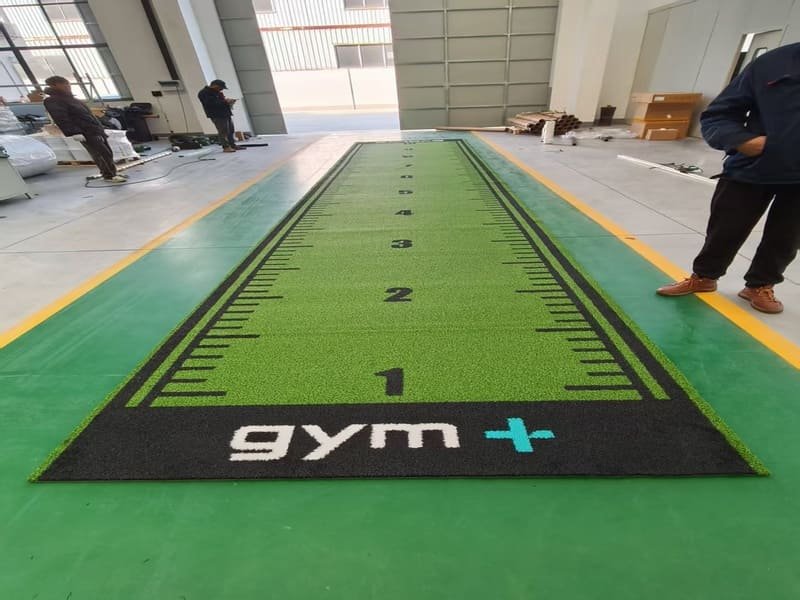
Regular maintenance like brushing prevents the fibers from laying flat. If the fibers lay flat, the sled will start to slide too easily, and the turf will wear out faster.
Wnioski
Choose 10-15mm Nylon turf for the best prowler results.
Professional Insight: As a manufacturer, I can tell you that the difference between "good" and "great" turf is in the stitch density. If you can see the backing when you pull the fibers apart, it is not heavy-duty enough for a prowler.
Ready to upgrade your facility with a track that actually lasts? If you need a custom quote for high-density, sled-ready turf or want to discuss the best specs for your specific floor plan, feel free to send me a private message!