


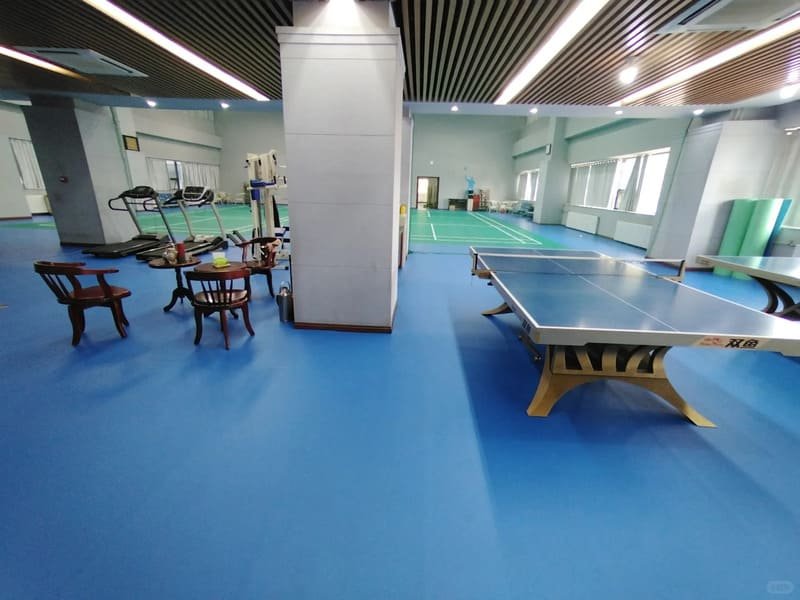
Yes. PVC flooring can be installed in sections, but the method depends on the product type. Glue-down LVT and modular tiles phase easily, click-lock rigid-core flooring needs careful planning at temporary edges, and sheet vinyl can also be phased when seams, adhesive, and welding are planned correctly.
PVC flooring is not one single product, and that is exactly why this question does not have one single answer. Glue-down LVT, click-lock SPC and WPC, loose-lay tiles, residential sheet vinyl, and commercial homogeneous or heterogeneous PVC sheet all behave differently once you introduce a pause between installation phases. I have specified and supervised phased installations across all of these categories, from homeowners doing one room per month to commercial projects that stayed open to the public while flooring was replaced section by section. In this guide, I will walk through which products handle phasing best, how to protect your work between sections, and how to manage seams and transitions so the finished floor reads as one continuous surface.
The right approach starts with knowing exactly which category of PVC flooring you are working with, since that single fact drives almost every decision after it.
Which Type of PVC Flooring Can You Install in Sections?
Glue-down LVT, click-lock rigid-core flooring, loose-lay tiles, and sheet vinyl can all be installed in phases, but each has a different key consideration.
| Typ podłogi | Suitable for Sections? | Kluczowe aspekty |
|---|---|---|
| Glue-down LVT/LVP | Yes, very well suited | Adhesive boundary lines, batch consistency |
| Click-lock rigid core (SPC/WPC) | Yes, with planning | Protecting the exposed edge between phases |
| Loose-lay PVC | Tak | Keeping unfixed edges stable until the next section |
| Residential sheet vinyl | Yes, with more care | Seam placement, adhesive timing |
| Commercial homogeneous/heterogeneous PVC sheet | Tak | Heat or chemical welding schedule, batch matching |
Glue-down LVT is arguably the easiest of the group to phase, since each section is bonded independently and there is no shared locking mechanism to protect between sessions. You do need to plan where one adhesive section ends and the next begins, ideally at a doorway or natural break in the layout. Click-lock rigid-core flooring is the category most DIYers picture when they hear "sectional installation," and it works well as long as the exposed edge is protected. Sheet vinyl is often assumed to require one uninterrupted installation, but that is a myth. Commercial and residential sheet products are routinely installed in multiple pieces, with seams joined by heat welding, chemical welding, or a manufacturer-approved seam sealer depending on the product.
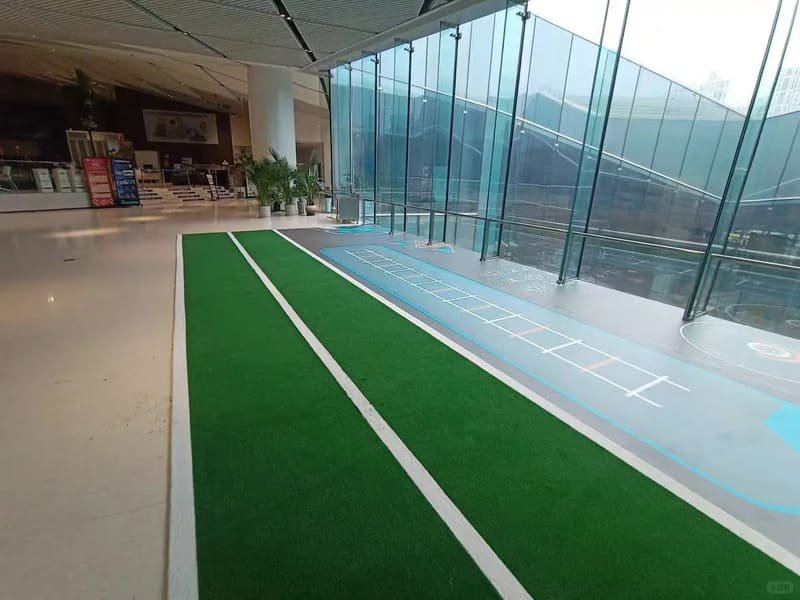
Knowing your material type is step one. Step two is deciding whether phasing is actually the right call for your project.
What Are the Pros and Cons of Phased PVC Flooring Installation?
Phasing spreads out cost and keeps living or working space usable, but it introduces the risk of batch color variation and, in some cases, extra transitions.
| Zalety | Drawbacks | |
|---|---|---|
| Budżet | Spreads cost across multiple purchases | Risk of dye lot mismatch on separate orders |
| Space usability | Rooms stay livable or operational during renovation | May need transition strips between phases |
| Oś czasu | Fits weekend DIY or off-hours commercial work | Locking profiles can change between product runs |
The upside is straightforward. You are not paying for or emptying an entire building at once, and each phase can be scheduled around your budget or business hours. This matters just as much for a commercial facility staying open during a flooring replacement as it does for a homeowner working room by room. The downside is mainly cosmetic and logistical rather than structural. PVC flooring is manufactured in production batches, and color or pattern can shift slightly between runs, so material bought months apart may not match perfectly under close inspection. Locking profiles and product specifications can also be revised by the manufacturer over time, which is worth checking before ordering a second batch of click-lock product.
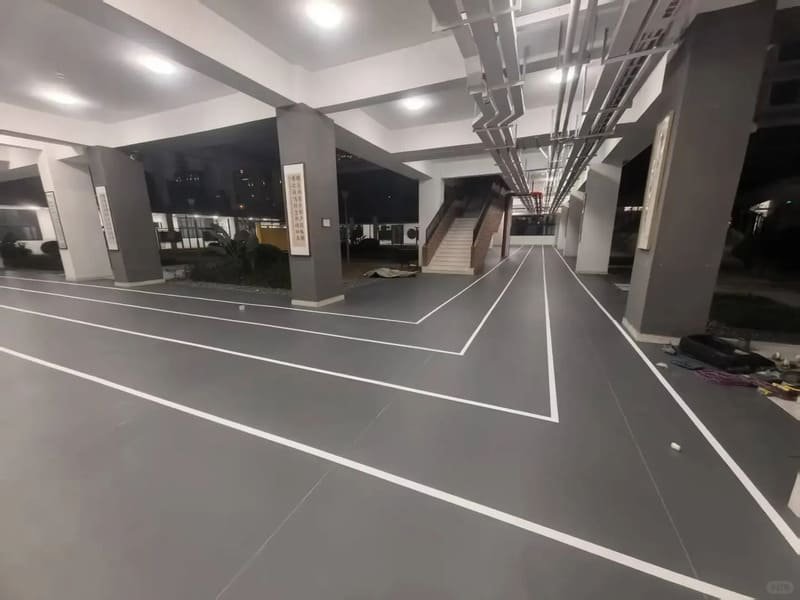
If the trade-offs work for your project, the next question is how to actually execute a phased installation without damaging what you have already laid.
How Do You Install Click-Lock or Glue-Down PVC Flooring in Sections?
Plan the full layout first, protect the exposed edge at your stopping point, then resume with clean, debris-free joints when you continue.
Step 1: Plan the Full Layout Before Starting
Walk the entire space, including doorways and adjoining rooms, and mark where the flooring direction will run before you lay the first piece. For glue-down LVT, this also means marking where your adhesive boundary will sit for each phase.
Step 2: Choose and Protect the Stopping Point
Stop at a natural boundary whenever possible, such as a doorway or the edge of a low-traffic area. For click-lock flooring, keep the exposed tongue-and-groove edge isolated from foot traffic and cover it with a rigid temporary protector rather than fastening the floating floor to the subfloor, since floating systems are designed to move freely and should not be pinned down.
Step 3: Resume the Installation Correctly
Installation can typically resume later as long as the exposed edge remains undamaged, clean, and correctly aligned. Vacuum the groove thoroughly before engaging the next plank, since debris is the most common reason a joint will not seat properly. Engage new pieces at the manufacturer’s recommended angle and never force a connection that resists.
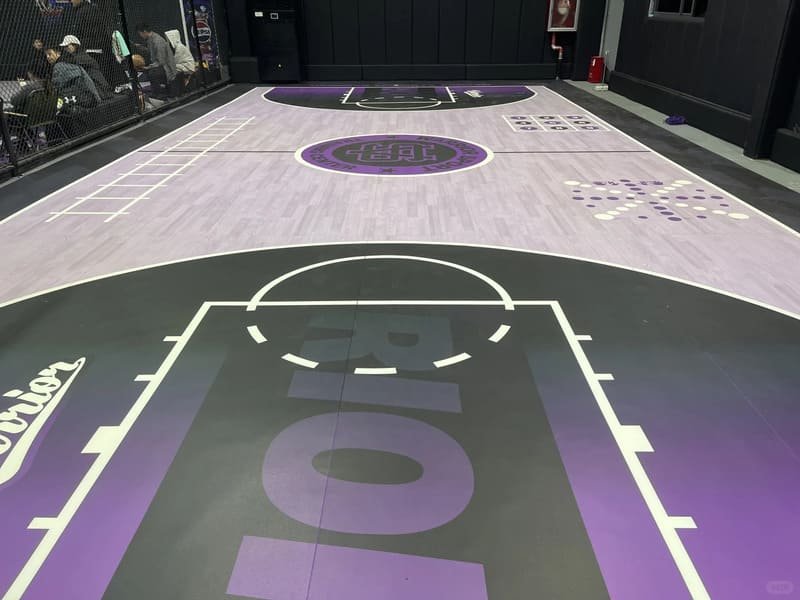
Getting each section installed correctly is only part of the job. The other part is making sure the sections connect to each other cleanly.
How Do You Handle Seams and Transitions Between Sections?
Click-lock and glue-down flooring can often run continuously between rooms, while sheet vinyl seams are joined by heat welding, chemical welding, or a manufacturer-approved seam sealer depending on the product.
Continuous Runs for Plank and Tile Flooring
Click-lock and glue-down PVC can frequently run straight through a doorway into the next room without a visible break, provided the direction and product line up. Floating floors do need room to expand and contract with temperature and humidity, and the maximum continuous run before a transition is required varies significantly by manufacturer and product line. Some products allow well over 65 to 100 linear feet, while others require a break much sooner. Always confirm the specific limit in your product’s installation instructions rather than assuming a general rule.
Joining Sheet Vinyl Between Phases
Sheet vinyl seams are treated differently depending on the product and application. Residential sheet vinyl is often joined with a chemical seam sealer, while commercial homogeneous and heterogeneous PVC sheet frequently specifies heat welding for a durable, moisture-resistant joint. In both cases, seam placement should be planned in advance so the joint falls in a low-visibility, low-traffic location.
Using Transition Strips (T-Moldings)
A transition strip is usually the simplest and safest solution when the flooring direction changes between rooms or when a continuous run reaches its expansion limit. Some locking systems can accommodate more complex layouts without a transition, but this should be confirmed against the manufacturer’s instructions before you commit to a layout.
With seams and transitions handled, a few remaining habits make the difference between a smooth phased project and one full of avoidable rework.
How Do You Avoid Common Sectional Installation Mistakes?
Order your full material quantity upfront, follow the specific product’s acclimation instructions, and reserve expansion gaps for perimeters and fixed objects rather than temporary stopping edges.
- Order the full quantity upfront when possible. This reduces the risk of dye lot mismatches and protects you if the product is discontinued mid-project. Store unused boxes flat in a climate-controlled space rather than a garage or uninsulated area.
- Follow the manufacturer’s specific acclimation requirements. These vary by product. Some vinyl flooring requires 24 to 48 hours of acclimation, while many modern rigid-core products require little to no acclimation under normal job-site conditions. Check the installation guide for your exact product before assuming either extreme.
- Reserve expansion gaps for perimeters and fixed objects. The 1/4 inch (or manufacturer-specified) gap requirement typically applies to walls, columns, cabinets, and other fixed obstacles, not to a temporary stopping edge between two phases of the same continuous floor. A temporary edge only needs an expansion gap if it is designed as a permanent transition or movement joint.
These details matter more than they might seem at first glance. Here are a few more questions I hear directly from clients planning a phased installation.
Często zadawane pytania
Can sheet vinyl really be installed in sections?
Yes. Sheet vinyl is supplied in rolls, and larger spaces often require multiple sheets joined at planned seam locations. Depending on the product, seams are heat welded, chemically welded, or sealed with a manufacturer-approved treatment.
Can I change the flooring direction in the next room?
A transition strip is usually the safest and simplest solution when direction changes between rooms. Some locking systems support more complex layouts, but confirm this against your product’s specific instructions first.
How long can I wait between installing sections?
As long as needed, provided the exposed edge or seam location has been protected and the product’s acclimation and storage guidelines have been followed in the meantime.
Do all PVC flooring products need 48 hours to acclimate?
No. Acclimation requirements differ by product line. Always check the specific installation guide rather than applying one product’s requirement to another.
Wnioski
Phased installation works across most PVC flooring types when you match your method to the product, protect exposed edges or seams, and follow that specific manufacturer’s instructions.
O autorze: I work in custom and bulk PVC flooring manufacturing, with hands-on experience across glue-down LVT, click-lock rigid-core, and commercial homogeneous PVC sheet production. My focus is on manufacturing process optimization and design consultation, helping clients choose the right construction and installation approach for their specific application before production begins.
If you’re planning a phased flooring project and want help selecting the right PVC construction, seam method, or transition strategy for your layout, feel free to send me a message. I’m glad to review your project details and help you avoid costly mismatches before you order material.