


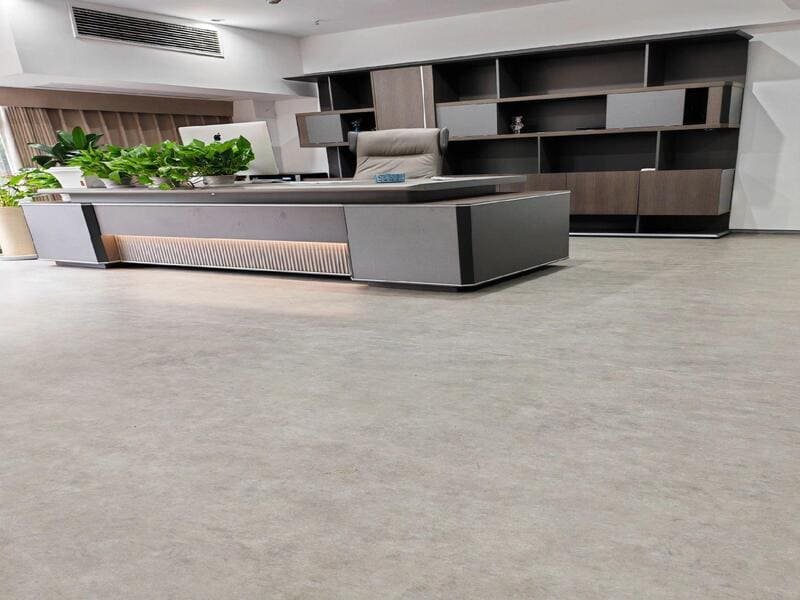
A strong commercial vinyl flooring tender must state project scope, technical specs, subfloor conditions, installation method, pricing structure, vendor qualifications, and warranty terms. Missing any of these leads to bid confusion, budget overruns, and installation failures.
I have reviewed hundreds of flooring tenders over the years, and I can tell you the weak ones all share one trait: they leave too much room for guesswork. When a tender skips wear layer specs or subfloor moisture limits, contractors bid blind. Some price low and cut corners. Others pad the number to cover risk. Either way, you lose. A good tender removes guesswork. It tells every bidder exactly what material, what install method, and what performance standard you expect. This is not paperwork for its own sake. It is the document that decides if your floor lasts ten years or fails in ten months.
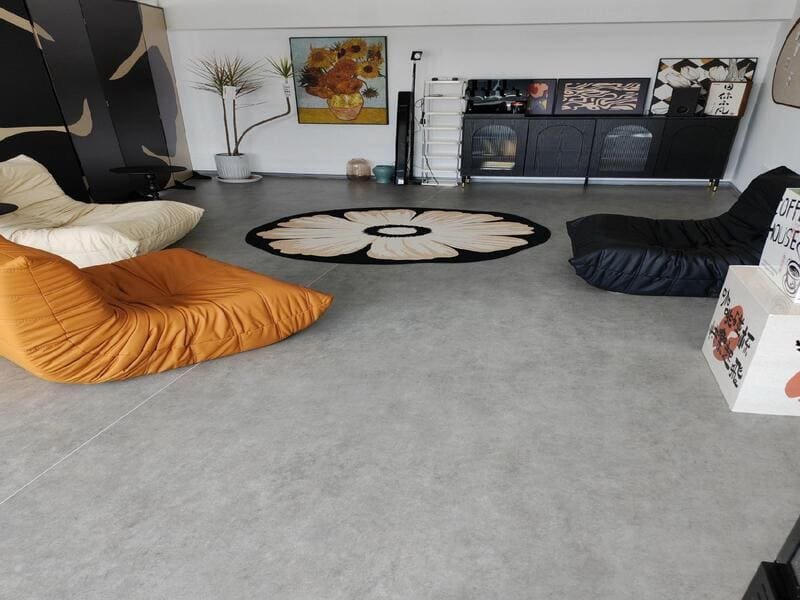
I want to walk you through every section a tender needs, in the order I build them myself. Once you see how each piece connects to the next, writing your own RFP gets a lot easier.
Why Does a Vinyl Flooring Tender Need a Project Overview?
A project overview sets the context bidders need to price accurately. It states building type, traffic level, work scope, and key dates. Without it, contractors guess at conditions and submit inconsistent bids.
I always start a tender with the basics: is this a hospital, a school, a retail store, or a hotel lobby? Each building type carries different traffic and hygiene demands, so this single line changes what material fits. Next comes scope of work. Spell out if the price should cover material supply only, or supply plus floor prep, installation, and waste haul-away.
| Section | What to Include |
|---|---|
| Typ budynku | Healthcare, education, retail, hospitality, etc. |
| Poziom ruchu | Light, medium, heavy, or 24/7 use |
| Scope of Work | Material, prep, install, cleanup, post-care |
| Key Dates | Bid deadline, site access, install window, completion |
I have seen tenders skip the timeline section entirely, and it always causes friction later. State your bidding deadline and install window up front. It keeps every contractor working from the same calendar.
That covers the framing. Now let’s get into the part most bidders actually care about: the material itself.
What Technical Specifications Should a Vinyl Tender Require?
A tender should specify vinyl type, wear layer thickness, surface coating, slip resistance, fire rating, acoustic performance, and indoor air quality certification. These specs protect against performance failures in commercial settings.
This is the technical core of the document, and I treat it as non-negotiable. First, name the vinyl type: LVT/LVP, sheet vinyl, SPC/WPC rigid core, or VCT. Each behaves differently under rolling loads and moisture.
Durability Specs
Wear layer thickness matters most for heavy traffic. I recommend 20 mil (0.55mm) or higher for commercial corridors and lobbies. Pair this with a polyurethane (PU) coating for stain and scratch resistance.
Safety and Compliance Specs
| Wymóg | Standard |
|---|---|
| Odporność na poślizg | PTV rating or R10/R11 |
| Fire & Smoke | ASTM E648 Class 1 or EN 13501-1 |
| Akustyczny | IIC / Delta IIC dB rating |
| Higiena | Antimicrobial, disinfectant resistance |
| Jakość powietrza | FloorScore® or GREENGUARD Gold |
A healthcare client I worked with once skipped the acoustic rating in their tender. The winning bid met every material spec but failed sound testing after install, forcing a costly redo. Small line items like this carry real cost if left out.
Once material specs are locked, the next question is whether the floor underneath can even support them.
Why Does the Subfloor Matter Before You Select Vinyl?
Subfloor moisture and flatness determine whether vinyl will bond and perform correctly. Testing standards like ASTM F2170 and flatness tolerances must be part of the tender to avoid adhesive failure and bubbling.
I never let a project move forward without subfloor testing requirements written into the tender. Moisture is the number one cause of vinyl failure I see in the field. If vapor pushes up through concrete, adhesive breaks down and tiles lift within months.
Require ASTM F2170 relative humidity testing or ASTM F1869 calcium chloride testing before install begins. Also state flatness tolerance, commonly the 3mm-over-3m rule, since an uneven subfloor telegraphs through thin vinyl and creates visible ridges.
The tender should also define who handles subfloor prep: demolition of old flooring, moisture mitigation systems if needed, and self-leveling compound work. Naming this scope avoids a common dispute where the contractor assumes prep is extra and bills you later for something you thought was included.
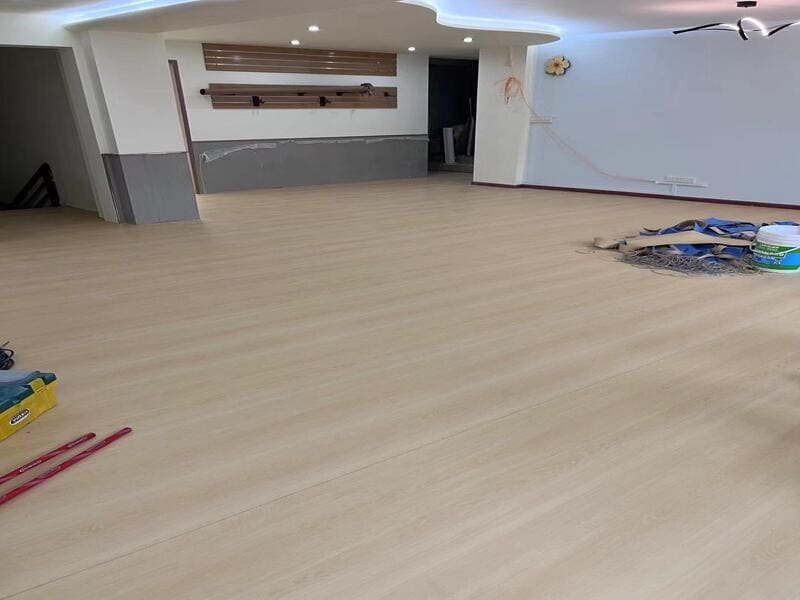
With the subfloor scope settled, the tender needs to say exactly how the vinyl gets installed.
What Installation Method Should the Tender Specify?
The tender should name the installation method (glue-down, loose lay, or click system), adhesive type, seam welding approach for sheet vinyl, and site acclimatization requirements to prevent workmanship defects.
Installation method changes both cost and performance, so I always require bidders to state their method clearly rather than leave it open. For direct glue-down, specify the adhesive type, pressure-sensitive, acrylic, or low-VOC, since this affects both bond strength and indoor air quality.
For healthcare or lab settings, seamless installation matters most. Require heat-welded or cold-welded seams for sheet vinyl, since open seams trap bacteria and moisture. Also include cove base and wall transition details, especially sanitary flash coving for hygienic environments.
Site Workmanship Requirements
- Acclimatization: 24–48 hours of temperature control before install
- Floor protection during remaining construction work
- Waste disposal and recycling policy
I have seen good material ruined by rushed acclimatization. Vinyl expands and contracts with temperature, and skipping this step causes gapping or buckling within weeks. State it in the tender so no bidder skips it to save time.
With the technical and installation scope covered, let’s talk about the part that protects your budget: pricing structure.
How Should Pricing Be Structured in a Vinyl Tender?
Pricing should be itemized by material, labor, and prep cost per square foot, with unit rates for unexpected repairs, clear payment milestones, and a fixed price validity period.
I always push clients to request an itemized price schedule rather than one lump number. A single total price hides where money goes and makes it hard to compare bids fairly.
| Pozycja kosztów | Dlaczego to ma znaczenie |
|---|---|
| Material per sq ft | Compares vinyl cost across bidders |
| Labor per sq ft | Separates install cost from material cost |
| Prep unit rate | Covers unexpected patching or leveling |
| Payment terms | Milestone-based vs. lump sum |
| Retainage % | Held until final inspection sign-off |
Unit rates for unexpected subfloor repair are the piece most tenders miss. Without this line, a contractor can find "extra damage" mid-project and bill you at any rate they choose. Lock in the unit cost up front instead.
Also set a price validity period. Vinyl and adhesive costs shift with material markets, and a quote that goes stale during a long bid evaluation can force a repriced, higher bid later.
Pricing protects your budget. Now let’s make sure the contractor bidding on it can actually deliver.
What Vendor Qualifications Should You Require?
Require proof of relevant commercial project experience, manufacturer-certified installer credentials, insurance coverage, and submittal documents like TDS, SDS, and independent lab test certificates before awarding a bid.
I never recommend awarding a tender on price alone. Ask for a minimum number of years in commercial flooring, plus manufacturer-certified installer credentials, since certified crews follow the adhesive and seam specs the manufacturer actually tested for.
Submittals to Request With Every Bid
- Physical material samples and color boards
- Technical Data Sheets (TDS) and Safety Data Sheets (SDS)
- Independent lab certificates for fire, slip, acoustic, and emissions testing
Also confirm general liability insurance, workers’ compensation, and a written site safety plan. I treat this section as a filter. A contractor unwilling to provide these documents upfront is telling you something about how they will handle problems later.
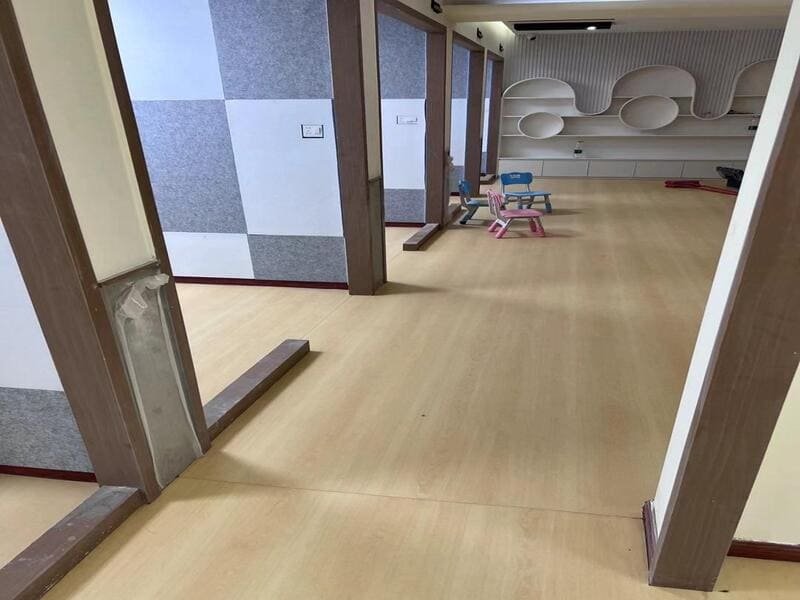
Once the floor goes in, the tender’s job is not done. It still needs to protect you after handover.
What Warranty and Maintenance Terms Should the Tender Include?
The tender should require a commercial product warranty of 10–15 years or lifetime commercial coverage, a 1–5 year workmanship warranty, maintenance guidelines, and attic stock of extra material for future repairs.
Warranty terms are easy to overlook until something goes wrong. I separate two warranty types in every tender: product warranty, covering the vinyl material itself, and workmanship warranty, covering the installation labor. They protect against different failure points and should never be combined into one vague clause.
Require the contractor to provide an operations and maintenance manual, including initial deep cleaning steps after handover and long-term routine cleaning guidance. Also ask for attic stock, typically an extra 5% of tiles or planks, so future repairs match the original batch instead of showing a visible color mismatch.
This closes the loop on protection. The last piece is making sure you actually pick the right bid once proposals come in.
How Should You Evaluate Competing Tender Proposals?
Score proposals on technical compliance, contractor experience, total cost, and project timeline, with a stated weighting percentage for each category, so the evaluation stays objective rather than price-driven alone.
I recommend assigning a weighting percentage to each category before you open a single bid. This keeps the decision defensible and stops the process from defaulting to "lowest price wins," which is often how performance problems start.
| Evaluation Category | Typical Weight |
|---|---|
| Technical compliance & material quality | 30–40% |
| Contractor experience & references | 20–25% |
| Total cost & value | 25–30% |
| Timeline & project management plan | 15–20% |
Setting these weights in the tender itself, not after bids arrive, keeps the process fair to every bidder and protects you from second-guessing the decision later.
Wnioski
A complete tender is not paperwork. It is insurance for your building’s floor. If you want a customizable tender checklist or help reviewing your RFP before it goes out, send me a message and I will walk through it with you.