


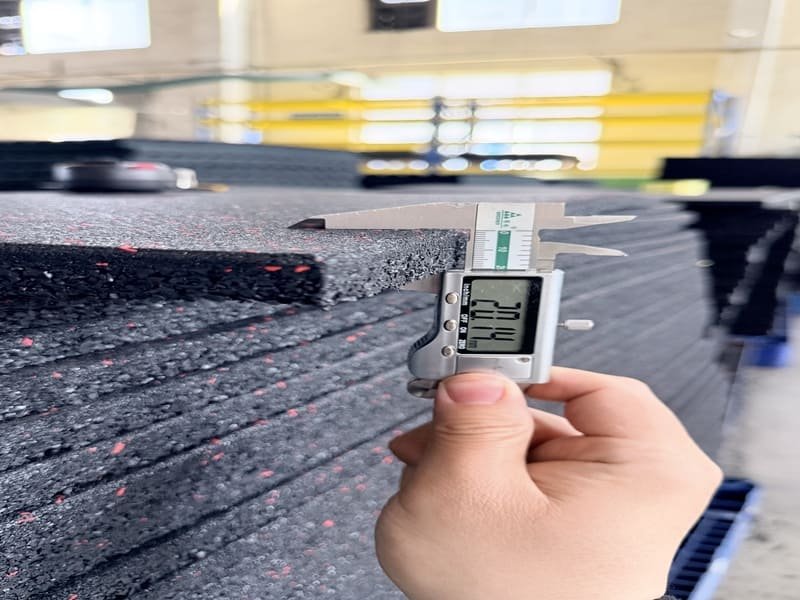
Odporność na ścieranie gumowych podłóg do siłowni jest badana przy użyciu standardowych metod laboratoryjnych, takich jak test ścieralności DIN (ISO 4649) lub test Tabera (ASTM D4060) w celu pomiaru fizycznej utraty objętości w warunkach kontrolowanego tarcia. Niższy wynik utraty objętości oznacza, że guma ma wyższą trwałość i dłuższą żywotność.
Jako inżynier kontroli jakości z wieloletnim praktycznym doświadczeniem w produkcji gumowych wykładzin podłogowych, widzę, że kupujący koncentrują się wyłącznie na grubości. Jest to błąd, ponieważ grubość nie powstrzymuje zrzucania podłogi. Z biegiem czasu duży ruch pieszy i przeciąganie sprzętu fitness niszczą słabe materiały. W naszym laboratorium skupiamy się na właściwościach mechanicznych polimerów, aby rozwiązać ten problem. Używamy kontrolowanych testów tarcia, aby symulować lata intensywnego użytkowania komercyjnego w ciągu zaledwie kilku minut. Proces ten pozwala nam zagwarantować długoterminową wydajność, zanim produkt opuści fabrykę.
Przyjrzyjmy się, dlaczego te metody testowania fabrycznego mają znaczenie dla budżetu firmy i klientów.
Dlaczego właściciele i dystrybutorzy siłowni muszą dbać o odporność na ścieranie?
Właściciele siłowni i dystrybutorzy muszą dbać o odporność na ścieranie, ponieważ gumowe podłogi niskiej jakości szybko się zużywają, tworząc czarny gumowy pył i głębokie rozdarcia powierzchni w strefach o dużym natężeniu ruchu. Wybór materiałów o sprawdzonej niskiej utracie objętości chroni początkową inwestycję i zapobiega kosztownej, przedwczesnej wymianie podłogi.
Gdy gumowa podłoga ma słabe właściwości ścierne, wiązania powierzchniowe ulegają uszkodzeniu pod wpływem codziennego stresu. Uszkodzenie to powoduje powstawanie czarnego pyłu, który dostaje się do sprzętu do ćwiczeń i filtrów powietrza, co zwiększa koszty utrzymania obiektu. Z punktu widzenia produkcji, to zrzucanie ma miejsce z powodu niskiej gęstości lub niskiej jakości środka wiążącego podczas procesu wulkanizacji. Poniższa tabela pokazuje, jak niska odporność na ścieranie wpływa na różne obszary komercyjnych siłowni.
| Obszar siłowni | Dzienny typ ruchu | Poziom ryzyka przy słabej podłodze | Tryb awarii w świecie rzeczywistym |
|---|---|---|---|
| Stojaki zasilające | Silne uderzenia i skręcanie stóp | Bardzo wysoka | Głębokie wżery i dziury powierzchniowe |
| Tory saneczkowe | Wysokie tarcie i intensywne skrobanie | Wysoki | Głębokie rowki i przerzedzone ścieżki |
| Strefy kardio | Ciągłe lekkie tarcie stopy | Średni | Nagromadzenie drobnego czarnego pyłu |
Jeśli chcesz chronić reputację swojej firmy i budować zaufanie klientów, musisz zrozumieć, jakich dokładnie testów laboratoryjnych używamy.
Jakie są złote standardy testowania odporności gumy na ścieranie?
Złotymi standardami testowania odporności gumy na ścieranie są testy DIN Abrasion Test (ISO 4649 / ASTM D5963) i Taber Abrasion Test (ASTM D4060). Te zautomatyzowane procedury laboratoryjne stosują precyzyjne tarcie i nacisk, aby zmierzyć dokładną utratę objętości lub masy próbki gumy.
W naszym zakładzie produkcyjnym test ścieralności DIN jest naszym podstawowym narzędziem do codziennej kontroli jakości. Wycinamy małą cylindryczną próbkę z wulkanizowanej gumowej płytki i dociskamy ją do obracającego się bębna pokrytego specjalistycznym papierem ściernym. Maszyna przesuwa gumę na stałą odległość czterdziestu metrów pod stałą siłą dziesięciu niutonów. Ważymy próbkę przed i po przejściu, aby obliczyć całkowitą utratę objętości w milimetrach sześciennych. Test Tabera wykorzystuje płaską, okrągłą próbkę, która obraca się pod dwoma ważonymi kołami ściernymi, co jest idealne do testowania mat wielowarstwowych.
Techniczny podział międzynarodowych protokołów testowych
| Standard testu | Używany sprzęt | Podstawowa metryka pomiaru | Najlepsza aplikacja |
|---|---|---|---|
| ISO 4649 / ASTM D5963 | Obrotowy system bębna ściernego | Utrata objętości w milimetrach sześciennych ($mm^3$) | Pełna wulkanizowana guma i maty o wysokiej gęstości |
| ASTM D4060 (Taber) | Obrotowy stół obrotowy z podwójnymi kołami | Utrata masy ciała na tysiąc cykli ($mg$) | Płytki wielowarstwowe i gładkie powierzchnie gumowe |
Znajomość sposobu testowania gumy jest pomocna, ale trzeba też wiedzieć, jak odczytywać certyfikaty testów.
Jak rozszyfrować raporty z testów i jakich liczb należy szukać?
Raporty z testów rozszyfrowuje się, patrząc na końcową wartość utraty objętości, gdzie niższa wartość oznacza lepszą trwałość. Wysokiej jakości komercyjne podłogi do siłowni muszą mieć ubytek objętości poniżej dwustu milimetrów sześciennych, podczas gdy wysokiej klasy obiekty o dużej wytrzymałości wymagają wyników poniżej stu dwudziestu milimetrów sześciennych.
Patrząc na arkusz danych technicznych od producenta, znajdź sekcję ISO 4649 lub ASTM D5963. Jeśli arkusz wykazuje utratę objętości większą niż dwieście pięćdziesiąt milimetrów sześciennych, materiał szybko się zużyje w warunkach komercyjnych. Ten niskiej jakości materiał jest bezpieczny tylko dla lekkich pomieszczeń mieszkalnych. Jako doradca inżynieryjny ostrzegam klientów, aby uważali na dostawców, którzy twierdzą, że ich podłogi są trwałe, ale nie mogą przedstawić certyfikowanego raportu z niezależnego laboratorium testowego.
Podział na poziomy wydajności na podstawie danych z testów laboratoryjnych
| Klasa jakości materiału | Zakres utraty objętości ($mm^3$) | Zalecany scenariusz zastosowania | Docelowa długość życia |
|---|---|---|---|
| Klasa Premium | Mniej niż $120\ mm^3$ | Platformy do podnoszenia ciężarów, lodowiska, elitarne kluby | 8 do 10+ lat |
| Standardowy komercyjny | $150\ mm^3$ do $200\ mm^3$ | Standardowe komercyjne centra fitness, sale cardio | 5 do 7 lat |
| Klasa poniżej standardu | Więcej niż $250\ mm^3$ | Domowe siłownie, przestrzenie mieszkalne o małym natężeniu ruchu | 1 do 2 lat |
Aby zrozumieć, dlaczego te wyniki różnią się tak bardzo między produktami, musimy przyjrzeć się procesowi produkcji.
Jakie czynniki materiałowe wpływają na odporność gumowej podłogi na ścieranie?
Czynniki wpływające na odporność gumowej podłogi na ścieranie to rodzaj surowca, stosunek spoiwa poliuretanowego, gęstość produktu i temperatura wulkanizacji. Płytki o wysokiej gęstości wykonane z wysokiej jakości surowych polimerów i odpowiednich proporcji spoiwa naturalnie zapewniają niższe wyniki utraty objętości.
Mieszanka surowców jest podstawą jakości produktu. Czyste polimery SBR i EPDM radzą sobie z tarciem znacznie lepiej niż tania guma z recyklingu opon, która zawiera zanieczyszczenia. Spoiwo działa jak klej, a jeśli fabryka używa mniej niż 10% spoiwa, aby zaoszczędzić pieniądze, granulki gumy będą się rozdzielać pod wpływem ruchu pieszego. Nasza fabryka wykorzystuje wysokociśnieniową wulkanizację cieplną, aby skompresować mieszankę do gęstości ponad tysiąca kilogramów na metr sześcienny, co blokuje elementy razem.
Jak specyfikacje produkcyjne wpływają na zużycie
| Parametr materiału | Specyfikacja wysokiej jakości | Specyfikacja niskiej jakości | Wpływ na odporność na ścieranie |
|---|---|---|---|
| Polimer bazowy | Dziewicza mieszanka SBR lub EPDM | Niskiej jakości złom opon z recyklingu | Mieszanki Virgin są odporne na rozerwanie powierzchni |
| Stosunek spoiwa | 12% do 15% Poliuretan | Mniej niż 8% Poliuretan | Wyższe proporcje spoiwa zatrzymują zrzucanie granulek |
| Gęstość materiału | $>1,000\ kg/m^3$ | $<850\ kg/m^3$ | Wysoka gęstość zapobiega wżeraniu się ciężkiego sprzętu |
Dane laboratoryjne są doskonałym przewodnikiem, ale musisz także przygotować się na rzeczywiste warunki panujące na siłowni.
Jakie są rzeczywiste wyzwania związane ze ścieraniem podłóg do siłowni?
Prawdziwe wyzwania związane ze ścieraniem podłóg w siłowniach to połączenie dużych sił uderzenia i tarcia poziomego, a także złych nawyków czyszczenia. Upuszczone ciężary powodują pękanie słabych gumowych wiązań, podczas gdy uwięziony brud działa jak papier ścierny, przyspieszając zużycie powierzchni pod wpływem ruchu pieszego.
W obiekcie fitness podłoga jest jednocześnie narażona na uderzenia i tarcie. Gdy członek klubu upuszcza ciężki hantel, guma ulega głębokiemu ściśnięciu. Jeśli następnie osoba wykona szybki obrót lub popchnie ciężkie sanki po tym samym obszarze, siła pozioma rozerwie naprężone cząsteczki gumy. Ponadto, jeśli pracownicy pozostawiają brud i piasek na podłodze, te twarde cząsteczki ścierają się na powierzchni za każdym razem, gdy ktoś przechodzi, co psuje wygląd.
Czynniki stresu środowiskowego a reakcja materiału
| Wyzwanie środowiskowe | Fizyczne działanie na gumę | Szkody długoterminowe | Rozwiązanie inżynieryjne |
|---|---|---|---|
| Trening zaprzęgowy | Ciągłe skrobanie poziome | Głębokie rowki liniowe | Montaż płytek wulkanizowanych o wysokiej gęstości |
| Nieoczyszczony brud/ziarno | Mikrouszkodzenia spowodowane ruchem pieszym | Utrata koloru i połysku powierzchni | Gładkie wykończenie powierzchni ułatwia czyszczenie |
| Weight Drops | Ekstremalna kompresja pionowa | Pękanie wiązań wewnętrznych | Mieszanki polimerowe o wysokiej wytrzymałości na rozciąganie |
Zapoznajmy się z krótką listą kontrolną, którą można wykorzystać podczas następnego cyklu zakupowego, aby uniknąć tych problemów.
W jaki sposób nabywcy B2B mogą weryfikować zaopatrzenie i jakość produktów?
Nabywcy B2B mogą zweryfikować źródła zaopatrzenia i jakość produktu, prosząc o aktualne certyfikaty testowe z niezależnych laboratoriów, takich jak SGS lub TUV. Należy potwierdzić, że metody testowe są zgodne z normami ISO 4649 lub ASTM D5963 i sprawdzić, czy szczegóły raportu są zgodne z próbką produktu.
Podczas negocjacji z producentem nowych wykładzin gumowych nie należy polegać na prostych próbkach produktów lub podstawowych opisach tekstowych. Poproś o oficjalne raporty z testów laboratoryjnych i przyjrzyj się dokładnie nazwie produktu, dacie testu i zarejestrowanej utracie objętości. Upewnij się, że fabryka stosuje międzynarodowe parametry testowe, abyś mógł dokładnie porównać arkusze danych. Ten proces weryfikacji zapewnia bezpieczeństwo łańcucha dostaw i gwarantuje, że otrzymasz wydajność, za którą zapłaciłeś.
Lista kontrolna weryfikacji dokumentów dostawcy krok po kroku
- Krok 1: Poproś o oficjalny raport z testów laboratoryjnych dla konkretnej grubości i gęstości produktu, który chcesz kupić.
- Krok 2: Sprawdź, czy wymieniona norma testowa to ISO 4649 lub ASTM D5963.
- Krok 3: Upewnij się, że utrata objętości jest mniejsza niż $150 \ mm^3$ dla ciężkich komercyjnych projektów siłowni.
- Krok 4: Sprawdź datę dokumentu, aby upewnić się, że raport został wydany w ciągu ostatnich dwóch lat.
- Krok 5: Porównaj wagę i gęstość podane w raporcie z otrzymanymi próbkami fizycznymi.
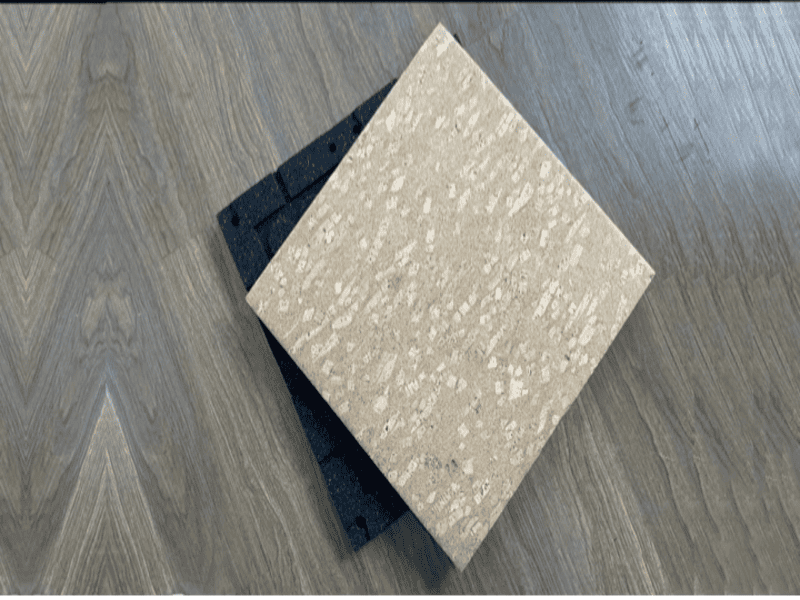
Wybór podłogi w oparciu o certyfikowane parametry wydajności chroni długoterminowy budżet firmy.
Wnioski
Patrząc na raporty z testów gumowych wykładzin podłogowych, niższe wartości strat objętościowych oznaczają dłuższą żywotność produktu. Zakup zweryfikowanej podłogi odpornej na ścieranie zapobiega ścieraniu się powierzchni i pozwala zaoszczędzić tysiące dolarów na kosztach wymiany.