


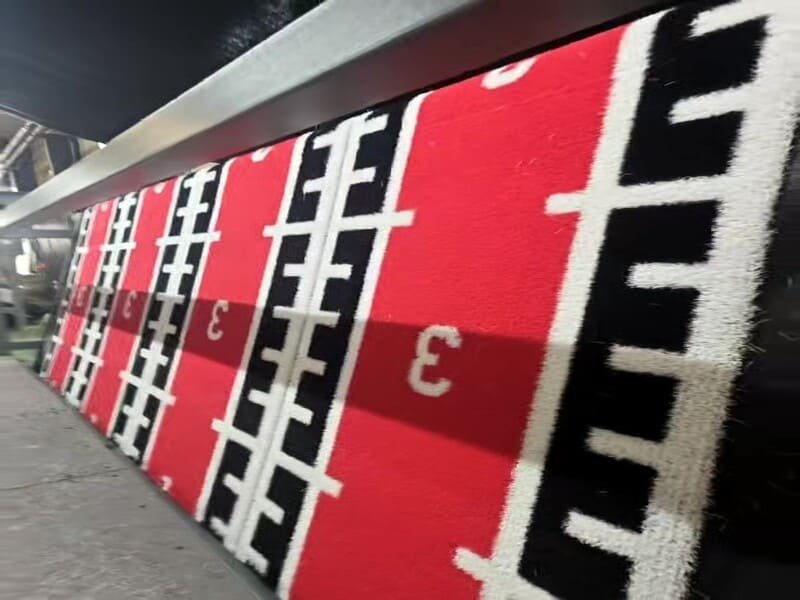
Neutral pH quaternary ammonium compounds (Quats) are the safest and most effective disinfectants for both synthetic turf and rubber flooring. They kill pathogens like MRSA and mold without degrading rubber binders or making turf fibers brittle, ensuring facility safety while protecting your investment.
The primary challenge with gym surfaces lies in their chemical composition. Rubber flooring, whether EPDM or recycled SBR, relies on polyurethane binders to hold the granules together. Using solvent-based or highly acidic cleaners eats away at these binders, leading to "pitting" or "crumbling." Synthetic turf is equally sensitive; its polyethylene fibers can become abrasive or even melt if they react with harsh chemicals. Bacteria and sweat get trapped deep within these porous structures, so you need a solution that provides high-level disinfection but remains chemically inert toward the flooring polymers. Choosing the wrong product doesn’t just clean poorly—it physically breaks down the floor’s structure.
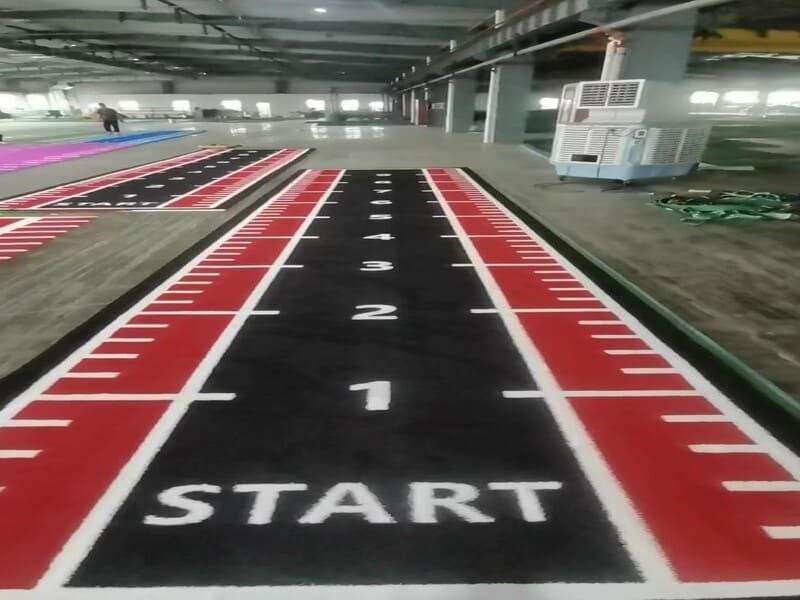
The technical reality of these materials is why standard household cleaners often fail. To avoid costly replacement mistakes, we need to look at why these surfaces react so poorly to certain chemicals.
Why Are Turf and Rubber Surfaces Hard to Clean?
Rubber and turf are difficult to clean because their porous and fibrous textures trap bio-contaminants deep inside. Standard cleaning often fails to reach these depths, and using the wrong pH-level chemicals can cause permanent structural damage like rubber blooming or fiber degradation.
From an engineering perspective, rubber flooring is not a solid sheet; it has tiny pores that catch moisture. Recycled rubber is especially sensitive to "blooming," a white powdery effect caused by internal oils migrating to the surface when triggered by incorrect cleaners. Synthetic turf presents a vertical surface area challenge. Each blade of grass adds to the total area that must be coated. If a solution is too thick, it leaves a sticky residue that attracts more dirt. If it is too acidic, it weakens the backing material. Most floor failures are caused by chemical "burns" from low-quality agents rather than actual foot traffic.
Material Compatibility and Risk Factors
| Material Type | Sensitive To | Recommended PH Range | Common Failure Mode |
|---|---|---|---|
| Recycled SBR Rubber | Petroleum, Oils, Acids | 7.0 – 9.0 (Neutral) | Surface Crumbling |
| EPDM Rubber | High Solvents | 6.0 – 10.0 | Color Fading/Hardening |
| Polyethylene Turf | Oxidizers (High Conc.) | 5.0 – 9.0 | Fiber Brittleness |
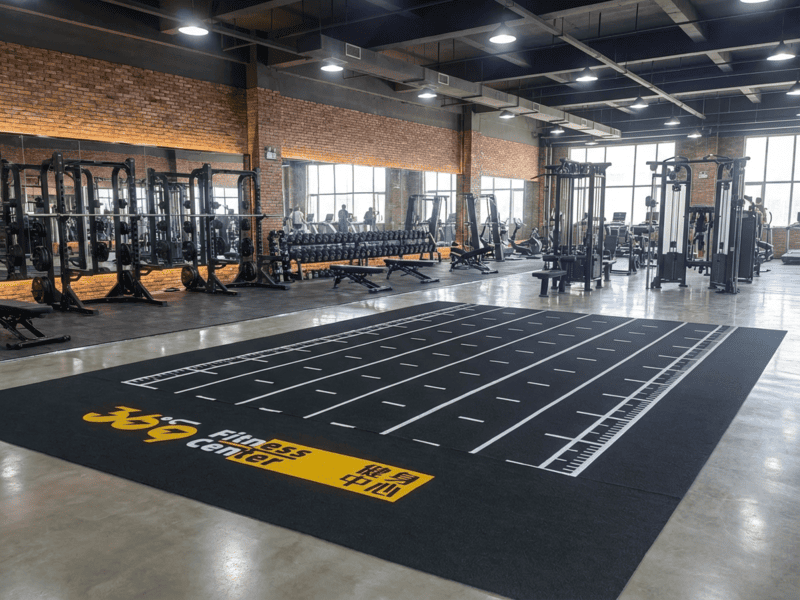
Understanding the material science is the first step. Now, let’s look at the specific disinfectant types that actually work without causing damage.
Which Disinfectant Types Are Safest for Your Gym?
Quaternary Ammonium Compounds (Quats) are the top choice because they are non-corrosive and effective at a neutral pH. Hydrogen peroxide-based cleaners are also excellent "green" options, while diluted bleach should be used sparingly and only on specific turf types to avoid discoloration.
"Quats" are the industry standard because they provide a broad-spectrum kill rate for viruses and fungi while remaining gentle on the polyurethane glue used in rubber tiles. Hydrogen peroxide solutions are also great for facilities looking for an eco-friendly profile, as they break down into simple water and oxygen. However, be careful with botanical cleaners containing Thymol; they can leave a "tack" or stickiness on rubber that makes it harder to clean over time. Bleach is a high-risk option. It is cheap, but it can turn black rubber mats into a grey, brittle mess. If used on turf, the dilution must be very lean to prevent the backing from rotting.
Comparison of Disinfectant Efficacy
| Disinfectant Type | Kill Strength | Safety for Rubber | Safety for Turf | Residue Level |
|---|---|---|---|---|
| Quats | High | Excellent | Excellent | Low |
| Hydrogen Peroxide | Medium-High | Good | Good | Zero |
| Bleach (Diluted) | Very High | Poor | Fair | High (Salt) |
| Botanical (Thymol) | Medium | Fair | Good | Medium |
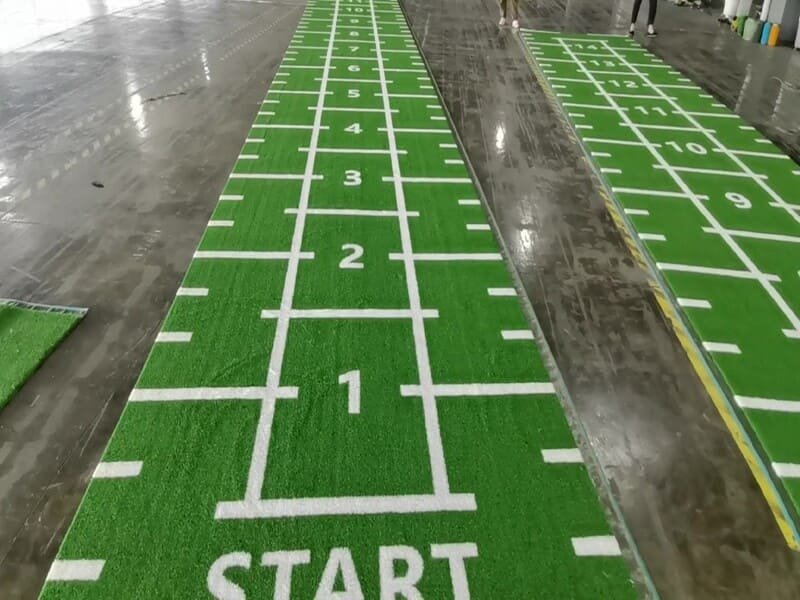
Even the best chemicals will fail if the application is wrong. The method of delivery is just as important as the solution itself.
What Application Methods Provide the Best Results?
Electrostatic sprayers are the most efficient method for turf as they wrap the disinfectant around each fiber. For rubber floors, use a microfiber flat mop or a low-moisture scrubber. Always ensure a "dwell time" of at least 10 minutes for the disinfectant to work.
The biggest mistake in gym maintenance is the "spray and wipe" habit. Most EPA-approved disinfectants require a specific dwell time—usually 10 minutes—to actually kill pathogens like MRSA. If you wipe it off immediately, you aren’t disinfecting. For turf, electrostatic sprayers are superior because they give the liquid a charge that "hugs" the blades, unlike harsher cleaning methods that shorten the life of gym turf. For rubber, avoid the old-fashioned mop and bucket, which uses too much water. Excessive water can seep through seams and sit under the floor, leading to mold growth in the sub-floor. A microfiber system uses significantly less water and lifts dirt more effectively from the textured rubber surface.
Best Practice Application Guide
| Method | Best For | Benefit | Risk |
|---|---|---|---|
| Electrostatic Sprayer | Synthetic Turf | 360-degree coverage | High initial equipment cost |
| Microfiber Mop | Rubber Tiles/Mats | Low water usage | Requires frequent pad changes |
| Pump Sprayer | Small Areas | Cost-effective | Inconsistent coverage |
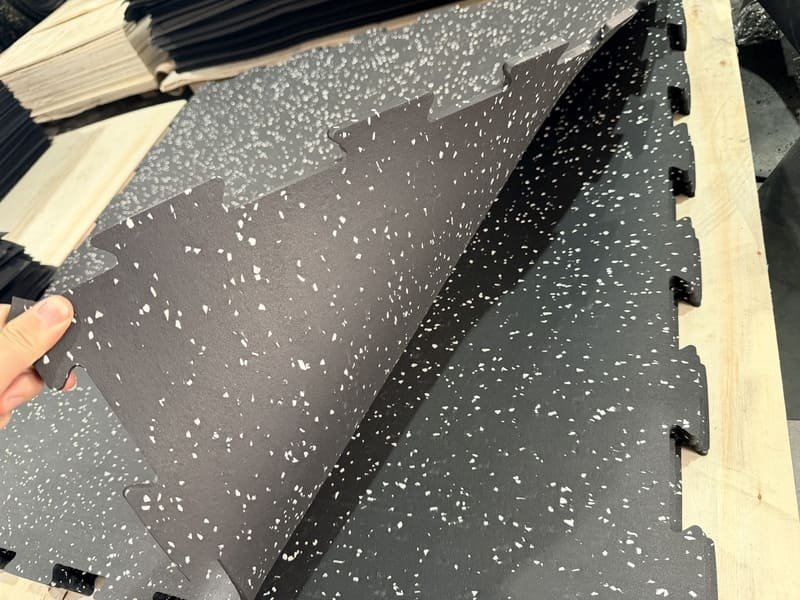
Improper watering and chemical use lead to rot and degradation. To protect the facility, you must know exactly what to keep away from your floors.
What Chemicals Must You Avoid at All Costs?
Avoid cleaning chemicals that slowly destroy rubber gym flooring, such as petroleum-based solvents, high-acid cleaners like concentrated vinegar, and abrasive powders. These substances dissolve the adhesives in rubber flooring and cause synthetic turf fibers to become brittle, which voids your warranty and ruins the floor’s performance.
Stay away from "natural" cleaners like high-concentration vinegar or citrus on rubber. The acid breaks down the elasticity over time, making the floor hard and prone to cracking. Even worse are petroleum-based products; using a solvent-based degreaser on rubber tiles will make the floor soft and gummy almost overnight as the glue dissolves. Abrasive powders are a hidden danger for turf as well. The grains get trapped in the infill and act like sandpaper against the plastic fibers during use. This creates "micro-tears" that make the turf look old and dusty prematurely. Always stick to liquid, pH-neutral solutions to keep the flooring intact.
The "Never Use" List for Gym Flooring
| Prohibited Substance | Reason for Avoidance | Impact on Floor |
|---|---|---|
| WD-40 / Solvents | Dissolves Polyurethane | Rubber becomes liquid/mushy |
| Abrasive Scrub Powders | Physical friction | Tears turf fibers |
| Concentrated Acid | Chemical Reaction | Hardens and cracks rubber |
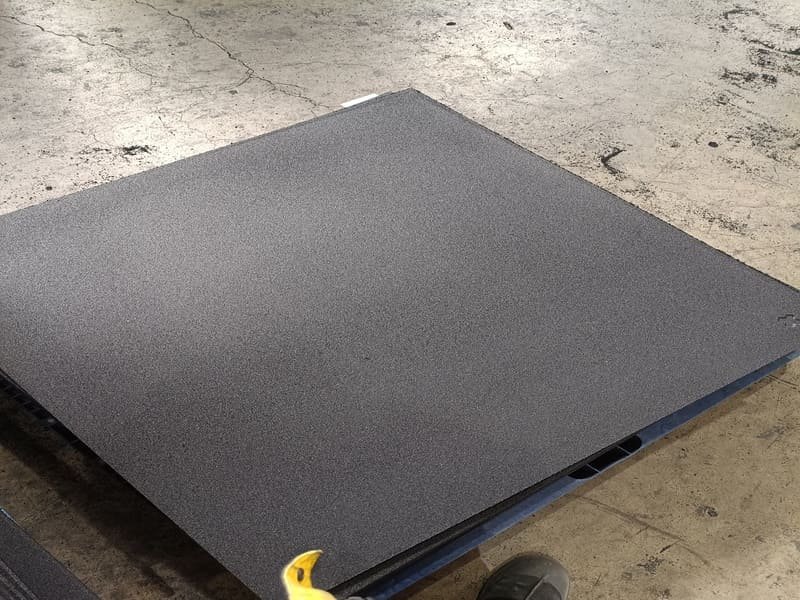
Proper maintenance is about balancing aggressive disinfection with material safety to ensure a long-lasting, healthy environment.
Conclusion
Use neutral Quat disinfectants and low-moisture application tools to protect your flooring investment for the long term.