


How do you fix gaps in interlocking rubber floor tiles
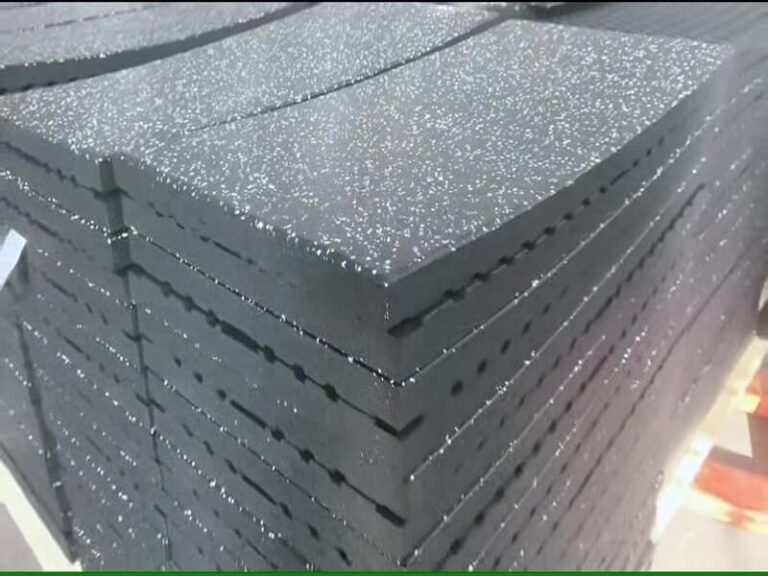
To fix gaps in interlocking rubber floor tiles, you must first diagnose the gap size: for small gaps (1–3 mm), a simple clean and a rubber mallet tap will suffice. For medium gaps (3–8 mm), you...
How Do You Compare Rubber Floors by Rebound and Energy Return
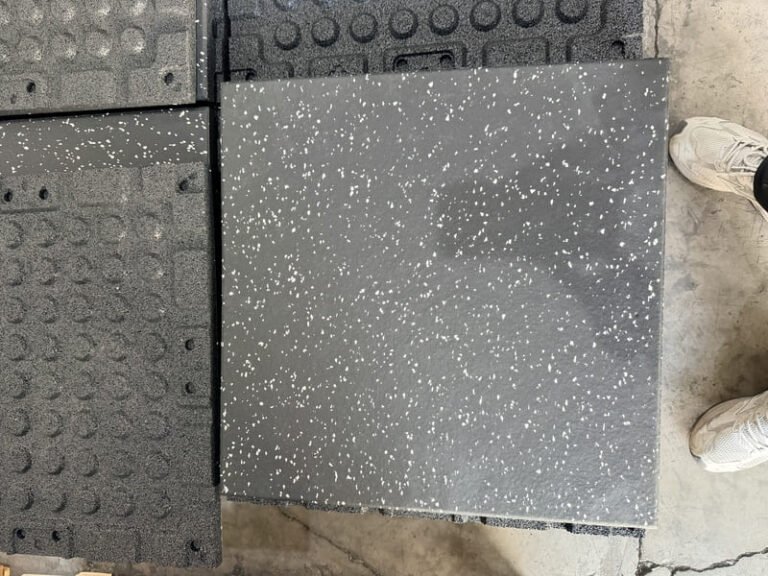
To compare rubber floors, you must evaluate the ratio of Force Reduction to Vertical Deformation. High-performance comparison requires checking the material density (target 1,200+ kg/m³ for energy return) and verifying ASTM F2772 test reports to balance...
How do you remove sweat-salt buildup on rubber floors
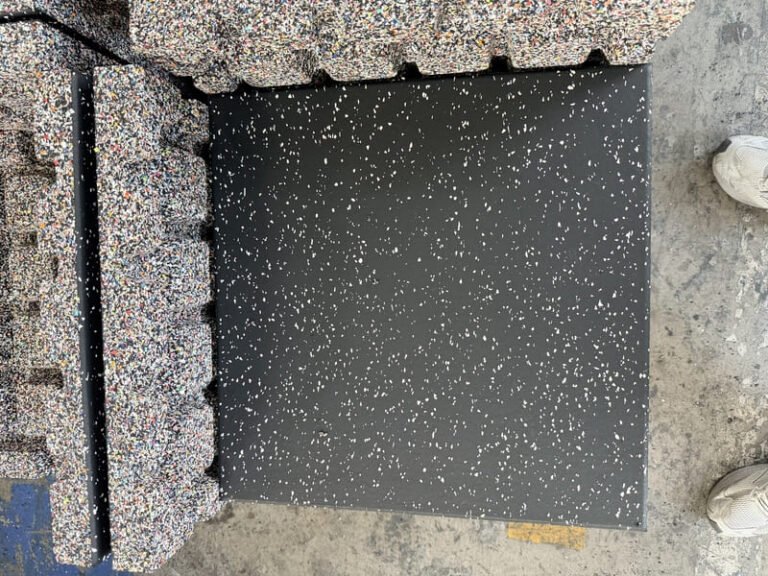
To remove sweat-salt buildup, apply a pH-neutral cleaner to the surface, let it dwell for five minutes to dissolve minerals, scrub with a soft-bristle brush to lift debris from the pores, and use a wet-dry vacuum...
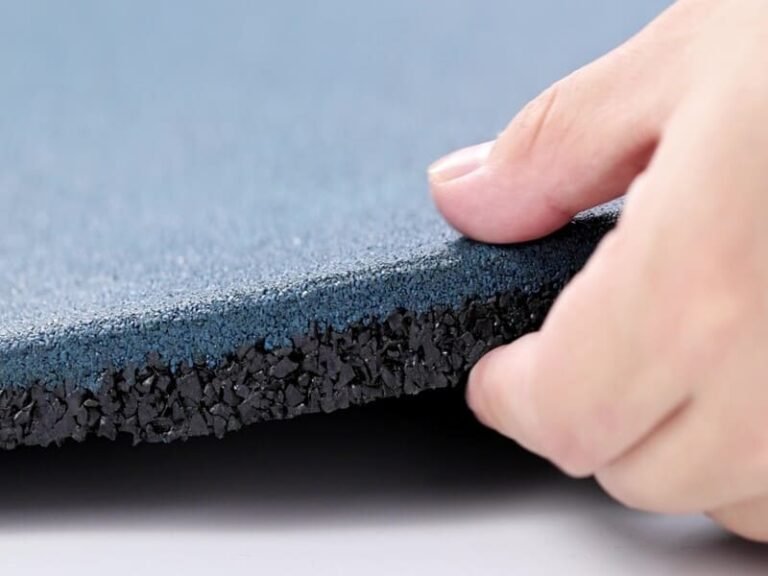
What Rubber Tile Tolerances Matter Most
Thickness, squareness, and linear dimensions are the big three. If these aren’t tight, your floor will have "lips" that trip people or ugly gaps that swallow dirt. In my experience on the production line, getting these...
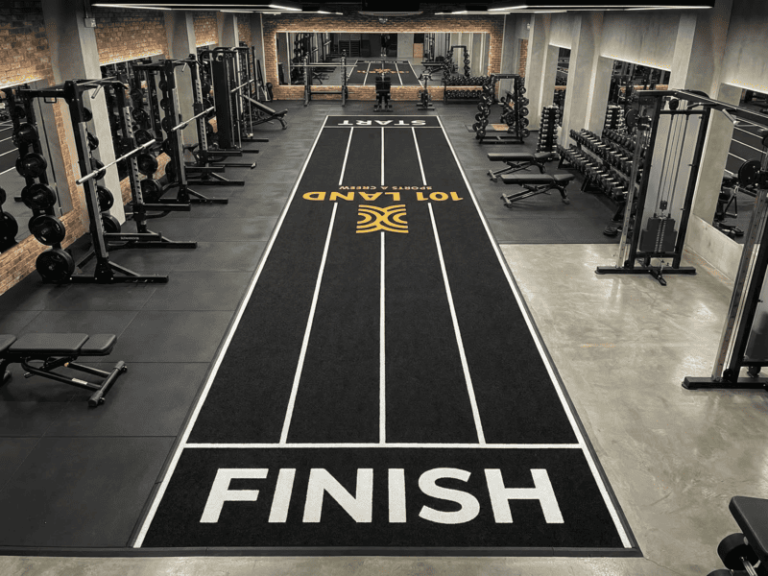
How to Reduce Friction Burns on Gym Turf
To reduce friction burns on gym turf, you must create a physical or slick barrier between your skin and the synthetic fibers. Wear compression clothing, apply anti-friction balms like BodyGlide, or use athletic turf tape on...
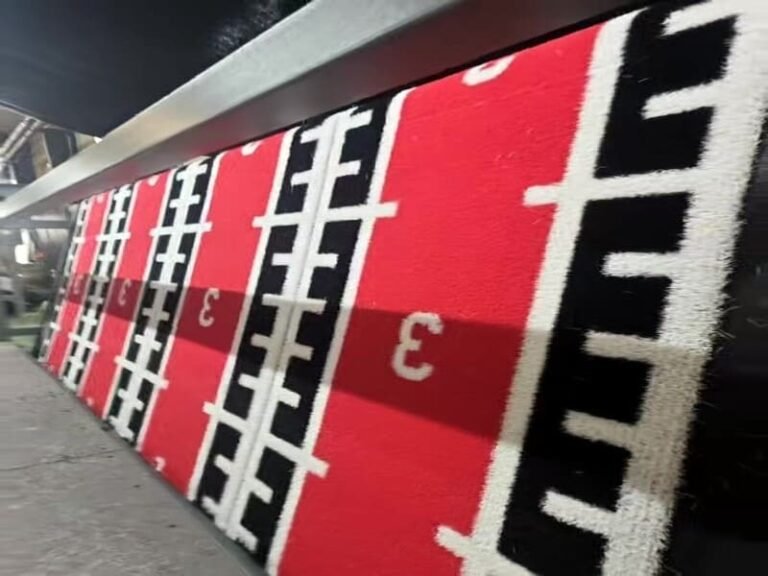
What Disinfectants Are Safe for Turf and Rubber Flooring
Neutral pH quaternary ammonium compounds (Quats) are the safest and most effective disinfectants for both synthetic turf and rubber flooring. They kill pathogens like MRSA and mold without degrading rubber binders or making turf fibers brittle,...
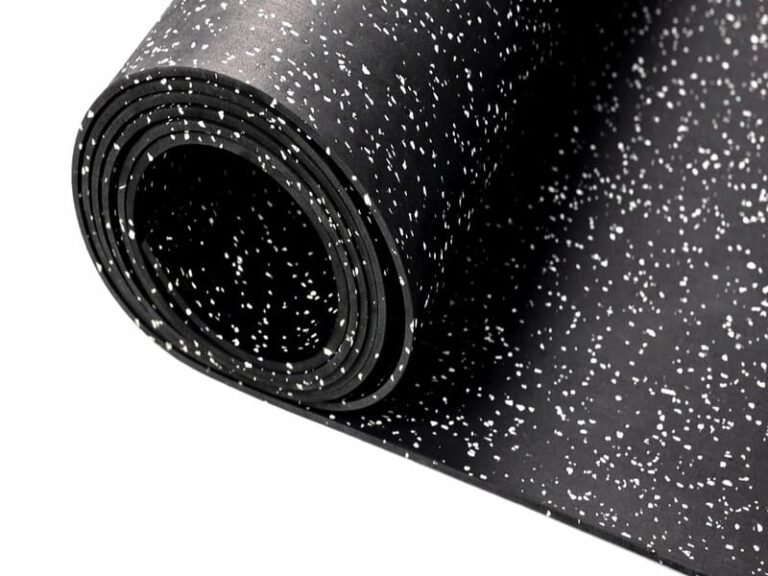
Why Is Rubber Flooring Soft and How Do You Fix It
Rubber flooring feels soft usually because of subfloor issues like trapped moisture, uneven surfaces, or adhesive failure. While rubber has natural bounce, a "squishy" feel indicates a lack of structural support or low-density material. You fix...
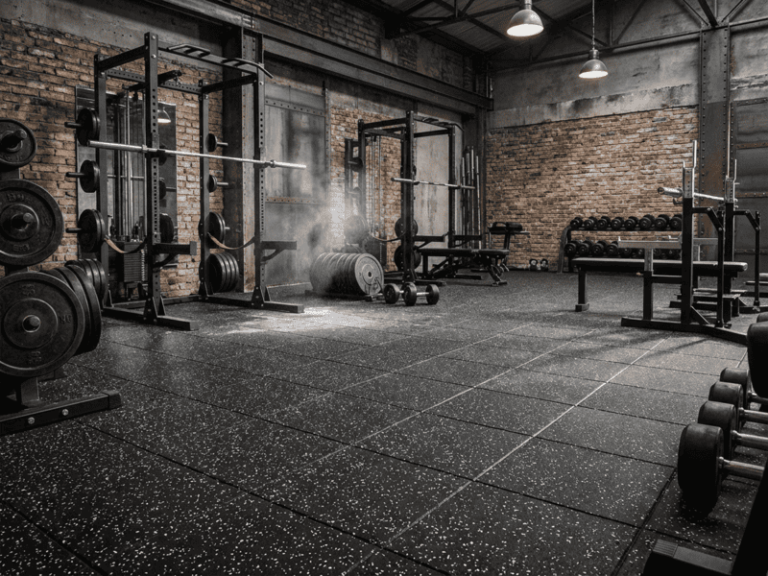
How Do You Block Moisture Vapor Under Gym Flooring
You block moisture vapor under rubber gym flooring by sealing the subfloor with a 6-mil polyethylene plastic sheet for floating installs or a specialized liquid epoxy mitigant for glue-down applications. The goal is to stop water...
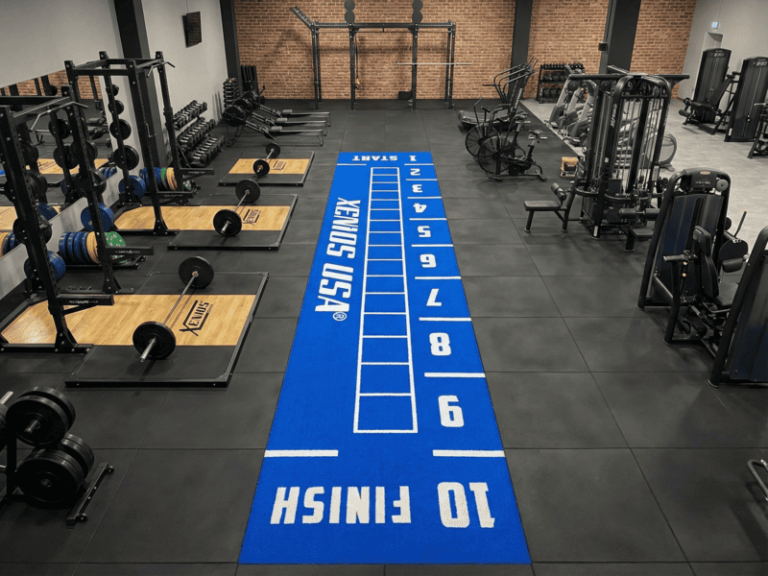
How do you plan a gym layout with turf and rubber zones
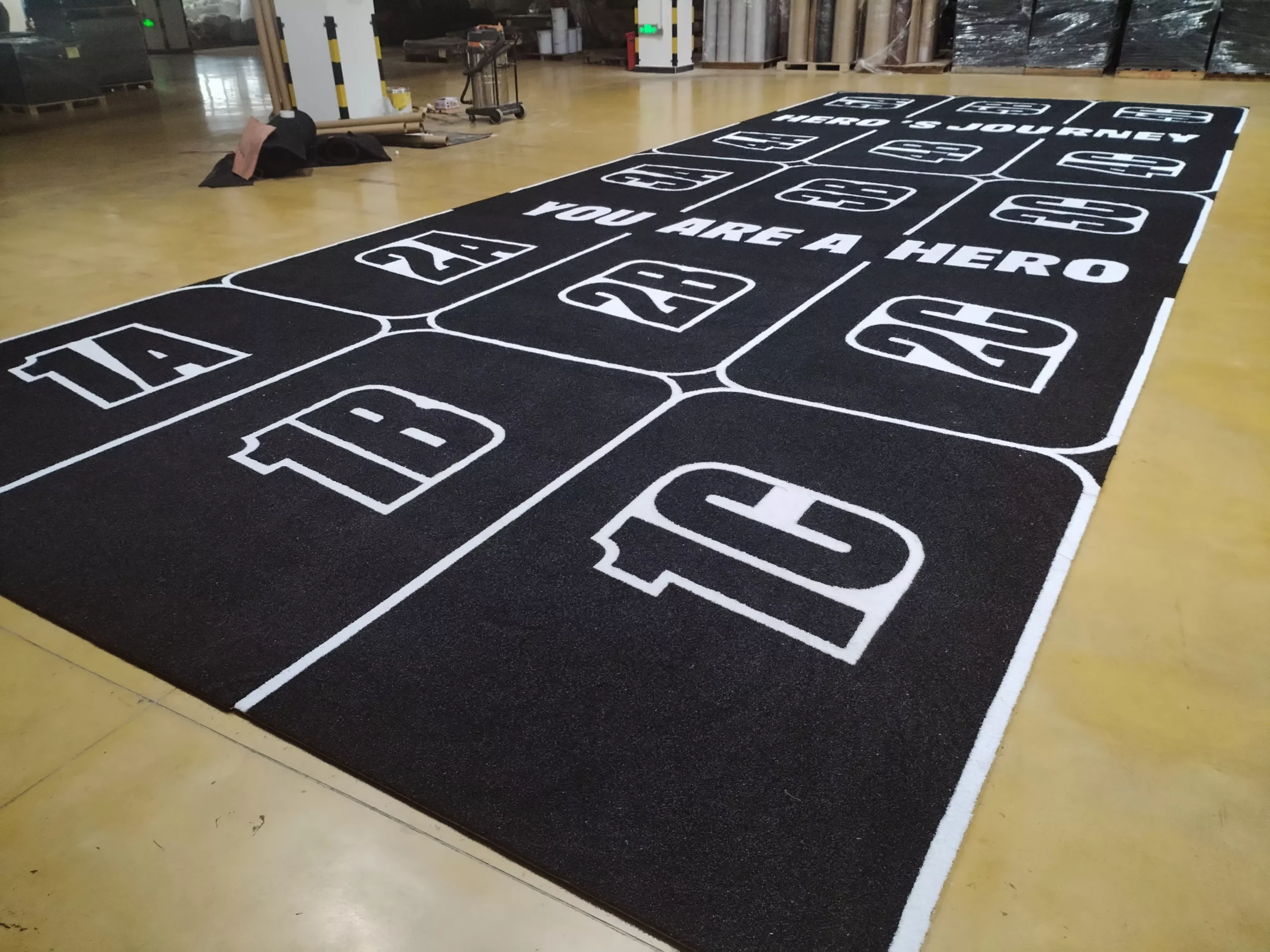
To plan a gym layout with turf and rubber zones, you must follow a 7-step process: measure your space, define functional zones, match material thicknesses, and execute a flush-mount transition. Integrating a dedicated sled runway with...

How do you prevent equipment stains on rubber floors
To prevent equipment stains on rubber floors, you must use non-reactive barriers like plastic coasters, choose equipment with urethane feet instead of cheap rubber, and apply a high-quality polyurethane sealer. These steps stop "plasticizer migration," a...
Fitness and sports flooring specialists
We are experts in fitness and sports flooring. If you would like to get a free sample and quote, please contact us now.