


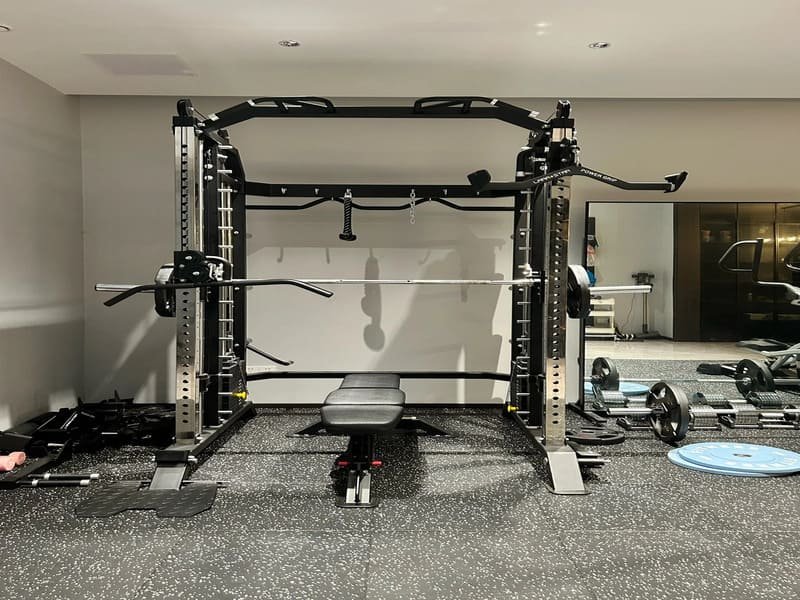
Rubber gym mats are engineered porous surfaces requiring pH-neutral cleaners to maintain traction. Whether for a busy commercial gym or a home garage, proper care prevents bacterial growth and chemical degradation. (30 words)
As a production process engineer specialized in vulcanized rubber, I view gym mats as engineered safety devices, not just floor coverings. I have overseen the formulation of SBR (Styrene Butadiene Rubber) and polyurethane binders, and I know exactly what breaks them down.
Most people—whether gym owners or home enthusiasts—clean rubber mats incorrectly. They treat them like kitchen tiles, using vinegar (acid), bleach (harsh alkali), or string mops. This doesn’t just fail to clean them; it actively degrades the binder, leading to crumbling edges, slippery surfaces, and that persistent "locker room" smell.
This guide breaks down the engineering reality of rubber maintenance, tailored for both facility managers and home gym owners.
30-Second Maintenance Summary (The "Cheat Sheet")
For those in a rush, here is the essential breakdown to keep your mats safe.
| Do This (Safe) | Don’t Do This (Destructive) | Frequency (Home / Comm) |
|---|---|---|
| Vacuum First: Suction only (no beater bars) to remove dust. | Skip Vacuuming: Wetting dust creates "mud" in pores. | Weekly / Daily |
| Neutral Cleaner: Use pH-neutral or enzyme cleaner. | Vinegar/Bleach: Acids eat binder; bleach dries it out. | Bi-Weekly / Weekly |
| Microfiber Mop: Traps dirt, leaves no lint. | Cotton Mop: Leaves lint stuck to texture. | As needed |
| Air Dry: Use fans to evaporate moisture. | Soak the Floor: Trapped water leads to mold. | Always |
| Spot Scrub: Nylon brush for chalk/stains. | Steel Wool: Scratches the vulcanized skin. | As needed |
Why Does the "Crumb" Structure Make Cleaning Difficult?
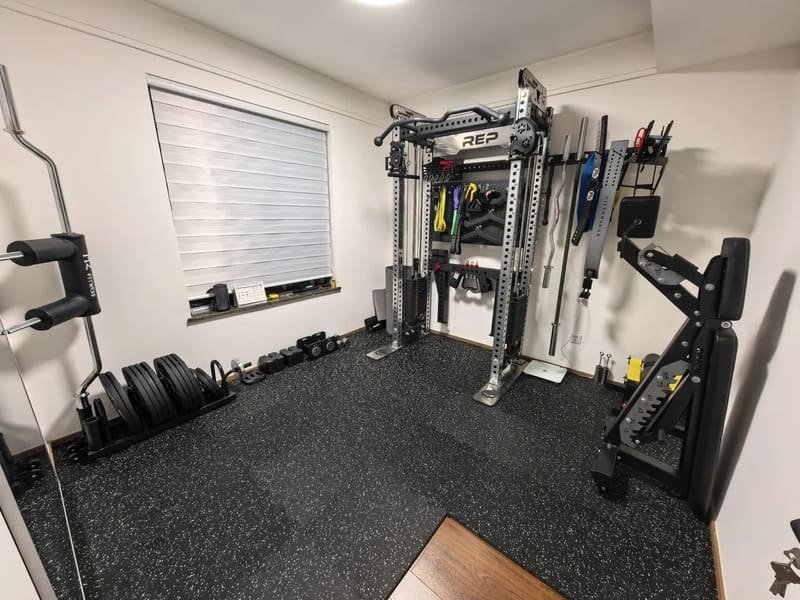
Recycled crumb rubber is porous, acting like a sponge for sweat and bacteria. It requires cleaners that penetrate without damaging the polyurethane binder holding the granules together. (26 words)
Understanding what is difference between horse stall mats and gym mats is vital, as most professional gym flooring is "crumb rubber"—recycled tires bonded with polyurethane. Unlike sealed wood or vinyl, these rubber mats have millions of microscopic pores that require specific cleaning methods.
The Engineering Problem:
- The Trap: Pores trap skin cells, sweat, and chalk. If not removed, bacteria (like Staph) consume this waste, causing odors.
- pH Sensitivity: The binder is chemically stable but sensitive to extreme pH.
- Vinegar (Acid): Attacks polymer chains, causing "depolymerization" (crumbling/shedding).
- Bleach (Alkali): Strips natural oils, causing oxidation (drying/cracking).
My Advice: Always use a pH Neutral cleaner (pH 7). It cleans the dirt without reacting with the mat’s chemistry.
Home Gyms vs. Commercial Facilities: The Differences
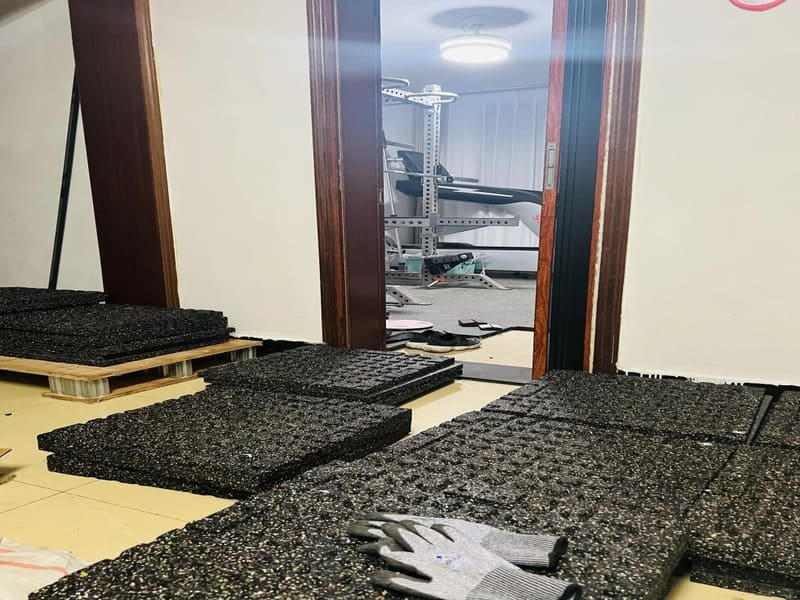
Commercial gyms fight physical debris and traffic, while home gyms battle trapped moisture and lack of airflow. Your maintenance plan must match your specific environment. (25 words)
Whether you are still researching how to choose garage gym mats or have already completed your setup, the material remains the same, but the environmental stressors differ significantly between home and commercial settings.
1. The Traffic & Debris Factor
- Commercial: High traffic brings street grit (silica/asphalt) that acts like sandpaper, cutting the rubber. The priority is daily vacuuming and disinfection.
- Home/Garage: Lower traffic, but often poor ventilation. Sweat sits longer, and humidity gets trapped underneath floating mats. The priority is odor control and mold prevention.
2. The Cleaning Schedule
- Commercial (High Traffic):
- Daily: Vacuum + Spot Clean.
- Weekly: Damp Mop with Neutral Cleaner.
- Home (Low Traffic):
- Weekly: Vacuum thoroughly.
- Bi-Weekly/Monthly: Damp Mop (Enzymatic cleaner recommended for odors).
- Yearly: Lift mats to check for subfloor moisture.
What Tools Actually Work?
Suction-only vacuums and microfiber mops are essential. Avoid rotating beater bars that abrade rubber and cotton mops that leave difficult-to-remove lint. (22 words)
Using the wrong tools causes more damage than foot traffic.
The "Yes" List (Approved):
- Vacuum (Suction Only): Turn off the rotating beater bar. It acts like a sander, eroding the surface texture.
- Microfiber Mop: Rubber has high friction. Cotton mops get torn apart, leaving white lint. Microfiber glides and traps dust via static.
- Soft Nylon Deck Brush: Essential for lifting packed-in chalk from the pores without scratching.
- Enzymatic Cleaner: Best for home gyms. Enzymes "digest" odor-causing proteins rather than masking them.
The "No" List (Avoid):
- Steam Mops: Heat can warp rubber and loosen adhesives.
- Oil-Based Soaps (Pine-Sol): Leave a slippery, dangerous residue.
- Steel Wool: Destroys the surface finish immediately.
How to Clean Gym Mats Correctly (Step-by-Step)
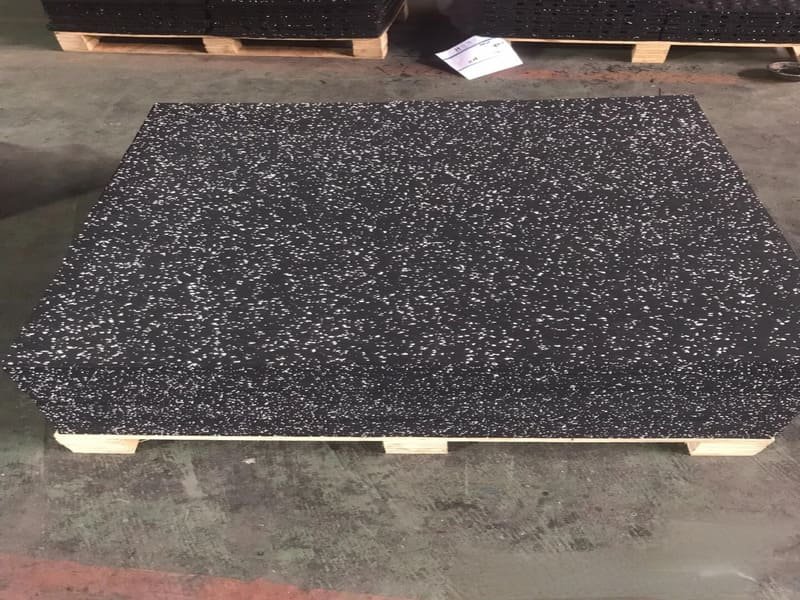
Vacuum thoroughly first. Clean with a damp—not soaking—mop using neutral solution, scrub stains, and ensure complete drying to prevent mold. (21 words)
Step 1: Dry Clean (Crucial)
Never skip this. Wetting chalk dust turns it into a paste that dries hard inside pores. Vacuum slowly in multiple directions first.
Step 2: Prepare Solution
Use warm water (lowers surface tension) and a specific pH-neutral cleaner. Dilute strictly according to instructions—more soap leaves a sticky film that attracts dirt.
Step 3: The "Damp Mop" Technique
Most mats are "floating" (not glued). Do not flood the floor. If water seeps through seams, it creates a mold breeding ground. Dip the mop, wring it out, and wipe.
Step 4: Spot Scrubbing
For chalky platforms or cardio zones: Spray solution, let it sit for 2 minutes (dwell time), then scrub with the nylon brush. Wipe away residue.
Step 5: Force Drying
Rubber doesn’t breathe. Use fans or open garage doors to force evaporation. Trapped humidity can rust your equipment.
Troubleshooting: Smells, Chalk, and Slips
Eliminate odors with enzymes, dissolve chalk with mild agitation, and remove slippery residues with a degreaser. (16 words)
1. The "Old Gym" Smell
This is bacteria eating trapped sweat.
- Fix: Use an Enzymatic Cleaner. Apply, let it sit for 10 minutes (keep wet), then wipe. The enzymes need time to work.
2. White Haze (Chalk Buildup)
If vacuuming fails, the chalk is packed in.
- Fix: Use a nylon brush, warm water, and slightly more neutral cleaner. Scrub vigorously to lift particles, then rinse thoroughly.
3. Slippery Floors
Caused by soap buildup or body oils.
- Fix: Mop with plain warm water to remove soap scum. If oily, use a mild degreaser (sparingly) and rinse immediately.
FAQ: Common Questions
Can I power wash my mats?
Technically yes, but carefully. Use low pressure (<500 PSI) and a wide fan tip. High pressure cuts the granules. Ensure they are 100% dry before reinstalling.
Is Simple Green safe?
With caution. It is alkaline (pH ~9.5). Great for deep degreasing once a year, but can dry out rubber if used weekly. Always rinse it off completely.
Why are edges crumbling?
Usually chemical damage (vinegar usage) or mechanical abuse (dropping weights on edges). Stop using acidic cleaners immediately.
Conclusion
Gym mats are an investment in safety. Whether you run a CrossFit box or a garage gym, the engineering rules apply: keep the pH neutral, minimize water, and remove abrasive dirt.
By following this maintenance schedule, you ensure your mats maintain their grip and professional appearance for years.
Need specific advice?
If you are upgrading your facility and need help selecting the right density or thickness, my team can help. [Contact us] for a consultation or a free sample of our commercial-grade flooring.