


Have you ever noticed your garage floor cracking, staining, or feeling cold underfoot? The best garage floor covering is durable rubber flooring, as it solves common problems like oil stains, high dust, and noise immediately. I have found that rubber rolls or interlocking tiles offer superior protection and longevity compared to thin epoxy coatings or simple concrete sealants.
1. Why Your Garage Floor Matters More Than You Think
I have seen many garages fail their owners. Many homeowners think concrete is enough until oil stains, dust, and noise make the space impossible to use comfortably. Modern garages are now a crucial extension of the home, used as a home gym, workshop, laundry area, or even a home office. An unfinished concrete floor cannot handle this modern use. Concrete cracks easily, stains permanently from car fluids, creates high dust, and offers poor insulation. Upgrading your floor with the right material increases safety, improves comfort, and substantially adds to your property’s value. Choosing the right garage flooring material from the start prevents costly concrete repairs later on.

2. Comparing All Popular Garage Flooring Options
Rubber flooring is the top overall choice for performance, offering excellent durability, moisture resistance, and anti-fatigue comfort, especially in busy garage environments. I always recommend a head-to-head comparison before making a final decision on garage floor materials.
I often tell clients that the right floor depends on what they do in the space. If you just store a car, a sealant might work. If you plan to lift weights or repair engines, you need something much tougher. This table shows the main differences I consider when advising on a project.
| Flooring Type | Durability | Moisture Resistance | Comfort | Cost | Maintenance | Best For |
|---|---|---|---|---|---|---|
| Concrete Sealant | Low | Medium | Hard | $ | Medium | Budget users |
| Epoxy Coating | Medium | Medium | Hard | $$ | High | Aesthetic finish |
| PVC Tiles | Medium | High | Soft | $$ | Low | DIY users |
| Rubber Flooring | High | Excellent | Soft | $$–$$$ | Low | Home gyms / workshops |
| Garage Carpet Tiles | Low | Poor | Soft | $$ | High | Low-traffic areas |
My experience shows that the initial cost of rubber garage flooring is quickly offset by its long life and very low need for repair or maintenance.

3. Why Rubber Flooring Is the Smartest Choice for a Garage
Rubber is the smartest choice because it effectively balances high-level performance with long-term sustainability and ease of use, lasting years longer than most alternatives. I focus on the technical performance of materials. Rubber, especially when made from recycled SBR (Styrene-Butadiene Rubber) or natural rubber, is an eco-friendly and sustainable product. It provides a naturally non-slip surface that stays safe even when wet from rain or spills. The material’s composition gives it strong impact resistance, which protects the underlying concrete slab from damage. It also protects your expensive tools or equipment if they drop. Furthermore, rubber is comfortable underfoot and absorbs noise well, making the garage a more pleasant space to work in. You can also install it yourself easily using rolls, mats, or interlocking tiles.
Manufacturing Process and Impact Resistance
The density and elasticity of materials like SBR or EPDM rubber make them ideal for high-impact zones. For a standard home gym, I advise an 8mm thickness rubber roll. This material absorbs the shock of dropped weights up to 200 lbs without damaging the subfloor. This high shock absorption minimizes stress on your joints during long working hours. The vulcanization process during manufacturing gives the rubber a tight, non-porous structure. This structure makes it highly durable against tearing and abrasion from car tires or heavy machinery. This high level of technical protection is simply not possible with a thin, brittle epoxy layer. I ensure the material meets high standards for garage use.

4. Are There Any Drawbacks to Rubber Garage Flooring?
While rubber is the top performer overall, no material is perfect, and understanding its few limitations helps you plan your installation better. I believe in providing objective advice.
Understanding Rubber Limitations
- Sunlight Exposure: Rubber flooring can fade or degrade slightly if constantly exposed to strong, direct UV light over many years. This is usually only a concern near large, south-facing garage windows or if the garage door is left open all day every day.
- Initial Odor: Some recycled rubber products, especially SBR, may have a noticeable "new tire" odor when first installed. This smell usually fades completely within two to four weeks with good ventilation. I advise clients to ventilate the space well right after installation.
- High Temperatures: In extremely hot environments (over 100°F), the rubber may slightly soften. This does not affect its durability but can make cleaning slightly harder until the temperature cools.
These limitations are minor compared to the major failures of other materials. Knowing them helps set realistic expectations for the product.
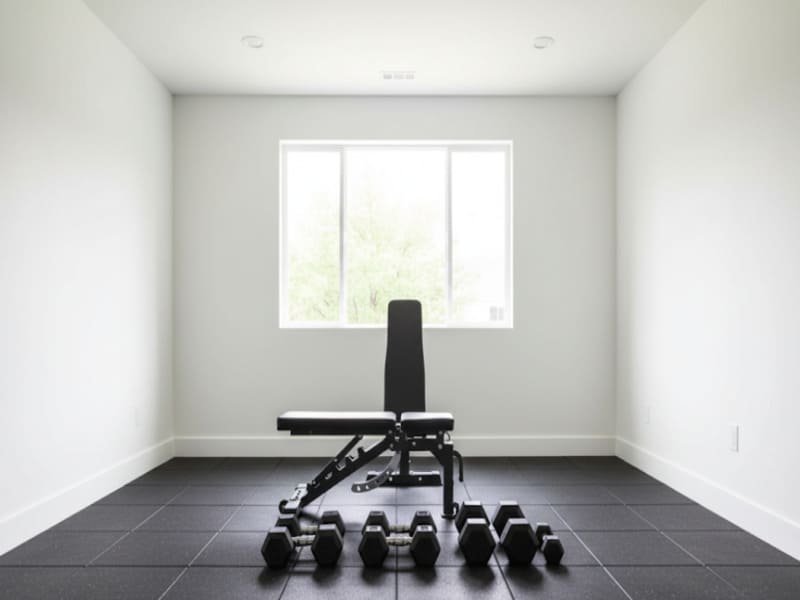
5. Is Rubber Garage Flooring Waterproof and Mold-Resistant?
Yes, rubber garage flooring is highly water-resistant and effectively prevents mold and mildew because it is non-porous and does not absorb moisture or allow it to permeate. I see this as a huge advantage, especially in humid or wet climates. Rubber acts as an effective moisture barrier. It stops water or liquid spills from soaking into the mat or reaching the concrete below. This property is key because moisture trapped in concrete is what leads to mold, mildew growth, and concrete degradation.
Non-Permeable Design
When we manufacture rubber flooring, we ensure a high density that makes it non-permeable to water. This means water beads up on the surface. For garages that see a lot of rain or snow, I recommend using products with edge seals or choosing interlocking tiles with slightly raised patterns to ensure water flows to the drain instead of standing on the surface. This design feature means liquids can be swept away easily, keeping the floor clean and dry. This protection is necessary in any region with high humidity or heavy rainfall.

6. How Durable Is Rubber Flooring Compared to Other Options?
Rubber flooring is much more durable than most alternatives, with an expected lifespan of 10 to 15 years, even under the strain of heavy vehicles and gym equipment. I look at durability through the lens of material composition. The rubber derived from used tires, mainly SBR and EPDM, is engineered to withstand extreme road conditions, making it incredibly strong on a garage floor.
Performance Under Vehicle Load
I have worked with industrial clients whose floors must hold up under forklifts and heavy tools. Standard garage rubber flooring handles a 4,000-pound SUV parked on it daily without compression or permanent deformation. For comparison, a typical epoxy coating often chips or peels within five years of regular car traffic. Our rubber is resistant to most common garage chemicals, like oil, brake fluid, and antifreeze. This longevity, proven in real-life settings like high-use garage gyms and professional tool workshops, means you invest once and do not worry about the floor for over a decade.

7. Comfort and Safety Benefits You’ll Notice Immediately
Rubber flooring offers instant benefits in anti-fatigue cushioning, shock absorption, and enhanced slip resistance, making the garage safer and more comfortable for extended use. I believe a floor should support the user, not just cover the concrete. The material’s natural anti-fatigue cushioning reduces strain on your feet, knees, and back when you stand or walk for long periods. This is a crucial feature for anyone with a workbench or standing desk in the garage.
Ergonomics and Sound Isolation
The shock absorption capability protects dropped items. Dropping a wrench or a weight on rubber causes less noise and is less likely to damage the item or the floor. The slip resistance, even when the floor is wet, significantly increases safety. Furthermore, rubber acts as a good temperature insulator, keeping the floor warmer in winter and cooler in summer. It also provides excellent sound insulation, which reduces echoes and impact noise, improving the overall acoustics of the space.

8. Installation Guide: How to Lay DIY Garage Floor Ideas (Step-by-Step)
Installing rubber flooring is a straightforward DIY project that involves preparing the subfloor, dry laying the material, trimming, and then securing it, often without needing adhesive. I always simplify the installation process for our clients, calling it one of the best DIY garage floor ideas.
The DIY Installation Process
- Measure and Choose Format: Figure out the total square footage. Select between rolls (best for seamless, large areas), interlocking tiles (best for complex shapes and easy repair), or mats (best for under specific equipment).
- Clean and Prep: Clean the concrete floor thoroughly. Remove all oil, grease, and dust. Ensure the floor is completely dry. Any lingering moisture must be addressed first.
- Dry Lay: Roll out the mats or begin laying the tiles in a corner. Allow the material to relax for 24 hours to prevent shifting later.
- Trim and Secure: Use a sharp utility knife to trim edges for a perfect fit against the walls or obstacles. For rolls, use double-sided tape or a specialized adhesive around the perimeter. Tiles simply interlock.
- Finishing: Install edge ramps or transitions at the garage door opening for a clean and safe finish.
The estimated installation time for a standard two-car garage is typically 4–6 hours for interlocking tiles or mats.

9. Maintenance & Cleaning Tips
Maintaining rubber garage flooring is simple and requires only basic cleaning methods, which saves you time and money over the floor’s long lifespan. I advise clients to follow these easy steps to keep their floor looking new.
Simple Floor Care Routine
- Daily/Weekly: Sweep or vacuum the floor to remove dust, dirt, and debris. This stops fine grit from acting like sandpaper on the surface.
- Monthly: Mop the floor using warm water and a mild, pH-neutral soap or detergent. This removes any surface oil or grease.
- Avoid: Never use harsh, solvent-based chemicals, bleach, or high-heat steam cleaners. These can degrade the rubber’s protective properties.
- Repair: If a tile or mat is seriously damaged, you just unlock the piece and replace it with a new one. This easy replacement process is much simpler than repairing an epoxy floor.
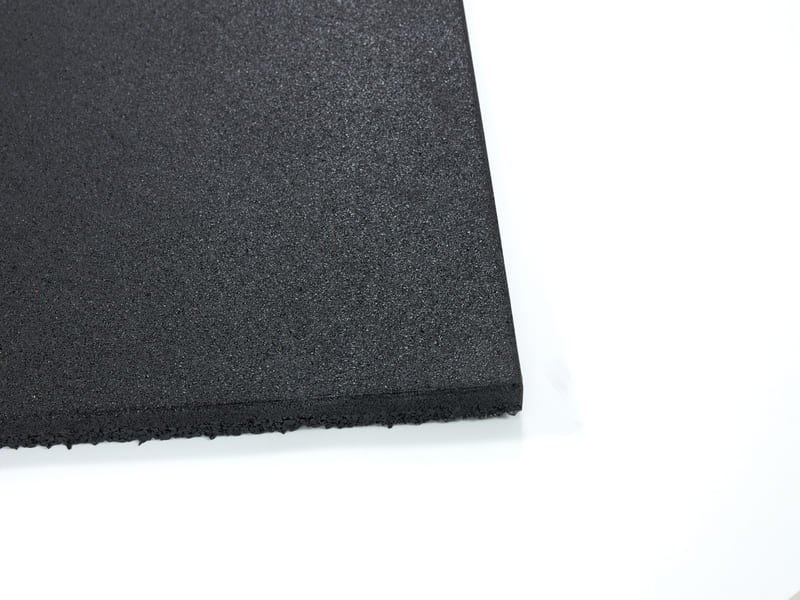
10. Best Rubber Flooring Products for Garages (2025 Top Picks)
The best rubber product depends on your garage’s specific use, with rolls, interlocking tiles, and mats offering distinct benefits for different applications. I use my manufacturing knowledge to help clients select the right format and material thickness.
Decision Guide: Matching Format to Your Use
I recommend this quick guide to choose the right format and thickness based on your planned use:
| Your Garage Use | Best Rubber Option | Recommended Thickness | Primary Advantage |
|---|---|---|---|
| Gym + Car Park | Rubber Roll (Seamless) | 8mm–10mm | Best water barrier and impact absorption. |
| Dedicated Gym | Interlocking Tiles | 6mm–8mm | Easy DIY installation and simple tile replacement. |
| DIY Workshop/Mechanic | Thick Rubber Mats | 10mm–12mm | Maximum localized protection for tools and heavy equipment. |
| General Storage | Light Rubber Tiles | 4mm–6mm | Cost-effective and durable against foot traffic. |
Our rubber rolls provide a seamless look and are the fastest to install for large areas. Interlocking tiles are modular and the most replaceable option. Rubber mats are the most flexible and are used under benches or specific equipment.
11. Real-Life Garage Transformations (Before & After Examples)
Seeing the final result proves the value of a quality rubber floor, as demonstrated by the improved look, function, and user satisfaction in real-life settings. I have seen countless garages change from dusty storage spaces into highly functional extensions of the home.
Engineering Optimization Success
One customer converted their three-car garage into a professional home gym using our 8mm black EPDM speckle flooring. Before, the concrete cracked easily, and the noise from dropped weights echoed throughout the house. After the rubber installation, the floor was silent, comfortable, and totally protected, allowing them to train harder. Another client who runs a small engine repair shop switched from epoxy to interlocking rubber tiles. They quickly realized the rubber was much easier to clean, did not chip from dropped tools, and the tiles were easy to replace when heavily stained. These stories show that the durability and easy maintenance are real benefits in daily use.

12. Frequently Asked Questions (FAQ)
Is rubber flooring safe for car tires?
Yes, high-density rubber flooring is perfectly safe for car tires and is highly resistant to tire marks and hot tire pickup. The SBR and EPDM compounds we use are engineered to withstand the friction and heat of daily vehicle traffic without degrading or sticking to the tires.
Can you install rubber flooring over old epoxy?
You can install rubber flooring rolls or tiles over old epoxy, provided the epoxy layer is fully bonded, dry, and not peeling or cracked. If the old epoxy is damaged, it must be ground down or removed first to ensure a flat, stable, and clean surface for the best installation outcome.
13. Conclusion: Reinvent Your Garage Floor the Smart Way
The best garage floor is one you can trust for both heavy use and long life. Rubber flooring is the smart choice because it is durable, comfortable, waterproof, eco-friendly, and simple to install. Do not let old, dusty concrete limit your space’s potential—install a rubber floor that performs as hard as you do.
My Role
As Technical Director, my deep understanding of material science, manufacturing processes, and real-world application means I know exactly how our rubber flooring products perform under pressure. I use this expertise to guide customers in selecting the precise density, thickness, and format (rolls, tiles, or mats) to ensure the floor not only meets but exceeds their needs, whether for a commercial gym or a private workshop. I focus on technical cooperation and engineering optimization to enhance your final design.
Would you like to get a free quote or request a free material sample to feel the quality difference yourself? Contact my team today for expert technical advice on optimizing your garage space.