


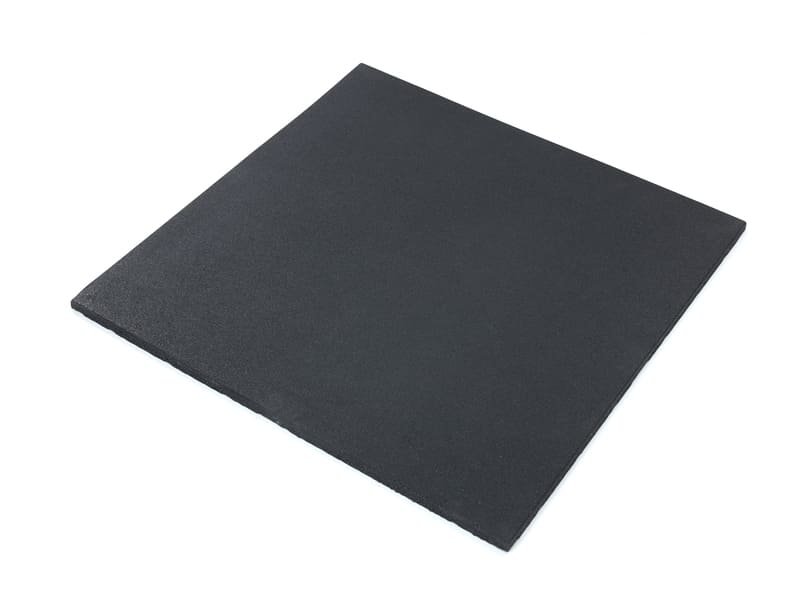
The mats are thick, dense, non-porous sheets of vulcanized rubber that provide superior impact absorption, slip resistance, and floor protection in demanding industrial, commercial, and athletic environments.
Heavy-duty rubber mats are key for risk mitigation and asset protection. I see these mats as the foundation for any tough workspace. They are engineered to handle continuous heavy loads and extreme conditions. Critical differences from standard mats are in density and material composition. Standard anti-fatigue mats use foam or lighter rubber for comfort; heavy-duty mats use high-density recycled tire rubber (SBR) or virgin synthetic rubber (EPDM/Nitrile) for maximum durability. Their typical thickness ranges from 1/8" up to 2.5" and they come as rubber flooring rolls, interlocking tiles, or straight-edge mats.
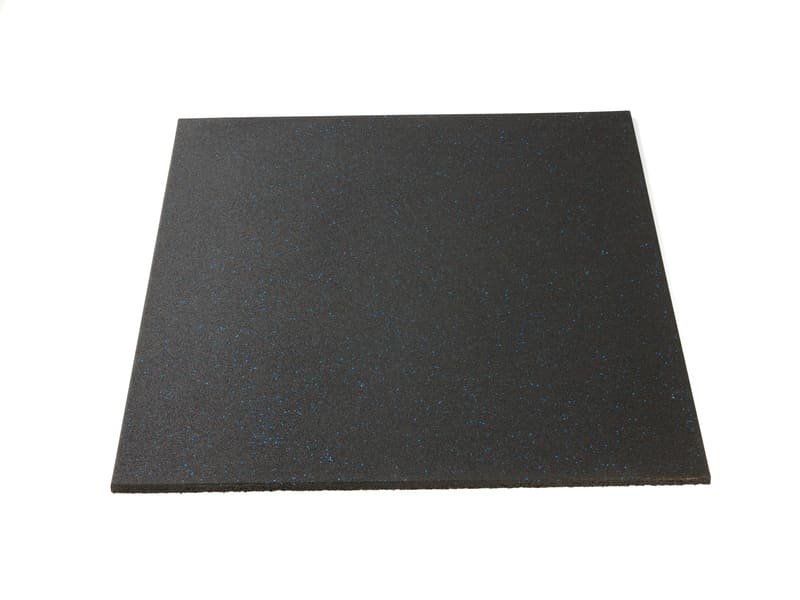
You must understand the material differences to choose the right mat. The right mat saves money on floor repair and worker safety issues. I want to show you exactly why these mats are essential and how to pick the best one for your project.
Why You Need Heavy-Duty Rubber Mats?
You need these mats because they solve major operational problems like floor damage, worker fatigue, and slip hazards in harsh environments. They are a necessity, not an accessory, when impact or heavy machinery is involved.
Why Heavy-Duty Mats Are Essential Across Industries
I have spent years working with engineers and product developers, and I can tell you that a concrete floor will fail quickly under a repeated impact load. Heavy-duty mats provide a durable, protective layer.
- Industrial Environments: In factories, warehouses, and construction sites, these mats protect the subfloor from dropped tools, machinery vibrations, and heavy pallet traffic. We use high-density SBR rubber here to withstand constant abrasion and point loading. These are your essential industrial floor mats.
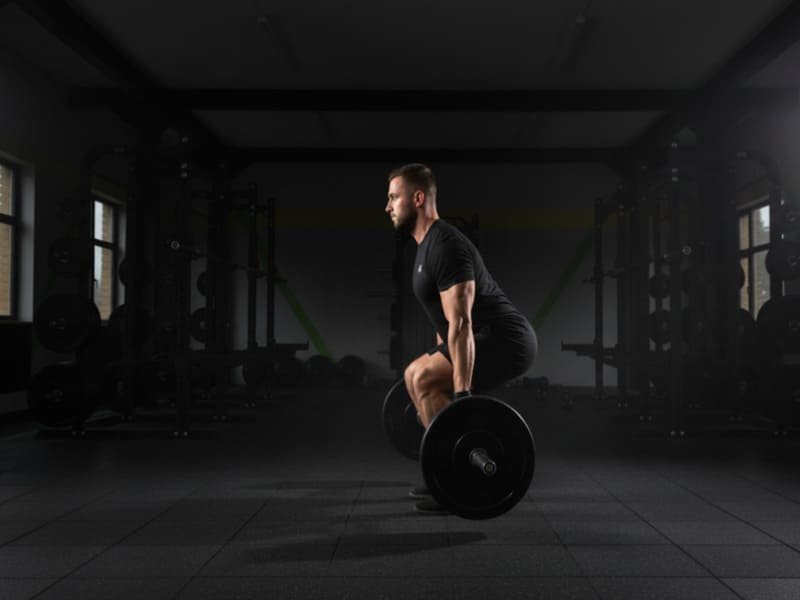
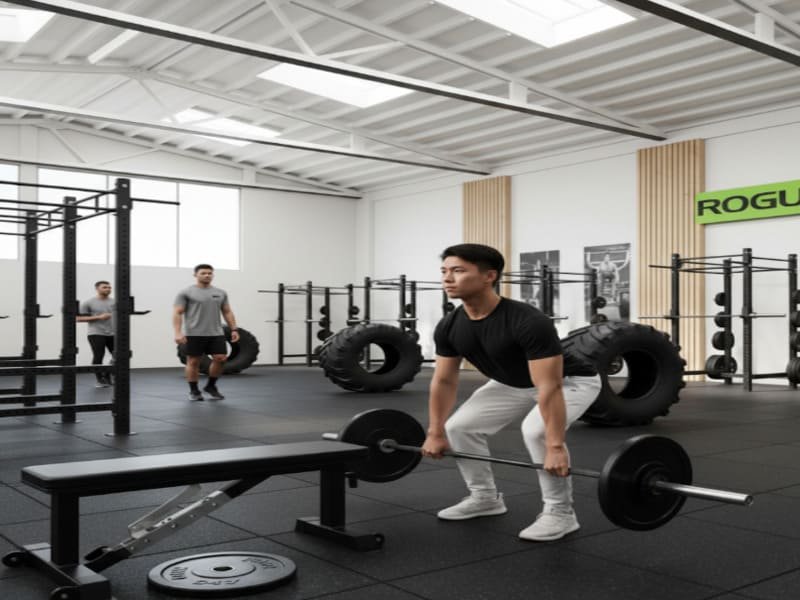
- Gym and Fitness Facilities: Specifically in weightlifting zones and functional areas, the mat’s ability to absorb shock is critical. Our 1-inch gym rubber tile safely absorbs the impact of dropped 100-lb weights without damaging your concrete floor.
- Animal and Agricultural Use: For horse stalls, trailers, and barns, mats provide a non-slip, insulating surface that is easier to clean than bare concrete. The mat reduces stress on animals’ joints and minimizes bedding needs.
- Commercial Kitchens and Garages: Here, anti-slip and anti-fatigue protection is crucial. We often recommend a Nitrile rubber blend that resists grease and chemicals while providing necessary comfort for standing workers.
The selection process is never one-size-fits-all. The mat must be matched to the specific load and environment.
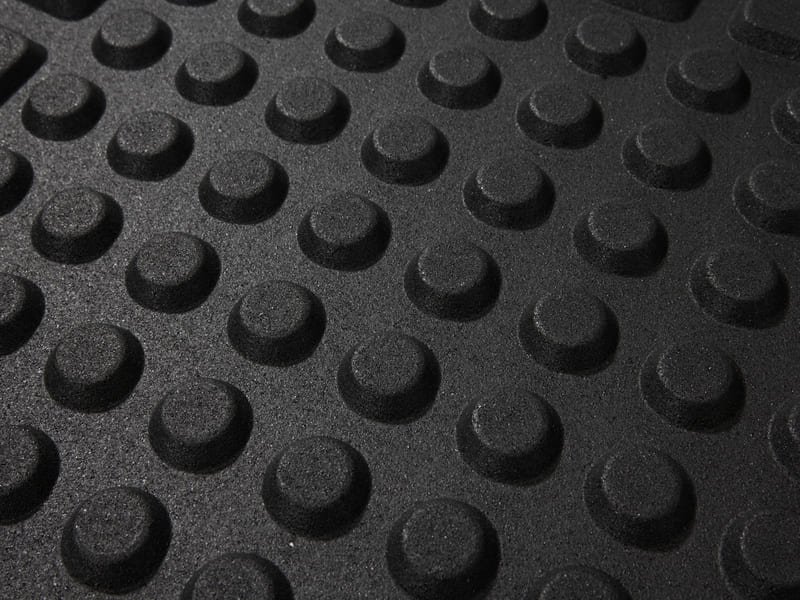
Understanding the need for protection is only the first step. You must now look at the core benefits that translate to long-term cost savings.
What Are 5 Key Benefits of Heavy-Duty Rubber Mats?
The five main benefits are floor protection, equipment preservation, increased safety, noise reduction, and environmental sustainability, which directly cut operating costs. I often show clients how the mats pay for themselves in under a year by avoiding one major concrete repair.
The Engineering Value in Rubber Matting
| Benefit | Engineering Mechanism | Outcome & E-E-A-T Element |
|---|---|---|
| 1. Floor Protection | High compression set resistance absorbs impact energy over a wider area. | Prevents concrete cracks and chips. (Trust: Reduces long-term CapEx) |
| 2. Equipment Protection | Rubber’s viscoelastic properties dampen vibration and minor shocks. | Extends the life of machinery and sensitive electronics. (Experience: Reduces maintenance downtime) |
| 3. Slip Resistance & Safety | High coefficient of friction surface, often with textured patterns. | Meets OSHA and ASTM standards for workplace safety. (Authority: Ensures compliance) |
| 4. Noise & Shock Absorption | Mass and density absorb sound waves and kinetic energy from drops. | Improves acoustics and worker comfort in loud spaces. (Experience: Improves working conditions) |
| 5. Sustainability | Primary use of recycled SBR rubber from scrap tires. | Reduces landfill waste and offers a cost-effective material choice. (Authority: Eco-friendly sourcing) |
My experience shows that the anti-vibration properties are often underestimated. For precision machinery, the mat acts as a stable buffer, ensuring consistent operation and fewer calibration issues.

Now that you know the benefits, the next logical step is to decide which mat is right for your unique operational needs.
How to Choose the Right Heavy-Duty Rubber Mat?
You must choose the mat based on the application’s required thickness, the material composition for chemical resistance, and the optimal design for installation and stability. We tailor the rubber’s polymer structure to meet specific performance needs.
How to Match Mat Specifications to Project Requirements
Selecting the correct mat is a technical decision. I always start with the application load and environmental exposure.
By Application and Material Composition
You must match the material to the exposure. Recycled SBR rubber is the most cost-effective and is excellent for general impact and abrasion resistance, like in gyms or warehouses. However, if the area sees oils, greases, or extreme temperatures, a synthetic rubber like Nitrile or EPDM is necessary because of its superior chemical stability.
| Application | Recommended Material | Critical Specification |
|---|---|---|
| Commercial Gym | Recycled SBR (Black/Color Fleck) | Density: High (60–70 Shore A) for drop impact. |
| Manufacturing Line | Virgin or Blended Nitrile Rubber | Chemical Resistance: Must withstand cutting fluids and oils. |
| Horse Stalls/Agriculture | Recycled SBR, Vulcanized, Non-porous | Drainage/Texture: Non-slip, easy-to-clean surface structure. |
By Thickness: The Load Bearing Factor
Thickness directly relates to the mat’s impact absorption and load distribution capability.
- 1/4 inch (6 mm): Light-duty foot traffic, light equipment. Used as a protective top layer.
- 1/2 inch (12 mm): Medium impact, general gym flooring, workshops. Good balance of cost and protection.
- 1 inch and above (25 mm+): Extreme impact (free weights), heavy machinery bases. Offers maximum sound and shock isolation.
By Design: Tiles vs. Rolls vs. Interlocks
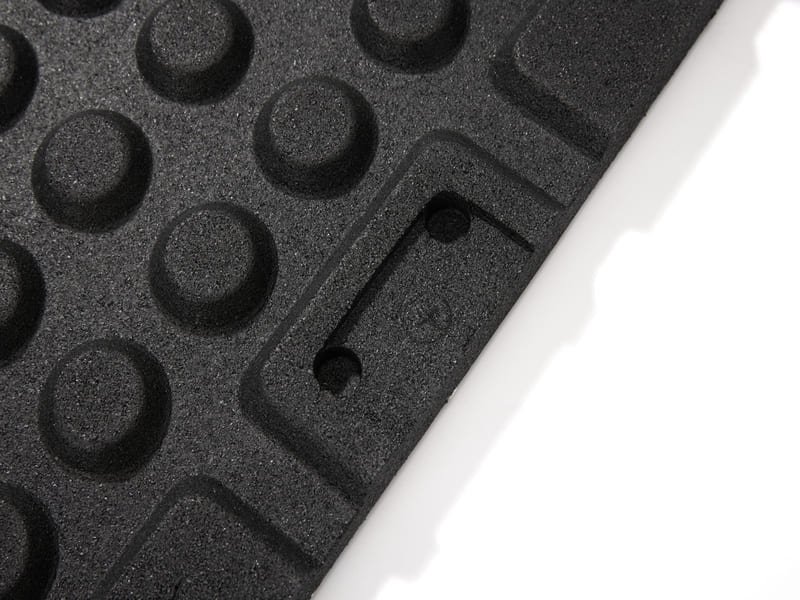
Rubber flooring rolls are cost-effective for large, rectangular areas and reduce seams. Interlocking tiles offer easy DIY installation and portability, which is great for leased spaces. Straight-edge tiles provide a clean, professional look for wall-to-wall installations.
I recommend interlocking tiles for smaller areas where cuts need to be minimized and rolls for areas over 1,000 square feet to reduce material waste and labor costs.

Understanding the need for protection is only the first step. Here is a quick guide to help you directly find the right solution.
Which Heavy-Duty Mat Is Best for You?
The best mat for your project depends entirely on the primary stress factor (impact, chemical, or abrasion); you must match the mat thickness to your load profile. This table offers a rapid selection guide.
Rapid Mat Selection Guide
| Application | Recommended Thickness | Best Material | Why It’s Ideal |
|---|---|---|---|
| Warehouse/Factory | 12–25 mm | Recycled SBR | Handles forklifts, pallet drops, and heavy traffic. |
| Gym/Weight Room | 15–30 mm | Dual-layer SBR/EPDM | Provides maximum shock absorption and sound reduction for dropped weights. |
| Garage/Workshop | 10–20 mm | Nitrile Rubber | Oil-resistant, chemical-resistant, and easy to clean. |
| Horse Stall | 18–25 mm | Vulcanized SBR | Insulated, non-slip surface for animal safety and comfort. |
| Assembly Line | 10–12 mm | Anti-Fatigue/SBR Blend | Combines durability with necessary anti-fatigue relief. |
The technical difference between a 12 mm warehouse impact mat and a 30 mm gym tile is the maximum kinetic energy they can safely dissipate.
Once you have the right mat, proper installation and care are necessary to ensure you get the full value from your investment.
Installation & Maintenance Tips
You must ensure the subfloor is clean, dry, and flat before installation, and you should use a compatible polyurethane adhesive for permanent placement. Simple, routine cleaning is the key to longevity.
Best Practices for Mat Longevity and Performance
My team often provides technical guides to ensure proper installation, as a poor installation will lead to seam separation and premature wear.
Surface Preparation
The surface must be free of dust, grease, and moisture. For porous concrete, a primer is necessary to ensure the adhesive cures correctly. If the floor has cracks, they must be filled, as a mat will conform to imperfections, causing uneven wear.
Securing the Mats
For heavy-duty rolls or tiles, especially over 1/2 inch thick, a two-part polyurethane adhesive is the standard for a permanent bond. For non-permanent applications, you can use double-sided tape or just the mat’s weight and interlocking system to hold it in place. The main goal is to prevent mat creep under lateral force.
Cleaning and Maintenance Guide
The vulcanized rubber is non-porous and resists water. Cleaning is simple: sweep or vacuum debris, and then mop with a mild, pH-neutral detergent. Avoid using harsh chemicals or oil-based cleaners, as these can break down the rubber’s bonding agents over time and cause the surface to become slippery.
Longevity Tips
You must rotate mats in high-wear zones every 6–12 months if not permanently adhered. Also, ensure the edges and seams are protected from excessive impact, as these are the weakest points. A well-maintained 3/4-inch SBR mat can easily last 10–15 years in a demanding environment.

Installation and maintenance are minor costs compared to the long-term value these mats offer. You must look at the total cost of ownership.
Cost & Value: What to Expect?
You can expect initial costs to range from $1.50 to $6.00 per square foot, with the higher end reflecting thicker, virgin, or custom-colored material, but the long-term ROI is found in damage reduction.
Analyzing the Total Value Proposition
When I consult on a project, I always focus on the total cost of ownership (TCO), not just the upfront purchase price.
Typical Price Ranges and Factors
The cost is determined by:
- Material: Recycled SBR is the lowest cost. Virgin EPDM/Nitrile is more expensive due to specialized performance.
- Thickness and Density: Thicker, denser mats use more material and cost more. A 1/4-inch roll will cost significantly less than a 1-inch interlocking tile.
- Color and Customization: Custom colors and logos add a premium because of the additional manufacturing processes involved.
| Mat Type | Thickness Range | Estimated Price Range (per sq. ft.) | Value Driver |
|---|---|---|---|
| Recycled SBR Roll | 1/4" to 3/8" | $1.50–$2.50 | Excellent cost-effectiveness and impact absorption. |
| Recycled SBR Tile | 1/2" to 1" | $2.75–$4.50 | Easy installation, reduced sound transmission. |
| Virgin/Specialty Mat | Varies | $4.00–$6.00+ | Chemical/oil resistance, fire rating compliance. |
The Long-Term ROI
Recycled rubber is more cost-effective because the raw material cost is lower. However, the true value is the ROI. The mats reduce:
- Concrete Repair: Avoids patching and resurfacing, which can cost $5–$15 per square foot annually.
- Equipment Damage: Dampening vibration extends machine life, reducing replacement or maintenance costs.
- Injury Claims: Superior slip resistance minimizes accidents, lowering insurance and liability costs.
The decision is not about buying the cheapest mat; it is about buying the most appropriate mat that offers the best cost/performance ratio for your specific application.
The final check before making a purchase is to ensure the mat meets the non-negotiable standards for safety and performance in your industry.
What Safety and Performance Standards Do Rubber Mats Meet?
Heavy-duty rubber mats must meet industry standards for slip-resistance (ASTM F1677), fire rating (ASTM E648), and impact attenuation, which ensure safety and compliance in commercial settings.
Critical Compliance and Testing Metrics
In my role, E-E-A-T is based on verifiable test data. We provide documentation to prove our materials meet the necessary engineering specifications.
Slip-Resistance and Compliance
Slip resistance is measured by the Coefficient of Friction (COF). OSHA and many industry bodies require a certain COF. Our mats are tested to meet or exceed:
- ASTM F1677 (Standard Test Method for Using a Portable Incline Tester)
- ANSI/NFSI B101.3 (Wet Static COF)
The mat must maintain a high COF even when wet, making the surface safe for workers and patrons.
Fire Rating and Odor Control
For indoor use, especially in public gyms or commercial buildings, the mat needs a fire rating. We test to ASTM E648 or ASTM E84 to measure the material’s flammability and smoke development. Regarding odor, a high-quality vulcanized SBR mat will have very low initial odor compared to a cheaply made product.
Impact Absorption and Weight Tolerance
This is where the term “heavy-duty” proves its value. We test impact absorption using G-MAX testing to measure the mat’s ability to absorb shock from dropped weights. The mat must isolate force, preventing structural damage below.
| Standard | Focus Area | Requirement for Compliance |
|---|---|---|
| ASTM F1677 | Slip Resistance (Safety) | Minimum acceptable COF value (> 0.6 recommended). |
| ASTM E648 | Fire Rating (Building Safety) | Must meet Class I or Class II fire resistance for indoor use. |
| G-MAX | Impact Absorption (Performance) | Lower G-MAX value means better shock absorption. |
Compliance is not just about avoiding fines; it is about providing a safe and reliable environment for your employees and customers.

The best way to understand the standards is to look at real-world applications where performance is critical.
Frequently Asked Questions
We have gathered the most common questions from our clients regarding the installation, smell, and customization of heavy-duty rubber mats to help you make your final decision. This section addresses practical purchase barriers.
Addressing Common Buyer Concerns
| Question | Answer and Technical Detail |
|---|---|
| Can I install heavy-duty mats myself? | Yes, interlocking rubber tiles are very DIY-friendly. Large rubber flooring rolls are better installed by professionals because of their weight and the precision cutting needed to fit edges neatly. |
| Do the mats have a smell? | Our high-quality vulcanized SBR mats have only a minimal, temporary odor initially. All our materials are low-VOC and suitable for indoor use in commercial and residential settings. |
| Can I customize the size or color? | Yes, we offer factory-direct customization for dimensions, fleck color, and density. We can produce custom roll lengths and non-standard thicknesses like 18 mm or 35 mm. |
| How long do the mats last? | With proper installation and maintenance, our heavy-duty mats typically last 10–15 years due to their high density and abrasion resistance. |
This technical partnership approach helps us address your concerns before you even place the order.
You now have the technical knowledge to make an informed choice. The next step is finding a manufacturing partner who can meet your exact specifications.
Where to Buy Heavy-Duty Rubber Mats?
You should choose a factory-direct manufacturer over a distributor to get custom specifications, better technical support, and the most competitive pricing without third-party markups.
The Value of Choosing a Technical Manufacturing Partner
When sourcing, the focus should be on technical partnership and not just price.
-
Comparison: Online vs. Factory-Direct Sourcing
- Online/Distributor: Limited stock sizes, high per-unit cost, minimal technical guidance. You get what they have.
- Factory-Direct: Access to raw materials, ability to customize thickness, custom density blends, and direct engineering support. We provide solutions.
-
Why Choose Our Manufacturing Capability:
- Factory Price Advantage: We control the entire supply chain, which removes distributor fees and lowers your acquisition cost.
- Custom Thickness, Color, and Roll Length: We can manufacture a mat to your precise dimensional needs, minimizing waste and simplifying installation.
- Engineering and Global Support: We position our manufacturing knowledge as a direct input for your design optimization. We ship custom orders globally and provide after-sales technical support. We are a technical consultant first.
We provide the expertise to ensure the mat you buy is the perfect fit for your performance requirements.
Free Sample Available
Tested to ASTM Standards
Worldwide Door-to-Door Delivery
Talk to an Engineer Before You Buy
Conclusion
Invest Once, Protect for Years. The right heavy-duty rubber mat is an essential engineering asset that reduces risk, minimizes damage, and ensures compliance.
Get Your Custom Quote in 24 Hours →