


How Do You Prevent Heavy Equipment Feet from Crushing Rubber Flooring
Preventing heavy equipment from crushing rubber flooring requires distributing the weight over a larger surface...
Mar
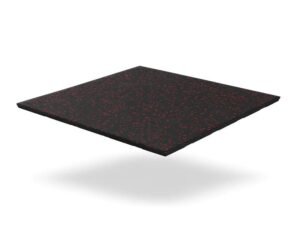
Can Rubber Flooring Be Reused After You Move Gyms
Yes, rubber flooring can be reused after moving gyms, provided it is high-density material and...
Mar
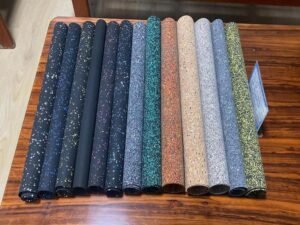
How Do You Store Rubber Rolls Before Installation
The best practice for storing rubber rolls is to lay them horizontally on a flat,...
Mar
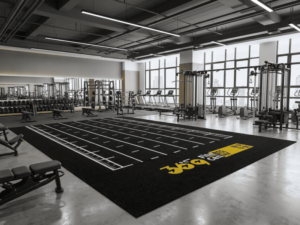
What Drainage Rate Should Good Artificial Grass Have
Good gym artificial grass should have a drainage rate of at least 30 inches per...
Mar
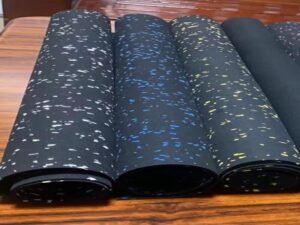
What Moisture Level Is Acceptable Before Installing Rubber Flooring
For concrete subfloors, the acceptable moisture level is typically below 75%–80% Relative Humidity (RH) or...
Mar
Can Rubber Gym Flooring Be Steam Cleaned or Pressure Washed
No, you should not steam clean rubber gym flooring as the heat ruins the adhesive...
Mar
Can You Use Rubber Flooring with Radiant Floor Heating
Yes, rubber flooring is compatible with radiant heat, but performance depends on density and thickness....
Mar
How Do You Remove Old Rubber Flooring Adhesive from Concrete
To remove old rubber flooring adhesive, you must first test if it is brittle (dry...
Mar
How Do You Clean Chalk and Magnesium Dust from Rubber Gym Floors
To clean chalk from rubber gym floors, first vacuum the area thoroughly while it is...
Mar
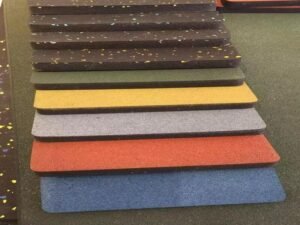
Can You Install Rubber Flooring Over Plywood
Yes, you can install rubber flooring over plywood, provided the wood is structurally rigid, sanded,...
Mar