


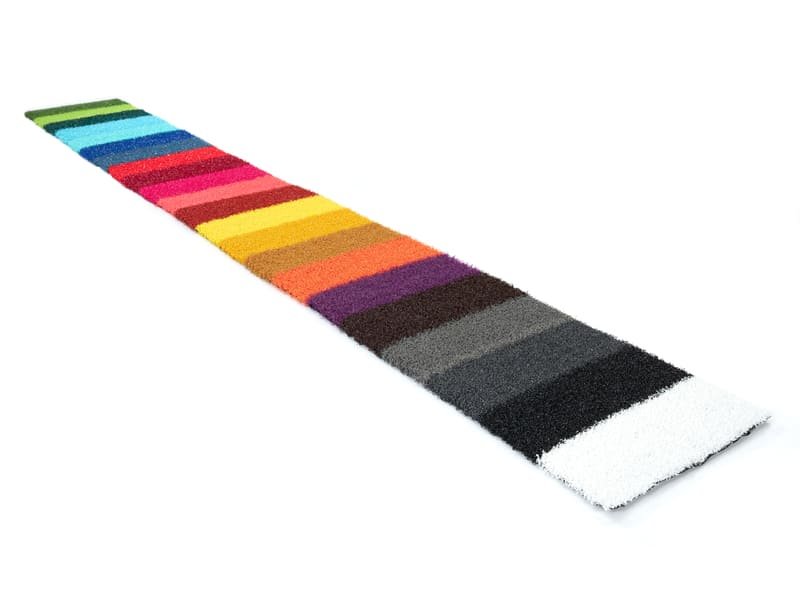
MF infill-free turf is the ultimate solution for sports facilities because it eliminates messy rubber granules while providing superior safety and performance. This third-generation technology uses high-density fiber engineering to mimic natural grass, offering a durable, low-maintenance surface that outperforms traditional synthetic systems.
The evolution of sports surfaces has reached a critical turning point. For decades, facility managers chose between the high maintenance of natural grass and the practical but messy nature of traditional artificial turf. As an R&D engineer with over 15 years in polymer extrusion, I have seen how traditional infill systems fail over time. Rubber granules migrate, compact, and create hard spots that compromise athlete safety. MF (Non-Infill) technology represents a paradigm shift. This zero-maintenance revolution focuses on the fiber itself as the primary performance driver, creating a cleaner and more consistent playing experience for every user.
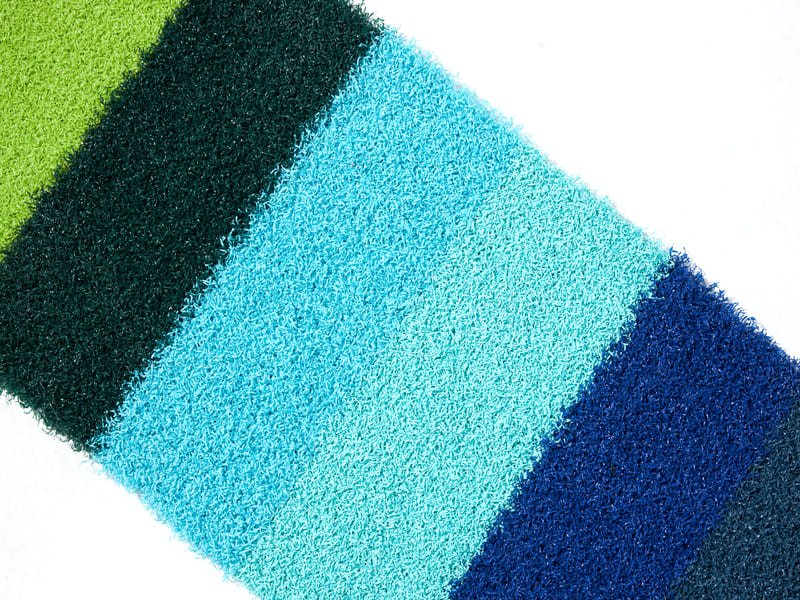
Many people ask if synthetic grass can truly replace the feel of a natural pitch, and the answer lies in the engineering of the root zone.
How MF Technology Redefines Athlete Safety?
MF technology improves safety by using high-density curly "thatch" fibers to provide permanent shock absorption. This prevents the surface from hardening over time, a common issue with rubber-filled systems. It ensures a stable G-max rating, which directly reduces the risk of impact-related injuries during play.
The secret to safety in an infill-free system is the interaction between the athlete’s cleat and the fiber density. In traditional turf, rubber granules can "lock" a player’s foot in place, which is a leading cause of ACL and ankle strain. I have spent years testing the traction-to-rotation ratio of various polymers to ensure our MF turf allows for a natural pivot. We also apply specialized surface coatings during the extrusion process to lower the friction coefficient. This means "turf burn" is virtually eliminated. Understanding how different infill choices affect friction highlights why this fiber-only engineering is a safer choice for high-intensity sports and youth training.
| Performance Metric | Traditional Infill Turf | MF Infill-Free Turf |
|---|---|---|
| Shock Absorption | Dependent on rubber depth | Permanent fiber-based thatch |
| Traction Control | Variable/High (Risk of locking) | Consistent (Engineered pivot) |
| Skin Abrasion | Higher (Due to sand/rubber friction) | Low (Silky polymer coating) |
| Surface Hardness | Increases over time (Compaction) | Remains stable (Anti-compaction) |
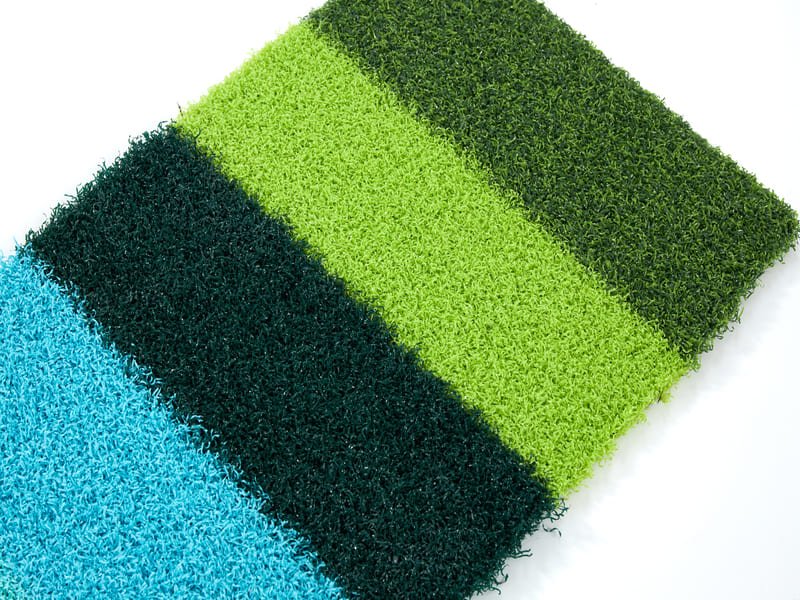
Understanding the physical safety of the player is just the start, but we also need to look at the financial health and technical limits of the facility.
Is MF Turf Right for Every Sport and Budget?
MF turf is ideal for multi-sport use, school fields, and indoor gyms, but it requires higher initial density to replace infill. While it excels in durability and hygiene, professional 11-a-side football matches may still require specific blade-length adjustments to meet FIFA-level "ball roll" standards.
As a developer, I must be honest about the application boundaries. MF turf is a "high-density" solution. Because there is no sand to support the blades, we use about 20-30% more yarn per square meter. This means the initial cost is often 15-25% higher than basic infill turf. However, you recover this in 2-3 years through zero rubber-top-up costs. In terms of lifespan, an R&D-grade MF system typically lasts 8 to 12 years under high-frequency use. It is perfect for high-speed agility and "sled" training because there are no granules to create resistance. However, for professional-only football stadiums, we often recommend a hybrid approach or a specific "long-pile" MF version to ensure the ball reacts exactly like it does on natural grass.
Where MF Turf Excels the Most:
- Indoor Training Facilities: No rubber smell and easy to vacuum/clean.
- School Playgrounds: Safe for kids to crawl on without swallowing black granules.
- Gym Sled Tracks: High fiber density resists the crushing force of heavy equipment.
- Multi-Sport Zones: Handles the transition between soccer, tennis, and fitness training perfectly.
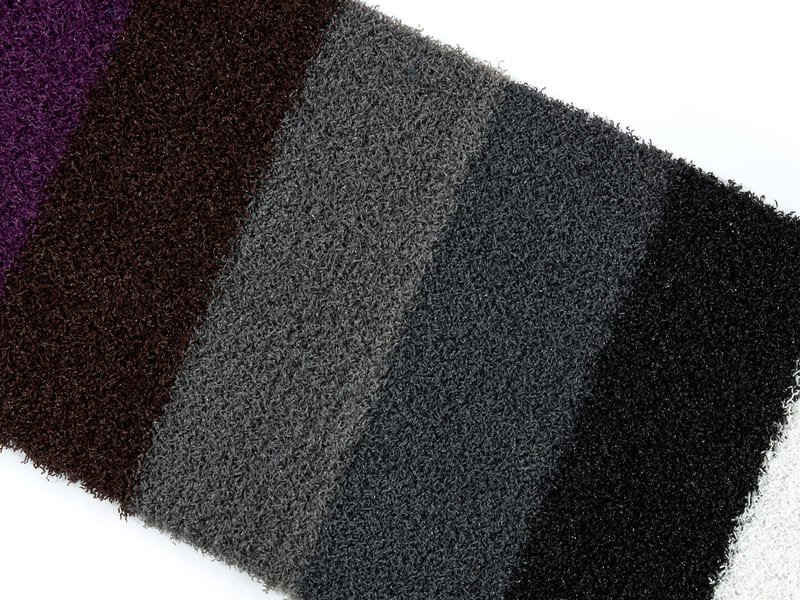
Once you understand where to use it, the long-term operational benefits become the deciding factor for most owners.
What Makes MF Turf More Cost-Effective?
MF turf is more cost-effective because it removes the need for infill maintenance, which is the most expensive part of owning artificial grass. You do not need to buy rubber refills or specialized grooming machines. This leads to much lower labor costs and less facility downtime.
From an engineering standpoint, we design MF turf to be resilient from day one. In a traditional system, the infill often clogs the drainage holes, leading to water pooling. Because our MF products use a clean, porous backing without loose debris, drainage remains fast for the entire life of the carpet. While the upfront investment is higher due to the yarn density, the Total Cost of Ownership (TCO) is significantly lower. You save on labor, rubber replenishment, and specialized equipment. Furthermore, repairing a high-density MF field is often simpler—you just replace a patch of carpet without worrying about matching the "grain" and depth of loose infill.
| Maintenance Task | Traditional System | MF System |
|---|---|---|
| Infill Replenishment | Required annually | Never required |
| De-compaction Brushing | Every 2-3 months | Minimal grooming |
| Drainage Cleaning | High risk of clogging | Low risk / High flow |
| Operational Lifespan | 5-8 Years (Before hardening) | 8-12 Years (Stable performance) |
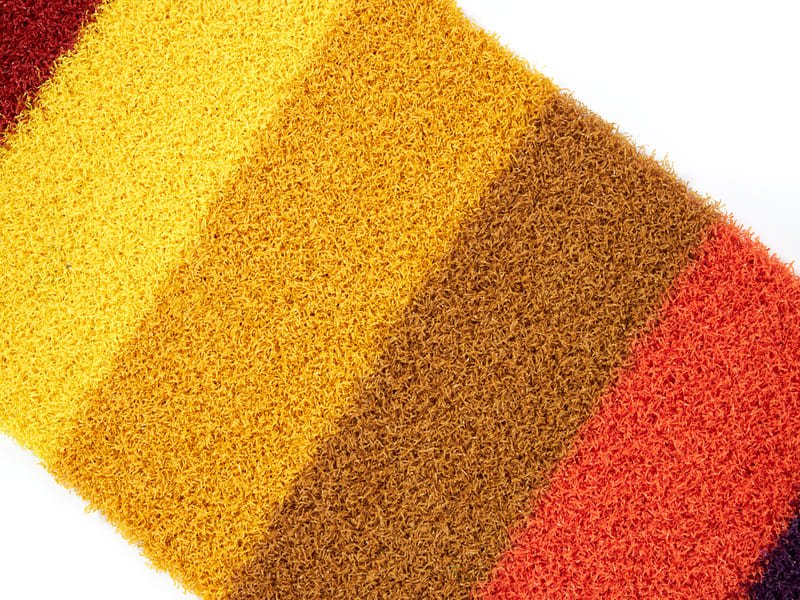
Choosing the right surface is a balance of science, safety, and budget, and moving toward an engineered MF system is the logical step for modern facilities.
Conclusion
MF turf is the best path for safe, clean, and low-cost sports fields.
If you are currently planning a new sports facility or looking to upgrade an existing field, my team of engineers can help you navigate the technical specifications of MF technology. We can provide custom configurations based on your specific sport and usage frequency. Feel free to reach out to us to request a technical consultation, a detailed quote, or a set of free samples to feel the MF difference yourself.