


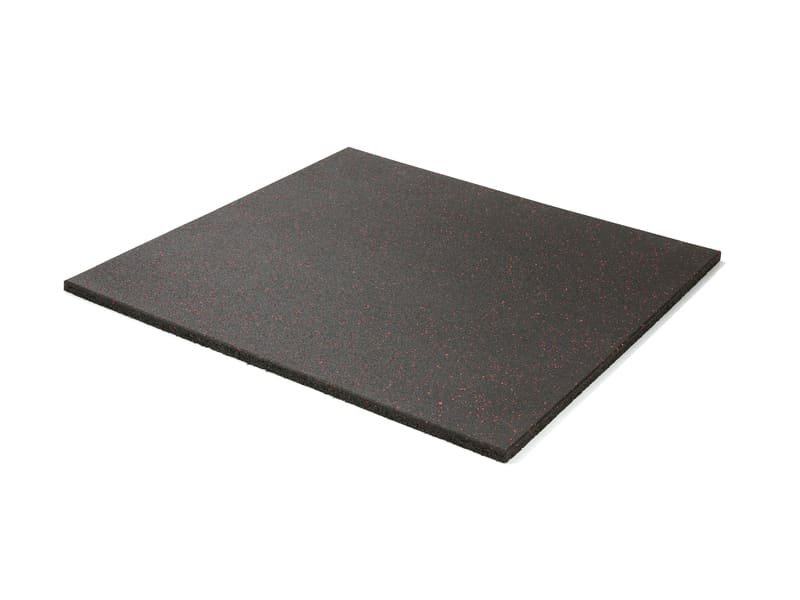
American and Chinese rubber gym flooring differ mainly in cost, quality consistency, and adherence to US-specific health standards. China offers unparalleled cost savings and scale, while US-based brands often guarantee superior batch-to-batch material consistency and lower volatile organic compound (VOC) emissions.
As a manufacturing process engineer, I look beyond the label. When sourcing rubber gym flooring, the choice between Chinese and American production is a classic trade-off. China dominates the global supply chain, offering massive scale from raw SBR (Styrene Butadiene Rubber) and EPDM (Ethylene Propylene Diene Monomer) materials to finished products. This scale translates directly into significant cost advantages, especially for large commercial orders. However, domestic American production, or brands focusing on the US market, often apply tighter process controls. This leads to more reliable density, better cutting precision, and faster access to essential low-VOC certifications like GreenGuard. The decision balances your budget against your need for guaranteed consistency and quick logistics.
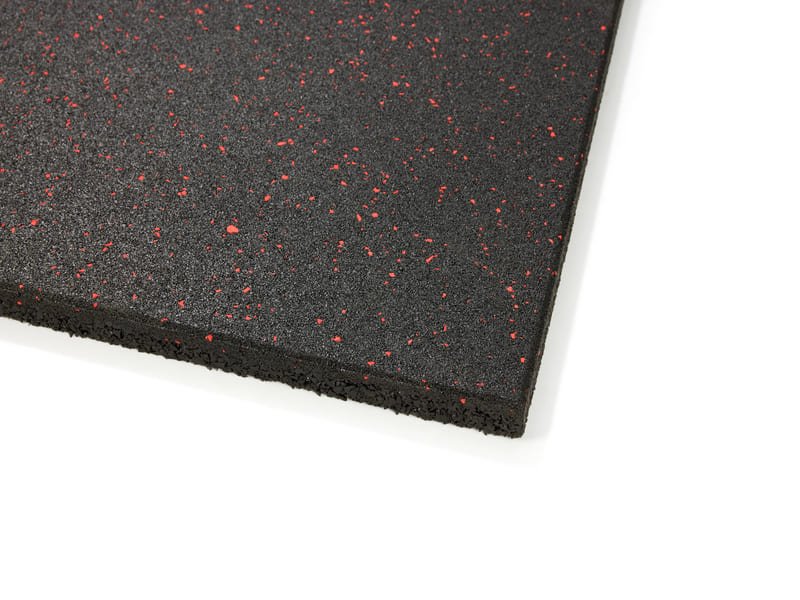
Understanding these fundamental differences is critical for making an informed procurement decision. We must break down exactly where the production methods and supply chains diverge.
What Are the Key Advantages of Sourcing Rubber Flooring from China?
The primary advantages of sourcing rubber gym flooring from China are immense scale and unbeatable cost efficiency. China’s complete manufacturing ecosystem, from raw material to finished product, allows for significantly lower unit prices, often ranging from $2 to $20 per square meter, making it ideal for high-volume, large-scale projects.
My experience on the factory floor shows that China’s strength lies in its ecosystem. The sheer volume of SBR crumb rubber and bonding agents processed daily means economies of scale that are impossible to match elsewhere. This massive capacity supports a huge diversity in products—everything from thin 6mm rolls to thick 20mm interlocking tiles. However, this vastness creates a "quality lottery." I have seen huge variations between suppliers. Success depends on working directly with a few highly certified and reliable factories. When you find the right Chinese supplier, you unlock custom specifications and colors at a fraction of the domestic price. This is a massive opportunity for clients prioritizing budget over immediate speed.
| Factor | Chinese Supply Focus | Impact on Procurement |
|---|---|---|
| Unit Price | Low cost (\$2-\$20/sqm) | Best for large-scale, budget-driven projects. |
| Scale/Capacity | Massive production volume | Easy access to high-volume bulk orders. |
| Customization | High due to ecosystem | Custom colors/specs at low cost (with vetting). |
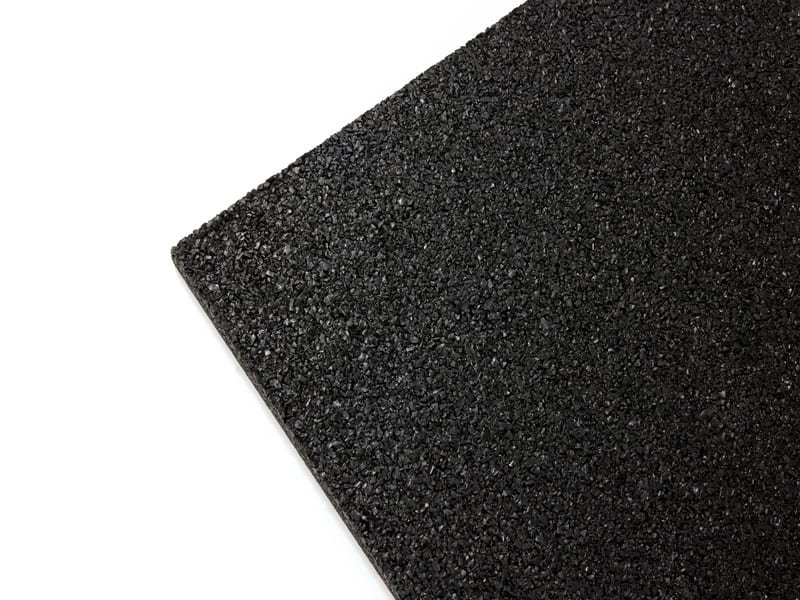
While the cost savings from China are compelling, they introduce logistics and quality risks that necessitate careful planning. This is where the reliability of the domestic market becomes a powerful counterpoint.
How Do American Standards Deliver Higher Consistency and Safety for Gym Flooring?
American and American-marketed brands prioritize strict process control, resulting in high batch-to-batch material consistency and a strong focus on health and safety compliance. This includes tighter controls on bonding agents to minimize rubber odor and adherence to key US standards like GreenGuard and specific ASTM fire testing.
The premium associated with American rubber flooring is directly related to quality assurance. My engineering work focuses on minimizing process variability. Domestic producers often use stricter, more reliable quality control checks for density and composition. This means a 12mm roll purchased today will match a roll purchased six months from now. A major differentiator is the focus on indoor air quality. Stricter US regulations regarding VOCs mean manufacturers must use specialized, low-off-gassing bonding agents and adhere to longer, more thorough curing processes. This eliminates the strong rubber odor often associated with lower-cost recycled SBR materials from less-vetted overseas sources. Furthermore, the use of a higher proportion of virgin EPDM rubber in high-end domestic products provides better color stability and durability than standard recycled crumb rubber options. This is a long-term investment in a safer, higher-performing floor.
The US Quality and Compliance Advantage
| Quality Element | US Approach | Benefit to Client |
|---|---|---|
| Consistency | Strict batch controls, precise formulation | Guaranteed material composition and density. |
| Indoor Air Quality | Low-VOC adhesives, extensive curing | Minimal to zero rubber odor; GreenGuard compliance. |
| Material Clarity | Clear distinction: Virgin EPDM vs. Recycled SBR | Better long-term durability and color stability. |
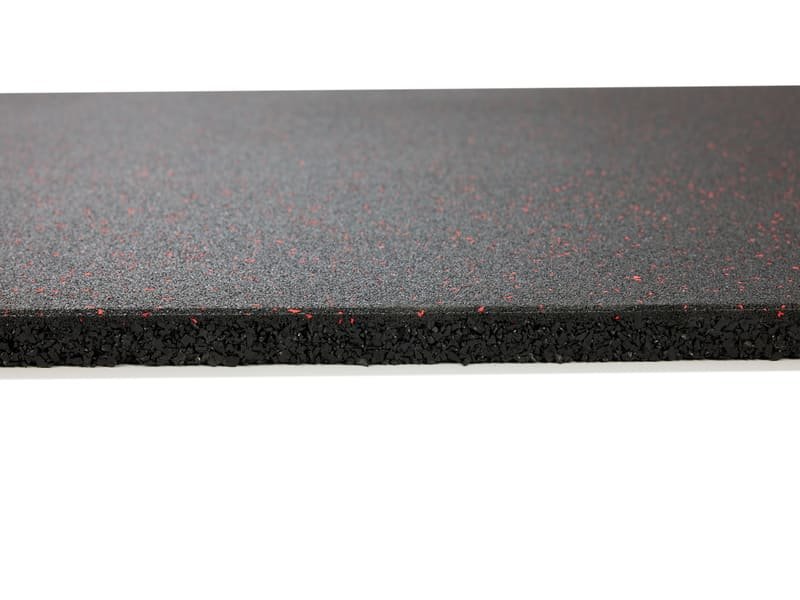
To truly compare these two supply models, we must look at the direct trade-offs involved in key procurement metrics like price, lead time, and material consistency.
Which Supply Model Offers a Better Balance Between Cost and Speed?
The Chinese supply model offers superior cost savings and is best for buyers prioritizing budget and scale over speed, accepting longer international lead times. The domestic supply model offers faster lead times and simpler logistics, serving buyers who view flooring as a long-term investment requiring immediate delivery and guaranteed consistency.
When advising clients, I always frame this as a choice between prioritizing cost or prioritizing speed and assurance. The table below summarizes the critical trade-offs. For a new, large commercial gym, using a verified Chinese supplier provides the necessary budget relief. You must accept a longer logistics chain that involves international shipping and customs. This can take weeks or months. For a boutique studio or a high-end home gym requiring immediate installation, the shorter lead times and simpler domestic shipping of US-based suppliers are invaluable. The cost is higher, but you mitigate the risk of customs delays and batch inconsistency. I always stress the importance of odor management; domestic products generally offer a much higher assurance of minimal odor due to stringent post-production curing and lower-VOC adhesive use. This directly affects the gym’s opening schedule and client experience.
| Differentiating Factor | Chinese Supply Focus | Domestic/American Supply Focus |
|---|---|---|
| Unit Price | Budget-focused, high value | Premium price point, investment-focused |
| Material Consistency | Variable; requires rigorous supplier vetting | High and trusted; greater assurance |
| Logistics/Lead Time | Long chain; prioritize cost savings over speed | Short chain; prioritize speed and simplicity |
| Odor/VOCs | Potential issue (low-cost SBR/minimal curing) | Minimal/Zero odor (stricter standards/curing) |
| Compliance | Available but must be fully verified by buyer | Generally assumed; key selling point (GreenGuard) |
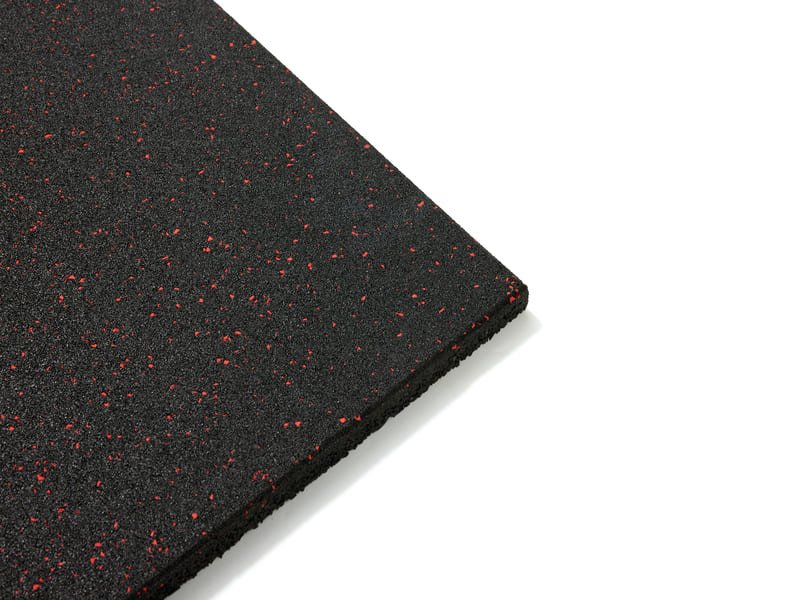
Making the final choice depends less on where the rubber is manufactured and more on your project’s specific constraints—budget, timeline, and quality requirements.
Conclusion
Choosing the right rubber gym flooring requires balancing China’s cost advantage against the guaranteed quality and speed of domestic supply. The country of origin matters less than the supplier’s verified quality grade and certifications.
My Role
I am a Rubber Gym Flooring Manufacturing Process Engineer with over a decade of experience in optimizing production workflows for both mass-market and high-performance flooring solutions. My expertise lies in material science, bonding agent technology, and quality assurance protocols, helping clients from start-up gyms to major retail chains define, develop, and source durable, high-quality rubber flooring. I specialize in translating complex material specifications into cost-effective and compliant manufacturing plans, ensuring optimal performance and consistency for every roll and tile.
Are you launching a new facility and need a reliable, cost-effective rubber flooring solution? Do you need engineering optimization for a unique design? Contact my team today for a detailed quote, design consultation, and free material samples to experience our quality assurance firsthand.