


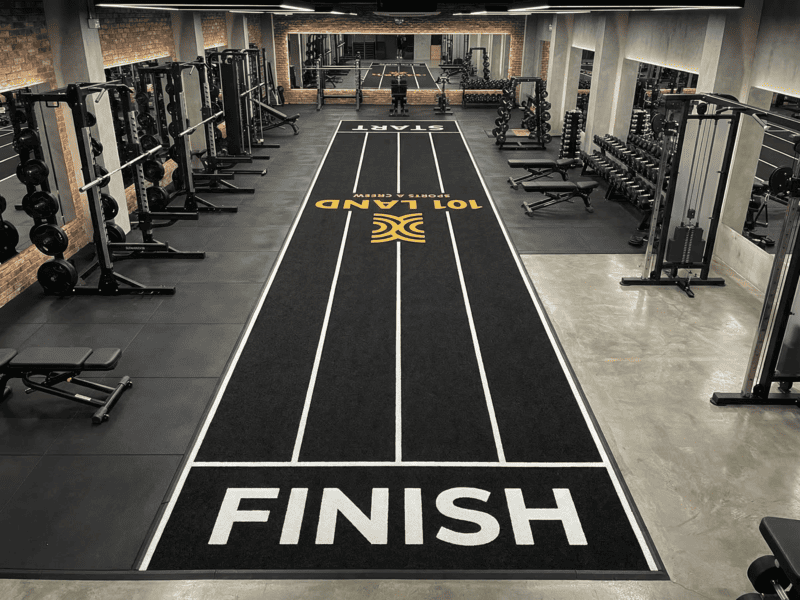
To reduce friction burns on gym turf, you must create a physical or slick barrier between your skin and the synthetic fibers. Wear compression clothing, apply anti-friction balms like BodyGlide, or use athletic turf tape on high-impact areas like knees and elbows to stop the heat-generating "stick-slip" effect.
Polyethylene fibers are designed for high traction, but that same grip becomes a liability when skin slides across the surface. A turf burn is effectively a thermal injury. The rapid friction generates localized heat intense enough to shear the epidermis—the top layer of your skin. In the world of turf manufacturing, we focus on the friction coefficient of the yarn. If the turf is too dry or the fiber density is too high without proper lubrication, the "grab" on bare skin is immediate. To solve this, you need to manage the surface tension. Whether it is through specialized fabrics or topical barriers, the goal is to ensure the body glides rather than sticks. I have spent years analyzing how different fiber shapes impact skin safety, and the reality is that prevention starts with understanding the physics of the slide.
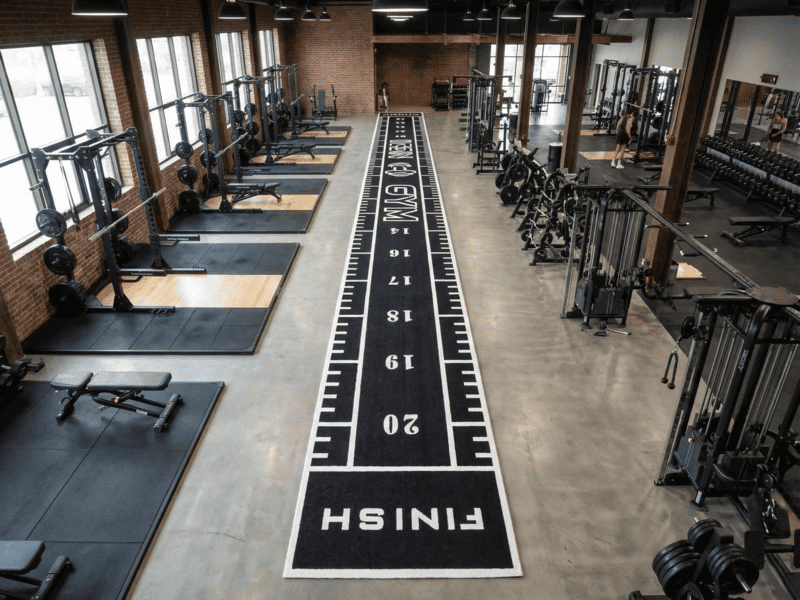
The sting of a turf burn is a common problem, but you can stop it if you use the right technical approach to gear and skin protection.
Why do turf burns happen during high-intensity training?
Turf burns happen when the kinetic energy of your movement converts into thermal energy through friction with synthetic plastic fibers. This rapid heat buildup shears the epidermis. You can prevent this by using barriers that lower the friction coefficient between your body and the turf surface.
The "stick-slip" effect is a core technical concept that explains why injuries occur. When skin is dry or slightly damp, it creates high "stiction" against the plastic blades. As you move, your skin sticks for a micro-second and then slips violently, repeating the cycle fast enough to generate a burn. In our lab tests, we found that dry turf is significantly more abrasive than turf with a consistent infill level.
| Factor | Impact on Friction | Risk Level |
|---|---|---|
| Fiber Material | Polyethylene (PE) is softer than Nylon | Medium |
| Skin Moisture | Light sweat increases "stickiness" | High |
| Movement Speed | Faster slides generate more thermal heat | High |
| Surface Type | Non-infill turf has higher direct fiber contact | High |
I have seen cases where the friction was so high it actually melted synthetic fabric into an athlete’s skin. This is why the quality of your gear matters. You must use high-density compression wear because the tight weave acts as a sacrificial layer. The fabric takes the hit so your real skin does not have to. It is an engineering solution: you are simply replacing a high-friction interface (skin-to-plastic) with a low-friction one (nylon-to-plastic).
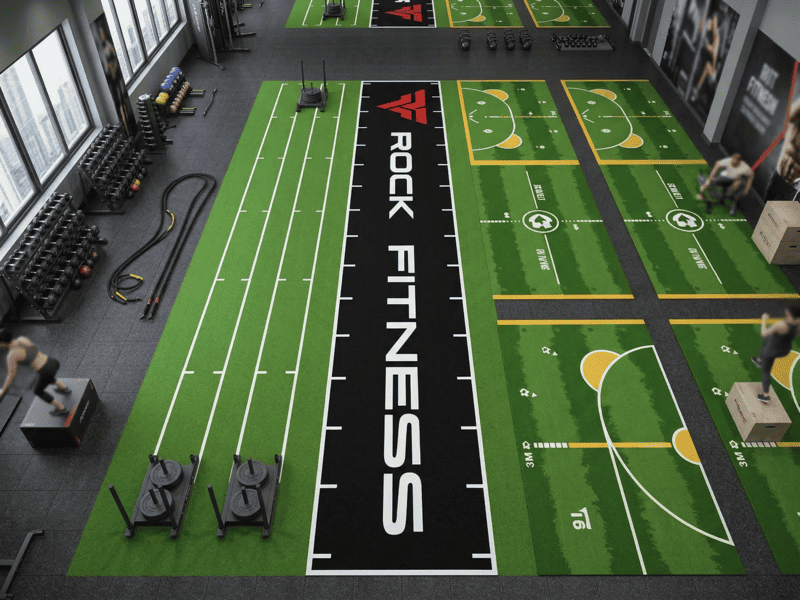
Understanding the science of friction helps you choose the right gear to stay safe while you push your limits in the gym.
What is the best gear to prevent skin abrasions?
The best gear for preventing turf burns is high-denier compression clothing made of nylon or spandex blends. These materials provide a smooth surface that allows the turf fibers to slide past without catching. Adding specialized turf tape to joints provides an extra layer of mechanical protection.
When you choose gear, look for "sliding shorts" or compression sleeves. These are technical tools, not just fashion. From a manufacturing view, these fabrics have a very low friction coefficient. I suggest using socks that cover the ankle bone, as this is a prime spot for "turf bites" during lateral drills. If you use indoor flats instead of turf-specific shoes, you might skid more, which increases the chance of a fall and a subsequent burn.
| Gear Type | Technical Benefit | Best Use Case |
|---|---|---|
| Compression Leggings | Reduces surface tension on legs | Sled pushes and sprints |
| Turf Tape | Thick adhesive barrier for joints | Football drills and burpees |
| Anti-Chafe Balm | Creates a chemical "slick" layer | Areas where clothing ends |
| Knee Sleeves | Neoprene padding absorbs impact | High-impact plyometrics |
Cotton is a disaster on turf because it holds moisture and has a high "drag" factor. In my experience, only synthetic blends work. I often see athletes apply kinesiology tape (turf tape) to their forearms and shins. This is a very smart move. The tape is designed to stay on even during heavy sweat and acts as a tough barrier. If you slide, the turf tears the tape instead of your skin. It is a simple, effective way to protect high-impact zones.
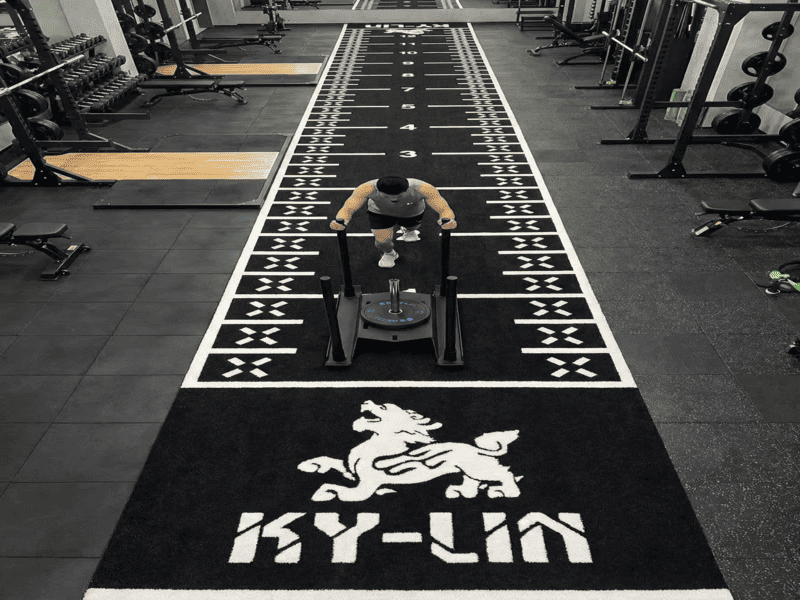
Using the right gear is the most effective way to protect yourself, but you also need to know how to move and how to treat a burn if one occurs.
How should you treat a turf burn to avoid infection?
Clean the wound immediately with saline or mild soap to remove plastic micro-fibers and bacteria. Do not let the wound "air out." Use a hydrocolloid bandage to keep the area moist, which speeds up cell regeneration and prevents the bandage from sticking to the raw tissue.
The real danger of a turf burn is the risk of infection. Gym turf can harbor bacteria like Staph or MRSA if not cleaned daily. When you get a burn, the first step is to flush it. You need to get any tiny plastic fragments out of the wound right away. I have seen how "dry healing" causes thick scabs that crack and bleed when you try to work out the next day, which slows down your progress significantly.
| Treatment Step | Action | Technical Reason |
|---|---|---|
| Irrigation | Flush with saline/water | Removes debris and pathogens |
| Disinfection | Apply antibiotic ointment | Prevents bacterial growth (MRSA) |
| Dressing | Hydrocolloid bandage | Promotes moist wound healing |
| Monitoring | Check for heat or swelling | Early detection of infection |
A hydrocolloid bandage creates a gel-like environment that mimics the natural function of the skin. If you are an athlete who needs to get back to training quickly, this is the only way to go. It protects the raw nerve endings from the air, which stops the stinging feeling almost instantly. I always tell my team that a well-managed wound is a minor inconvenience, but a neglected one can lead to weeks of missed training. Keep a "turf kit" in your gym bag to act fast.
The risk of a burn will never be zero, but with the right cleaning and healing protocol, you can get back to the turf in no time.
Conclusion
Prevent turf burns by using compression gear, friction balms, and proper cleaning techniques to ensure 100% skin safety.
Need more technical advice on gym turf installation or maintenance? Feel free to send me a private message!