


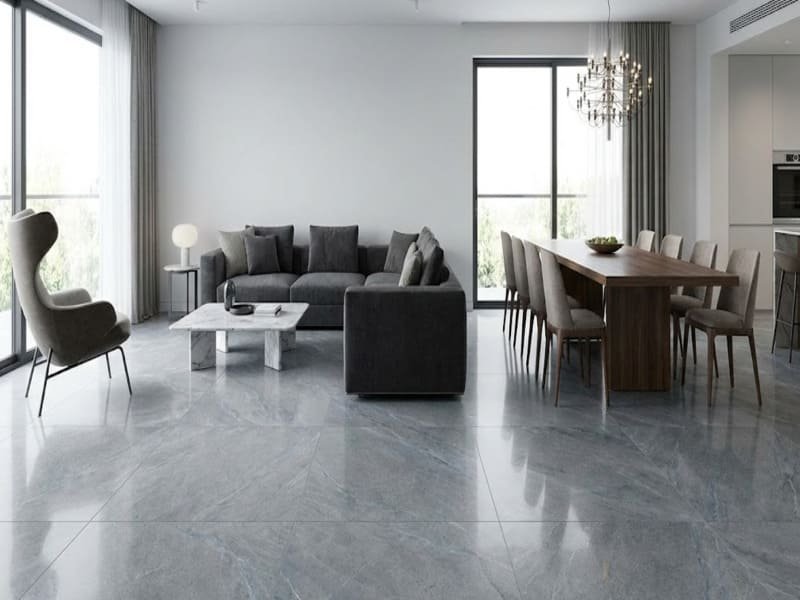
PVC flooring offers a cost-effective, warmer, and DIY-friendly alternative with excellent water resistance, while ceramic tiles provide unmatched durability, lifespan, and higher resale value. Your choice depends on whether you prioritize comfort and budget (PVC) or longevity and authentic aesthetics (Ceramic).
⏱️ 10-Second Quick Summary (TL;DR)
If you’re in a rush, here’s your cheat sheet:
- Need maximum durability? → Ceramic Tiles
- Want warmth & comfort? → PVC Flooring
- On a tight budget? → PVC Flooring
- Want higher home resale value? → Ceramic Tiles
- Planning DIY installation? → PVC Flooring
🧠 Quick Decision Tree: Which One Do You Need?
Use this simple logic flow:
1. Is this for a shower floor or wet room?
→ Yes → Ceramic/Porcelain Tile
→ No → Next
2. Is the subfloor uneven or prone to shifting (e.g., basement)?
→ Yes → PVC (Floating SPC)
→ No → Next
3. Do you prefer warm feet and quiet steps over an “authentic stone” feel?
→ Yes → PVC Flooring
→ No → Ceramic Tile
4. Are you installing it yourself?
→ Yes → PVC
→ No → Both are options
Understanding the Contenders: What Are They?
PVC Flooring (SPC/LVT)
PVC flooring is a modern synthetic composite made from polyvinyl chloride layers, often supported by a rigid stone-plastic core (SPC). It offers:
- Flexibility
- High comfort
- Strong water resistance
- DIY-friendly installation
This is not the cheap sheet vinyl of the 1980s—SPC is engineered with limestone powder and stabilizers for excellent stability.
Ceramic & Porcelain Tile
Ceramic tiles are natural clay materials fired at high temperatures.
Porcelain is a denser, harder version fired at 1200°C+, offering:
- High rigidity
- Extreme durability
- Excellent water resistance
- Lifetime longevity
While PVC relies on layered engineering, ceramic depends on thermal transformation.

The Showdown: Detailed Feature Comparison
1. Appearance & Aesthetics
- Ceramic: Authentic, premium stone/wood look, structured by grout lines
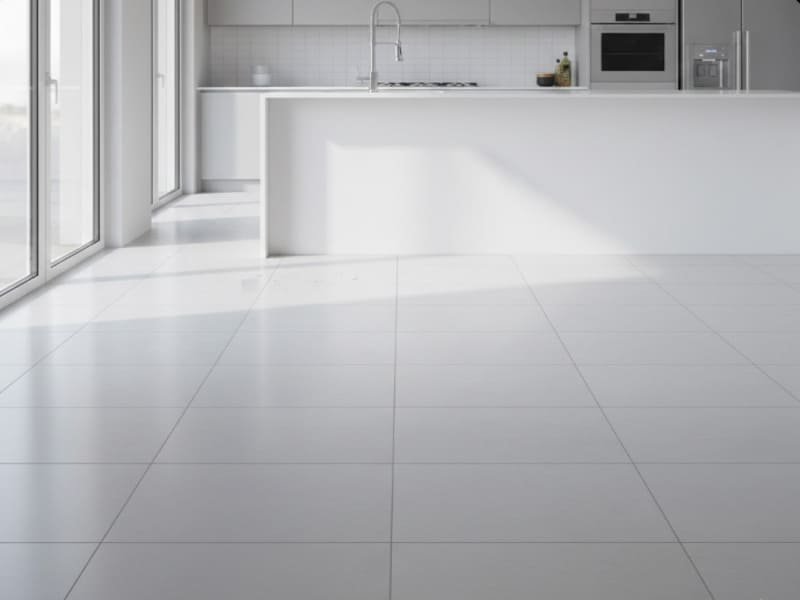
- PVC: High-definition printed designs; seamless installation with no grout
Modern PVC printing is so realistic that it’s difficult to distinguish from real materials without touching.
2. Durability & Lifespan
- Ceramic: 50+ years, scratch-proof, UV-stable
- PVC: 10–20 years; highly durable but can dent or fade under strong sunlight
3. Water Resistance
- Ceramic: 100% waterproof tile; grout absorbs moisture unless sealed
- PVC (SPC/LVT): 100% waterproof material; avoid cheap peel-and-stick types
4. Comfort & Sound
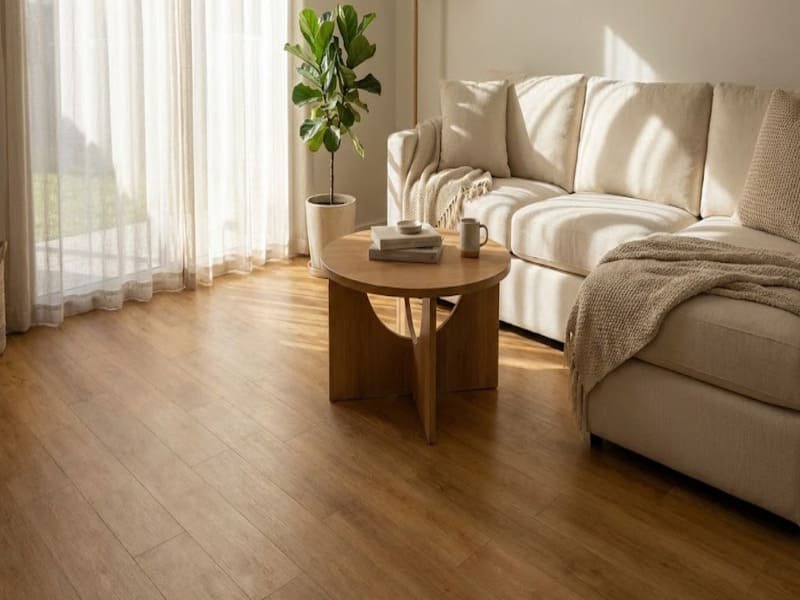
- PVC: Warm, soft, quiet, better for kids & elderly
- Ceramic: Hard, cold, noisy—but great for hot climates
5. Installation
- PVC: True DIY click-lock system
- Ceramic: Requires mortar, grout, and professional installation
Cost Breakdown: Initial Price vs Long-Term Value
Material Cost
- Cheap ceramic can be cheaper than premium PVC
- High-end LVT can cost more than basic tile
Installation Cost
- Ceramic: High labor cost + tools (mortar, grout, spacers, saws)
- PVC: Nearly zero labor (DIY) or low labor cost
Resale Value
- Ceramic adds permanent home value
- PVC offers better ROI for rentals, basements, and budget homes
Maintenance and Cleaning
PVC Flooring
- Sweep + damp mop
- No sealing
- No grout
- No special chemicals
Ceramic Tile
- Easy to wipe
- Grout lines require scrubbing
- Needs sealing every 1–2 years
A good rule I tell clients:
👉 “You clean vinyl; you maintain tile.”
Room-by-Room Verdict: Where Each Material Performs Best
Bathrooms & Showers
- Ceramic wins
PVC cannot be used in shower areas.
Kitchens
- Tie
Ceramic handles hot grease better; PVC is softer on feet and safer for breakage.
Living Rooms & Bedrooms
- PVC wins
Warm, quiet, soft, and more comfortable.
Basements
- PVC wins
Ceramic cracks if the foundation shifts; floating PVC flexes safely.
Safety and Environmental Considerations
Ceramic Tile
- 100% natural
- Zero VOCs
- Lasts forever
- Eco-friendly
PVC Flooring
- Safe when phthalate-free
- Look for FloorScore® or GreenGuard Gold certification
- Lightweight → lower transport emissions
- Contains recycled SPC core options
Summary Pros & Cons Table
| Feature | PVC Flooring (SPC/LVT) | Ceramic Tiles |
|---|---|---|
| Best For | DIYers, Kids, Basements, Tight Budgets | Luxury Homes, Showers, Long-Term Value |
| Installed Price | 💰 Low ($3–$6/sq ft) | 💰💰💰 High ($8–$15+/sq ft) |
| Comfort | 🦶 Warm & Quiet | ❄️ Cold & Hard |
| Durability | ⭐⭐⭐⭐ High (Dent Risk) | ⭐⭐⭐⭐⭐ Extreme (Crack Risk) |
| Maintenance | 🧹 Easy | 🧽 Grout Scrubbing |
| Lifespan | 10–20 years | 50–70+ years |
Conclusion: Which One Is the Winner?
Choose Ceramic Tiles IF:
- You want a permanent, lifetime solution
- You prefer authentic stone aesthetics
- You want to maximize resale value
- You don’t mind higher installation cost
Choose PVC Flooring IF:
- You want a budget-friendly renovation
- You prefer warmth, softness, and quiet
- You want DIY installation
- You’re renovating basements, bedrooms, rentals
Frequently Asked Questions (FAQ)
Which lasts longer: PVC or ceramic tile?
Ceramic lasts 50–70+ years; PVC lasts 15–25 years.
Is PVC flooring good for hot climates?
Ceramic is better for cooling. PVC is stable if SPC core is used, but avoid strong direct sunlight.
Does PVC flooring reduce home resale value?
PVC increases value in mid-range homes but not in luxury markets where tile is expected.
Can I install PVC over ceramic tiles?
Yes—if tiles are flat and grout lines are shallow.
Still unsure which floor is right for your project?
My team at Meettfit specializes in high-performance SPC vinyl and premium ceramic solutions.
We can help you evaluate your space and recommend the best option.
👉 [Book a Free Flooring Consultation]
👉 [Order Free Samples Today]