


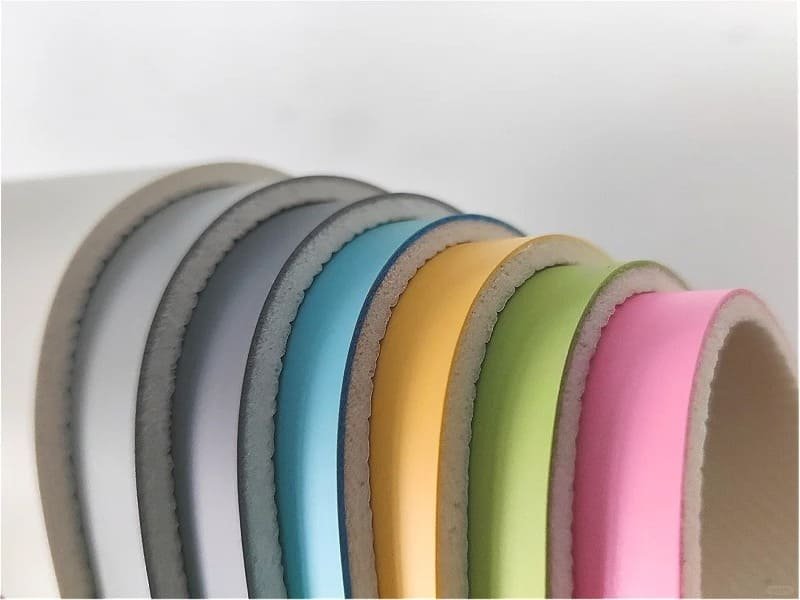
PVC sports flooring improves athlete safety by combining high-density shock absorption, controlled surface friction, and optimal vertical deformation to minimize impact injuries and slips.
As a production process engineer who designs and optimizes sports flooring, I know that sports surfaces require precise engineering. In sports, a fraction of a second or a millimeter of slip can make the difference between a championship play and a career-ending injury. Traditional hard floors like bare concrete or poorly maintained wood subject athletes’ joints to severe impact, and this leads to acute injuries and chronic fatigue. This is why PVC (polyvinyl chloride) sports flooring has become the global standard for indoor athletic facilities. By engineered shock absorption, controlled surface friction, and advanced vertical deformation, PVC sports flooring provides a scientifically proven, multi-layered protective shield that minimizes athlete injuries and maximizes performance. During my years optimizing extrusion and foaming lines, I have seen how small changes in manufacturing alter physical performance on the court.
We must look closely at how modern synthetic polymer chemistry solves these mechanical problems. When an athlete lands from a jump, the floor must manage kinetic energy instantly. If the floor is too rigid, that energy transfers back into the skeletal system. If it is too soft, it reduces athletic power and increases muscle strain. Through precise control of raw material formulation, we can balance these forces perfectly to protect users.
How Does the Multi-Layer Structure of PVC Sports Flooring Protect Athletes?
The multi-layer structure protects athletes by using specific functional layers that deliver grip, stability, and impact cushioning across the entire floor surface.
| Layer Name | Material Composition | Primary Safety Function |
|---|---|---|
| Surface Treatment | PUR / UV Cured Coating | Anti-slip, scratch resistance, prevention of skin friction burns |
| Wear Layer | 100% Pure Transparent PVC | Long-term traction retention, wear resistance under heavy traffic |
| Stabilization Layer | Woven Fiberglass Mesh | Prevents thermal expansion and warping to eliminate tripping hazards |
| Foam Backing | Closed-cell High-density PVC Foam | Continuous shock absorption and force reduction |
Buyers need to know why it works, not just that it works. As an engineer, I design the manufacturing line to fuse these layers together under precise heat and pressure. The PUR/UV surface treatment provides anti-slip protection, easy cleaning, and prevention of friction burns during falls. Directly beneath, the wear layer ensures consistent grip and texture over years of heavy traffic, which prevents the floor from becoming slick over time. We add a fiberglass stabilization layer in the middle because it prevents expanding, shrinking, or warping, ensuring a perfectly flat playing surface free of tripping hazards. Finally, the high-density PVC foam backing acts as the core safety engine. This closed-cell foam technology contains millions of micro-bubbles that compress under load, acting as a continuous shock absorber for the athlete.

This structural integration is critical for long-term product reliability. If a manufacturer uses low-quality plasticizers or incorrect line speeds, these layers can separate over time. Delamination creates hidden air pockets under the surface, which causes uneven footing and increases injury risks. Our engineering focus is on perfect thermal bonding so that the entire system functions as a single protective unit.
What Are the Three Core Safety Mechanisms of PVC Sports Flooring?
The three core safety mechanisms are shock absorption for joint protection, vertical deformation for stability, and sliding coefficient control for optimal surface grip.
| Core Safety Mechanism | Industry Testing Standard | Target Performance Metric |
|---|---|---|
| Shock Absorption | EN 14904 (Class P1 / P2 / P3) | 25% to over 45% force reduction |
| Vertical Deformation | EN 14904 Standard | 0.6 mm to 5.0 mm maximum give |
| Sliding Coefficient | EN 14904 Friction Test | 80 to 110 value range |
Let us look at the science of protection. Shock absorption represents the percentage of impact energy absorbed by the floor rather than the body. It protects the knees, ankles, and spine from repetitive impact and complies with EN 14904 standards. For example, a Class P1 floor offers 25% to 35% force reduction, while a Class P3 floor offers over 45%. Vertical deformation addresses the common pain point: "Is the floor too soft that it sprains ankles?" Our engineering optimization creates an optimal vertical give between 0.6 mm and 5.0 mm that protects joints without compromising foot stability or power transfer. Lastly, the sliding coefficient must maintain a perfect balance between 80 and 110. This exact range prevents sudden slips when the floor is too slick, and it avoids ankle or knee twisting caused by too much grip during fast pivots.
Understanding Force Reduction Dynamics
From a manufacturing perspective, achieving a consistent shock absorption value requires strict density control in the foaming oven. If the oven temperature varies by even 2 degrees Celsius, the cell structure of the PVC foam changes. This variance alters the mechanical response of the floor, which creates dangerous "hard spots" on the playing court.
Engineering the Sliding Friction Coefficient
The surface texture is embossed during the hot calendering process. We use specialized steel rollers to press specific patterns like maple grain, litchi texture, or sand texture into the wear layer. These textures are calculated to maintain a stable friction coefficient under both dry conditions and when covered in athlete sweat.
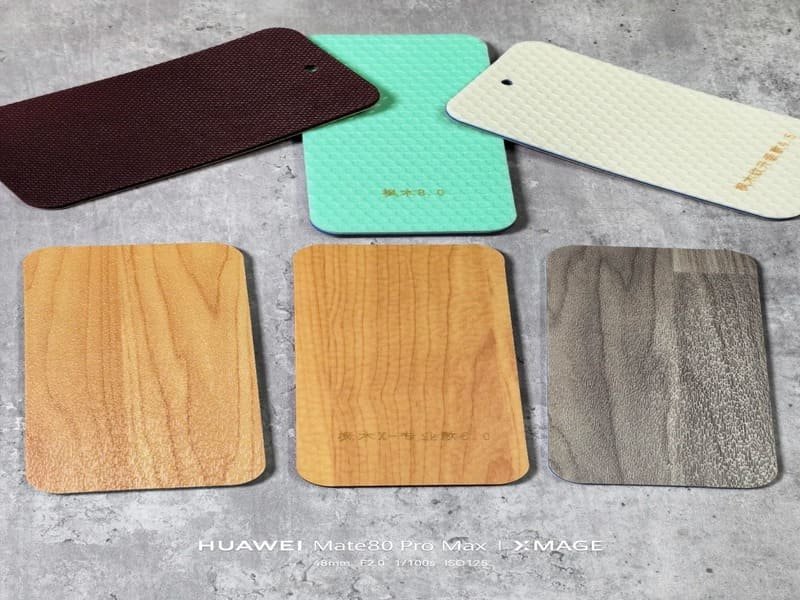
Understanding these technical metrics helps facility owners make data-driven decisions. If you select a floor without verifying these certified values, you risk installing a surface that looks professional but fails to protect users during high-intensity sports activities.
What Specific Athlete Injuries Does PVC Sports Flooring Prevent?
PVC sports flooring prevents acute impact injuries, joint strains, ligament tears, chronic overuse syndromes, and painful friction skin burns during active play.
| Injury Category | Specific Conditions Prevented | How PVC Technology Solves It |
|---|---|---|
| Acute Impact | Concussions, severe body bruising | Closed-cell foam absorbs high-velocity impact energy |
| Joint & Ligament | ACL tears, MCL tears, ankle sprains | Controlled friction prevents foot trapping during pivots |
| Chronic Overuse | Shin splints, plantar fasciitis, back pain | Continuous cushioning reduces cumulative skeletal stress |
| Skin Abrasions | Floor burns, friction scrapes | Specialized PUR surface coating minimizes friction heat |
We can map these technical properties directly to real-world athlete pain points. Acute impact injuries like head injuries, concussions, and severe bruising from accidental falls are reduced because the foam backing deforms to cushion the body. Joint and ligament strains see a big reduction, especially ACL or MCL tears and sprained ankles during high-speed directional changes in basketball and badminton. Chronic overuse injuries like shin splints, plantar fasciitis, and lower back pain disappear because athletes do not train on unforgiving surfaces. Furthermore, our high-quality PVC formulation eliminates the "floor burns" and skin abrasions common on cheap plastic or rough rubber surfaces. During my work developing custom sports surfaces, clients often tell me that their athlete injury rates dropped significantly after upgrading to engineered PVC.

This preventative performance is why professional athletic programs mandate specific flooring standards. Hard wood floors can rot or crack, creating localized dead zones that cause unpredictable ball bounce and foot slippage. A uniform PVC roll product ensures that every square meter of the facility provides the exact same safety characteristics for the user.
How Do Safety Requirements Change Across Different Sporting Applications?
Safety requirements change by demanding specific shock absorption levels for high jumping sports and precise multi-directional surface grip for fast lateral movement.
| Sport Application | Primary Safety Priority | Key Technical Specification Requirement |
|---|---|---|
| Basketball & Volleyball | Shock absorption and ball rebound | Class P2 or P3 backing with 90% minimum ball bounce |
| Badminton & Table Tennis | Multi-directional lateral grip | Embossed micro-texture with high friction stability |
| Multi-Purpose Gyms | Indentation resistance and safety | Combined thick wear layer with high-density stabilization |
We must tailor our production line setup to different sports. Basketball and volleyball involve high vertical jumps, so they require superior shock absorption upon landing and excellent ball rebound uniformity. For these applications, we manufacture a thicker backing with specific elasticity. Badminton and table tennis require rapid lateral footwork, which demands perfect multi-directional grip to prevent groin and ankle strains. In these floors, we emboss a deep sand or cloth texture. Multi-purpose gyms in schools or community centers must balance athletic safety with the ability to withstand heavy rolling loads like tables, chairs, and bleachers without tearing. To solve this design challenge, we increase the density of the stabilization layer to distribute weight without losing the protective cushioning underneath.
Choosing a single flooring type for a multi-sport facility involves careful engineering compromises. If you choose a floor optimized only for lateral grip, it might lack the impact protection needed for volleyball players landing from high jumps. We work closely with product developers to adjust the foam-to-solid ratio to match the specific needs of the facility.
What Hidden Safety Factors Exist Regarding Hygiene and Indoor Air Quality?
The hidden safety factors include antimicrobial resistance to stop bacteria growth and low volatile organic compound emissions to preserve clean indoor air.
| Safety Factor | Hazard Targeted | Technical Solution / Certification |
|---|---|---|
| Microbial Safety | Staphylococcus, sweat bacteria, fungi | Biocidal additives infused during resin mixing |
| Air Quality | Volatile Organic Compounds (VOCs), Phthalates | Phthalate-free plasticizers, FloorScore certification |
There are critical safety factors that buyers often miss because they are invisible. Antimicrobial and antibacterial properties are necessary for preventing the growth of sweat-born bacteria, fungi, and staphylococcus in damp locker room or gym environments. We incorporate specialized antimicrobial treatments directly into the PVC formulation during the liquid mixing phase so the protection lasts for life. VOC emissions and eco-friendliness are also vital. We focus on choosing phthalate-free, low-VOC PVC flooring to protect athletes’ respiratory health during intense cardio training. When athletes breathe deeply during heavy exercise, they inhale more indoor air. If the floor off-gasses harmful chemicals, it creates long-term health risks that compromise facility safety just as much as a slippery surface.

As an engineer, I make sure our raw material procurement avoids cheap recycled plastic scrap that contains heavy metals or hazardous chemicals. We utilize clean, traceable virgin resin and eco-friendly plasticizers. This strict quality control ensures that the finished product meets clean air certifications like FloorScore or indoor air emission standards.
How Does PVC Contrast with Alternative Flooring Materials on Safety and Cost?
PVC excels against alternative materials by providing completely uniform safety performance, lower hygiene risks, and simpler maintenance without losing slip resistance.
| Flooring Type | Shock Absorption Consistency | Slip Resistance Over Time | Maintenance Requirement |
|---|---|---|---|
| Engineered PVC | Completely uniform, no dead spots | Stable for 10+ years with simple cleaning | Low (No waxing or sanding required) |
| Natural Hardwood | Variable due to subfloor joists | Becomes slick as polyurethane wear layer degrades | High (Requires periodic sanding and resealing) |
| Recycled Rubber | Inconsistent across porous sections | Rough texture can cause severe skin abrasions | Medium (Porous structure traps sweat and bacteria) |
Let us look at this from a commercial perspective to overcome buyer skepticism. When you compare PVC vs. wood vs. rubber, PVC wins on uniform safety because it has no dead spots like wood and offers better hygiene than porous recycled rubber. Long-term safety maintenance is another major benefit. Simple maintenance without waxing ensures the floor retains its anti-slip properties for more than 10 years. Traditional wood floors require constant resealing to stay safe, which increases operating costs. From an investment standpoint, the ROI of safety is clear. Investing in premium PVC flooring reduces facility liability, lowers insurance risks, and attracts elite athletes or club members who want a safe training space.
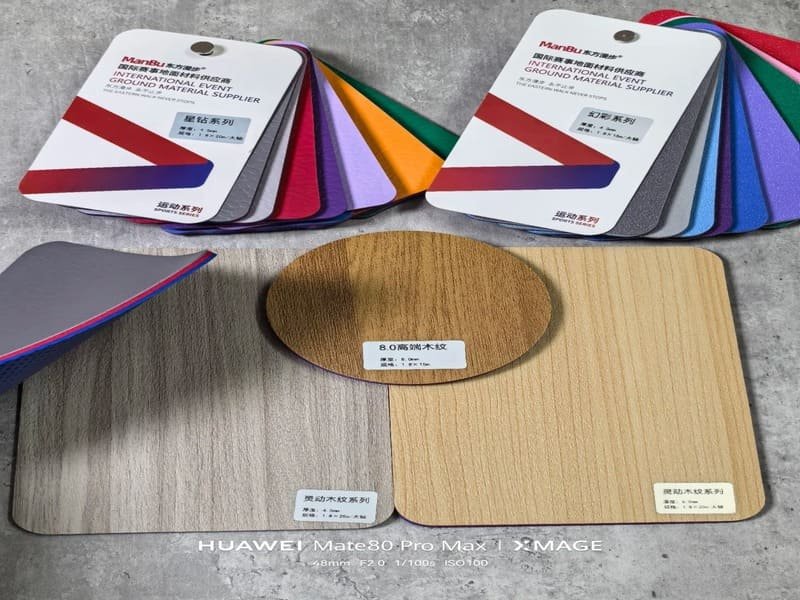
Many clients focus only on the initial purchase price without calculating long-term operational safety costs. A cheaper floor that becomes slippery after two years of use creates huge legal liability risks for a commercial gym. Choosing a product engineered with a thick wear layer and a factory-applied UV coating protects your business from future safety issues.
Conclusion
Engineered PVC sports flooring delivers uniform shock absorption, certified friction control, and hygienic safety to protect athletes from both acute injuries and chronic physical fatigue.
Actionable Checklist for Buyers
- Check for EN 14904 Certification: Ensure the test report is issued by an independent laboratory and states the specific performance class (P1, P2, or P3).
- Verify Thickness Ratios: Do not just look at total thickness. Check the wear layer thickness (e.g., 1.2 mm or 1.5 mm) to ensure the anti-slip texture lasts.
- Request VOC Verification: Demand phthalate-free test reports and low-VOC certificates to protect indoor air quality in your gym.
If you are currently designing an indoor sports facility or upgrading your gym flooring, you need custom engineering data to make the right choice. 私信我 (Send me a private message) today to get detailed technical specifications, factory-direct pricing, or a free sample kit tailored to your specific sporting application!