


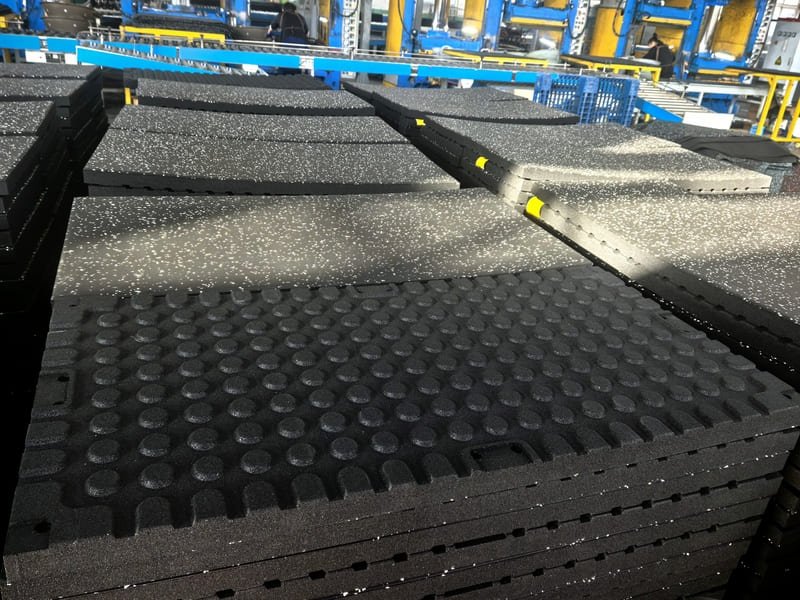
You should never use bleach on gym mats.
Bleach is a strong oxidizer that chemically attacks the Polyurethane (PU) binder holding the rubber granules together. Over time, this causes the floor to become brittle, crumble, crack, and lose its color. Furthermore, bleach leaves a residue that creates a slippery surface when wet, posing a significant safety risk to athletes.
Buying premium rubber gym flooring is a significant financial investment, not just a cosmetic purchase. To protect this asset, you must understand that harsh chemicals like bleach break down the rubber compounds, leading to premature aging and safety hazards.
As a Production Manager who has overseen the manufacturing of thousands of square meters of rubber flooring, I see a common tragedy: high-quality mats ruined within a year due to improper care. Unlike general cleaning companies, I understand the chemistry of what sits under your feet. Most gym flooring consists of recycled SBR rubber crumbs bonded together with a Polyurethane (PU) binder, often topped with an EPDM wear layer. When you look at your floor, you see a surface; I see a complex chemical bond. My goal in this guide is to help you stop thinking like a janitor and start thinking like an engineer. By understanding the material properties—whether vulcanized or bonded—you can extend the lifespan of your floor, prevent the dreaded "crumbling," and ensure the surface remains safe for athletes lifting heavy weights.
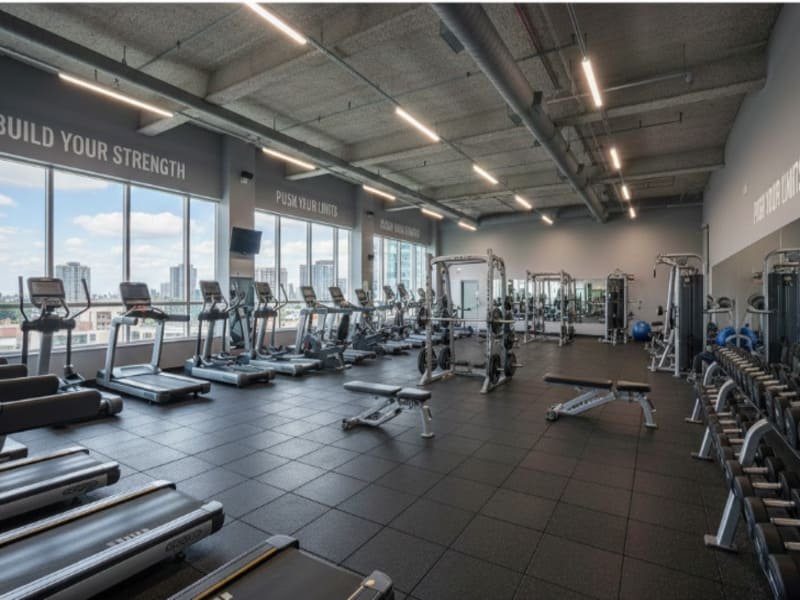
Now that we have established the "No Bleach" rule, let’s look at the very first step you must take after the truck unloads your order.
What to Do Immediately After Installation?
You must perform an initial "break-in" wash to remove the factory protective film and silicone release agents. This critical step prevents the floor from being slippery and accelerates the dissipation of the natural rubber scent.
In the factory, we use specific release agents to ensure the rubber mats detach cleanly from the heavy steel molds during the production process. If you skip the initial wash, you are essentially leaving a thin, invisible layer of oil on your floor. I have received calls from gym owners complaining that their new floor is "too slippery." In almost every case, they skipped the initial cleaning. Furthermore, fresh rubber has a distinct smell due to the off-gassing of the sulfur used in vulcanization or the binders used in compression. This is normal. To fix both issues, open all windows for ventilation. Then, mix a mild, pH-neutral soap with warm water. Mop the floor gently but thoroughly. Do not flood it. This simple act removes the factory residue and helps the rubber "breathe," reducing that new-car smell much faster than air fresheners ever could.
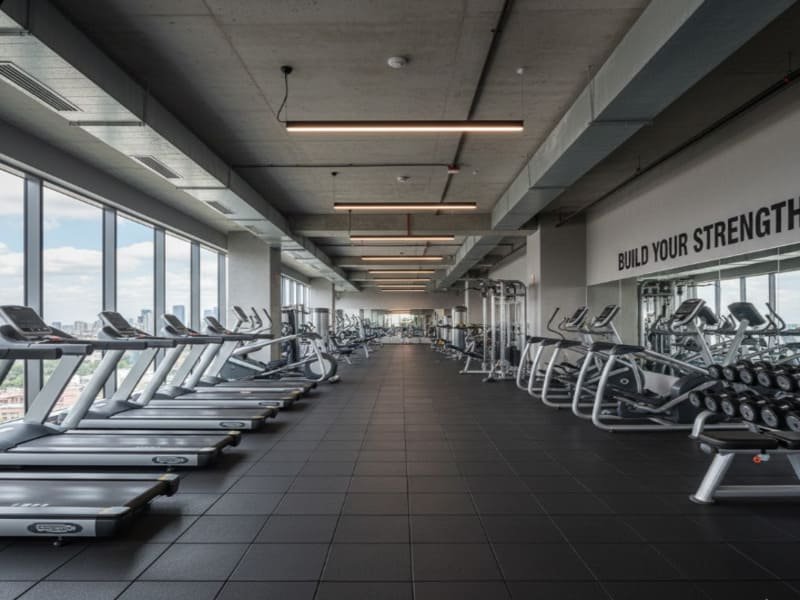
Once your floor is prepped, you need to ensure you are using the correct equipment for your specific flooring type.
Does the Type of Flooring Dictate the Tools?
Yes, the cleaning method depends entirely on whether you have continuous rubber rolls or interlocking tiles. Rolls can handle machine scrubbers, while tiles require careful damp mopping to prevent water from seeping through the seams and rotting the subfloor.
From a structural standpoint, deciding are rolls better than tiles for gym flooring is the first step, as they behave very differently during maintenance. Rubber rolls typically have fewer seams and are often glued down, creating a semi-sealed surface. This allows you to use auto-scrubbers (machines that wash and vacuum water simultaneously) with relative safety. However, if you have interlocking tiles, they work like a puzzle. There are thousands of tiny gaps. If you use a soaking wet mop or a heavy water machine, the water will go through the seams. It gets trapped between the rubber and the concrete subfloor. Since rubber does not breathe well from the bottom, this trapped moisture becomes a breeding ground for mold and bacteria. This is why I always tell my clients with tiles: "Damp mop only." Also, never use tools with steel wool or hard bristles. Our EPDM surface layer is durable, but abrasive metal will scratch it, making the floor look dull and trapping dirt.
With the right tools in hand, we can now establish a routine that keeps the facility hygienic without damaging the material.
What Is the Ideal Maintenance Schedule for High-Traffic Gyms?
You should vacuum daily to remove abrasive grit and magnesium chalk, and damp mop weekly with a pH-neutral cleaner to sanitize sweat. This routine prevents dirt from grinding into the surface like sandpaper.
In a busy gym, the two biggest enemies of rubber flooring are invisible to the naked eye until it is too late: fine grit and sweat. Think of dirt and sand as tiny razor blades. If you walk on them repeatedly, they cut into the rubber surface, causing it to look worn and gray. This is why daily vacuuming (using suction only, no rotating beater bars that can scratch) is non-negotiable. I also want to address "Gym Chalk" (Magnesium Carbonate). I have seen gym owners try to mop chalk up directly. This is a mistake. Water turns chalk into a sticky paste that settles deep into the rubber pores. You must vacuum the chalk powder dry first. Then, for your weekly routine, use a damp mop with a pH-neutral cleaner. This removes the body oils and sweat that can break down the rubber over time, keeping the floor hygienic without over-wetting it.

Now, let’s address the core question: If not bleach, then what? Let’s compare the chemistry.
Which Cleaning Products Will Destroy Your Rubber Floor?
You must strictly avoid bleach, acidic cleaners, and oil-based soaps because they attack the PU binder "glue" inside the mat. Instead, use pH-neutral cleaners or mild dish soap that clean without degrading the chemical bonds.
To make this crystal clear, I have created a comparison table. This isn’t just a list of preferences; it is based on how these chemicals react with the SBR rubber and Polyurethane binder we use in manufacturing.
The "Safe vs. Unsafe" Cheat Sheet
| Cleaner Type | Safe for Rubber? | Why? (The Chemical Reality) |
|---|---|---|
| Bleach | ❌ NEVER | Strong oxidizer. Eats away the PU binder, causing mats to crumble and fade. |
| Vinegar | ❌ NEVER | Acidic (pH ~2.5). Breaks down the glue bond over time; dries out rubber. |
| Oil Soap (e.g., Murphy’s) | ❌ NEVER | Leaves an oily residue. Makes the floor slippery (unsafe) and attracts more dirt. |
| Solvent/Thinner | ❌ NEVER | Dissolves the surface layer immediately. Causes permanent damage. |
| pH-Neutral Cleaner | ✅ YES | Balanced pH (7). Cleans dirt without reacting with the rubber chemistry. |
| Mild Dish Soap | ✅ YES | Gentle surfactant. Good for cutting grease/sweat without harsh abrasives. |
| Enzymatic Cleaner | ✅ YES | Uses enzymes to eat organic matter (sweat/bacteria) without chemicals. |
When you use acidic cleaners or strong oxidizers like bleach, you are chemically attacking the "glue" that holds your floor together. Over time, the binder fails. This is when you see "crumbling"—where little black pieces of rubber start coming off on your shoes. It is not a manufacturing defect; it is chemical damage. Stick to the "Green" column above to protect your warranty and your athletes.

Even with the best care, problems can arise. Here is how to handle common issues without panicking.
How Do I Fix Common Rubber Flooring Issues?
You can resolve most common issues like sticky residues, white hazing, or scuff marks by identifying the root cause—usually excess soap or hard water—and using simple, targeted removal techniques found in the table below.
As a production manager, I handle technical inquiries daily. The three most common complaints I hear are stickiness, white stains, and scuff marks. Stickiness is almost always caused by using too much soap and not rinsing the mop bucket often enough. The soap dries on the floor and acts like a magnet for dirt. The white haze is usually calcium from hard water or salt tracked in from outside. Scuff marks are simply transfer from shoe soles. Here is a breakdown of how to fix these issues safely:
| Issue | Likely Cause | The Fix |
|---|---|---|
| Sticky / Tacky Floor | Too much detergent used; soap residue left behind. | Mop with plain, warm water multiple times to rinse the soap out. |
| White Haze / Spots | Hard water deposits or salt residue. | Add a water softener to your mop bucket or use distilled water for a final rinse. |
| Black Scuff Marks | Rubber soles dragging on the floor. | Rub gently with a tennis ball on a stick or use a soft white eraser. Do not scrub hard. |
To wrap up, let’s address a few specific questions that I often get asked by facility managers.
Frequently Asked Questions About Rubber Floor Maintenance?
Common questions regarding power washing, vinegar usage, and artificial shine all have simple answers based on material science: avoid high pressure, avoid acids, and prioritize matte safety over artificial gloss.
Can I power wash my rubber mats?
If the mats are indoors, absolutely not. You will flood the facility. If you have removable mats and take them outside, you can use a pressure washer, but keep the PSI low (under 500 PSI) and use a wide fan tip. High pressure can cut right through the rubber granules.
Is vinegar safe for rubber flooring?
No. Many blogs recommend vinegar as a "natural" cleaner, but it is an acid. As I mentioned earlier, acid degrades the PU binder over time. Stick to pH-neutral cleaners specifically designed for rubber.
How do I make my gym floor shine?
You don’t. Rubber is naturally matte. If you apply a wax or sealer to make it shiny, you are creating a slip hazard. In a gym, friction is your friend. A clean, matte floor is a safe floor.

Conclusion
Proper maintenance is not just about cleanliness; it is about preserving the engineering integrity of your floor. Understanding how thick are gym mats in your facility also helps determine the right maintenance intensity to ensure safety and longevity for your investment. By avoiding harsh chemicals and following a simple routine, you ensure safety and longevity for your investment.
If you are unsure if your current flooring is up to standard, or if you need a recommendation for a specific application, feel free to contact my team. We are happy to share our expertise or provide a quote for your next project.