


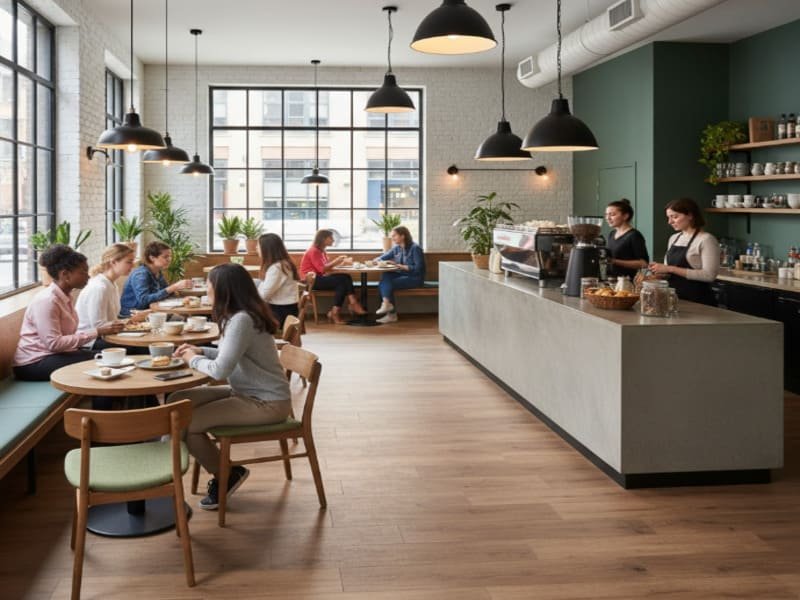
PVC flooring is revolutionizing interiors by combining the visual warmth of natural wood with the engineering resilience of stone, solving traditional flooring failures through advanced multi-layer construction.
It solves traditional flooring failures—like water damage and wear—through advanced multi-layer construction, offering a high-end aesthetic that is waterproof, durable, and surprisingly affordable.
To truly understand this revolution, we must look beyond the surface and into the engineering of the product. As a process engineer, I’ve seen the shift from simple flexible vinyl sheets to complex Rigid Core (SPC) structures. The revolution lies in the Stone Plastic Composite (SPC) core. Unlike wood which creates gaps in winter and swells in summer due to humidity changes, the limestone-infused core of SPC is engineered for dimensional stability. It is virtually inert.
The manufacturing process involves hot pressing four to five distinct layers together. We combine a UV coating, a heavy-duty wear layer, a high-definition print film, the rigid core, and an underlayment. This isn’t just “plastic”; it’s a composite material designed to outperform natural substrates. The table below highlights the engineering differences that drive this revolution:
| Feature | Old School Sheet Vinyl | Modern Rigid Core (SPC) | Real Hardwood |
|---|---|---|---|
| Core Material | Flexible PVC | Limestone + PVC Composite | Natural Wood Fiber |
| Water Resistance | Surface only | 100% Waterproof (Core & Surface) | Susceptible to Rot/Swelling |
| Indentation Resistance | Low (Dents easily) | High (2000+ psi density) | Low to Medium |
| Dimensional Stability | Poor (Shrinks/Expands) | Excellent (Minimal movement) | Poor (Humidity dependent) |
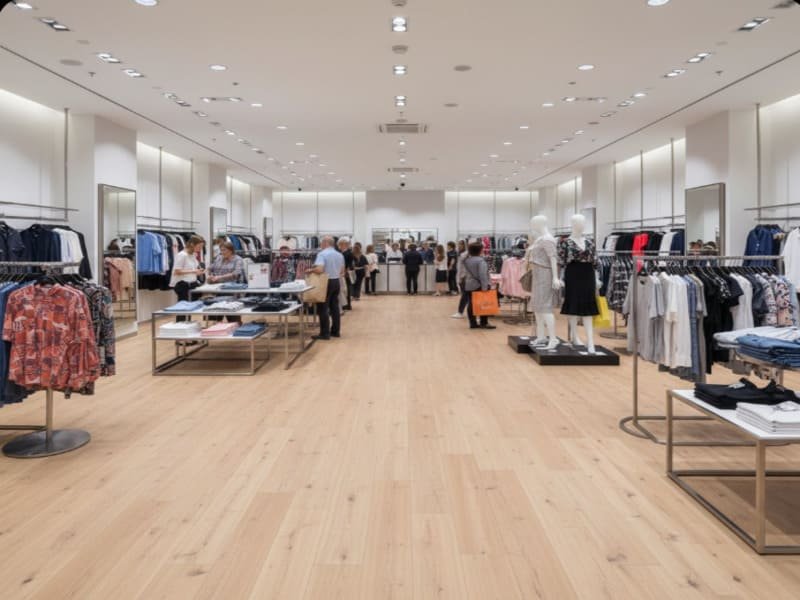
Understanding the core composition is crucial, but for most homeowners and designers, the visual appeal is just as important as the structural integrity.
Once material realism reaches this level, design decisions extend beyond the floor itself. Selecting finishes that work visually also depends on how the flooring undertone interacts with interior elements, which is why understanding how to choose the right furniture for your floor’s undertone and style becomes critical for achieving a cohesive modern space.This leads us to the next critical question about appearance.
Can modern PVC flooring genuinely mimic the look of real wood and stone?
Absolutely. Through High-Definition (HD) printing and Embossed-in-Register (EIR) technology, manufacturers can now replicate the grain patterns, color variations, and texture of natural materials with 100% accuracy, making it nearly indistinguishable from the real thing to the naked eye.
The aesthetic leap in PVC flooring is driven by two specific manufacturing technologies: HD Rotogravure Printing and EIR (Embossed-in-Register). In the factory, we use massive print cylinders laser-engraved with high-resolution images of actual timber—capturing every knot, wormhole, and grain variation. We don’t just print a pattern; we print a photograph of nature.
However, the real magic happens at the embossing station. Standard vinyl has a generic "wood tick" texture that doesn’t align with the image. EIR technology aligns the steel pressure plate perfectly with the print film. When you see a knot in the visual layer, you feel the indentation of that knot in the texture. This sensory synchronization tricks the brain into perceiving the material as authentic.
Visual Technology Comparison
| Technology Level | Description | Realism Score (1–10) |
|---|---|---|
| Level 1: Flat Print | Smooth surface, just a picture. | 3/10 |
| Level 2: Generic Emboss | Texture exists but doesn’t match the grain. | 6/10 |
| Level 3: EIR Technology | Texture perfectly traces the visual grain and knots. | 9.5/10 |
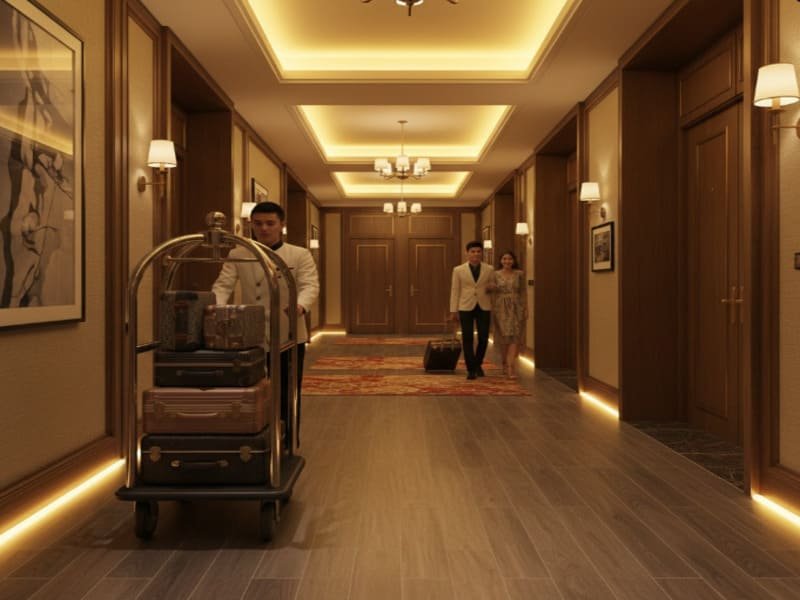
While the visual fidelity draws people in, the primary reason engineers and architects specify this material is its performance in challenging environments. Let’s examine how it handles the nemesis of wood flooring: water.
Why is the waterproof nature of SPC flooring a game-changer for wet areas?
SPC flooring eliminates the risk of water damage because its limestone-composite core is hydrophobic. Unlike wood or laminate fibers that absorb moisture and swell, SPC planks remain dimensionally stable even when submerged, making them the only viable "wood-look" option for bathrooms and basements.
In the lab, we perform strict submersion tests. We place an SPC plank in a water tank for 24 hours and measure the swelling rate. The result is consistently 0%. This is chemically impossible for wood or laminate (HDF) products, which act like sponges due to their cellulose content.
The “waterproof” claim extends beyond the core. The wear layer (usually 12mil to 28mil of clear PVC) and the UV coating provide a hermetic seal.
Water Resistance by Material
| Material | Reaction to 24hr Water Exposure | Recovery Potential |
|---|---|---|
| Solid Hardwood | Cupping, warping, permanent staining. | Low |
| Laminate | Edge swelling, joint failure. | None |
| SPC Vinyl | No change in dimension or structure. | 100% |
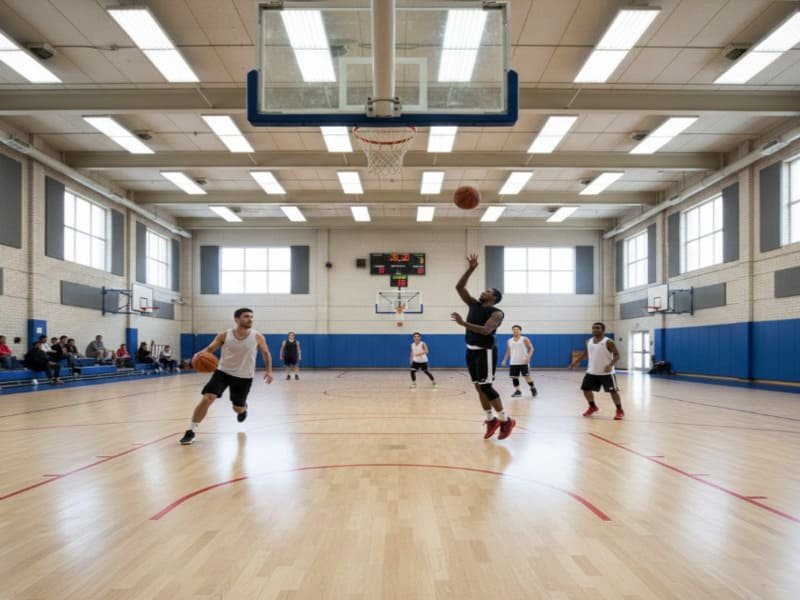
Does the installation process actually save time and money for the consumer?
Yes, the “Click-Lock” floating floor mechanism allows for rapid installation without adhesives, reducing labor time by up to 50%.
Profiling lines mill tongue-and-groove locking systems like Valinge 5G or Uniclic with precision.
Installation Method Comparison
| Feature | Glue-Down (Traditional) | Floating Click-Lock (SPC) |
|---|---|---|
| Skill Level | Professional Required | DIY Friendly |
| Subfloor Prep | Must be perfectly smooth | Forgiving of minor imperfections |
| Speed | Slow (Glue curing time) | Fast (Walk on immediately) |
| Tools Needed | Trowel, rollers, adhesive | Utility knife, tapping block, mallet |
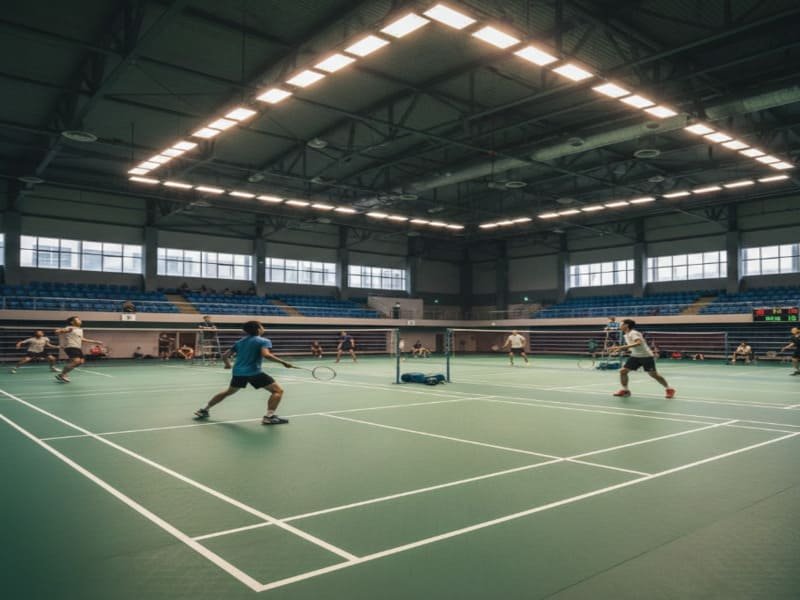
Is modern PVC flooring safe and sustainable for indoor environments?
Modern PVC flooring is certified low-VOC, phthalate-free, and safe for indoor air. Certifications like FloorScore® ensure this.
We now use calcium-zinc stabilizers, zero formaldehyde, and up to 70% natural limestone. Recycling lines reprocess SPC scraps into new planks.
Safety & Sustainability Metrics
| Concern | Old Vinyl Standard | Modern SPC Standard |
|---|---|---|
| Phthalates | Common | Phthalate-Free |
| Heavy Metals | Lead stabilizers | Calcium-Zinc |
| Formaldehyde | Present | Zero |
| Recyclability | Difficult | 100% Recyclable |
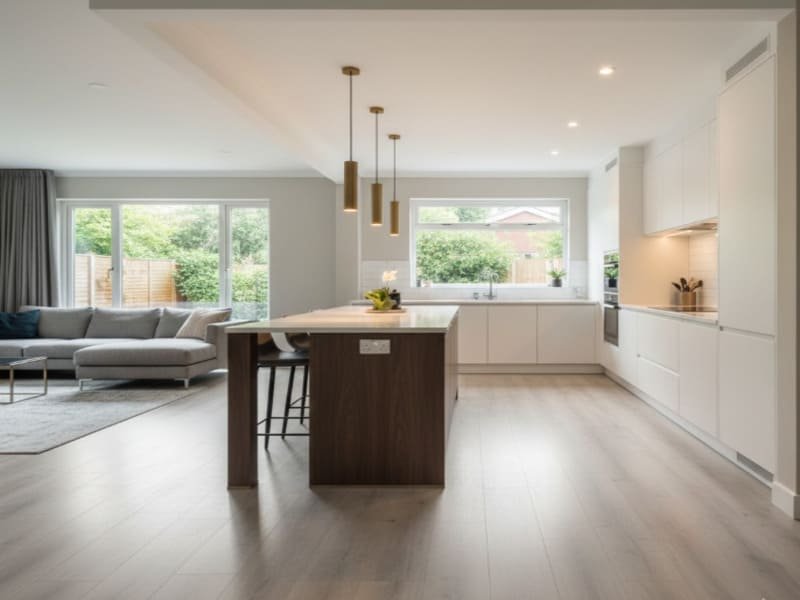
How does the total cost of ownership compare to traditional materials?
PVC flooring offers the highest ROI thanks to low installation cost and zero maintenance.
Rigid Core Vinyl: $3–$5/sq.ft.
Hardwood refinishing every 5–7 years = costly.
SPC requires no sealing, no waxing, no sanding.
10-Year Cost Projection (per 1,000 sq.ft.)
| Cost Factor | Solid Hardwood | Ceramic Tile | Premium SPC Vinyl |
|---|---|---|---|
| Material Cost | $8,000 | $3,000 | $4,000 |
| Install Labor | $4,000 | $6,000 | $2,000 |
| Maintenance | $3,000 | $1,000 | $0 |
| Total | $15,000 | $10,000 | $6,000 |

Conclusion
PVC flooring has evolved from a cheap alternative to a superior engineering solution. It offers the perfect balance of hyper-realistic aesthetics, waterproof durability, and cost-effective installation for modern living.
Ready to Experience the Revolution?
Don’t guess at the quality. Contact my team to request a Free Engineering Sample Kit.