


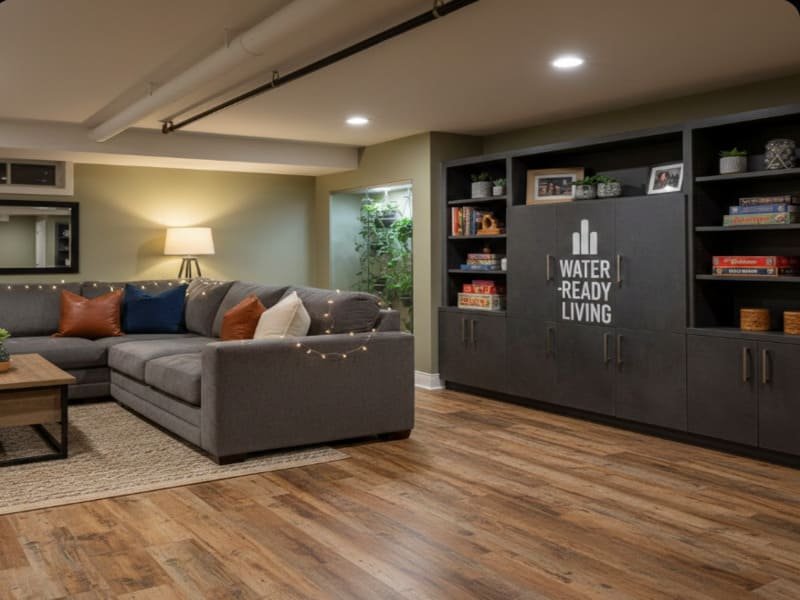
Modern vinyl flooring is the ultimate choice because its multi-layered, rigid core (SPC/WPC) guarantees 100% waterproofing and superior stability, which means it offers long-term durability and the lowest total cost of ownership.
For many years, the flooring industry struggled against the poor reputation of thin, flexible sheet vinyl. That old product failed easily. Today, the development of Luxury Vinyl Plank (LVP) and Luxury Vinyl Tile (LVT) represents a significant engineering achievement. We moved from a simple surface layer to a complex, multi-layered structure. The core materials, Stone Plastic Composite (SPC) or Wood Plastic Composite (WPC), are created under immense pressure and heat. This manufacturing process makes the product dimensionally stable. It strongly resists temperature and humidity changes. This stability is the key feature that makes modern vinyl flooring the professional choice for any construction project. It means fewer problems during installation and better performance over many years. When selecting a product, we advise clients to focus on the core composition and the wear layer thickness. This practice ensures the floor will always meet the rigorous demands of its intended space.
This guide will break down the manufacturing science behind vinyl’s high performance and explain why it is This guide will break down the manufacturing science behind vinyl’s high performance and explain why it is the superior balance of durability, aesthetics, and cost for any modern project.
for any modern project.
Why is Modern Vinyl 100% Waterproof, Not Just Water-Sensitive?
Modern vinyl is 100% waterproof because the SPC and WPC core components—made of polymers and mineral compounds—are non-porous and cannot absorb water, which means the material will never swell, warp, or degrade due to moisture exposure.
The term "waterproof" is often used incorrectly in flooring. In my experience, I have seen many materials sold as "water-resistant" fail badly. Water-resistant floors, like some laminates, only have a temporary barrier on the surface. If water gets past the top layer, the wood-based core quickly absorbs the moisture and swells. Vinyl is fundamentally different. Our production process creates a core that is structurally impervious.
The Science of Core Composition: SPC vs. WPC
The core of LVP/LVT is engineered not to absorb water. Water molecules simply cannot penetrate this solid structure. However, there are two primary core types, and knowing the difference is vital for making the right purchase decision. SPC (Stone Plastic Composite) is primarily pulverized limestone mixed with PVC. WPC (Wood Plastic Composite) uses wood fiber and plastic composite. This difference affects the floor’s feel and primary use. SPC offers maximum dent resistance and stability. WPC provides more comfort underfoot. We use specific density testing during production to ensure zero porosity in the core, so the waterproof claim is a structural guarantee.
| Core Type | Primary Composition | Hardness & Feel | Best Use Case |
|---|---|---|---|
| SPC (Rigid Core) | Limestone Powder + PVC | Harder, most dent resistant | High traffic, commercial, uneven subfloors |
| WPC (Wood Composite) | Wood Fiber + Plastic | Softer, better thermal/acoustic insulation | Residential comfort, living areas, bedrooms |
Understanding this material integrity leads us directly to the floor’s ability to resist daily wear and tear.
Can Vinyl Flooring Really Outlast Hardwood in High-Traffic Areas?
Yes, vinyl flooring regularly outlasts natural hardwood in high-traffic areas because its top wear layer is a factory-applied barrier of specified thickness, which means it provides predictable and superior resistance to abrasion and surface damage.
The durability of vinyl is a precise engineering metric. Unlike wood, which relies on the hardness of the species, vinyl’s resilience comes from its top protective coating: the wear layer. This layer is usually made of strong polyurethane or enhanced urethane. Its thickness, measured in mil (one-thousandth of an inch), determines the floor’s effective lifespan.
Key Factors in Longevity: Selecting Wear Layer Thickness
The thickness of the wear layer is your direct investment in the floor’s life. I advise clients to select the wear layer based on the foot traffic and the type of use the room will see. For any residential space, I recommend a 12-mil minimum. For busy families, large pets, or any light commercial setting, we always specify 20 mil or higher. This number is a direct measure of how much traffic the floor can withstand before the visual pattern is affected. The rigid core (SPC) is far superior to wood when it comes to impact. We verify this performance using industry standards like ASTM F1700 impact testing. This shows the floor’s capacity to withstand heavy point loads, such as large appliances or furniture. A standard 20- to 25-year residential warranty on quality vinyl shows the manufacturer’s full confidence in the material’s lifespan.
| Wear Layer (mil) | Recommended Thickness | Typical Application | Longevity Expectation |
|---|---|---|---|
| 6-8 mil | Light Residential | Bedrooms, closets, very low traffic | 5-10 years |
| 12 mil | Standard Residential | Living rooms, kitchens, average traffic | 15-20 years |
| 20 mil | Heavy Residential / Light Commercial | Hallways, entryways, rentals, small offices | 25+ years |
| 28 mil+ | Heavy Commercial | Retail stores, hospitals, high-foot traffic offices | Maximum protection |

Because the floor is engineered for this level of stress, the daily cleaning process becomes incredibly simple.
How Does Luxury Vinyl Simplify Lifetime Floor Maintenance?
Luxury vinyl simplifies floor maintenance because its sealed, non-porous top surface only requires basic cleaning methods like sweeping and damp mopping, which means homeowners eliminate the need for costly chemical treatments, refinishing, or specialized equipment.
The non-porous nature of luxury vinyl significantly reduces the effort required for lifetime maintenance. Hard surfaces like natural stone require sealing to prevent stains. Hardwood requires periodic waxing or specialized cleaners to protect the wood and its top coat. Vinyl needs none of this, saving substantial time and cost.
Maintenance Savings Through Engineering
The durable urethane top coat on vinyl acts as an effective stain barrier. Spills like red wine, coffee, or oil simply sit on the surface because penetration is physically blocked. They can be wiped up without leaving a lasting mark. In the production design phase, we focus on balancing aesthetics and cleanability. We incorporate subtle micro-bevels on the plank edges. These mimic the look of real wood without creating deep, V-shaped grooves that trap dirt and make cleaning difficult. We design the surface texture to be easy to clean practically while still looking visually appealing. This simple routine saves the homeowner from high long-term maintenance costs and effort.
This minimal maintenance is even more appealing when you consider the quality of the floor’s appearance.
How Can Vinyl Flooring Match the Look and Feel of Natural Wood and Stone?
Vinyl flooring now closely matches the look of natural materials because manufacturers use high-definition photographic film and advanced Embossed-in-Register (EIR) texturing, which means the visual appearance and the tactile surface texture align perfectly.
The aesthetics of modern vinyl have advanced dramatically due to printing and texturing technology. Manufacturers use high-resolution 3D scanning to capture the exact knot patterns, grain details, and color shifts of natural wood or stone. This image is printed onto the photographic film layer. The true game-changer is Embossed-in-Register (EIR) technology.
Style and Design Versatility
EIR is a sophisticated manufacturing process that ensures the physical texture pressed into the vinyl plank perfectly matches the visual pattern on the film below it. This synchronization creates realism. It makes the floor feel authentic under your hand and foot. Beyond the texture, the format of the plank is key to achieving a desired style, from modern Scandinavian to rustic farmhouse.
| Design Element | Style Impact & Application | Popular Choices |
|---|---|---|
| Plank Width | Wide (7"+) creates a modern, open, Scandi feel; Narrow (4"-6") is more traditional or busy commercial. | 7-inch to 9-inch wide planks are the current standard for modern homes. |
| Pattern/Texture | EIR texture mimics real wood grain, hand-scraped, or distressed effects. LVT mimics deep slate or marble veining. | Light Oaks, Gray Woods, Concrete/Slate looks. |
| Color Tone | Light gray/blonde tones suit modern/Nordic styles; warm browns suit traditional or rustic styles. | The most popular colors are light gray and pale blonde woods. |
For LVP, this means achieving the intricate look of distressed oak or exotic hickory without the cost or vulnerability of real wood. We can also customize the bevel cuts to enhance the individual plank definition.

Does Vinyl Offer Better Comfort and Noise Reduction Than Tile?
Yes, vinyl offers better comfort and superior noise reduction compared to ceramic tile because its construction includes a polymer base and a pre-attached underlayment, which means the floor is warmer, feels slightly softer underfoot, and absorbs impact sound.
One major feedback point I get from clients after installing ceramic tile is the coldness and the echo. Tile is thermally conductive and acoustically reflective. Vinyl solves both of those problems due to its engineered construction.
Acoustic and Thermal Advantages
- Noise Dampening (Acoustics): The majority of quality vinyl includes an integrated underlayment, typically made of IXPE or EVA foam. This layer is a critical design component. It significantly improves acoustic performance by absorbing impact sound. This reduction in sound transmission is measured by the Impact Insulation Class (IIC) rating. A vinyl floor with a quality pad offers a much higher IIC rating than a glued-down tile floor. This is vital for multi-story buildings.
- Thermal Comfort: Unlike stone or ceramic, vinyl is an insulator. Its polymer base retains ambient room temperature. It does not pull heat away from your feet, so it feels warmer underfoot, especially in cold winter months.
- Ergonomics: The slight elasticity provided by the polymer core and the soft underlayment is gentler on the legs and joints than unforgiving hard surfaces like concrete or tile.
The combination of performance and comfort is only truly valuable if the economics work out.
Where Should You Install Vinyl Flooring? (Application Scenarios)
Vinyl flooring is the best choice for areas demanding maximum water protection and durability, which means it excels in kitchens, basements, and high-traffic commercial settings where traditional materials quickly fail or incur high maintenance costs.
The material science behind modern vinyl means it performs consistently across a huge range of applications, from wet residential areas to demanding public spaces. Knowing which core and wear layer to use in each environment is the key to smart specification. I rely on this matrix daily when consulting with developers and homeowners.
Recommended Flooring Specifications by Use Case
| Application Scenario | Recommended Core Type | Wear Layer (Mil) | Why Vinyl Excels |
|---|---|---|---|
| Kitchen/Bathroom | SPC (Max stability/waterproof) | 12-20 mil | 100% waterproof for spills; resists dents from dropped cans. |
| Below-Grade Basement | SPC (Rigid Core) | 20 mil | Unaffected by constant humidity or potential flooding; warmer than concrete. |
| High-End Rental Property | SPC or WPC | 20 mil | Excellent durability against tenant abuse; low cost to replace a single plank. |
| General Office Space | SPC | 28 mil+ | Highest dent resistance (from desk chairs/equipment); easy rolling on casters. |
| Retail Store/Mall | SPC (Glue-down or Click-lock) | 28 mil+ | Maximum protection against extreme foot traffic and heavy fixtures; easily cleaned. |
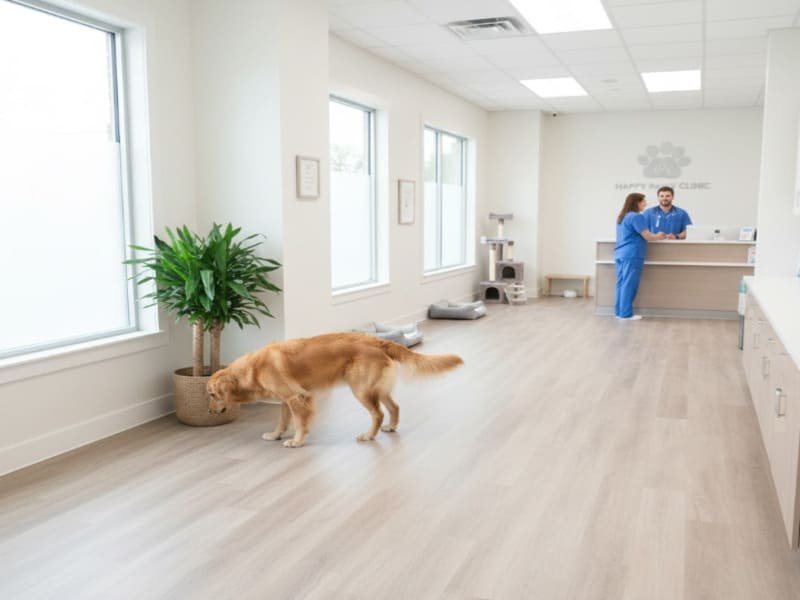
| Hospital/Clinic | SPC (Usually glue-down sheet or LVT) | 40 mil+ | Seamless or near-seamless construction is required for hygiene; chemical resistance is high. |
How Much Money Does Choosing Vinyl Flooring Actually Save Over the Project’s Lifetime?
Choosing vinyl flooring provides substantial long-term savings because its lower material cost is combined with much faster installation labor and the elimination of future maintenance expenses, which means the total lifetime cost of ownership is far lower than for comparable surfaces.
Cost analysis is a core part of my consultation. While the initial material cost of LVP is attractive, the biggest savings are often in the installation labor. Traditional methods require specialized work, such as mortar mixing for tile or nailing and sanding for wood.
Savings in Labor and Lifecycle Cost
The click-lock system allows a skilled crew to install vinyl very quickly. A crew can often install more than double the square footage of LVP per day compared to complex tile work. This efficiency directly reduces the project labor budget. Furthermore, we must calculate the avoidance of future costs.
| Cost Avoidance Item | Hardwood Requirement | Vinyl (LVP/LVT) Requirement |
|---|---|---|
| Refinishing | Required every 7–10 years | Never required |
| Grout Sealing | N/A | Never required (for LVP/LVT) |
| Special Cleaning | Specialized chemical cleaners | Simple sweeping and mopping |
The near-zero maintenance cost over a 20-year period makes vinyl the superior long-term value champion. The efficient, high-volume manufacturing of vinyl is what allows for this competitive pricing without sacrificing the engineered performance.
This low overall cost is enhanced by the safety profile of modern materials.
What Should I Look For to Ensure My Vinyl Flooring Meets Air Quality Standards?
You should look for specific third-party certifications like FloorScore® to verify that your vinyl flooring meets air quality standards because this confirms the product has low Volatile Organic Compound (VOC) emissions, which means the installed floor will maintain a safe, clean indoor environment.
Health and safety must always be a top priority in manufacturing. Older vinyl products sometimes used high levels of phthalates and released significant VOCs, which are harmful gases. The modern industry standard has eliminated these issues.
Certifications for Trust
High-quality vinyl manufacturers now exclusively use non-phthalate plasticizers and low-VOC formulations. The FloorScore® certification is the gold standard guarantee you must look for. This certification requires an independent laboratory to test the product in a chamber. They measure the emission levels of specific chemicals. A product with the FloorScore® label meets the strictest standards for indoor air quality. I always advise my clients to request the product’s technical data sheet. The sheet must clearly state the product is phthalate-free and list its VOC compliance status. This transparency is key to establishing full confidence in the material’s safety and quality.
When the floor is certified safe, the last operational concern is how easily it can be repaired.
Is Replacing a Damaged Vinyl Plank Really That Simple?
Yes, replacing a damaged click-lock vinyl plank is remarkably simple because the precision-milled floating installation allows for partial disassembly and reassembly, which means a single damaged piece can be swapped out quickly without harming the surrounding floor.
Repairability is a huge operational advantage that often goes overlooked. Unlike traditional sheet vinyl or fully glued-down tile, a click-lock LVP or LVT floor is modular. If a single plank is badly damaged—perhaps a deep gouge or a heavy impact—you do not need to replace the entire area.
The Precision of Click-Lock Repair
The entire system relies on the precision of the CNC milling equipment used in the factory to create the interlocking profiles. This tight tolerance allows the planks to be "unzipped" backward from the wall to the damaged piece. The damaged plank is removed, a new one is clicked into place, and the floor is reassembled. I always tell my clients to order an extra box of planks from the original batch. This ensures a perfect color match when a repair is necessary many years later. This simple, non-destructive repair method prevents massive repair costs and labor headaches.
5-Step Professional Checklist: How to Choose the Right Vinyl Flooring
The right choice of vinyl flooring requires focusing on core type, wear layer, thickness, and safety certifications to guarantee the material meets your project’s specific needs for performance and longevity.
Before making a final purchase, you must apply the technical knowledge discussed here to ensure the product you select is engineered for your specific application. This professional checklist summarizes the most critical factors.
Your Final Buying Guide
| Step | Question to Ask the Supplier | The Professional Answer (Specification Goal) |
|---|---|---|
| 1. Core Type | Is this product SPC or WPC? | SPC is best for high stability/dent resistance (commercial, basements); WPC is best for comfort. |
| 2. Wear Layer | What is the mil thickness of the wear layer? | Residential minimum is 12 mil; heavy-use residential/light commercial requires 20 mil+. |
| 3. Plank Dimensions | What is the width and length of the plank? | Wide planks (7"+) create a modern style; narrow planks create a traditional style. |
| 4. Safety/Health | Does this product have a FloorScore® certification? | The product must be certified low-VOC and ideally phthalate-free for indoor air quality. |
| 5. Subfloor Prep | Does the warranty cover installation over my existing floor? | Ensure the subfloor is flat within 3/16" over 10 feet to maintain the lock integrity and warranty. |
Conclusion
Vinyl flooring provides unmatched durability, is 100% waterproof, delivers high-end aesthetics, and offers the lowest lifetime cost.
Author Professional Information
I am an expert in the customized and bulk procurement field of Vinyl Flooring manufacturing. My technical specialization is in the extrusion and milling processes for LVT/LVP, focusing on core material science (SPC/WPC) and wear layer optimization. I provide engineering consultation and technical support to clients across various sectors for performance enhancement and design optimization.
Ready to Engineer Your Project’s Flooring Solution?
The benefits of modern vinyl are clear: performance, durability, and cost efficiency. If you need a partner who understands the manufacturing science behind your material choices, contact my engineering team today for a detailed technical consultation, a free sample kit, or a custom project quote.