


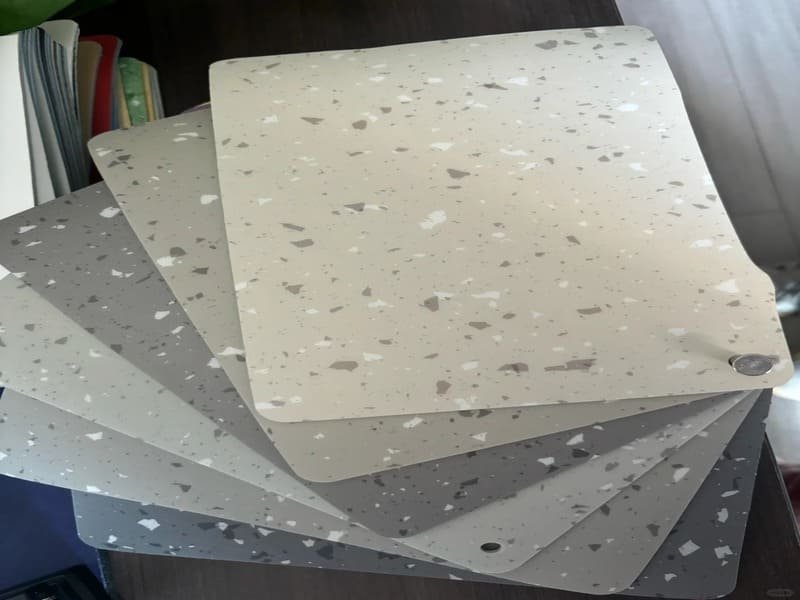
Yes. Bevel width changes how clearly each plank shows, how light and shadow fall on the floor, and how much dirt can collect in the joints. Wide bevels give strong plank lines. Narrow bevels and square edges give a calmer, more continuous look.
Most retail designers choose LVT by color and texture first. As a production manager at a PVC flooring factory, I treat the edge as a design choice and not a small detail. The same decor film can look very different once the edge profile changes.
A bevel is a sloped or eased edge along an LVT plank. Depending on the product, it may be formed by cutting, pressing, or other manufacturing processes. A wide bevel makes a visible line between planks, so the eye reads each plank as a separate piece. A square edge makes almost no line, so the floor reads as one surface.
But width is only one part of the picture. Bevel depth, angle, edge color, plank size, and store lighting all change the result. Also, the bevel does not decide how strong or durable the floor is. I will cover each point below so you can compare samples with clear criteria.
First, let us look at the edge types you will see on a spec sheet.
What Is the Difference Between Square, Micro, and Deep Bevels?
Square edges have no bevel. Micro-bevels have a very small eased edge. Deep V-bevels have a clear angled groove. These describe edge shape. A painted finish is a separate choice that can be added to a beveled edge.
Many spec sheets mix up shape and finish, so I split them into two groups. This makes it easier to compare products from different suppliers.
Edge Shape and Edge Finish
| Category | Option | What It Looks Like |
|---|---|---|
| Edge shape | Square edge | Flush edge, almost seamless surface |
| Edge shape | Micro-bevel | Soft, light plank definition |
| Edge shape | Standard or deep V-bevel | Clear groove, strong plank separation |
| Edge finish | Unpainted bevel | Shows the natural edge appearance, which may differ from the plank surface depending on the product structure |
| Edge finish | Color-matched painted bevel | Painted to blend with the plank surface |
| Edge finish | Contrasting painted bevel | Strong outline around each plank |
So one product can have a micro-bevel and a painted finish at the same time. Ask the supplier for both details.
Bevel Width vs. Bevel Depth
These are two different measurements. Width is the horizontal size of the edge profile. Depth is how far the edge drops. Two products with the same width can look very different if the depth or angle is not the same. Bevel sizes also vary from one manufacturer to another, so confirm the real numbers from the edge-profile drawing and never from a product name.
Now that the terms are clear, we can see how these choices change the look of a store.
How Do Bevel Width, Depth, Color, and Lighting Affect the Look?
Wider or deeper bevels can make plank joints more visible, especially under directional lighting. The final look also depends on bevel angle, edge color, surface finish, and viewing conditions.
When I review a retail project, I start with the brand and the lighting plan before I talk about the floor. A cafe and an electronics store need different surfaces, even if both want a wood look.
Five Things That Change the Look
- Width and depth: A wider or deeper groove can catch more shadow. A shallow one gives only a soft line.
- Bevel angle and surface finish: A steeper angle or a glossier surface reflects light differently, so two bevels of the same width may not look the same.
- Edge color: A color-matched bevel blends in. A contrasting bevel draws a clear outline. Color can change the look as much as width does.
- Plank size: The same bevel looks different on a narrow plank and on a wide plank. Large planks with small bevels can look almost seamless.
- Layout direction: Plank orientation can change how long or wide a space feels. The effect depends on room shape, plank size, lighting, and viewing direction.
Matching the Floor to the Brand
| Retail Theme | Often Suitable Edge | Reason |
|---|---|---|
| Boutique, cafe, artisanal goods | Deeper bevel, color-matched or contrasting finish | Adds texture and a handmade feel |
| Luxury fashion showroom | Standard bevel with a careful finish | Adds depth with a refined look |
| Electronics, cosmetics, modern apparel | Square edge or micro-bevel | Gives a clean, sleek surface |
These are starting points, not rules. Light changes everything, so view samples under the real lighting plan and not only at a sample table.
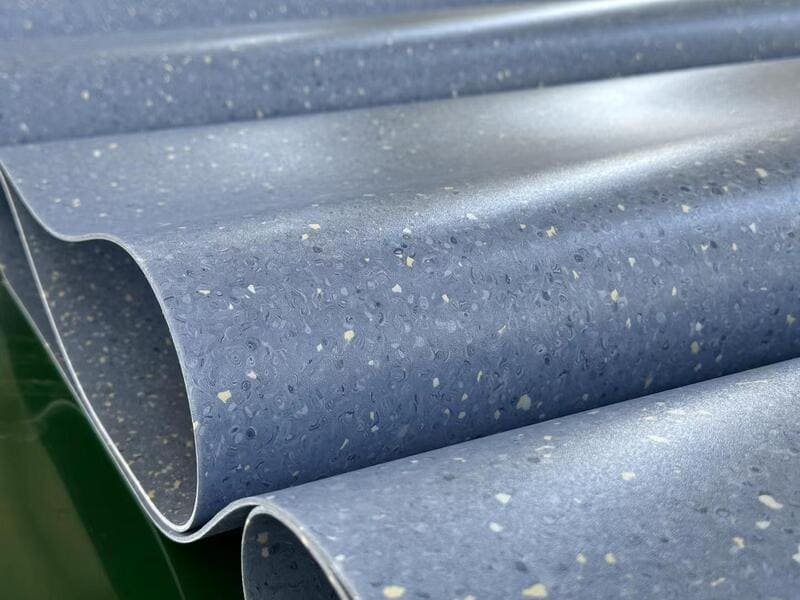
A good look is only part of the choice. Store teams also need to clean the floor every day.
Do Wider Bevels Affect Cleaning and Long-Term Durability?
Deeper bevels can hold more fine dust and grit, so they may need extra cleaning in busy stores. Bevel width alone does not decide durability. Wear layer, core, edge quality, and installation matter more.
Store owners often ask about this first. A deep groove can hold more debris than a flat joint. In a low-traffic showroom the effect is small. In a mall or high-street store, more grit comes in during the day, so the difference is easier to notice. The exact effect depends on the product and the cleaning routine.
Cleaning
Square edges and micro-bevels are generally the easiest to sweep and mop. Deep bevels may need a slow second pass or a brush to lift debris from the groove. Auto-scrubbers can suit many commercial LVT floors, but only when the manufacturer approves them. Machine weight, brush type, cleaning solution, and water exposure must all fit the flooring system. Painted bevels carry a color layer on the edge, and some maintenance guides warn that polishing equipment can remove it. So check how the coating handles your chemicals and brushes.
Durability
Cut and pressed bevels may expose or deform surface layers differently, depending on the product construction and manufacturing process. Some pressed bevel technologies can carry the decor layer down into the bevel, but the result is not the same for every product. Edge durability should be judged with product-specific test data and not by the method name alone. Thickness, material formula, installation quality, and wheel loads also play a part.
For rolling loads, EN ISO 4918 gives a standard castor-chair test. But shopping carts, pallet trolleys, and heavy racks can put different loads on the floor. So check the manufacturer’s load limits and test the sample with the real wheels.
With looks and daily use covered, we can now match edge styles to store types.
Which Bevel Style Is Best for Different Retail Stores?
Square edges and micro-bevels suit busy, modern, or value-focused stores. Deeper or painted bevels suit boutiques, cafes, and premium showrooms. The best choice depends on brand, foot traffic, cleaning plan, and installation system.
This table puts the main trade-offs in one place.
Retail Comparison Matrix
| Edge Style | Visual Effect | Cleaning Effort | Typical Retail Fit |
|---|---|---|---|
| Square edge | Seamless, sleek | Lowest | Tech stores, modern galleries |
| Micro-bevel | Soft plank definition | Low | Apparel, department stores |
| Standard or deep bevel | Strong plank lines | Moderate | Boutiques, shoe stores, cafes |
| Painted bevel (any depth) | Depends on color contrast | Depends on shape and coating | Premium and luxury showrooms |
Things the Table Does Not Show
First, bevels do not fix a bad subfloor. They may soften small height differences between planks, but all LVT must still meet the manufacturer’s flatness and preparation rules. Some guides use figures such as 3 mm over 2 m, but this is not the same for every product. Second, Click LVT and Glue-Down LVT behave differently at the joint, so confirm the system with your supplier. Third, do not choose from one column only. A deep bevel may look great but may not suit a busy mall store with a tight cleaning budget.
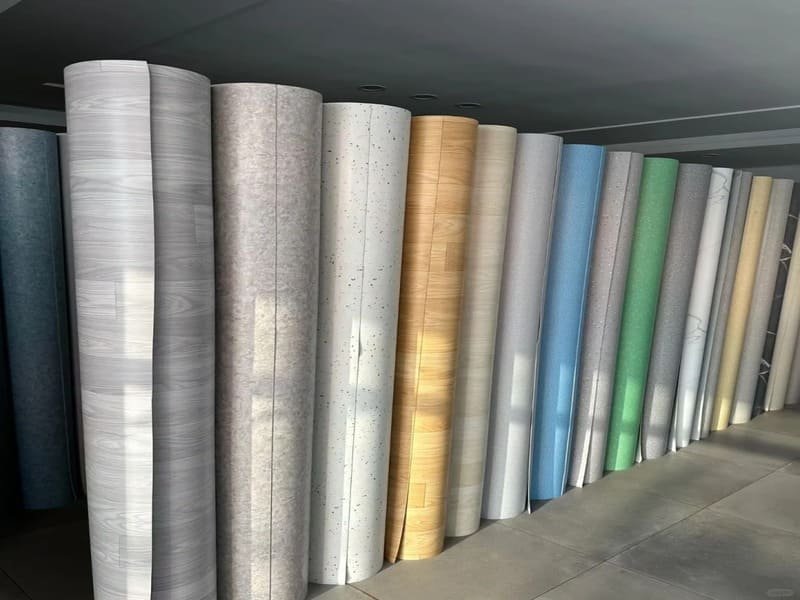
Once you know which style fits, the last step is to compare real samples.
How Should Retail Buyers Compare LVT Bevel Samples Before Ordering?
Compare samples of the same color and size with different bevels, under your real store lighting and with your real cleaning tools. Check bevel drawings, edge finish, and the manufacturer’s maintenance guide before you order.
Photos and small chips can mislead. A short checklist helps avoid surprises.
Sample Checklist
- Same color, same plank size, different bevels. This shows the true effect of the edge.
- Real lighting. Test under your spotlights and under daylight.
- Full-size assembly. Lay several full-size planks together to see how the bevels line up across joints. Look for uneven groove width, uneven edge color, visible height differences, and changes under directional light.
- Edge-profile drawing. Confirm width, depth, and angle in writing.
- Edge finish. Ask whether the bevel is painted and how the coating handles your cleaning products.
- Installation system. Confirm Click or Glue-Down, and the subfloor rules.
- Cleaning test. Run your own mop or scrubber on a sample with a little dirt in the groove.
Why Early Design Talks Help
Confirming bevel width, depth, and edge color before production can help avoid costly changes later. Feasibility, cost, minimum order quantity, and lead time depend on the manufacturer’s tooling, equipment, and coating options. For custom projects, I suggest raising the edge profile in the first design talk, so the choice fits both the brand and the daily routine.
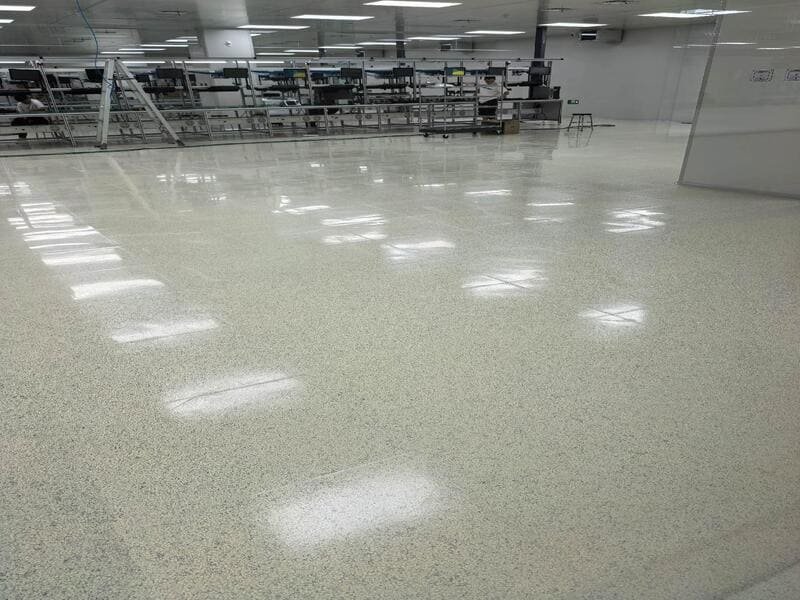
Conclusion
Bevel width shapes plank definition, light, and cleaning effort, but it does not decide durability. Choose by brand, traffic, and cleaning plan, and confirm with real samples.
About the author: I am a production manager at a custom and bulk PVC flooring manufacturer. I work on edge forming, wear layer design, and design optimization for retail, commercial, and hospitality projects across many industries.
Want to see the difference on your own floor? Send me a private message, and I will help you request LVT sample boards with different bevel widths and edge finishes. You can then compare them under your real store lighting before you order.